

Annapurna I Expedition 2027: Complete Guide to Climbing the World's 10th Highest Mountain
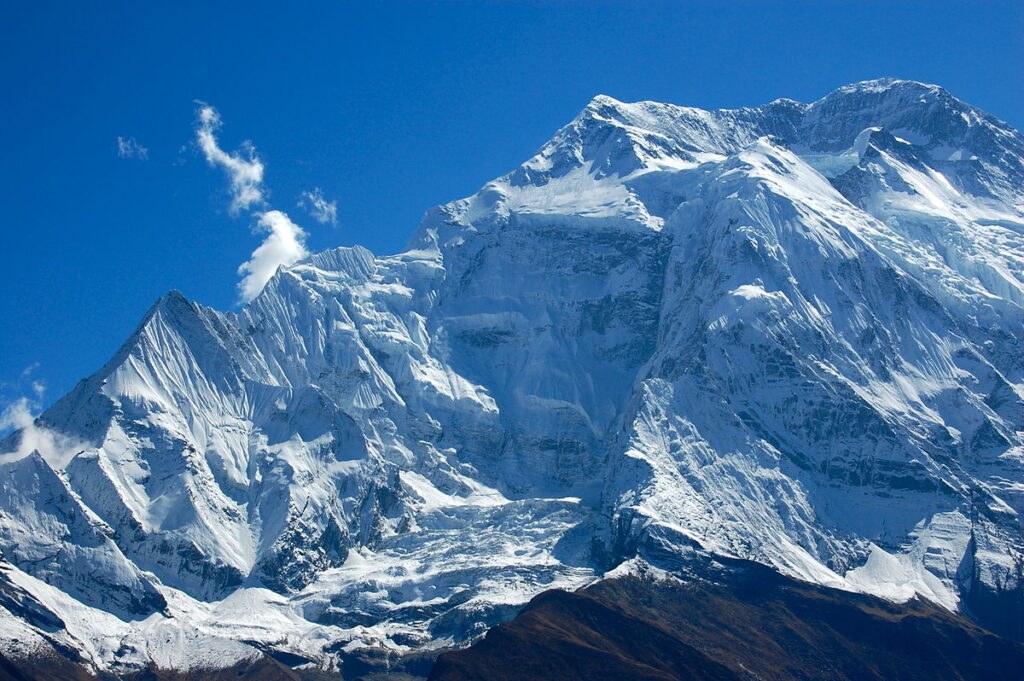
Table of Contents
Annapurna I Expedition: A Climb Built on History and Respect
Few mountains carry the weight of Annapurna I (8,091 m / 26,545 ft). It is the tenth-highest mountain on Earth, and it was the first 8,000-metre peak ever climbed, by Maurice Herzog and Louis Lachenal of a French expedition on 3 June 1950. For three years, that summit remained the highest point any human had reached, until Everest was climbed.
Today Annapurna is still one of the most serious objectives in the Himalayas. It is steep, avalanche-prone and unforgiving, yet it offers a quieter, more traditional expedition atmosphere than the busier 8,000ers. This guide covers the route, itinerary, difficulty, season, permits, gear and cost to help you decide whether the 2027 season is right for you.
Quick Facts: Annapurna I Expedition 2027
| Detail | Information |
|---|---|
| Summit elevation | 8,091 m (26,545 ft) |
| Region | Annapurna, Nepal |
| Trip length | About 40–44 days |
| Starting point (trek) | Lete |
| Base Camp | 4,190 m |
| Ends at | Pokhara, then Kathmandu |
| Accommodation | Hotels, lodges and tents |
| Grade | Challenging / expedition |
| Group size | 2–14 climbers |
| Best season | Spring (April–May) |
| Package price | From US$40,000 per person, with group discounts |
Why Choose Annapurna I?
- A piece of mountaineering history. You follow in the footsteps of the first 8,000 m expedition ever.
- A true expedition feel. The mountain sees far fewer commercial crowds than Everest or Manaslu.
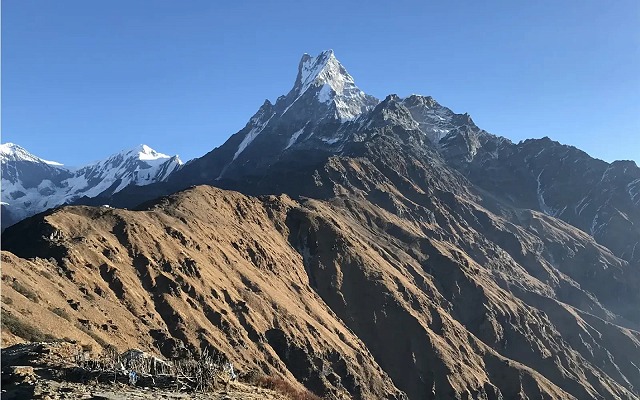
- Big scenery. Views take in Dhaulagiri, Machhapuchhre, Annapurna South, Hiunchuli and the wider central Himalaya.
- A journey through landscapes. The approach moves from subtropical valleys and terraced farmland to forest, moraine, glaciers and high snowfields.
- Culture on the way in. The lower valleys are home to Gurung and Magar communities, and expeditions traditionally hold a puja ceremony at Base Camp to ask for safe passage.
- Serious Sherpa support. Climbing Sherpas handle rope fixing, camp setup and high-altitude logistics.
The Route: From Lete to the Summit
The expedition starts with a domestic flight from Kathmandu to Pokhara. You then drive along the Kali Gandaki valley to Tatopani, famous for its hot springs, and continue to Lete (2,480 m). From there the trek climbs through pine, oak and rhododendron forest to Jungle Camp (3,400 m), then to Miristi Khola (4,100 m), and finally to Annapurna Base Camp (4,190 m).
From Base Camp, the team works up the mountain through a series of higher camps, typically Camps I to IV, using acclimatization rotations to prepare for the summit push. Route work includes glacier travel, crevasses, steep snow and ice, exposed ridges and fixed-rope sections. Summit attempts start well before dawn from the highest camp, and the return follows the same camps back to Base Camp.
Annapurna I Expedition Itinerary (Overview)
| Day | Route | Notes |
|---|---|---|
| 1 | Arrive in Kathmandu (1,350 m) | Airport pickup and hotel transfer |
| 2 | Briefing and gear check | Permits reviewed, equipment inspected |
| 3 | Fly Kathmandu to Pokhara (822 m) | About 25 minutes |
| 4 | Drive Pokhara to Tatopani (1,190 m) | 110 km, 5–6 hrs |
| 5 | Drive Tatopani to Lete (2,480 m) | 22 km |
| 6 | Trek Lete to Jungle Camp (3,400 m) | 5–6 hrs |
| 7 | Trek Jungle Camp to Miristi Khola (4,100 m) | 5–6 hrs |
| 8 | Trek Miristi Khola to Base Camp (4,190 m) | 4–5 hrs |
| 9–38 | Climbing period: acclimatization rotations, camps I–IV, summit push and contingency days | Weather-dependent |
| 39 | Base Camp to Miristi Khola | 4–5 hrs |
| 40 | Miristi Khola to Jungle Camp | 4–5 hrs |
| 41 | Jungle Camp to Lete | 5–6 hrs |
| 42 | Drive Lete to Tatopani | 2–3 hrs |
| 43 | Drive Tatopani to Pokhara, fly to Kathmandu | Celebration and farewell |
| 44 | Final departure | Airport transfer |
The long climbing window on days 9–38 is deliberate. Annapurna rewards patience, and your Sherpa team uses the time to acclimatize, watch the forecast and wait for a safe summit window.
How Difficult Is Annapurna I?
Very. Annapurna is widely regarded as one of the most demanding 8,000 m peaks. Expect:
- Avalanche exposure and serac hazard on many sections
- Unpredictable weather, including sudden storms and high winds
- Steep snow and ice requiring confident use of crampons and ice axe
- Fixed-rope climbing with ascenders and descenders
- Extreme altitude, with risks of AMS, HAPE, HACE and frostbite
- Long, cold summit days that demand strong fitness and mental resilience
This is not a first big-mountain objective. Prior high-altitude experience (a 6,000–7,000 m peak or another 8,000er is ideal), solid technical skills and excellent conditioning are strongly recommended. Even well-prepared teams sometimes turn back, and a good expedition leader will make that call without hesitation. Your safety always matters more than the summit.
Best Time to Climb Annapurna I
The best window is spring (April to May), when weather is more stable, skies are clearer and temperatures are milder at altitude. The fixed departures for 2027 are scheduled across March, April and May, giving flexibility for teams who want extra acclimatization time.
Permits and Regulations
An Annapurna I expedition requires a government climbing permit, and the Annapurna Conservation Area Permit and TIMS registration where applicable. Nepal raised its mountaineering royalties from 1 September 2025, and spring permits for 8,000 m peaks such as Annapurna now cost roughly US$3,000. In the Unique Sherpa Trek package, the Annapurna I climbing permit, conservation area permit, TIMS and other government fees are included, and your operator handles the paperwork.
What the Package Includes
- Airport assistance and Kathmandu hotel with breakfast
- Private transport to and from the trekking and expedition start and end points
- Three meals a day during the trek, Base Camp and climbing period, plus tea and coffee
- Licensed expedition leader, climbing Sherpas, assistant guides and high-altitude porters
- Annapurna I climbing permit and all applicable government fees
- Full Base Camp and High Camp facilities, including sleeping, kitchen, dining and toilet tents
- Fixed-rope support and essential technical group equipment
- Technical climbing instruction, including crampon and ice axe use, rope systems and glacier travel
- Oxygen and high-altitude support according to the selected package
- First-aid medical kits, staff insurance and wages
- Farewell dinner and a completion certificate
Not included: international flights, Nepal visa, personal climbing gear, travel and evacuation insurance, Kathmandu meals (except the farewell dinner), drinks, showers, communications, Sherpa summit bonuses and tips (about 15% of the package cost is suggested).
Annapurna I Expedition Cost 2027
The package starts from US$40,000 per person, with group pricing:
- 1–2 climbers: US$48,000 each
- 3–10 climbers: US$44,000 each
- 11–20 climbers: US$40,000 each
Budget separately for personal equipment, insurance that explicitly covers 8,000 m climbing and helicopter evacuation, tips and international flights.
Essential Gear Checklist
Bring high-altitude double or triple boots, 12-point crampons, ice axe, harness, helmet, ascender, descender and locking carabiners. For clothing, pack thermal base layers, a fleece mid-layer, a down jacket, an expedition down suit, waterproof shells and expedition mittens. Also carry glacier glasses, goggles, a headlamp with spare batteries, an expedition-grade sleeping bag and mat, and insulated water bottles. Supplemental oxygen equipment is normally managed by the expedition team. Confirm exactly which group gear is provided before departure.
How to Prepare
- Build a big endurance base with long hikes, running or cycling for at least six months.
- Add altitude experience on peaks above 6,000 m before attempting an 8,000er.
- Practise technical skills such as fixed-rope travel, crevasse rescue and cold-weather management.
- Get a full medical check-up with a doctor familiar with altitude.
- Buy the right insurance and confirm the coverage limits in writing.
- Train mentally. Expedition life means long waits, cold nights and hard decisions.
Responsible Climbing
Good expeditions leave the mountain cleaner than they found it. Unique Sherpa Trek & Expedition follows eco-friendly practices, waste management and fair employment for local staff and Sherpa crews.
Why Climb with Unique Sherpa Trek & Expedition?
The team, led by Lakpa Sherpa, provides experienced Sherpa climbing guides, a well-equipped Base Camp, careful acclimatization planning, weather monitoring, fixed-rope management and emergency preparedness. The company is affiliated with the Nepal Mountaineering Association, Nepal Tourism Board and Trekking Agencies' Association of Nepal.
Ready to plan your 2027 summit attempt? View the full Annapurna I Expedition itinerary, dates and booking details, or explore the operator's other 8,000 m programmes, including the Dhaulagiri Expedition, Manaslu Expedition and Himlung Expedition. Warm-up peaks such as Mera Peak and Island Peak are good stepping stones.
Frequently Asked Questions About the Annapurna I Expedition 2027
1. How high is Annapurna I, and where does it rank among the world's mountains?
Annapurna I stands at 8,091 m (26,545 ft), making it the tenth-highest mountain in the world. It is the highest peak of the Annapurna massif in central Nepal, a range that also includes Annapurna South, Hiunchuli, Gangapurna and the nearby Machhapuchhre. It is one of only fourteen mountains on Earth above 8,000 m, and it sits in the "death zone", where the air holds roughly a third of the oxygen found at sea level. For expedition planning, this means climbers need excellent acclimatization, and most teams use supplemental oxygen on the upper mountain.
2. Why is Annapurna so famous in mountaineering history?
Annapurna I was the first 8,000 m peak ever climbed. On 3 June 1950, Maurice Herzog and Louis Lachenal of a French expedition reached the summit, years before Everest was first climbed in 1953. For about three years, it remained the highest point any person had stood on. The mountain is also known for its steep faces, avalanche-prone slopes, huge ice cliffs and serac hazards, which is why it has a reputation as one of the most dangerous 8,000 m peaks. Climbing it today means joining a small group of mountaineers who have stood on a summit with real historical weight.
3. When is the best time to climb Annapurna I?
The best season is spring, from April to May. During this window the weather is generally more stable, skies are clearer and temperatures are milder than in winter, although conditions at 8,000 m are always cold and windy. The pre-monsoon period also gives teams a workable window for fixing ropes and completing acclimatization rotations. Unique Sherpa Trek's 2027 departures are scheduled across March, April and May, so teams can choose earlier starts for more acclimatization time or later dates aimed at the best summit weather. Autumn is possible in principle but is less commonly used, and the monsoon (June to August) is unsuitable because of heavy snow and avalanche risk.
4. How long does the Annapurna I expedition take?
Plan for about six weeks door to door. The package is marketed as a 40-day expedition, and the detailed schedule runs to 44 days including arrival and departure in Kathmandu. The first week covers preparation, the flight to Pokhara, the drive via Tatopani to Lete and a trek of about three days to Base Camp (4,190 m). The next 30 days or so are the climbing period, which includes acclimatization rotations, camp building, weather monitoring and contingency days for the summit push. The last few days cover the return trek, the drive to Pokhara and the flight back to Kathmandu. It is wise to add a few spare days to your travel plans in case of flight or weather delays.
5. How difficult is Annapurna I?
It is extremely challenging, and it is one of the most demanding 8,000 m peaks. The difficulty comes from a combination of factors:
- Objective hazards such as avalanches, seracs and crevasses
- Steep snow and ice that requires confident crampon and ice axe skills
- Fixed-rope travel with ascenders and descenders
- Rapidly changing weather, including storms and high winds
- Extreme altitude, with risks of AMS, HAPE, HACE and frostbite
- Long, cold summit days that need endurance and mental toughness
Climbers should have strong technical skills, proven fitness and sound judgment about when to continue and when to turn back. A good leader will always prioritize safety over summit success.
6. Do I need previous 8,000 m experience?
It is strongly recommended to have prior high-altitude and technical experience before attempting Annapurna I. Ideally you should have climbed a peak of 6,000 to 7,000 m, and ideally another 8,000 m mountain, so that you know how your body reacts at altitude. Useful experience includes glacier travel, crevasse rescue, fixed-rope climbing and multi-day camping in cold conditions. If you have not yet climbed at that level, consider building up with peaks such as Mera Peak or Island Peak, followed by a 7,000 m objective, before committing to an 8,000 m expedition. Your operator can review your climbing résumé and advise whether you are ready.
7. Is supplemental oxygen used on Annapurna I?
Yes. Supplemental oxygen is commonly used on Annapurna expeditions, especially on the summit push, to reduce the effects of extreme altitude and improve safety and warmth. The Unique Sherpa Trek package includes oxygen and high-altitude support according to the selected package, so you should confirm the exact details when booking, including the number of bottles, flow rates, masks and regulators, and who carries and manages them. Oxygen improves your odds but does not remove the risk. You still need excellent fitness, proper acclimatization and good technique, and the equipment should be inspected and handled by the experienced Sherpa team.
8. What permits do I need for an Annapurna I expedition?
You need a government climbing permit for Annapurna I, an Annapurna Conservation Area Permit (ACAP) and TIMS registration where required. Nepal raised its mountaineering royalties effective 1 September 2025, and spring permit fees for 8,000 m peaks including Annapurna now cost around USD 3,000. In the Unique Sherpa Trek package, the climbing permit, conservation permit, TIMS and other government fees are included, and the company handles the paperwork. You will still need to provide your passport details, photos and other documents in advance. Some fees, such as a garbage deposit, are refundable if waste is brought back properly, so ask your operator how this is handled.
9. Can I climb Annapurna independently without a guided expedition?
It is technically possible but strongly discouraged. Annapurna I demands serious logistics, including Base Camp setup, high camps, fixed ropes, weather forecasting, oxygen supply, communications and emergency planning. Avalanche danger and unpredictable weather make mistakes very costly. A guided expedition with experienced Sherpas provides rope fixing, route knowledge, camp support, medical kits and rescue coordination that are difficult to organize alone. Joining a professional team also improves your chances of a safe and successful climb, and it supports local employment and responsible waste management.
10. What are the main risks on Annapurna I?
The main risks are:
- Avalanches and serac fall, especially on steep, loaded slopes
- Crevasses and falls on glaciers and fixed-rope sections
- Extreme cold and wind, leading to frostbite and hypothermia
- Altitude illness, including AMS, HAPE and HACE
- Rapid weather changes that can trap climbers on the mountain
- Exhaustion and dehydration during long summit days
Good expedition practice reduces these risks through gradual acclimatization, weather monitoring, avalanche precautions, fixed-rope management and emergency evacuation plans. You should also be ready to turn back when conditions are unsafe, and your insurance must cover 8,000 m climbing and helicopter rescue.
11. What is not included in the package?
Not included are:
- International flights and the Nepal entry visa
- Lunch and dinner in Kathmandu (except the farewell dinner)
- Personal climbing gear such as boots, crampons, harness, helmet, ice axe, down suit and sleeping bag
- Travel, mountaineering and emergency evacuation insurance
- Medical tests, personal medicines and any hospital costs
- Emergency rescue and helicopter evacuation costs
- Internet, phone, hot showers, bottled drinks and laundry
- Extra nights in Kathmandu caused by early arrival, delays or an early return
- Sherpa summit bonuses, and tips, which are typically around 15% of the package cost
- Costs caused by events outside the company's control, such as weather, strikes or flight cancellations
Ask your operator for a full written list and confirm which technical group equipment they supply.
12. How much does the Annapurna I expedition cost in 2027?
The package starts from US$40,000 per person, with group-based pricing:
- 1–2 climbers: US$48,000 each
- 3–10 climbers: US$44,000 each
- 11–20 climbers: US$40,000 each
The price includes permits, transport, Kathmandu hotel with breakfast, meals on the mountain, Sherpa and guide support, Base Camp and High Camp facilities, fixed-rope support, oxygen support per the selected package and staff insurance. On top of that, budget for international flights, personal gear, your own insurance, tips and a contingency fund for delays or extra Kathmandu nights. Because 8,000 m expedition prices depend on the season, group size and oxygen plans, ask for a written quote for your specific dates.
.jpg)