

Is the Helambu Gosaikunda Trek Suitable for Beginners?
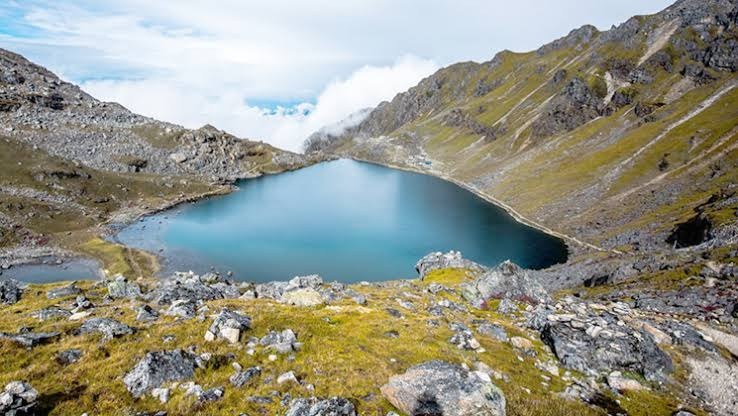
Table of Contents
The Helambu Gosaikunda Trek is easy to love on paper. It starts right outside Kathmandu, passes through forests and Hyolmo and Tamang villages, and ends at Gosaikunda Lake, one of the most sacred alpine lakes in Nepal. The trail is quiet, the route is non-technical, and the whole trip can be done in about a week. No wonder many first-timers ask whether it is a good place to start.
The honest answer: yes, it can suit beginners, but only with preparation and the right itinerary. It is a moderate trek rather than an easy one. The big catch is altitude. You climb from about 1,350 m to 4,361 m at Gosaikunda in just a few days and cross Laurebina La (about 4,610 m) on the way down, so a rushed schedule is the main risk for first-timers. You can see the itinerary, group prices, and fixed departures on the Helambu Gosaikunda Trek page by Unique Sherpa Trek & Expedition.
The Short Answer
Suitable for fit beginners who prepare well and allow time to acclimatize. Not ideal for complete first-timers on a rushed 6 to 9 day schedule.
It can work for you if:
- You are in good health and exercise regularly
- You can walk 5 to 7 hours a day on hills and stairs
- You have 6 to 8 weeks to train
- You are comfortable with basic teahouses and cold nights
- You are willing to take a longer itinerary or add an extra night at altitude
- You will trek with a licensed guide and follow their advice
Consider an easier first trek if:
- You have never done a multi-day hike
- You have never slept above 3,000 m
- You have heart, lung, or blood pressure conditions that have not been checked
- You are short on time and cannot allow buffer days
- You want guaranteed comfort or hot showers every night
Helambu Gosaikunda Trek at a Glance
| Detail | Information |
|---|---|
| Duration | Listed as a 6-day trek, with a 9-day itinerary from arrival to departure (longer versions of 10 to 14 days exist) |
| Difficulty | Moderate to adventure |
| Maximum Altitude | Gosaikunda Lake, about 4,361 to 4,380 m |
| Highest Pass | Laurebina La, about 4,610 m |
| Start / End | Sundarijal and Chisopani / Dhunche, then Kathmandu |
| Daily Walking | About 4 to 8 hours |
| Accommodation | Teahouses and lodges |
| Group Size | 2 to 30 trekkers |
| Best Season | Spring (March to May) and autumn (September to November) |
| Price | From US$1,080 per person, depending on group size |
Figures vary slightly across the trip page, so treat altitudes and times as approximate.
Why It Works for Beginners
1. Close to Kathmandu
The trek begins with a one-hour drive to Sundarijal, with no flights and no airstrips. Logistics are simple, and Dhunche is a straightforward road return to the capital.
2. No Technical Climbing
The trails are well-established paths through forest and ridgeline. No ropes, crampons, or climbing skills are required.
3. Teahouse Support
Lodges operate along the route, so you do not need to carry a tent, stove, or food. Villages such as Chisopani, Kutumsang, and Sing Gompa provide regular meals and shelter.
4. Quiet, Scenic Trails
Helambu and Langtang National Park are far less crowded than Everest or Annapurna. Beginners often find that calmer trails reduce pressure to keep up.
5. Culture and Spirituality
Hyolmo and Tamang villages, monasteries, chortens, and prayer flags make long days more rewarding, and Gosaikunda Lake adds a spiritual dimension for Hindu and Buddhist pilgrims.
6. A Guide and Porters
A licensed guide handles navigation, pace, permits, and logistics, and porters carry your main bag so you only need a light daypack.
What Makes It Hard for Beginners
1. Fast Altitude Gain
This is the biggest issue. On the standard 9-day plan, the sleeping altitudes rise quickly:
| Night | Location | Altitude | Gain From Previous Night |
|---|---|---|---|
| 1 | Chisopani | about 2,165 m | Starting point |
| 2 | Kutumsang | about 2,446 m | +280 m |
| 3 | Ghopte | about 3,530 m | +1,085 m |
| 4 | Gosaikunda | about 4,361 m | +830 m |
| 5 | Sing Gompa | about 3,250 m | -1,110 m |
The usual guideline is to raise your sleeping altitude by no more than about 300 to 500 m per day above 3,000 m. Two nights here exceed that, and the standard schedule has no dedicated acclimatization day. For a first-timer, that raises the risk of altitude sickness.
2. A Long Climb to Ghopte
The day from Kutumsang to Ghopte is about 7 hours and 16 km, with a steep, eroded climb through forest and ridgeline before you reach Tharepati Pass (about 3,650 m).
3. The Gosaikunda Day
The day from Ghopte to Gosaikunda takes about 7 hours, with rougher ground and moraine crossings before you reach 4,361 m. Weather can turn quickly.
4. Laurebina La
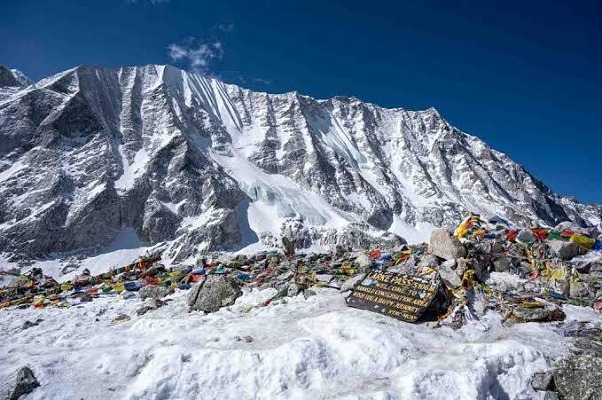
Leaving Gosaikunda for Sing Gompa means crossing Laurebina La (about 4,610 m), the trek’s highest point, before a long descent. The page lists this day as 4 to 5 hours, but a pass crossing and descent like this often takes longer, especially in snow or cold.
5. Cold Nights
Nights at Ghopte and Gosaikunda drop well below freezing in many seasons. Rooms are unheated, so a warm sleeping bag and layers are essential.
6. Basic Facilities
Expect shared bathrooms, limited hot water, and patchy electricity and connectivity at higher stops.
Day-by-Day Difficulty for Beginners
| Day | Route | Walking Time | Beginner Difficulty |
|---|---|---|---|
| 1 | Arrive in Kathmandu | None | Easy |
| 2 | Drive to Sundarijal, trek to Chisopani (about 2,165 m) | 4 to 5 hours | Easy to moderate |
| 3 | Chisopani to Kutumsang (about 2,446 m) | 6 to 7 hours | Moderate |
| 4 | Kutumsang to Ghopte (about 3,530 m) via Tharepati | About 7 hours | Hard |
| 5 | Ghopte to Gosaikunda (about 4,361 m) | About 7 hours | Hard (altitude) |
| 6 | Gosaikunda over Laurebina La to Sing Gompa (about 3,250 m) | 4 to 5 hours listed, often longer | Hard (pass and descent) |
| 7 | Sing Gompa to Dhunche (about 1,960 m) | About 6 hours | Moderate (downhill) |
| 8 | Drive Dhunche to Kathmandu | 6 to 7 hours by road | Easy, but tiring |
| 9 | Departure | None | Easy |
Walking times and altitudes are approximate and can change with weather, snow, and trail conditions.
Beginner Readiness Checklist
You are likely ready if you can say yes to most of these:
- I have completed at least one multi-day trek, even at lower altitude
- I can walk 6 hours with a daypack and recover well the next day
- I have trained consistently for 6 or more weeks
- I am comfortable with basic lodging and cold nights
- I have at least 2 spare days in my travel plans
- I have travel insurance covering trekking to 5,000 m and helicopter evacuation
- My doctor has cleared me for high-altitude trekking
- I am willing to descend if my guide advises it
If you said no to several, build experience first.
Make It Beginner-Friendly: Add Time
The simplest way to make this trek safer for first-timers is to add days. Ask your operator for one of these options:
- A longer itinerary: The company says the trek generally takes 10 to 14 days in longer versions, which allows slower ascents
- An extra night at Ghopte (about 3,530 m): Helps your body adapt before Gosaikunda
- An extra night at Gosaikunda (about 4,361 m): A rest day at the lake allows a short acclimatization hike and a better chance of clear views
- A flexible final day: Keep a spare day in Kathmandu in case weather or road delays affect your return
You can ask the team about longer schedules through the contact page or the booking form.
Altitude Tips for First-Timers
- Walk slowly and steadily, even when you feel strong
- Drink 3 to 4 liters of fluids daily
- Eat regularly, even when appetite drops
- Avoid alcohol and sleeping pills
- Tell your guide immediately about headache, nausea, dizziness, or unusual fatigue
- Never hide symptoms to stay on schedule
- Descend if symptoms worsen, and never go higher while unwell
- Discuss altitude medication such as acetazolamide with your doctor before the trip
Serious warning signs that require immediate descent:
- Severe headache that does not ease
- Repeated vomiting
- Confusion or loss of balance
- Breathlessness at rest or a persistent wet cough
Fitness and Training Plan
Beginners should start at least 6 to 8 weeks before departure.
| Phase | Focus | Weekly Sessions |
|---|---|---|
| Weeks 1 to 3 | Base fitness | 3 cardio sessions (30 to 40 min), 2 short strength sessions, 1 easy hike |
| Weeks 4 to 6 | Endurance and strength | 3 cardio sessions (40 to 60 min), 2 strength sessions, 1 hike of 3 to 5 hours |
| Weeks 7 to 8 | Trek-specific | Long hikes of 5 to 6 hours with a 5 to 7 kg daypack, plus back-to-back days |
| Final week | Taper | Easy walks, gear checks, rest |
Key elements:
- Cardio: Hill walking, jogging, cycling, or stair climbing
- Legs and core: Squats, lunges, step-ups, calf raises, and planks
- Downhill practice: Controlled descents with trekking poles, since the descent from Sing Gompa to Dhunche is long
- Boot break-in: Use the same boots and socks you will wear on the trek
Get a medical check-up before you begin, especially if you have heart, lung, or blood pressure conditions.
Best Season for First-Timers
Spring (March to May): Blooming rhododendrons, milder temperatures, and good mountain views.
Autumn (September to November): Clear skies, stable weather, and sharp mountain views. October and early November are especially reliable.
Winter (December to February): Cold, with snow and ice near Gosaikunda and Laurebina La. Possible but not ideal for first-timers.
Monsoon (June to August): Heavy rain, slippery trails, leeches, and poor visibility. Gosaikunda also gets crowded around Janai Purnima, when thousands of pilgrims visit, so lodging can be tight.
For a first attempt, choose April to May or October to early November.
Permits and Costs
You normally need a Langtang National Park entry permit and a TIMS card. Unique Sherpa Trek & Expedition includes permits and applicable entrance fees in the package. Fees and rules change, so confirm current details, and see the company’s guides to trekking permit fees in Nepal and Nepal trekking permits and visa 2026.
The trek is listed from US$1,080 per person, with group prices shown as US$1,200 for 1 to 2 people, US$1,150 for 3 to 10, and US$1,000 for 11 to 20. Typical inclusions cover airport transfers, hotel nights in Kathmandu, private transport, a licensed guide, porters, permits, teahouse accommodation, meals with tea or coffee, and a first-aid kit. Visa, travel insurance, personal expenses, tips, and emergency costs are extra. Fixed departures are listed in November and December 2026, so check availability on the trip page.
Accommodation and Food
- Accommodation: Simple teahouses and lodges with twin-sharing rooms, shared bathrooms, and unheated rooms. Facilities become more basic at Ghopte and Gosaikunda.
- Food: Dal bhat, noodles, soups, momos, eggs, potatoes, Tibetan bread, and tea. Vegetarian meals are easy to find.
- Water: Boiled, filtered, or treated water only.
- Connectivity: Wi-Fi, charging, and mobile signal are limited at higher stops, so carry a power bank.
Packing Essentials for First-Timers
- Broken-in, waterproof trekking boots and 4 to 5 pairs of trekking socks
- Thermal base layers, fleece, down jacket, and waterproof shell
- Warm hat, sun hat, gloves, and UV sunglasses
- Warm sleeping bag rated for below-freezing nights
- Trekking poles, headlamp, and spare batteries
- Water bottles and purification tablets
- Personal first-aid kit, blister care, and medication
- Power bank, charging cables, and universal adapter
- Passport, permits, insurance papers, and Nepali rupees in small notes
The trip page also suggests gaiters or microspikes in snowy or icy conditions. For insurance, check that your policy covers trekking to at least 5,000 m and helicopter evacuation, and keep a copy of your policy number with your guide.
Easier Treks to Build Up From
If you want more experience before attempting Gosaikunda, consider these options from Unique Sherpa Trek & Expedition:
| Step | Trek | Why It Helps |
|---|---|---|
| 1 | Chisopani Nagarkot Trek or Shivapuri Hill Hiking | Test boots, pack, and stamina close to Kathmandu |
| 2 | Tamang Heritage Trek (6 days) or Ghorepani Poon Hill Trek | Multi-day walking at moderate altitude |
| 3 | Langtang Valley Trek (7 days) or Mardi Himal Trek | Your first time near 4,000 m |
| 4 | Gosaikunda Lake Trek (5 days) | A shorter route to the sacred lake |
| 5 | Helambu Gosaikunda Trek | The full circuit with confidence |
For a bigger challenge later, look at the Ganja-La Pass Trek or the Tilman Pass Trek. You can browse all routes in the Langtang region collection. If you want to see the lake without the full trek, the company also offers a Langtang Gosaikunda Heli Tour.
Practical Tips if You Decide to Go
- Train for 6 to 8 weeks, with long hikes and back-to-back days
- Ask for an itinerary with extra acclimatization time
- Start early each day, to finish before afternoon cloud and cold
- Use trekking poles on the long descents
- Keep warm layers, water, and snacks in your daypack at all times
- Walk slowly, and never compete with other trekkers
- Tell your guide how you feel, and speak up early about symptoms
- Carry enough cash, since there are no ATMs on the trail
- Buy insurance covering high-altitude trekking and helicopter evacuation
- Check current conditions, and see the company’s travel updates for any seasonal notices
Top 15 FAQs: Helambu Gosaikunda Trek for Beginners
1. Is the Helambu Gosaikunda Trek suitable for beginners?
It can be, with preparation. The trek is non-technical, starts close to Kathmandu, and runs through teahouse villages with a guide and porters. However, it is moderate, not easy, and it reaches about 4,361 m at Gosaikunda and about 4,610 m at Laurebina La. Fit beginners with 6 to 8 weeks of training and enough acclimatization time can do it, while people with no hiking experience are better off starting lower.
2. How difficult is the trek compared with other beginner treks?
It is harder than short hikes such as Chisopani to Nagarkot or the Tamang Heritage Trek because of the altitude and the length of the climbing days. It is similar in challenge to the Langtang Valley Trek and easier than high-pass treks such as Ganja-La or Tilman Pass. Most beginners describe it as demanding but achievable.
3. Do I need previous trekking experience?
You do not need technical skills, but some experience helps a lot, ideally a multi-day trek at moderate altitude. Experience teaches you how to pace yourself, how your body handles altitude, and how to cope with basic lodging. If you have never done a multi-day hike, try a shorter trek first.
4. How fit do I need to be?
You should be able to walk 5 to 7 hours a day on uneven ground with a light daypack, including climbs of 800 to 1,100 m. Plan 6 to 8 weeks of training with cardio, strength work, and long hikes with a loaded daypack. Practice downhill walking with poles, and see a doctor before you start if you have any health conditions.
5. How many days does the trek take?
The itinerary on the trip page is 9 days from arrival to departure, with about 6 days of trekking and one day each for arrival, return drive, and departure. The company also says the trek generally takes 10 to 14 days in longer versions. Beginners benefit from the longer options because they allow slower ascents.
6. How high does the trek go?
The highest overnight stop is Gosaikunda Lake at about 4,361 m, with the lake itself often quoted at about 4,380 m. The highest point is Laurebina La at about 4,610 m. Because published figures vary slightly, treat the numbers as approximate and expect to spend two nights above 3,500 m.
7. Will I get altitude sickness?
It is a real risk, especially on a fast schedule. The standard plan gains about 1,085 m between Kutumsang and Ghopte and about 830 m between Ghopte and Gosaikunda, which is faster than the usual guideline for sleeping altitude. Reduce the risk by walking slowly, drinking 3 to 4 liters of fluids daily, avoiding alcohol, reporting symptoms early, and asking for an extra acclimatization night.
8. Is there an acclimatization day?
The 9-day itinerary on the trip page does not include a dedicated rest day, even though the company describes the trek as having carefully planned acclimatization. If you are a beginner, ask for a longer schedule or an extra night at Ghopte or Gosaikunda. Confirm with the operator before you book.
9. What is the best time of year for first-timers?
April to May and October to early November are the best for stable weather and clear views. Spring brings blooming rhododendrons, and autumn gives crisp air and sharp mountain scenery. Winter is cold with snow near the lake and pass, and the monsoon brings rain, leeches, and poor visibility, so both need extra caution.
10. What permits do I need?
You normally need a Langtang National Park entry permit and a TIMS card. The trip page says the package includes permits and applicable entrance fees. Rules and fees can change, so confirm current details with your operator, and read the company’s guide to trekking permit fees in Nepal.
11. What is the accommodation like?
You stay in teahouses and lodges operated by local families, with twin-sharing rooms, shared bathrooms, and unheated rooms. Facilities become more basic at Ghopte and Gosaikunda, and hot showers and charging may cost extra or be unavailable. Bring a warm sleeping bag, wet wipes, and a power bank. In Kathmandu, you stay in a hotel before and after the trek.
12. What food can I expect?
Meals are cooked at teahouses and include dal bhat, noodles, soups, momos, eggs, potatoes, Tibetan bread, and tea. Vegetarian meals are easy to find, and special diets may be possible with notice, though choices are limited at higher stops. Drink only boiled, filtered, or treated water, and carry snacks for the long days.
13. What happens if the weather is bad at Gosaikunda or Laurebina La?
Safety comes first. Snow, ice, strong wind, and low visibility can make the trail unsafe, so your guide may delay the crossing, change the plan, or descend by a safer route. Weather cannot be guaranteed, so keep spare days in your travel plans and ask your operator what happens if the lake or pass cannot be reached.
14. What travel insurance do I need?
You need a policy that covers trekking to at least 5,000 m, emergency medical treatment, and helicopter evacuation, plus trip cancellation or interruption. Check that trekking and the altitude limit are named in the policy, review exclusions for pre-existing conditions, and keep a copy of your policy number and emergency contact with your guide.
15. Can I do the trek solo, as a family, or with children?
Solo travelers can join a group departure or book a private trip, and a guide is strongly recommended in either case. The trip page lists group sizes from 2 to 30 and fixed departures in November and December 2026. Families can trek together with a private itinerary and extra rest days, but children should only attempt the high sections if they are active, healthy, and cleared by a doctor, since the altitude affects young people too.
Final Thoughts
The Helambu Gosaikunda Trek offers a beautiful mix of forest, villages, sacred water, and Himalayan views, and it is closer to Kathmandu than almost any other trek of its kind. For fit, well-prepared beginners, it can be a memorable first Himalayan journey, but only if you respect the altitude, build in rest, and are willing to adapt your plans.
Ready to plan? Visit the Helambu Gosaikunda Trek page for the itinerary, fixed departures, and pricing, then book your trek, contact Unique Sherpa Trek & Expedition, or meet the team to discuss a longer, beginner-friendly schedule. You can also hire a guide and porter if you prefer to arrange your own logistics.
Note: Altitudes, walking times, prices, permit rules, and inclusions are approximate and can change. Confirm current details with your trekking operator before booking. This guide is general information and not medical advice, so consult a doctor before trekking at high altitude.

.jpg)