

My wife and I completed the Everest Base Camp Trek with Unique Sherpa Trek & Expedition Pvt. Ltd., and it was one of the greatest experiences of our lives. Everything was perfectly organized...

Tour leading by well trained team
Hassle-free and instant booking
100% customers satisfaction
reasonable price & best service
no hidden cost & secure payment
The Gosaikunda Lake Trek is one of Nepal’s most spiritually significant and naturally beautiful trekking experiences, combining high-altitude alpine lakes with rich Himalayan culture. Located north of Kathmandu, this trek offers a relatively short yet rewarding journey into the heart of the Langtang region. Organized by Unique Sherpa Trek & Expedition Pvt. Ltd., the trek provides a perfect balance of adventure, spirituality, and cultural immersion.
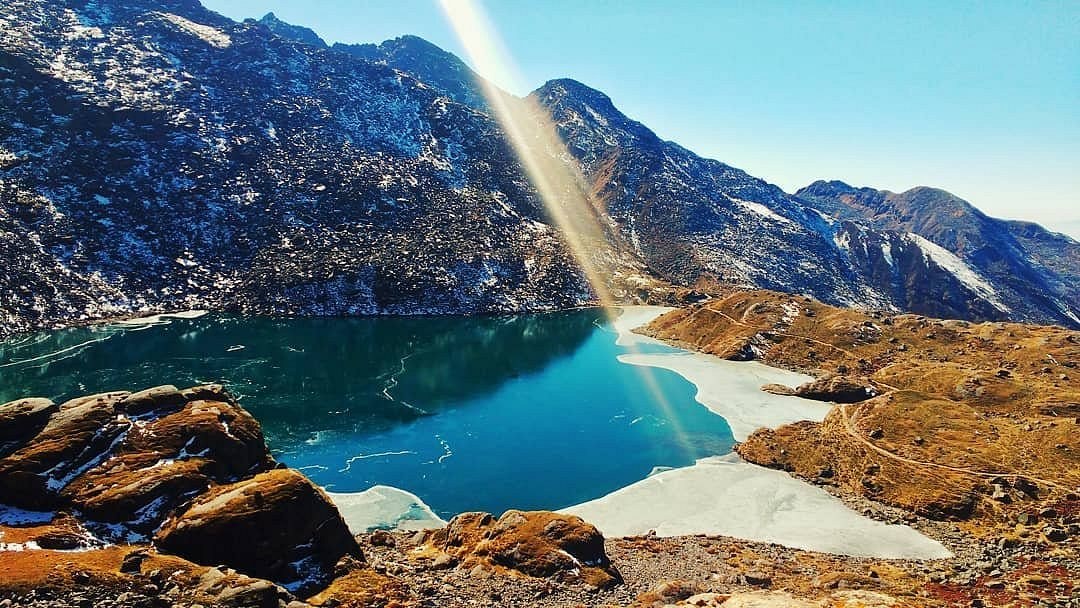
The Gosaikunda Lake Trek lies within the protected boundaries of Langtang National Park, known for its diverse landscapes and ecosystems. The journey begins from lower elevations with terraced fields and subtropical forests of oak, pine, and rhododendron. As trekkers ascend, the terrain gradually transforms into alpine meadows and rocky slopes. The highlight of the trek is reaching Gosaikunda Lake, situated at an altitude of around 4,380 meters. Rugged mountains surround this pristine glacial lake, which remains frozen during the winter months. Along the route, trekkers also encounter other smaller lakes, glaciers, and high ridges such as Laurebina, which offer panoramic views of the Himalayas, including Langtang Lirung. The geographical diversity allows trekkers to experience multiple climatic zones within a short period, making the journey both dynamic and visually stunning.
The region surrounding Gosaikunda is inhabited mainly by Tamang communities, whose lives are closely tied to the natural environment. These communities practice traditional agriculture, livestock herding, and increasingly rely on trekking tourism for their livelihoods. Life in these villages is simple but deeply connected to cultural and spiritual traditions. Visitors are often welcomed with warm hospitality, reflecting the strong sense of community among local people. Daily life revolves around farming, animal care, and religious practices, providing trekkers with an authentic glimpse into rural Himalayan living. The interaction with local people adds a meaningful human dimension to the trekking experience.
Culturally, the Gosaikunda Lake Trek is deeply rooted in both Hindu and Buddhist traditions. The sacred Gosaikunda Lake holds immense religious importance and is believed to have been created by Lord Shiva, making it a major pilgrimage site. During Janai Purnima, thousands of pilgrims visit the lake to take a holy dip. Along the trail, trekkers will see numerous chortens, mani walls, and prayer flags symbolizing Tibetan Buddhist influence. Settlements such as Dhunche, Chandanbari, and Laurebina feature traditional stone houses and monasteries that reflect the local culture. These villages serve as resting points for trekkers and offer opportunities for cultural exchange and learning.
The Gosaikunda Lake Trek is considered a moderate trek, suitable for both beginners and experienced trekkers with reasonable fitness levels. It is a popular alternative to more crowded trekking routes like Everest and Annapurna, offering tranquility and natural beauty. The trail is well-developed with teahouse accommodations, making it comfortable and accessible. Trekkers can enjoy breathtaking mountain views, serene landscapes, and spiritual experiences throughout the journey. With Unique Sherpa Trek & Expedition Pvt. Ltd., trekkers benefit from experienced guides, proper itinerary planning, and reliable logistical support. Their professional service ensures safety, proper acclimatization, and an enriching trekking experience.
The 2015 Nepal earthquake had a significant impact on the Langtang and Gosaikunda regions, causing damage to villages, trails, and infrastructure. Many homes and lodges were destroyed, and tourism declined sharply in the aftermath. However, local communities have shown remarkable resilience in rebuilding their lives and restoring trekking routes. New lodges have been constructed, trails have been improved, and safety measures have been enhanced. Today, trekking in this region supports the local economy and contributes to ongoing recovery efforts, helping communities rebuild stronger than before.
The best time to undertake the Gosaikunda Lake Trek is during spring (March to May) and autumn (September to November). Spring offers blooming rhododendrons, mild temperatures, and vibrant landscapes, while autumn provides clear skies, stable weather, and excellent visibility of the Himalayan peaks. Winter trekking is possible but can be challenging due to snow and freezing temperatures at higher elevations, especially around Gosaikunda Lake. The monsoon season (June to August) is generally avoided due to heavy rainfall, slippery trails, and limited mountain views. Planning your trek with Unique Sherpa Trek & Expedition Pvt. Ltd. ensures proper timing, safety, and a well-organized journey.
Day 1: Drive from Kathmandu (1,396m) to Dhunche (1,960m) – approximately 6–7 hours, around 117 km.
Day 2: Trek from Dhunche (1,960m) to Chandan Bari / Sing Gompa (3,250m) – 5–6 hours, approximately 12 km.
Day 3: Trek from Chandan Bari (3,250m) to Gosaikunda Lake (4,361m) – 5–6 hours, approximately 10–11 km.
Day 4: Trek from Gosaikunda (4,361m) back to Dhunche (1,960m) – 7–8 hours, approximately 18–20 km.
Day 5: Drive from Dhunche (1,960m) to Kathmandu (1,396m) – 6–7 hours, approximately 117 km.
Day 6: Sightseeing in Kathmandu.
Day 7: Final Departure.
We'll kick off our journey bright and early. After breakfast, our guide will assist you in reaching Machha Pokhari Bus station. From there, we'll board a bus bound for Dhunche (2,030m/6,660ft) from Kathmandu.
Along the way, we'll be treated to charming settlements and meadows. It'll take us roughly 5-6 hours to reach Dhunche, following a scenic route alongside the majestic Trishuli River.
Dhunche serves as a quaint hub and the administrative center of Rasuwa District. Upon arrival, we'll take a leisurely stroll around the village, immersing ourselves in local life. After a delightful evening spent mingling with the locals, we'll retire for the night at a cozy tea house.
On day 2, our trek begins after breakfast in Dhunche as we ascend towards Chandanwari. After about 2 hours of hiking, we'll reach Deurali (2,500m), a small village with a few tea houses along the way to Chandanbari.
Following beautiful paths and passing streams and waterfalls, we'll arrive at Dhimsa (2,900m) after 3 hours of trekking. From Dhimsa, the terrain becomes slightly more challenging as we hike uphill through beautiful pine forests. We'll encounter steep sections before reaching Chandanwari (3,200m), nestled amid the pine forest and also known as Sing Gompa.
Chandanwari boasts attractions such as a Yak cheese factory and a monastery. We'll indulge in delicious Yak cheese and explore the Sing Gompa. After a satisfying meal featuring plenty of cheese in the evening, we'll settle in for the night at Chandanwari.
After a filling breakfast in Chandanwari, we'll start our tough trek uphill to Gosaikunda at 4361m. Today's hike will be harder than yesterday's. The path goes up gradually, taking us along rocky and narrow trails to Gosaikunda. As we climb, we'll go through barren hills and feel cold winds, so dress warmly. After about 1.5 hours, we'll reach Cholangpaty at 3500m, where we'll see amazing views of mountains like Langtang Lirung, Langtang Ri, Manaslu, and Ganesh Himal.
Another 2 hours of hiking will bring us to Lauribinayak at 3900m, offering a wide view of Langtang Lirung, Ganesh Himal, Manaslu, and Langtang Ri. After about 2 more hours, we'll reach Sakyamuni Temple, which is important for both Hindus and Buddhists. Half an hour later, we'll come across the first lake, Saraswati Kunda, followed by Bhairav Kunda and the beautiful Gosaikunda. We'll explore these lakes and stay overnight in a tea house.
After a nice breakfast, we'll head to Gosaikunda and then start our trek back to Dhunche through Lauribinayak, Dhimsa, and Deurali.
It's our last day of trekking, so let's enjoy every moment. We'll see beautiful mountains and pine forests, and try tasty cheese from Chandanwari. The hike downhill is easier and fun. Look out for birds like Wood Snipe and Snow Partridge along the way. After about 7 hours of trekking, we'll reach Dhunche.
Today is the last day of our journey. After a good night's sleep at a tea house in Dhunche, we'll have breakfast and then hop on a coach to Kathmandu. During the ride, we'll enjoy the beautiful views of the Trishuli River, lovely meadows, and charming settlements.
After about 6-7 hours on the road, we'll reach Kathmandu, and that's where our trip ends.
You'll have lots of wonderful memories from this trek, like seeing the stunning Gosaikunda lake, walking on scenic trails, experiencing the Tamang culture, their Tibetan-influenced way of life, and tasting the delicious Yak's cheese. These memories will stay with you forever.
This day is the final day for you from Nepal after successfully reaching your destination. Today, going bye-bye to all who together walked, ate, played, and shared like family. Everybody is happy-go-lucky, too, within 5-6 days. And finally, going to meet your happy family and friends. Everyone is shaking our hands and saying bye-bye, see you again.

| SN | Start Date | Trip Duration | Cost Per Person | Availability | Join Group |
|---|---|---|---|---|---|
| 1 | 2026-09-02 | 6 Days | $ 700.00 | Available | Book Now |
| 2 | 2026-09-04 | 6 Days | $ 700.00 | Available | Book Now |
| 3 | 2026-09-07 | 6 Days | $ 700.00 | Available | Book Now |
| 4 | 2026-09-09 | 6 Days | $ 700.00 | Available | Book Now |
| 5 | 2026-09-12 | 6 Days | $ 700.00 | Available | Book Now |
| 6 | 2026-09-18 | 6 Days | $ 700.00 | Available | Book Now |
| 7 | 2026-09-22 | 6 Days | $ 700.00 | Available | Book Now |
| 8 | 2026-09-26 | 6 Days | $ 700.00 | Available | Book Now |
| 9 | 2026-09-29 | 6 Days | $ 700.00 | Available | Book Now |
| SN | Start Date | Trip Duration | Cost Per Person | Availability | Join Group |
|---|---|---|---|---|---|
| 1 | 2026-10-01 | 6 Days | $ 700.00 | Available | Book Now |
| 2 | 2026-10-03 | 6 Days | $ 700.00 | Available | Book Now |
| 3 | 2026-10-05 | 6 Days | $ 700.00 | Available | Book Now |
| 4 | 2026-10-08 | 6 Days | $ 700.00 | Available | Book Now |
| 5 | 2026-10-10 | 6 Days | $ 700.00 | Available | Book Now |
| 6 | 2026-10-13 | 6 Days | $ 700.00 | Available | Book Now |
| 7 | 2026-10-15 | 6 Days | $ 700.00 | Available | Book Now |
| 8 | 2026-10-17 | 6 Days | $ 700.00 | Available | Book Now |
| 9 | 2026-10-20 | 6 Days | $ 700.00 | Available | Book Now |
| 10 | 2026-10-23 | 6 Days | $ 700.00 | Available | Book Now |
| 11 | 2026-10-26 | 6 Days | $ 700.00 | Available | Book Now |
| 12 | 2026-10-29 | 6 Days | $ 700.00 | Available | Book Now |
| SN | Start Date | Trip Duration | Cost Per Person | Availability | Join Group |
|---|---|---|---|---|---|
| 1 | 2026-11-01 | 6 Days | $ 700.00 | Available | Book Now |
| 2 | 2026-11-04 | 6 Days | $ 700.00 | Available | Book Now |
| 3 | 2026-11-06 | 6 Days | $ 700.00 | Available | Book Now |
| 4 | 2026-11-09 | 6 Days | $ 700.00 | Available | Book Now |
| 5 | 2026-11-12 | 6 Days | $ 700.00 | Available | Book Now |
| 6 | 2026-11-15 | 6 Days | $ 700.00 | Available | Book Now |
| 7 | 2026-11-17 | 6 Days | $ 700.00 | Available | Book Now |
| 8 | 2026-11-20 | 6 Days | $ 700.00 | Available | Book Now |
| 9 | 2026-11-23 | 6 Days | $ 700.00 | Available | Book Now |
| 10 | 2026-11-27 | 6 Days | $ 700.00 | Available | Book Now |
| 11 | 2026-11-30 | 6 Days | $ 700.00 | Available | Book Now |
| SN | Start Date | Trip Duration | Cost Per Person | Availability | Join Group |
|---|---|---|---|---|---|
| 1 | 2026-12-02 | 6 Days | $ 700.00 | Available | Book Now |
| 2 | 2026-12-05 | 6 Days | $ 700.00 | Available | Book Now |
| 3 | 2026-12-08 | 6 Days | $ 700.00 | Available | Book Now |
| 4 | 2026-12-10 | 6 Days | $ 700.00 | Available | Book Now |
| 5 | 2026-12-14 | 6 Days | $ 700.00 | Available | Book Now |
| 6 | 2026-12-16 | 6 Days | $ 700.00 | Available | Book Now |
| 7 | 2026-12-18 | 6 Days | $ 700.00 | Available | Book Now |
| 8 | 2026-12-22 | 6 Days | $ 700.00 | Available | Book Now |
| 9 | 2026-12-25 | 6 Days | $ 700.00 | Available | Book Now |
| 10 | 2026-12-27 | 6 Days | $ 700.00 | Available | Book Now |
| 11 | 2026-12-30 | 6 Days | $ 700.00 | Available | Book Now |
Gosaikunda Lake is a sacred alpine lake situated at an elevation of 4,380 meters (14,370 feet) in the Langtang National Park of Nepal. It is known for its religious significance to Hindus and Buddhists and stunning natural beauty.
Gosaikunda Lake is located in the Langtang region of Nepal, north of Kathmandu, within the Langtang National Park.
The trek typically takes 7-10 days, depending on the chosen itinerary and pace. The standard route involves trekking from Dhunche or Syabrubesi to Gosaikunda and back.
The best time to trek to Gosaikunda Lake is during the spring (March to May) and autumn (September to November) seasons. During these times, the weather is clear, and the temperatures are moderate.
Yes, trekkers need two permits: the Langtang National Park entry permit and the TIMS (Trekkers' Information Management System) card.
The trek usually starts from Dhunche or Syabrubesi, which are accessible by road from Kathmandu. Buses and jeeps are available for transport from Kathmandu to these starting points.
Accommodation is typically in teahouses or lodges, which provide basic but comfortable facilities, including meals and a place to sleep.
Essential items include warm clothing (thermal layers, down jacket, gloves, and hat), sturdy trekking boots, a sleeping bag, trekking poles, a first aid kit, snacks, a water purification system, and sunscreen.
The trek is considered moderate to challenging due to the high altitude and steep ascents. It is suitable for trekkers with a reasonable level of fitness and some trekking experience.
Yes, the trek involves significant altitude gain, with the highest point being Gosaikunda Lake at 4,380 meters. Trekkers should be aware of the symptoms of altitude sickness and take necessary precautions, such as acclimatizing properly and staying hydrated.
Gosaikunda Lake is revered by both Hindus and Buddhists. It is believed to be the abode of the Hindu deity Shiva, and the lake is a pilgrimage site, especially during the Janai Purnima festival in August.
The trek passes through Langtang National Park, home to diverse flora and fauna, including red pandas, Himalayan tahrs, and a variety of bird species.
Yes, the Gosaikunda trek can be combined with the Langtang Valley trek or the Helambu trek for an extended trekking experience in the Langtang region.
Location: Gosaikunda Lake is located in the Langtang National Park in the Rasuwa district of Nepal. It's situated at an altitude of about 4,380 meters (14,370 feet) above sea level.
Duration: The duration of the trek can vary depending on the route and the trekker's pace, but typically it takes around 7 to 10 days to complete the Gosaikunda Lake Trek.
Difficulty: The Gosaikunda Lake Trek is considered moderately challenging. Trekkers should be prepared for steep ascents and descents, as well as high-altitude conditions. Prior trekking experience and a good level of fitness are recommended.
Best Time to Trek: The best time to undertake the Gosaikunda Lake Trek is during the spring (March to May) and autumn (September to November) seasons when the weather is generally stable and the skies are clear, offering the best views of the surrounding Himalayan peaks.
Permits: Trekkers need to obtain the Langtang National Park entry permit and the TIMS (Trekkers' Information Management System) card before starting the trek. These permits can be obtained through registered trekking agencies or directly from the Nepal Tourism Board in Kathmandu.
Accommodation: Accommodation along the Gosaikunda Lake Trek ranges from basic teahouses to more comfortable lodges in some of the larger villages. Trekkers should be prepared for rustic accommodation and basic facilities, especially at higher altitudes.
Altitude Sickness: As with any trek in the Himalayas, altitude sickness is a potential risk. Trekkers should acclimatize properly, stay hydrated, and be aware of the symptoms of altitude sickness to ensure a safe and enjoyable trek.
Guides and Porters: While it's possible to do the Gosaikunda Lake Trek independently, hiring a local guide and/or porter is recommended for navigation, cultural insights, and added safety, especially for those unfamiliar with the terrain and altitude.
The Gosaikunda Lake Trek is a spectacular high-altitude trekking adventure in Nepal, famous for the sacred Gosaikunda Lake, Himalayan landscapes, rhododendron forests, traditional villages, and panoramic mountain views. With Gosaikunda located at approximately 4,380 meters (14,370 feet), trekkers should prepare for cold temperatures, steep trails, changing weather, and possible snow. The right Gosaikunda Trek equipment helps ensure comfort, safety, and an enjoyable Himalayan trekking experience.
Carry a comfortable 30–40 liter trekking backpack with adjustable straps and a supportive hip belt for your daily trekking essentials.
A lightweight 20–30 liter daypack is ideal for carrying water, snacks, sunscreen, camera, medication, documents, and extra layers.
Good-quality waterproof trekking boots with strong grip and ankle support are essential for steep stone steps, rocky trails, muddy paths, and uneven terrain.
Carry 4–5 pairs of moisture-wicking trekking socks, including warm socks for colder sections near Gosaikunda.
Pack 1–2 sets of thermal tops and bottoms for cold mornings, evenings, and higher-altitude sections.
Bring 2–3 lightweight, quick-drying T-shirts for warmer daytime trekking.
Carry 2–3 pairs of comfortable trekking pants that provide flexibility for long uphill and downhill walking.
A warm fleece jacket provides an important insulating layer during cool mornings and evenings.
A warm down or synthetic insulated jacket is essential for cold conditions around Gosaikunda Lake and higher sections of the trek.
Bring a breathable waterproof and windproof shell jacket to protect yourself from rain, snow, and strong mountain winds.
Waterproof over-trousers provide additional protection during rain, snow, and wet trail conditions.
Carry a warm fleece or woolen beanie for cold conditions and a lightweight sun hat for protection from strong Himalayan sunlight.
Bring lightweight liner gloves and a warmer insulated pair for changing temperatures at higher elevations.
Good-quality sunglasses with UV protection are important for protecting your eyes from strong sunlight and snow glare.
Use SPF 50+ sunscreen and SPF lip balm to protect your skin and lips from strong UV radiation, cold, and dry mountain air.
Adjustable trekking poles are highly recommended for steep ascents, descents, stone staircases, and uneven trails.
Carry a reliable headlamp with spare batteries for early-morning starts, emergencies, and movement around lodges after dark.
A warm sleeping bag is recommended for cold nights, especially at higher elevations and during winter or colder seasons.
Carry approximately 2–3 liters of reusable water capacity and drink regularly throughout the trek.
Carry purification tablets, drops, or a portable water filter as a backup for treating drinking water.
Bring a compact first-aid kit with blister treatment, bandages, antiseptic wipes, medical tape, and basic trekking supplies.
Carry sufficient personal medication and keep it protected and easily accessible throughout the trek.
Comprehensive travel insurance covering high-altitude trekking and emergency evacuation is strongly recommended. Check the policy's altitude and activity limits before departure.
Keep your passport, trekking permits, insurance details, emergency contacts, and other important documents in a waterproof pouch.
A 10,000–20,000 mAh power bank is useful for charging your smartphone, camera, and other electronic devices.
Bring a camera or smartphone to capture Gosaikunda Lake, Langtang Himal, Laurebina, rhododendron forests, mountain villages, and spectacular Himalayan scenery.
Use waterproof dry bags or packing bags to protect clothing, electronics, documents, and valuables from rain and moisture.
Waterproof gaiters can be useful during snow, mud, rain, and wet trail conditions, especially during winter.
Lightweight microspikes may be useful when icy or snowy conditions occur around higher sections. Their need depends on current trail conditions.
A buff or neck gaiter protects your face and neck from cold wind, dust, and dry mountain air.
Pack essential toiletries such as a toothbrush, toothpaste, biodegradable soap, tissues, wet wipes, and a small quick-drying towel.
Carry nuts, dried fruit, chocolate, biscuits, energy bars, and electrolyte products for additional energy and hydration during demanding trekking days.
Hand sanitizer is useful when access to soap and running water is limited.
Lightweight sandals or camp shoes are useful for relaxing your feet after a long day of trekking.
Carry sufficient Nepalese rupee cash in small denominations, as ATM and card facilities may be limited in remote areas.
Good preparation, patience, physical fitness, and a positive attitude will help you enjoy the Gosaikunda Lake Trek safely and comfortably.
The most important Gosaikunda Lake Trek equipment includes waterproof trekking boots, thermal base layers, trekking pants, fleece and down jackets, waterproof clothing, warm gloves, a beanie, UV-protection sunglasses, SPF 50+ sunscreen, trekking poles, a headlamp, a warm sleeping bag, water bottles, first-aid supplies, and personal medication.
A practical clothing system is:
Thermal Base Layer → Fleece Jacket → Down/Insulated Jacket → Waterproof & Windproof Shell
Keep your warm jacket, waterproof layer, gloves, beanie, sunglasses, water, snacks, sunscreen, medication, headlamp, and trekking poles easily accessible in your daypack.
The lower sections of the Gosaikunda route can be warmer, while areas around Laurebina and Gosaikunda Lake can be much colder. Layering allows you to adjust your clothing according to changing temperatures.
During winter or snowy conditions, gaiters and microspikes may be useful. Always follow your experienced trekking guide's recommendations regarding weather, snow conditions, trail safety, hydration, and high-altitude preparation.
Unique Sherpa Trek & Expedition Pvt. Ltd. organizes the Gosaikunda Lake Trek Package with experienced local guides, carefully planned itineraries, comfortable accommodation, porter support, transportation, required permits, and trekking assistance.
Explore the sacred Gosaikunda Lake, beautiful mountain forests, traditional villages, Buddhist and Hindu cultural sites, rhododendron landscapes, and spectacular Himalayan scenery with an experienced local trekking team.
Trek Langtang Valley, a diverse journey with rhododendron forests, waterfalls, and snow-capped Himalayas. Explore Tibetan and Tamang cultures, Ganja La Pass.
View DetailsTrek the best of Nepal with Helambu Gosaikunda, just 70km from Kathmandu. Experience Sherpa culture and the sacred Gosaikunda lake.
View DetailsLangtang Valley's diverse trek, traversing rhododendron forests, waterfalls, and the Langtang Himalayas. Discover Tamang and Sherpa culture.
View DetailsTamang Heritage Trail in Nepal's Langtang Region. Traverse farmland, dense forests, and Langtang Himalayas peaks near the Tibetan border.
View DetailsConquer Naya Khang Peak's heights with expert guides. Uncover unparalleled beauty on a tailored adventure. Your summit journey begins now!
View DetailsTrek through the stunning landscapes of Tilman Pass. Experience Himalayan beauty, rugged terrain, and adventure on this epic journey.
View Details