


Who Are the Sherpa People of Nepal?
.jpg)
Table of Contents
Introduction to the Sherpa People
The Sherpa people are one of the most renowned ethnic communities of the Himalayas, celebrated for their exceptional mountaineering skills, warm hospitality, and rich cultural heritage. While the world often recognizes Sherpas as the guides who help climbers reach the summit of Mount Everest, their history stretches back centuries before modern expeditions began. The Sherpa community has preserved a unique way of life that reflects resilience, spirituality, and harmony with the rugged mountain environment. At Unique Sherpa Trek & Expedition Pvt. Ltd., we proudly honor our Sherpa heritage and continue the tradition of sharing the beauty, culture, and spirit of the Himalayas with travelers from around the world.
The Origin of the Sherpa People
The Sherpa people are believed to have migrated from the Kham region of eastern Tibet to the Solu-Khumbu region of Nepal approximately 500 to 600 years ago, during the 15th and 16th centuries. Their migration was motivated by the search for peaceful settlements, fertile grazing lands, and better trade opportunities. Crossing some of the highest Himalayan passes, these early settlers established villages such as Namche Bazaar, Khumjung, Kunde, Pangboche, and Thame, where their descendants continue to live today. The word "Sherpa" comes from the Tibetan language, where "Shar" means "East" and "Pa" means "people," meaning "People from the East." Although they settled in Nepal centuries ago, the Sherpas preserved their Tibetan roots while developing their own distinct identity, language, customs, and traditions.
Migration from Eastern Tibet
The migration of the Sherpa ancestors was a remarkable achievement, considering the harsh climate and difficult terrain of the Himalayas. Families traveled across snow-covered mountain passes with yaks carrying their belongings and livestock. Once they reached the Khumbu region, they adapted to life at high altitude by practicing yak herding, farming potatoes, barley, and buckwheat, and participating in trade between Nepal and Tibet. Their intimate understanding of mountain weather, glaciers, and trails enabled them to thrive in one of the world's most challenging environments. Over generations, they built close-knit communities centered on cooperation, mutual respect, and sustainable living, laying the foundation for the Sherpa culture that continues to flourish today.
Sherpa Culture and Traditions
Sherpa culture is deeply rooted in Tibetan Buddhism, which influences every aspect of daily life. Ancient monasteries, prayer flags, mani walls, chortens, and prayer wheels are found throughout Sherpa villages, reminding both locals and visitors of the community's strong spiritual beliefs. The Sherpas celebrate colorful festivals such as Mani Rimdu, Dumje, and Losar, where monks perform sacred dances, and families gather to honor their traditions. Hospitality is one of the defining characteristics of Sherpa culture, and visitors are warmly welcomed with genuine kindness and respect. Traditional stone houses, family values, community cooperation, and a profound respect for nature have allowed Sherpa culture to remain vibrant despite the changes brought by modern tourism.
Friends of the Mountains
For centuries, the Sherpa people have lived in harmony with the Himalayas, earning the well-deserved title of "Friends of the Mountains." Unlike many visitors who see the mountains as destinations to conquer, Sherpas regard them as sacred places that deserve respect and protection. Their extensive knowledge of mountain terrain, weather patterns, glaciers, and high-altitude survival has been passed down through generations. This deep connection to the mountains has made Sherpas trusted companions for trekkers, climbers, and explorers from around the world. At Unique Sherpa Trek & Expedition Pvt. Ltd., we proudly continue this tradition by providing authentic trekking and expedition experiences guided by Sherpa values of safety, responsibility, hospitality, and respect for both nature and culture.
Sherpas in Himalayan Mountaineering
The Sherpa people became internationally recognized during the early Himalayan expeditions of the twentieth century, when explorers relied on their extraordinary strength, endurance, and mountain knowledge. Sherpas played essential roles in carrying supplies, establishing high camps, fixing climbing routes, and ensuring the safety of expedition members. Their contributions have been instrumental in countless successful ascents of Mount Everest and many other Himalayan peaks. Today, Sherpas are respected as professional mountain guides, expedition leaders, rescue specialists, conservation advocates, and tourism entrepreneurs. Their dedication and expertise continue to shape the global reputation of Nepal as one of the world's greatest adventure destinations.
Nestled in the rugged terrain of the Himalayas, the Sherpa people of Nepal are renowned for their resilience, strength, and unparalleled expertise in high-altitude mountaineering. Originating from the eastern regions of Nepal, the Sherpas have captivated the world with their remarkable contributions to the field of mountain climbing and trekking. Let's delve into the fascinating world of the Sherpa people, exploring their culture, language, religion, habitat, and the reasons behind their global renown.
Language
The Sherpa people speak Sherpa, a Tibetan language belonging to the Tibeto-Burman language family. Sherpa is written in the Tibetan script and shares similarities with other Tibetan languages spoken across the Himalayan region. While Nepali is the official language of Nepal, Sherpa remains the primary language spoken in Sherpa communities, fostering a strong sense of cultural identity among its speakers.
Religion
The majority of Sherpa people adhere to a unique blend of Tibetan Buddhism, known as Vajrayana Buddhism. Buddhism plays a central role in Sherpa culture, shaping their beliefs, rituals, and way of life. Monasteries, adorned with colorful prayer flags and intricate mandalas, serve as spiritual centers where Sherpas gather to worship, meditate, and seek guidance from Buddhist monks and lamas.
Habitat
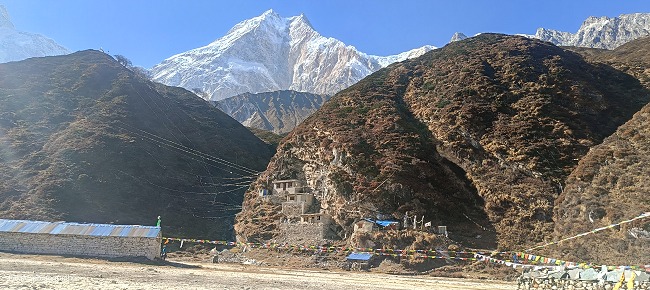
The traditional homeland of the Sherpa people lies in the high-altitude regions of the Himalayas, including the Solukhumbu district and the Khumbu Valley. Sherpa villages, nestled amidst snow-capped peaks and towering glaciers, are characterized by sturdy stone houses adorned with intricately carved wooden windows and doors. Despite the harsh climatic conditions, Sherpas have adapted to life in the mountains, relying on agriculture, yak herding, and trade for sustenance.
Why Are Sherpa People Renowned?
For Higher Mountain Climbing: Sherpas are renowned for their unparalleled expertise in high-altitude mountaineering. With generations of experience navigating the treacherous terrain of the Himalayas, Sherpas serve as indispensable guides and porters for climbers attempting to conquer the world's highest peaks.
For Trekking: Sherpas are also revered for their role in the trekking industry, guiding adventurers along the legendary trails of the Everest region and beyond. Their intimate knowledge of the mountains, combined with their warm hospitality and unwavering dedication, ensures a safe and memorable trekking experience for travelers from around the globe.
For Honesty and Loyalty: Sherpas are known for their honesty, integrity, and unwavering loyalty to their clients and fellow climbers. Their strong sense of community and camaraderie fosters a supportive environment where trust and mutual respect thrive.
In conclusion, the Sherpa people of Nepal embody the indomitable spirit of the Himalayas, serving as guardians of the world's highest peaks and ambassadors of their rich cultural heritage. With their unmatched mountaineering skills, deep-rooted spirituality, and unwavering commitment to excellence, Sherpas continue to inspire and awe adventurers seeking to conquer the heights of the Himalayas.
Contact Unique Sherpa Trek & Expedition today and take the first step toward turning your Nepal trekking dream into reality.
Conclusion
The history of the Sherpa people is a remarkable story of migration, perseverance, faith, and an enduring bond with the Himalayan mountains. From their origins in eastern Tibet to their settlement in Nepal's Khumbu region, Sherpas have built a rich cultural heritage that continues to inspire people worldwide. Their traditions, spiritual beliefs, and unmatched mountain expertise have earned them international respect and admiration. More importantly, their role as the true Friends of the Mountains reflects a lifelong commitment to protecting the Himalayas while welcoming travelers with warmth and humility. Unique Sherpa Trek & Expedition Pvt. Ltd. is proud to preserve this legacy by offering authentic trekking, climbing, and cultural experiences that honor Sherpa history, celebrate Himalayan traditions, and create unforgettable journeys for adventurers seeking to discover the heart and soul of Nepal.
The Sherpa people are more than world-famous mountain guides—they are the guardians of the Himalayas, with a rich history, vibrant culture, and deep spiritual connection to the mountains. Their courage, hospitality, and generations of mountain knowledge have made them the true "Friends of the Mountains." At Unique Sherpa Trek & Expedition Pvt. Ltd., we are proud to preserve this Sherpa heritage by offering authentic trekking and climbing experiences that allow travelers to discover the beauty, culture, and spirit of the Himalayas with experienced Sherpa guides.
.jpg)