


Most Popular Trekking Peak Climbing in Nepal

Table of Contents
Exploring Nepal’s Adventure Hub: Most Popular Trekking Peak Climbing Routes
Nepal stands at the core of Himalayan mountaineering, hosting over 1,300 identified peaks and more than 30 designated trekking peaks approved by the Nepal Mountaineering Association. Trekking peak climbing in Nepal blends high-altitude trekking, alpine terrain, and authentic mountain culture. These climbs attract climbers seeking summit success without committing to full expedition peaks. Below are the most popular trekking peak climbing destinations in Nepal, selected for accessibility, views, and climbing value.
Mera Peak Climbing

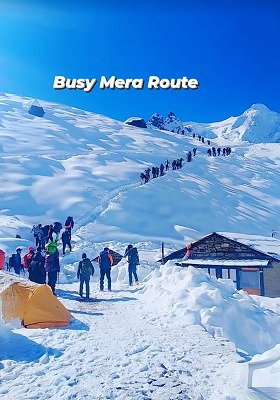
Mera Peak ranks as the highest trekking peak in Nepal. The route follows the remote Hinku Valley, one of the least crowded Himalayan corridors. Climbers gain uninterrupted views of five of the world’s 8,000-meter mountains, including Everest, Makalu, and Lhotse. The ascent emphasizes glacier travel, rope techniques, and altitude discipline, making Mera Peak a preferred objective for first-time Himalayan climbers.
Island Peak Climbing

Island Peak, officially named Imja Tse, rises from the heart of the Everest region. The climb combines the Everest Base Camp trail with a technical summit push. Fixed ropes, ice walls, and exposed ridges define the final ascent. Its proximity to Everest Base Camp makes Island Peak one of Nepal’s most climbed trekking peaks.
Lobuche Peak Climbing

Lobuche Peak lies close to the Everest Base Camp route and offers direct views of the Khumbu Glacier, Ama Dablam, and Nuptse. The climb demands strong alpine skills due to steep ice and mixed rock sections. Lobuche Peak suits climbers aiming to progress beyond entry-level trekking peaks.
Chulu West Climbing

Chulu West dominates the northern Annapurna region. The route crosses Manang Valley, a historic trade corridor linking Nepal and Tibet. Climbers face sustained snow slopes and technical ridges while enjoying views of Annapurna II, Dhaulagiri, and Manaslu. This peak fits experienced climbers seeking altitude and isolation.
Naya Khang Peak Climbing

Naya Khang Peak rises above the Langtang Valley, one of Nepal’s closest alpine regions to Kathmandu. The climb combines forest trekking, glacier crossings, and exposed summit sections. Views include Langtang Lirung and Dorje Lakpa. Its short access time makes Naya Khang attractive for climbers with limited schedules.
Pachermo Peak Climbing

Pachermo Peak sits deep within the Rolwaling Valley, a restricted and less-traveled Himalayan region. The route passes Tashi Lapcha Pass, linking Rolwaling with the Everest region. Climbers experience long glacier travel, high camps, and strong exposure. Pachermo Peak attracts serious mountaineers seeking remoteness and technical challenge.
Pisang Peak Climbing
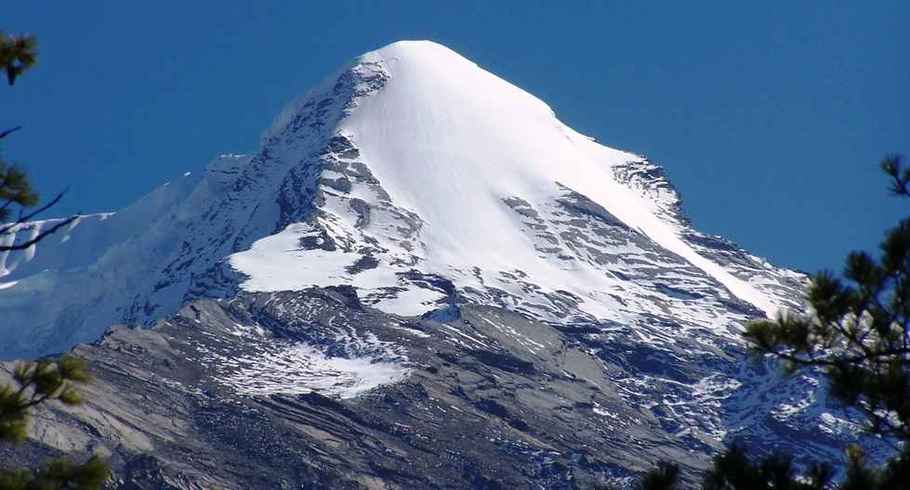
Pisang Peak rises above the Marsyangdi Valley along the Annapurna Circuit. The climb features a sharp summit ridge with sweeping views of Annapurna II, Gangapurna, and Tilicho Peak. Pisang Peak suits climbers who want a technical objective paired with classic Annapurna trekking.
Nepal’s trekking peak climbing routes deliver altitude, skill development, and Himalayan geography in one journey. These peaks serve as gateways to higher mountaineering goals while preserving strong cultural and environmental depth. Each climb offers a distinct route, region, and technical profile, reinforcing Nepal’s position as the global center for trekking peak climbing.
Contact Unique Sherpa Trek & Expedition today and take the first step toward turning your Nepal trekking dream into reality.
.jpg)