


Helambu Gosaikunda Trek Accommodation & Meals: Where You’ll Sleep, What You’ll Eat and What to Expect
Table of Contents
The Helambu Gosaikunda Trek is one of the best short treks near Kathmandu. In about a week you pass through Hyolmo and Tamang villages, cross forested ridges, and reach the sacred Gosaikunda Lake at around 4,361 m. Before you commit, you probably want to know the practical details: Where will I sleep? What will I eat? How cold will the rooms be? What does the price actually cover?
This guide answers those questions. It is based on the itinerary of Unique Sherpa Trek & Expedition’s Helambu Gosaikunda Trek.
Quick Facts: Accommodation and Meals at a Glance
| Detail | What to expect |
|---|---|
| Route | Sundarijal → Chisapani → Kutumsang → Ghopte → Gosaikunda → Sing Gompa → Dhunche |
| Duration | 9 days including arrival and departure in Kathmandu |
| Trek accommodation | Teahouses and lodges run by local families |
| Kathmandu hotel | 2 nights, bed and breakfast |
| Meals on trek | Breakfast, lunch and dinner, with tea or coffee |
| Dessert | Seasonal fresh fruit after dinner, as available |
| Highest overnight stay | Gosaikunda, 4,361 m |
| Best seasons | March to May and September to November |
| Group price | From US$1,000 to US$1,200 per person, depending on group size |
Where Will You Sleep? Night-by-Night Accommodation Guide
Kathmandu: Comfortable Start and Finish
You stay in a Kathmandu hotel before and after the trek. The package lists two nights on a bed-and-breakfast basis. This is the one place where you get a proper hotel room with a private bathroom, so enjoy a long hot shower.
On the Trail: Teahouses and Local Lodges
Accommodation on this trek is simple teahouse lodging. According to the operator, lodges are run by local families and offer clean, basic rooms with shared bathrooms. Rooms usually have two single beds with a mattress, pillow and blanket. Some villages also offer homestay-style stays, where you sleep in a family’s home.
There are six trail nights:
Night 1: Chisapani (2,165 m). Chisapani sits on a forested ridge and is known for sunrise and sunset views over the Himalayan range. After a day of walking through Shivapuri Watershed forest, lodges here are the most comfortable on the trek. Rooms are simple but the village sees plenty of visitors, so services are reliable.
Night 2: Kutumsang (2,446 m). Kutumsang is a Hyolmo village on the trail to Tharepati. Lodges are family-run and basic but welcoming. Evenings get cool, and the dining room with its stove is the place to be.
Night 3: Ghopte (3,530 m). This is where lodging becomes more basic. Ghopte has just a few small lodges at high altitude, so expect thin walls, cold rooms and limited choice. It is also the first night where you may notice the altitude.
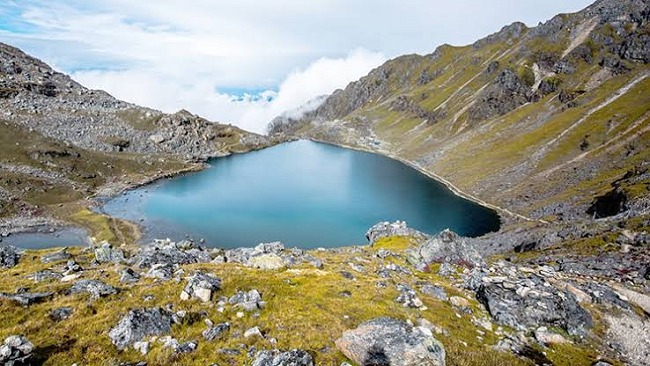
Night 4: Gosaikunda (4,361 m). This is the highest and coldest night. Lodges near the sacred lake are very basic. Expect cold bedrooms, simple shared facilities, and an early bedtime. A warm sleeping bag matters most here.
Night 5: Sing Gompa or Chandan Bari (3,250 m). After the descent from the lake, you reach a quieter, greener area known for its small monastery and a cheese factory. Lodges here are comfortable and warmer than the lake.
Night 6: Dhunche (1,960 m). Dhunche is the district headquarters of Rasuwa and a proper small town, with more services and warmer nights.
What Are the Rooms Really Like?
- Beds: Twin rooms with basic mattresses and blankets.
- Walls: Often plywood, so noise carries. Bring earplugs.
- Heating: Bedrooms are not heated. The dining room stove is the warm spot, and it is common to spend evenings there.
- Bathrooms: Shared and simple. Squat toilets are common, and some may be outside the lodge.
- Hot showers, Wi-Fi and charging: Available at some lodges for an extra fee, and listed by the operator as extras that are not included.
Tip: Bring a sleeping bag rated for freezing temperatures, even in spring and autumn. The nights at Ghopte and Gosaikunda drop well below zero for much of the year. Sleeping bags and down jackets can usually be rented in Kathmandu’s Thamel area.
What Will You Eat? Meals on the Helambu Gosaikunda Trek
The package includes three meals a day (breakfast, lunch and dinner) plus tea or coffee with meals during the trek, and seasonal fresh fruit as dessert after dinner when available. In Kathmandu, only breakfast is included, plus a farewell dinner.
Breakfast
You usually choose from:
- Porridge or oatmeal
- Tibetan bread or chapati
- Toast with jam, honey or peanut butter
- Eggs cooked your way
- Pancakes, hash browns or muesli, in some lodges
- Tea or coffee
Lunch and Dinner
Teahouse menus are similar across the Himalayas. Expect:
- Dal bhat (rice, lentil soup, vegetable curry and pickle), served with refills in most places
- Momos (steamed or fried dumplings)
- Thukpa (a hearty noodle soup common in Tibetan-influenced villages)
- Fried rice and fried noodles
- Pasta and basic pizza
- Soup and potato dishes
- Mild curries, eggs and vegetables
Local Flavors to Try
Helambu is Hyolmo country, and Langtang is Tamang territory. Ask your guide about local specialties. Common mountain foods include millet-based dishes, local honey, Tibetan butter tea, and potatoes grown in the village. Menus vary by season and by what the lodge has been able to bring up the mountain.
Dietary Needs
Vegetarian and vegan trekkers are well served, since dal bhat, vegetable noodles, vegetable momos and potato dishes are standard. Tell your guide about any allergies or restrictions at the start.
Eating at Altitude
Appetite often drops above 3,500 m. Even if you don’t feel hungry:
- Eat warm, carbohydrate-rich meals such as dal bhat or noodle soup.
- Drink plenty of fluids, including hot tea and soup.
- Carry snacks like nuts, dried fruit, chocolate and energy bars.
- Avoid heavy meat dishes at high altitude, since meat in remote lodges can be less fresh.
Drinking Water
Water from taps and streams should be treated. Bring a reusable bottle and water purification tablets or a filter. Lodges sell boiled or bottled water at higher prices as you gain altitude. Treating your own water is cheaper and reduces plastic waste in a national park.
What’s Included and What Costs Extra
Included in the package
- Airport transfers in Kathmandu
- 2 nights’ hotel accommodation in Kathmandu with breakfast
- Private transport to and from the trek start and end points
- Three meals a day during the trek, with tea or coffee
- Seasonal fruit dessert after dinner
- Experienced licensed guide, with an assistant guide and porters depending on group size
- Langtang National Park permit and TIMS card
- Waterproof duffel bag
- Basic first-aid kit
- Farewell dinner in Kathmandu
Not included (budget for these)
- Nepal visa fee
- Travel insurance, including helicopter evacuation
- Lunch and dinner in Kathmandu
- Hot showers, Wi-Fi and device charging
- Bottled drinks, alcohol and snacks
- Personal gear
- Tips for guides, porters and drivers
- Extra costs caused by delays, landslides or weather
Pricing note: The trip page lists group-size pricing of US$1,200 for 1 to 2 people, US$1,150 for 3 to 10, and US$1,000 for 11 to 20, with a headline price of US$1,080. Check the page for the current price.
Seasonal Differences in Food and Lodging
- Spring (March to May): Rhododendrons are in bloom and the weather is mild. Lodges are open and fully stocked.
- Autumn (September to November): The best season for clear mountain views and the busiest one for lodges. Fixed departures are listed for November and December 2026, so you can still plan a late-season trek.
- Winter (December to February): Possible, but cold. Some higher lodges may close or run with limited supplies, and the lake can freeze.
- Monsoon (June to August): Wet and slippery, and best avoided, though Gosaikunda draws large crowds of pilgrims during the Janai Purnima festival in August, when lodges can be very full.
Packing for Lodge Life
- Warm sleeping bag (or rent one)
- Insulated down jacket
- Thermal base layers for sleeping
- Earplugs and a headlamp
- Warm hat, gloves and a buff
- Camp shoes or sandals for the lodge
- Toilet paper, hand sanitizer and wet wipes
- Water bottle and purification tablets
- Power bank, since charging may cost extra
- Small Nepali rupee notes for drinks, showers and tips
Tips for Comfortable Lodging and Eating
- Book through an agency in peak season. Your guide arranges rooms ahead, which helps when lodges fill up, especially around Gosaikunda.
- Order dinner early. Lodges cook everything fresh, and food can take time when it’s busy.
- Order the same meal as others when lodges are full, as this speeds up the kitchen.
- Eat vegetarian at altitude. It is generally fresher and easier to digest.
- Carry cash. There are no ATMs on the trail.
- Respect lodge etiquette. Keep quiet at night, take your rubbish with you where possible, and don’t waste water.
- Tip fairly. Leaving a small tip for your hosts and kitchen staff is appreciated.
Frequently Asked Questions
Are there hotels or luxury lodges on the trek?
No. Away from Kathmandu, lodging is teahouse-style. Rooms are clean but basic, and shared bathrooms are standard.
Is the food safe?
Freshly cooked, hot meals such as dal bhat and soups are the safest choice.
How cold are the lodges at Gosaikunda?
Very cold at night. Bedrooms aren’t heated, so bring a proper sleeping bag and warm layers.
Can vegetarians and vegans trek here?
Yes. Vegetarian and vegan food is widely available.
Is Wi-Fi available?
At some lodges, usually for a fee. Don’t rely on it, especially at higher altitude.
Do I need to carry my own food?
Meals are covered by the package, but carry snacks for energy between meals.
Is the trek suitable for beginners?
The operator describes it as moderate. The trail is non-technical, but the climb to Gosaikunda needs reasonable fitness and good acclimatization.
Do I need permits?
Yes: a Langtang National Park permit and a TIMS card. These are included in the package. For current rules, read the operator’s guides to trekking permit fees in Nepal and Nepal trekking permits and visas for 2026.
Book Your Helambu Gosaikunda Trek
A well-planned trek takes the stress out of finding rooms and meals. With a licensed local team handling permits, transport, lodging and food, you can focus on the views and the villages.
👉 See the full itinerary, price and dates: Helambu Gosaikunda Trek
You can book directly, contact the team, or message them on WhatsApp. Before you travel, it is also worth checking the operator’s Nepal travel update for 2026.
Explore More Langtang Region Treks
- Gosaikunda Lake Trek: a shorter route to the sacred lake
- Langtang Valley Trek: glaciers and Kyanjin Gompa
- Tamang Heritage Trek: village culture near the Tibetan border
- Ganja-La Pass Trek: a high-pass adventure
- Langtang Gosaikunda Heli Tour: the region from the air
- Trekking guide and porter hire
- More trekking tips on the Unique Sherpa blog
Final Thoughts
On the Helambu Gosaikunda Trek, you sleep in family-run lodges, eat freshly cooked Nepali food, and spend your evenings by a warm stove. Rooms get simpler and colder as you climb, but the welcome stays warm and the lake is worth it.
Ready to go? Start your booking here.

.jpg)