


Lobuche East Peak Climbing Difficulty: Technical Skills, Training and Summit Preparation
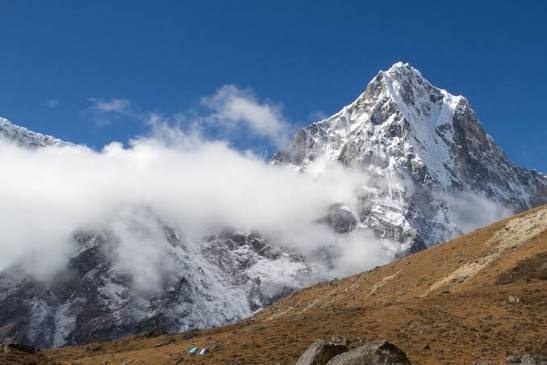
Table of Contents
Standing at 6,119 metres (20,075 ft) above the Khumbu Glacier, Lobuche East is one of Nepal's most rewarding trekking peaks, and one of the most misunderstood. Some climbers call it "just a big trek." Others turn back on summit day, exhausted, short of breath and out of their depth on a steep ice slope.
The truth sits in between. Lobuche East is a genuine mountaineering objective. It is not an 8,000-metre expedition, but it is also not a walk-up. It demands solid fitness, basic technical skills and sensible acclimatization.
This guide breaks down exactly how hard Lobuche East is, which technical skills you need, how to train, and how to prepare for summit day, so you arrive in Nepal ready, not hopeful. If you are ready to plan, see the full itinerary and dates for Lobuche Peak Climbing with Unique Sherpa Trek & Expedition.
How Difficult Is Lobuche East? The Short Answer
Lobuche East is a challenging, technical trekking peak. Unique Sherpa Trek grades it Challenge/Adventure, and that is accurate. Three things make it hard:
- Altitude. The summit is above 6,000 m, where there is roughly half the oxygen available at sea level.
- Technical terrain. Expect rocky scrambling, steep snow and ice on fixed ropes, and an exposed summit ridge.
- A long summit day. The itinerary allows 8 to 10 hours for the summit push and descent, starting in the early morning.
Most people with good fitness, a willingness to learn and a well-organised team can succeed. The ones who struggle are usually under-trained, under-acclimatized or surprised by the technical sections.
A note on the numbers: Lobuche East is commonly measured at 6,119 m, and that is the figure used throughout this guide. Some published sources and itineraries (including parts of the trip page) quote a summit near 6,090 m or as high as 6,410 m. Ask your guide which figure they use and treat all of them as "just over 6,000 m" for planning.
Lobuche East vs Other Trekking Peaks: Where It Sits
| Peak | Height | Technical level | Typical verdict |
|---|---|---|---|
| Mera Peak | 6,476 m | Low, mostly glacier walking | Highest, but least technical |
| Lobuche East | 6,119 m | Moderate to high; steep snow/ice, rock, exposed ridge | A real step into mountaineering |
| Island Peak (Imja Tse) | 6,189 m | Moderate to high; headwall on fixed ropes | Similar level, with a famous steep headwall |
If you are comparing options, see Mera Peak Climbing for a less technical high-altitude objective and Island Peak Climbing for a close technical cousin. Many climbers choose Lobuche East as a stepping stone before bigger peaks, and the trip page itself describes it as a strong preparation climb for higher expeditions.
The Four Parts of the Climb (and How Hard Each One Is)
1. The approach trek: demanding but straightforward
You follow the classic Everest Base Camp trail through Phakding, Namche Bazaar, Tengboche, Dingboche and Lobuche. This part is a long, steady trek with acclimatization days built in at Namche (3,440 m) and Dingboche (4,440 m). It is physically tiring but not technical. If you want to experience it on its own, see the Everest Base Camp Trek.
2. Base Camp to High Camp: rocky moraine
From Lobuche Base Camp (5,260 m on the itinerary) the route climbs through loose rocky moraine to High Camp (5,680 m). It is a short walk of 2 to 3 hours, but at this altitude every step is slow and sleep is light.
3. Summit day: the real test
This is where the difficulty concentrates. Climbers start in the early morning hours, in the dark and the cold, and work through:
- Rocky scrambling in the lower section
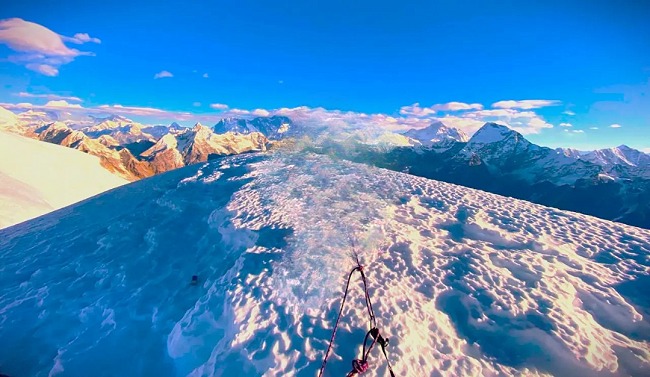
- Steep snow and ice slopes, climbed with crampons and often on fixed ropes
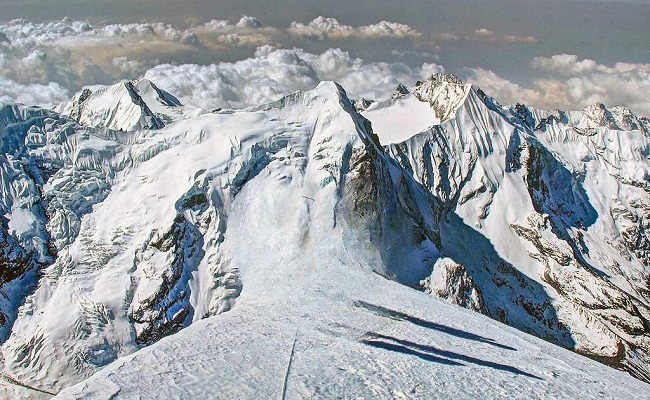
- An exposed summit ridge that requires focus and a steady head
- A long descent back to camp (and on to Lobuche, in the Unique Sherpa itinerary), when tiredness causes most mistakes
Plan for 8 to 10 hours on the move.
4. Descent: where the margin for error is smallest
Many accidents on trekking peaks happen on the way down, when concentration fades. The itinerary then drops you back toward Namche and Lukla in the following days, which is long but helps you recover quickly as the air thickens.
Technical Skills You Need for Lobuche East
You do not need to be an expert climber. You do need to be comfortable with the basics before summit day. Unique Sherpa Trek's package includes professional instruction, and the itinerary offers pre-climb training at Nagarjun Hill on day 2, plus coaching at Base Camp. Even so, arriving with some practice makes everything smoother.
| Skill | Why it matters |
|---|---|
| Walking in crampons | Wide stance, deliberate foot placement; lets you move safely on ice |
| Using an ice axe | For balance, support and self-arrest on snow slopes |
| Ascending fixed ropes with a jumar | The main method on steeper sections; learn to clip and unclip smoothly |
| Abseiling / rappelling | Used to descend steeper sections quickly and safely |
| Harness and carabiner handling | Prevents clipping errors that cause real danger |
| Basic glacier awareness | Knowing why you stay roped and on the guide's line |
| Moving on exposed terrain | Calm movement along a narrow ridge |
Tip: If you have never worn crampons, book a day on a local glacier, an indoor climbing wall, or a short mountaineering skills course before you travel. Even a few hours will build confidence.
Fitness and Training Plan for Lobuche East
A realistic goal is 12 to 16 weeks of structured training. The point is endurance, not speed.
What to train
- Aerobic endurance: hiking, running, cycling or swimming, building to 4 to 6 hours of continuous effort
- Leg and core strength: squats, lunges, step-ups, planks
- Back-to-back days: long hikes on consecutive days to mimic trek fatigue
- Loaded carries: walking with a 8 to 10 kg daypack, since you carry your summit-day kit
- Stair and hill work: the best way to prepare for repeated climbing and descending
Sample 12-week build
| Weeks | Focus | Example week |
|---|---|---|
| 1 to 4 | Base fitness | 3 cardio sessions (45 to 60 min), 2 strength sessions, one 2 to 3 hour hike |
| 5 to 8 | Endurance and strength | 3 cardio sessions (60 to 90 min), 2 strength sessions, weekend hikes of 4 to 5 hours with a weighted pack |
| 9 to 11 | Peak training | Back-to-back long hikes (5 to 6 hours each day), hill repeats, practice with your boots and pack |
| 12 | Taper | Reduce volume, rest, finalise gear and travel documents |
Always speak to your doctor before starting a demanding programme, particularly if you have any heart, lung or other medical conditions, and before travelling to altitude.
Acclimatization: The Skill You Can't Train
Fitness helps, but altitude affects everyone differently, and strong athletes still get sick. The itinerary builds in acclimatization to give your body time to adapt:
- Namche Bazaar (3,440 m): a full rest day with a hike above the village (to around 3,880 m) before returning
- Dingboche (4,440 m): a second acclimatization day with a hike to Nangkartshang Peak (4,980 m)
- Gradual ascent to Lobuche, Base Camp (5,260 m) and High Camp (5,680 m)
Follow these rules:
- Climb high, sleep low whenever possible.
- Drink plenty of water and eat even when you have no appetite.
- Report headaches, nausea or breathlessness early to your guide.
- Never push through worsening altitude sickness. Descent is the treatment.
- Use altitude medication only on the advice of a qualified medical professional.
A good guide will also adjust the plan if the weather, conditions or your health call for it. The summit is optional; getting home safely is not.
Summit Day Preparation: What to Expect and How to Get Ready
The night before
- Check boots, crampons, harness, helmet, gloves and headlamp, and pack your summit bag.
- Eat a solid dinner and drink fluids, even if it is cold and you are not hungry.
- Sleep with your boot liners, water bottles and electronics inside your sleeping bag to keep them from freezing.
Summit morning
- Start early, in the dark, with a headlamp and spare batteries.
- Keep a steady, slow pace and use the rest-step: pause with each step on steep ground.
- Eat small snacks and sip warm drinks often, and don't wait until you feel hungry.
- Keep fingers and toes warm; ask to stop if you lose feeling.
On the summit
- Take photos quickly. The final ridge is exposed and the wind is cold.
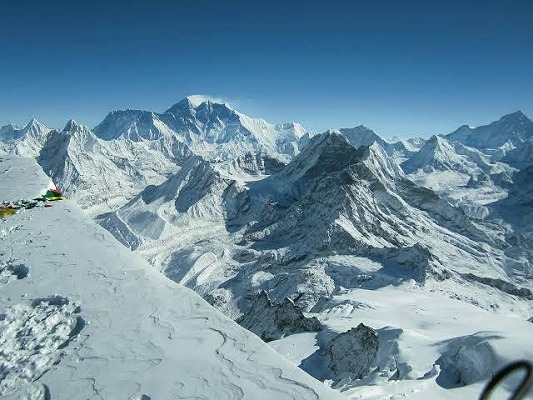
- Expect views toward Everest, Lhotse, Nuptse, Pumori, Ama Dablam and Makalu in clear weather.
The descent
- Stay focused. Tiredness is the biggest risk on the way down.
- Clip carefully on fixed ropes and don't rush the abseils.
Essential Gear Checklist
The trip page lists these as core items for the climb:
- Mountaineering boots (crampon-compatible, warm, well broken in)
- 10 to 12 point crampons, tested with your boots
- Ice axe, harness, helmet
- Ascender (jumar), descender, locking and non-locking carabiners, slings and prusik loops
- Four-season sleeping bag and an insulated sleeping mat
- Layers: thermal base layer, fleece, down jacket, waterproof shell, insulated and shell trousers
- Warm gloves or mittens, balaclava, buff
- Glacier sunglasses and snow goggles, high-SPF sunscreen and lip balm
- Headlamp with spare batteries, power bank, water bottles and an insulated flask
What the package covers: According to the trip page, the cost includes technical equipment support such as climbing ropes, a licensed climbing guide, an assistant guide and porters, all permits and Base Camp and High Camp support. Personal climbing gear (boots, crampons, ice axe, harness, helmet and similar) is listed as an exclusion, so confirm what you can rent in Kathmandu and what you must bring.
Best Time to Climb Lobuche East
The two main seasons are spring (March to May) and autumn (September to November), with stable weather and clear skies. Autumn offers crisp, clear mountain views. Spring is slightly warmer and has rhododendron blooms on the lower trail. Winter is possible but very cold, and the monsoon is best avoided. The trip page also lists departures from October into February, so confirm conditions with your guide when you pick a date.
Why Climb Lobuche East with Unique Sherpa Trek & Expedition?
On the Lobuche Peak Climbing trip page, Unique Sherpa Trek lists a package built around safety and progression: a licensed climbing guide, assistant guides and porters, all peak and national park permits, technical equipment support, professional instruction on crampons, ice axe and ropes, Base Camp and High Camp support, and three meals a day on the mountain. The group-size pricing at the time of writing is US$2,200 for 1 to 2 people, US$2,150 for 3 to 10, and US$1,950 for 11 to 20. Check the page for current rates and fixed departure dates.
Planning permits and costs? Read the guides on peak climbing permit fees in Nepal and Nepal trekking permits and visa 2026.
Related FAQs About Lobuche East Climbing Difficulty (Detailed)
1. How difficult is Lobuche East Peak climbing?
It is a challenging, technical trekking peak. The altitude (over 6,000 m), steep snow and ice on fixed ropes, an exposed summit ridge and an 8 to 10 hour summit day make it harder than a typical high-altitude trek. It is achievable with good fitness, basic technical instruction and a proper acclimatization schedule, but it should not be underestimated.
2. Do I need technical climbing experience for Lobuche East?
You do not need to be an expert, but prior high-altitude trekking and some basic mountaineering experience help a great deal. You should be comfortable wearing crampons, using an ice axe and moving on fixed ropes. The Unique Sherpa Trek package includes professional instruction and offers training sessions in Kathmandu and at Base Camp, but arriving with some practice is strongly recommended.
3. Can a beginner climb Lobuche East?
A fit beginner with strong motivation and a willingness to learn can attempt it under experienced guides, as the trip's own FAQ notes. However, the climb is best suited to people who have already completed a high-altitude trek such as Everest Base Camp. If you are brand new to altitude and technical gear, consider a gentler objective first or add extra training time before you go.
4. How fit do I need to be, and how long should I train?
Aim for 12 to 16 weeks of training that builds endurance, leg strength and core stability. You should be able to hike 5 to 6 hours with a weighted pack on consecutive days. Fitness will not guarantee you avoid altitude sickness, but it reduces fatigue and helps you recover each night. Consult your doctor before you begin.
5. How does Lobuche East compare with Island Peak?
They are at a similar level. Island Peak (6,189 m) is famous for its steep headwall on fixed ropes. Lobuche East (6,119 m) involves rocky scrambling, steep snow and ice, and an exposed summit ridge. Many climbers find them equally challenging in different ways. Both are good preparation for bigger peaks, and some choose to climb them back to back.
6. How long is summit day on Lobuche East?
Plan on 8 to 10 hours of movement on the itinerary, starting in the early morning hours from High Camp, climbing to the summit, then descending to camp and onward. The timing depends on conditions, your pace and the group. Your guide may turn the team around if the weather or snow conditions become unsafe.
7. What is the risk of altitude sickness, and how can I reduce it?
Altitude sickness is a real risk above 3,000 m, and the summit is over 6,000 m. The best protection is a gradual ascent, rest days at Namche and Dingboche, drinking plenty of water, eating well, sleeping lower than your highest point and reporting symptoms early. If symptoms worsen, descending is the only reliable treatment. Never ignore a worsening headache, vomiting or loss of balance.
8. When is the best time to climb Lobuche East?
March to May (spring) and September to November (autumn) are the main windows, with stable weather and good visibility. The trip page lists departures through winter too, but nights are much colder and the conditions are harsher, so winter suits only well-prepared climbers.
9. What gear do I need, and what is provided?
You will need crampon-compatible mountaineering boots, crampons, an ice axe, harness, helmet, jumar, descender, carabiners, slings, prusik loops, a four-season sleeping bag and warm layers. According to the trip page, the package covers technical equipment support (such as climbing ropes), guides, permits and camp services, while personal climbing gear is excluded. Confirm what can be rented in Kathmandu before you fly.
10. How much does the Lobuche Peak climb cost, and what does it include?
At the time of writing, the Unique Sherpa Trek package is US$2,200 per person for 1 to 2 climbers, US$2,150 for 3 to 10 and US$1,950 for 11 to 20. It includes airport transfers, hotel nights in Kathmandu with breakfast, the Kathmandu to Lukla flights, three meals a day on the trek and climb, a licensed climbing guide, an assistant guide and porters, permits and national park fees, technical equipment support, and Base Camp and High Camp services. Travel insurance (including helicopter evacuation), personal gear, tips, visa fees and extras are not included. Check the trip page for current prices.
Final Thoughts: Is Lobuche East Right for You?
Lobuche East rewards preparation. If you build a solid training base, learn the basic technical skills, respect acclimatization and climb with a capable team, you will have a very good chance of standing on a summit that looks across the roof of the world.
Don't treat it as a trek with a bit of snow on top. Treat it as your first real Himalayan mountaineering test, and prepare for it that way.
Ready to take the next step? Explore the Lobuche Peak Climbing itinerary, dates and pricing, or contact Unique Sherpa Trek & Expedition to plan your climb.
.jpg)