


Do I Need Previous Trekking Experience for the Mardi Himal Trek?
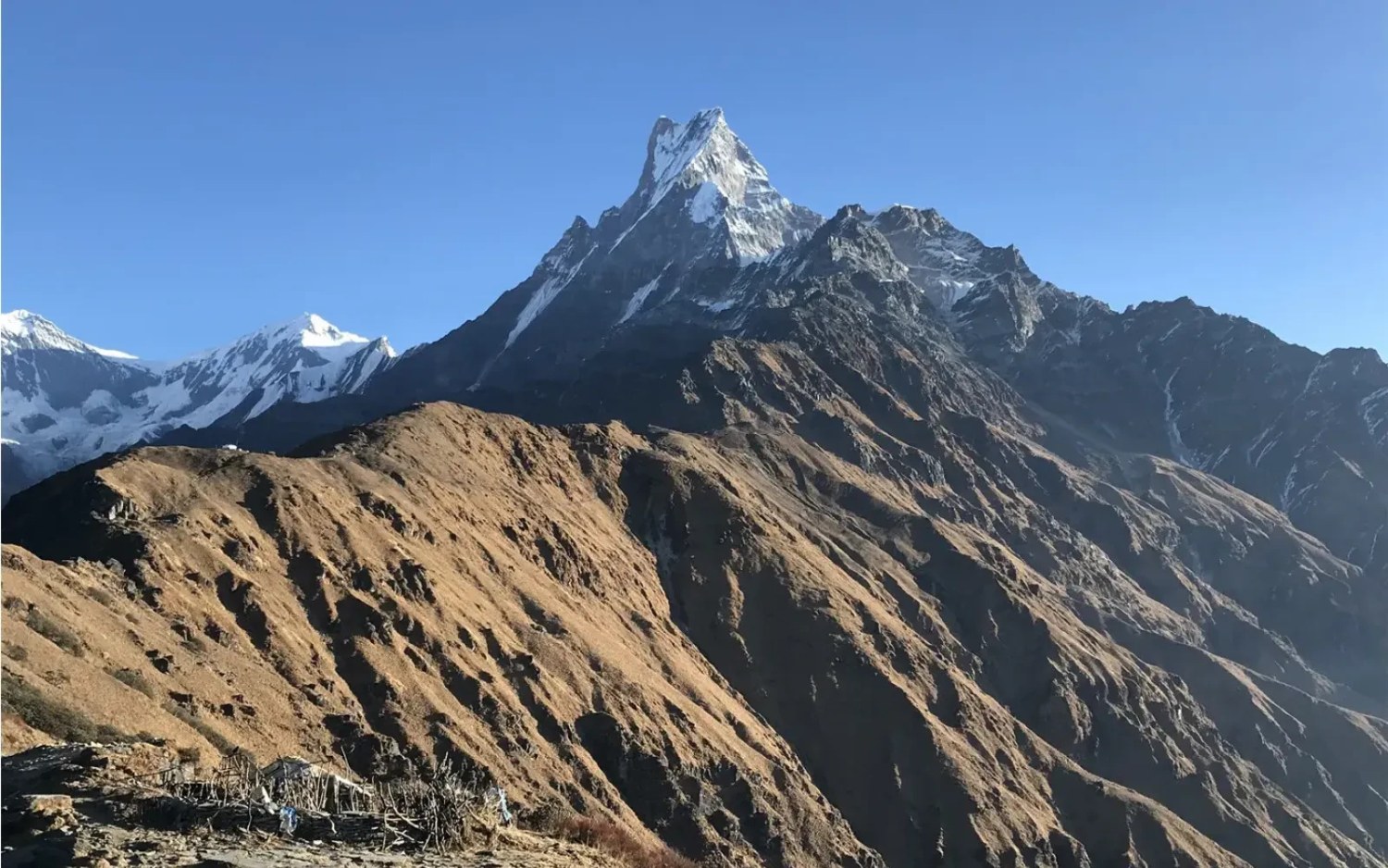
Table of Contents
The Short Answer
No, you do not need previous trekking experience to do the Mardi Himal Trek. It is one of the most beginner-friendly Himalayan treks in the Annapurna region: the trail is non-technical, teahouses are available every night, and you walk with a licensed guide. Unique Sherpa Trek & Expedition describes it as suitable for first-time trekkers, families and experienced hikers alike.
But “no experience needed” does not mean “no preparation needed.” The trek climbs to about 4,515 m at Mardi Himal Base Camp, includes steep forest stairs and a ridge walk, and has one long day on the trail that tests even fit beginners. If you are healthy, walk regularly and train for 6 to 8 weeks, you can do it. If you rarely exercise, this is not the trek to attempt cold.
What Experience Level Do You Actually Need?
| Your background | Can you do Mardi Himal? | What to do |
|---|---|---|
| Never trekked, but active (walk, cycle, gym) | Yes | Train 6 to 8 weeks, use a guide, go in spring or autumn |
| Never trekked, mostly inactive | Possible, but risky | Start training 10 to 12 weeks ahead, or try an easier route first |
| Some day hikes | Yes, comfortably | Add back-to-back long hikes before you go |
| Previous multi-day trek | Yes | Focus on altitude pacing and cold-weather gear |
| Experienced high-altitude trekker | Yes, easily | Consider adding extra days or a longer route |
| Serious heart, lung or blood pressure conditions | See your doctor first | Get medical clearance and consider a lower trek |
Mardi Himal Trek at a Glance
| Detail | Information |
|---|---|
| Region | Annapurna Conservation Area |
| Duration | Page headline: 6 days. Full itinerary: 10 days (Kathmandu to Kathmandu) |
| Highest point | Mardi Himal Base Camp, about 4,515 m |
| Highest overnight | High Camp, about 3,584 m |
| Daily walking | About 3 to 7 hours |
| Grade | Moderate to adventurous |
| Technical skills | None required |
| Accommodation | Teahouses and lodges; a homestay at Siding |
| Best seasons | March to May and September to November |
| Price | From US$580 per person; group pricing applies |
Why Mardi Himal Works for First-Timers
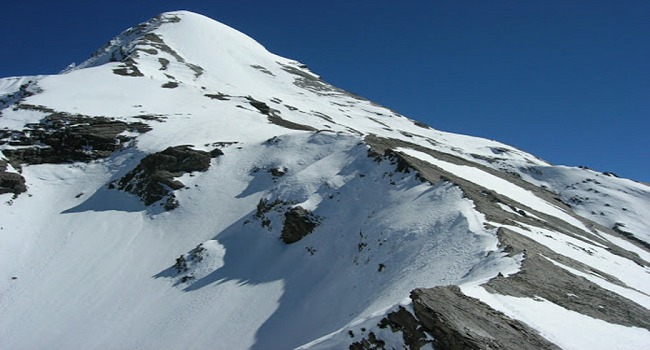
- No technical climbing. The trail is a well-marked footpath through forest and along a grassy ridge.
- Short and flexible. Most itineraries take 5 to 10 days, so you do not need weeks off work.
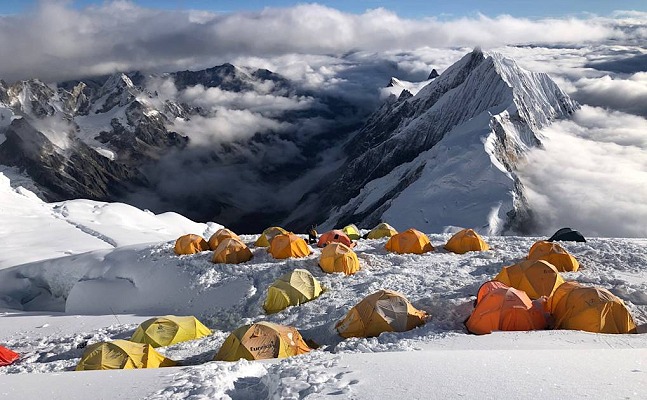
- Teahouse comfort. You sleep in lodges with hot meals, with no camping gear to carry.
- A gradual climb. You gain altitude over several days, which gives your body time to adjust.
- Quieter than Annapurna Base Camp or Poon Hill. The page notes it is less crowded than popular routes, so you can walk at your own pace.
- Guide and porter support. A licensed guide handles navigation, lodging and safety, and the package includes assistant guides and porters according to group size.
- Easy access. The route starts near Pokhara and finishes with a jeep ride back, so there are no mountain flights to worry about.
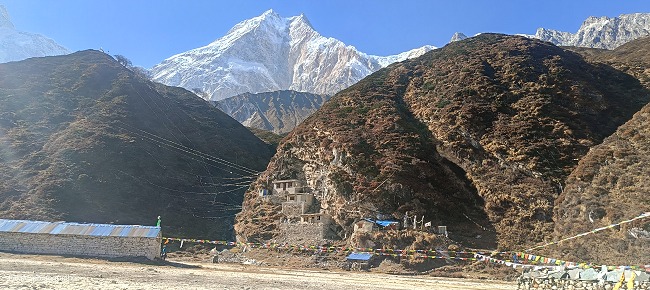
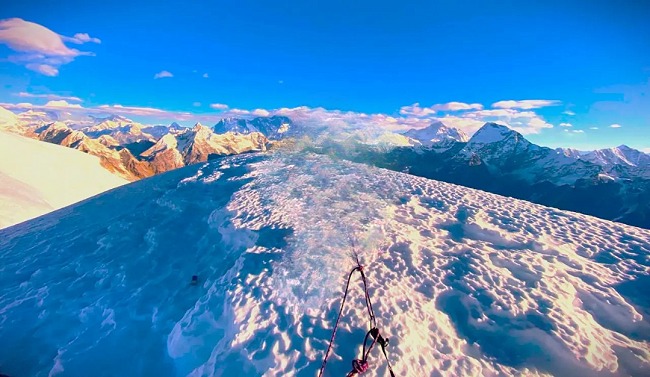
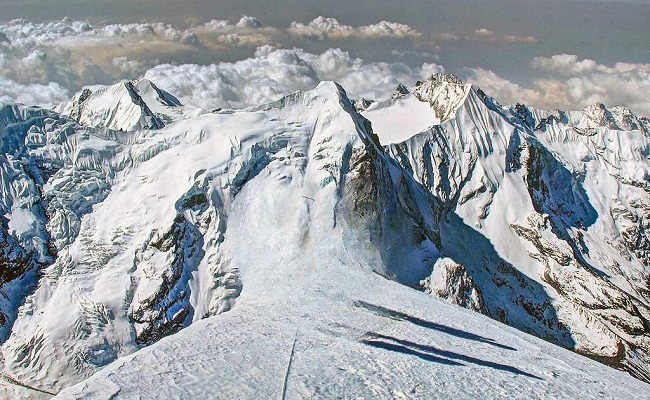
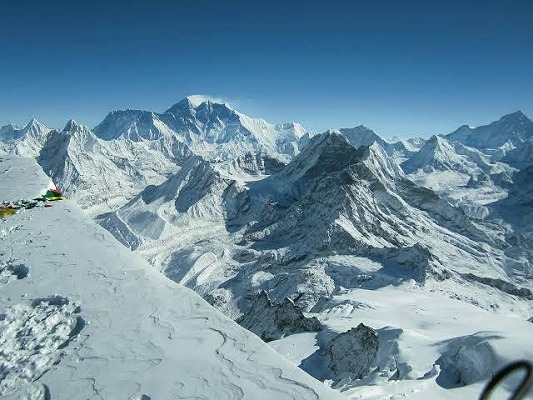
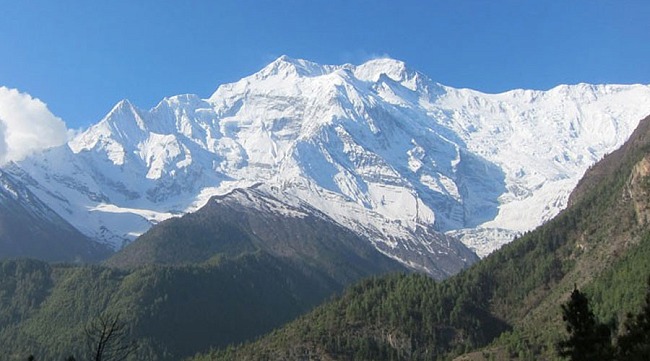
- Spectacular reward. Machhapuchhre (Fishtail), Annapurna South, Hiunchuli and Annapurna I appear close up from High Camp and the base camp viewpoint.
Where Beginners Struggle
| Challenge | Why it matters | How to handle it |
|---|---|---|
| Steep forest stairs and climbs | The route from Deurali to Low Camp and High Camp climbs for hours | Walk slowly, rest often, use trekking poles |
| The base camp day | Day 6 climbs about 930 m from High Camp to the base camp, then returns, the longest day of the trek (6 to 7 hours on the page) | Start early, carry water and snacks, turn back if you feel unwell |
| Altitude | Above 3,000 m, altitude sickness can affect fit beginners too | Drink plenty of water, avoid alcohol, tell your guide early |
| Cold at High Camp | Nights are very cold, and wind can be strong | Bring a warm sleeping bag, down jacket and thermals |
| Basic lodges | Simple rooms, shared bathrooms, limited charging and hot water | Bring wet wipes, a power bank and earplugs |
| Weather | Clouds can hide the mountains, and rain makes trails slippery | Choose spring or autumn, stay flexible |
| Long descents | The route back to Siding is hard on the knees | Use trekking poles and break in your boots |
Day-by-Day Difficulty for a First-Timer
The page’s detailed itinerary runs for 10 days, starting and ending in Kathmandu with a Pokhara base.
| Day | Route | Walking time | Overnight altitude | Beginner effort |
|---|---|---|---|---|
| 1 | Arrive Kathmandu | None | 1,340 m | Very easy |
| 2 | Fly or drive to Pokhara | 25 min flight or 6 to 7 hr drive | 960 m | Easy |
| 3 | Drive to Kade, trek to Deurali via Australian Camp and Pothana | 3 to 4 hrs (6 to 8 km) | 2,200 m | Easy to moderate |
| 4 | Deurali to Low Camp via Forest Camp | 5 to 6 hrs (7 to 8 km) | 2,900 m | Moderate to hard |
| 5 | Low Camp to High Camp | 4 to 5 hrs (5 to 6 km) | 3,584 m | Moderate to hard |
| 6 | High Camp to Mardi Himal Base Camp (4,515 m), then back down | 6 to 7 hrs (8 to 10 km) | Return to Low Camp, 2,900 m | Hardest day |
| 7 | Low Camp to Siding | 5 to 6 hrs (10 to 12 km) | 1,790 m | Moderate (long descent) |
| 8 | Siding to Lumre, jeep to Pokhara | About 6 to 8 km | 960 m | Easy |
| 9 | Fly or drive to Kathmandu | 25 min flight or 6 to 7 hr drive | 1,340 m | Easy |
| 10 | Final departure | None | Very easy |
The page describes the Day 6 plan as leaving High Camp for the base camp and returning to Low Camp the same day. Ask your guide how they pace this day and whether they recommend staying a second night at High Camp instead.
What About Altitude?
Beginners often worry about altitude, and it is the right thing to respect. The highest sleeping point is High Camp at about 3,584 m, which is much lower than on Everest or Manaslu routes, and the base camp is a day trip. That makes Mardi Himal a good first altitude experience. But there are two points to know:
- Days 4 and 5 each gain roughly 700 m of sleeping altitude. That is a little above the common guideline of about 500 m a day above 3,000 m, so walk slowly and listen to your body.
- Day 6 climbs about 930 m in a day before you descend, so conditions and your health that morning matter.
Simple rules:
- Walk slowly. “Bistarai, bistarai” means “slowly, slowly.”
- Drink 3 to 4 liters of water a day.
- Eat regular, carbohydrate-rich meals such as dal bhat.
- Avoid alcohol and sleeping pills.
- Tell your guide early about headache, nausea or dizziness.
- Ask your doctor about altitude medication before you go.
- If symptoms worsen, descend. That is the cure.
How to Prepare If You Have Never Trekked
A 6 to 8 Week Training Plan
| Weeks | Goal | Weekly plan |
|---|---|---|
| 1 to 2 | Build a base | Brisk walking, cycling or swimming 3 times a week for 30 to 45 minutes |
| 3 to 4 | Add hills and stairs | Hill walks or stair climbing 3 times a week for 45 to 60 minutes; one longer weekend walk |
| 5 to 6 | Add weight and distance | Hike with a 5 to 6 kg daypack for 3 to 4 hours |
| 7 to 8 | Simulate the trek | Back-to-back hikes of 4 to 6 hours in your trekking boots |
Include leg and core strength (squats, lunges, step-ups), downhill practice for the descent to Siding and boot break-in to prevent blisters.
A First-Timer’s Checklist
- Medical check-up, especially if you have a health condition
- Broken-in waterproof trekking boots
- Layered clothing: thermal base layer, fleece, down jacket, waterproof shell
- Warm sleeping bag and sleeping bag liner
- Trekking poles
- Headlamp with spare batteries
- Water bottles and purification tablets
- Sunscreen SPF 50+ and sunglasses
- First-aid kit and personal medication
- Travel insurance that covers trekking and emergency evacuation
- Power bank and cash in Nepalese rupees
The page’s equipment list is detailed and covers 60-plus items, so use it as a reference. Keep your pack light, because a lighter bag makes every uphill easier.
Do You Need a Guide?
The trip page says a guide is not mandatory for the Mardi Himal Trek, but that taking one makes the trip better and more secure. Rules for independent trekking in Nepal have changed in recent years, so confirm the current regulations before you go. Either way, we recommend a guide for first-timers.
What a guide does:
- Navigates the forest and ridge trails, where paths can be confusing in cloud
- Books lodges and handles permits
- Sets a safe pace and watches for altitude symptoms
- Carries a first-aid kit and arranges evacuation if needed
- Shares local Gurung culture and mountain knowledge
The package includes a licensed guide, an assistant guide and porters according to group size, with wages and insurance covered. You can also read about guide and porter hire if you want to arrange only these services.
Permits
Trekkers need the Annapurna Conservation Area Permit (ACAP), and the page also lists the TIMS card where applicable. Permit rules in Nepal change from time to time, so ask the team to confirm what is arranged for your dates. For current fees, see our guides to trekking permit fees in Nepal and Nepal trekking permits and visa 2026. Permits are included in the Unique Sherpa package.
Best Season for First-Timers
| Season | Months | What to expect |
|---|---|---|
| Spring | March to May | Rhododendron forests in bloom, warm days, good views |
| Autumn | September to November | Crystal-clear skies, stable weather, the best mountain views |
| Winter | December to February | Very cold at High Camp, snow possible; microspikes and gaiters may help |
| Monsoon | June to August | Rain, leeches and cloud, so views are poor |
Both spring and autumn suit beginners. Unique Sherpa lists fixed departures through October, November and December 2026, so check availability on the trip page.
Cost and What Is Included
Listed price: From US$580 per person, with group pricing of US$700 for 1 to 2 people, US$650 for 3 to 10 and US$550 for 11 to 20.
Included (per the trip page): airport pickup and drop-off, 2 nights in a Kathmandu hotel with breakfast, Kathmandu to Pokhara and return transport, private transfers to and from the trail, a waterproof duffel bag, three meals a day on trek, tea and coffee with meals, seasonal fruit after dinner, a licensed guide, assistant guide and porters according to group size, ACAP and trekking permits, staff wages and insurance, a first-aid kit, a farewell dinner and a completion certificate.
Not included: international flights, Nepal visa, travel insurance with evacuation cover, Kathmandu lunches and dinners, drinks, snacks, hot showers, charging, Wi-Fi, laundry, tips and extra nights caused by delays.
When Another Trek Might Be a Better First Step
| If you want... | Consider |
|---|---|
| The easiest introduction | Ghorepani Poon Hill Trek |
| A short Himalayan base camp trek | Annapurna Base Camp Trek |
| A quiet, remote valley close to Kathmandu | Langtang Valley Trek |
| More solitude in the Annapurna region | Khopra Danda Trek |
| A bigger challenge later | Everest Base Camp Trek or Annapurna Circuit Trek |
Browse the full list on the Annapurna region page and the trekking in Nepal page. Before any trip, it is worth reading our Nepal travel update for 2026 for current conditions.
Mardi Himal Trek Experience: FAQs
1. Do I need previous trekking experience for the Mardi Himal Trek?
No. The trail is non-technical, teahouses are available every night and a licensed guide leads the way, so first-time trekkers can complete it. What you do need is reasonable fitness: you should be able to walk 4 to 6 hours a day on hilly ground and climb stairs without being exhausted. Train for 6 to 8 weeks beforehand and go in spring or autumn.
2. Is the Mardi Himal Trek suitable for complete beginners?
Yes, for beginners who are healthy and prepared. Unique Sherpa Trek & Expedition describes it as suitable for first-time trekkers, families, photographers and experienced hikers. It is graded moderate to adventurous, so it is more demanding than a very easy trek like Poon Hill, but it is far less intense than higher routes. If you are not yet active, start with a gentler trek or give yourself extra training time.
3. How difficult is the Mardi Himal Trek?
It is moderately challenging. The trail is well marked, and there are no technical sections, but there are steep forest climbs, a ridge walk and a long day to the base camp. Daily walking runs from about 3 to 7 hours. The hardest day is the push from High Camp to Mardi Himal Base Camp (about 4,515 m) and back down, which takes 6 to 7 hours on the page.
4. How fit do I need to be?
You should be able to walk 4 to 6 hours a day for several days, climb stairs or slopes for 45 to 60 minutes without exhaustion and carry a light daypack. Good cardiovascular fitness and leg strength matter more than speed. Check with your doctor first if you have any heart, lung, blood pressure or joint concerns.
5. Is altitude sickness a risk on Mardi Himal?
It is possible. The highest sleeping point is High Camp at about 3,584 m, and the base camp (about 4,515 m) is a day trip, so the risk is lower than on higher treks, but fit beginners can still be affected. Days 4 and 5 each gain about 700 m of sleeping altitude, so walk slowly, drink 3 to 4 liters of water, avoid alcohol and tell your guide about any headache, nausea or dizziness. Descend if symptoms worsen.
6. Do I need a guide or porter?
The trip page says a guide is not mandatory but makes the trek better and more secure, and rules for independent trekking have changed in recent years, so confirm current regulations. For first-timers, we recommend a guide, because paths can be hard to follow in cloud, and a guide monitors your health. Porters are included according to group size, so you only need a light daypack. See guide and porter hire.
7. How should I train for the Mardi Himal Trek?
Train for 6 to 8 weeks with brisk walking, cycling or swimming, hill walks or stair climbing, leg and core strength work and long weekend hikes. In the last two weeks, do back-to-back hikes of 4 to 6 hours with your daypack and trekking boots. Practice downhill walking too, since the descent to Siding is hard on the knees.
8. What is the best time for a first-time trekker?
March to May and September to November. Spring brings blooming rhododendrons and warm days, while autumn offers the clearest skies and most stable weather. Winter is very cold at High Camp, and the monsoon brings rain, leeches and cloudy views. Unique Sherpa lists fixed departures from October to December 2026.
9. How much does it cost, and what is included?
The trip is listed from US$580 per person, with group pricing of US$700 for 1 to 2 people, US$650 for 3 to 10 and US$550 for 11 to 20. It includes airport transfers, Kathmandu hotel nights, domestic transport, meals on trek, a licensed guide, assistant guide, porters according to group size, permits, a duffel bag and a first-aid kit. International flights, visa, insurance, extra meals, drinks, charging, showers and tips are extra.
10. What if I cannot finish the trek?
Tell your guide early. Your guide can slow the pace, add rest, stop at a lower camp or arrange a descent, and the team carries a first-aid kit and can coordinate evacuation if needed. Make sure your travel insurance covers trekking and emergency helicopter evacuation. Turning back is never a failure, and it is often the right decision at altitude.
Final Thoughts
You do not need to be a seasoned trekker to enjoy the Mardi Himal Trek, but you do need to arrive prepared. A few weeks of training, a good pair of boots, warm layers, a steady pace and a guide you trust turn this from a daunting idea into one of the best first Himalayan experiences in Nepal: rhododendron forest, a quiet ridge, Fishtail rising right beside you and a sunrise over the Annapurnas.
Ready to plan? View dates and prices on the Mardi Himal Trek page, explore our trekking options in Nepal, meet the team or contact Unique Sherpa Trek & Expedition on WhatsApp at +977 9862854770 or by email at info@uniquesherpatrek.com.