


Mera Peak Climbing 2027: Cost, Itinerary & Guide
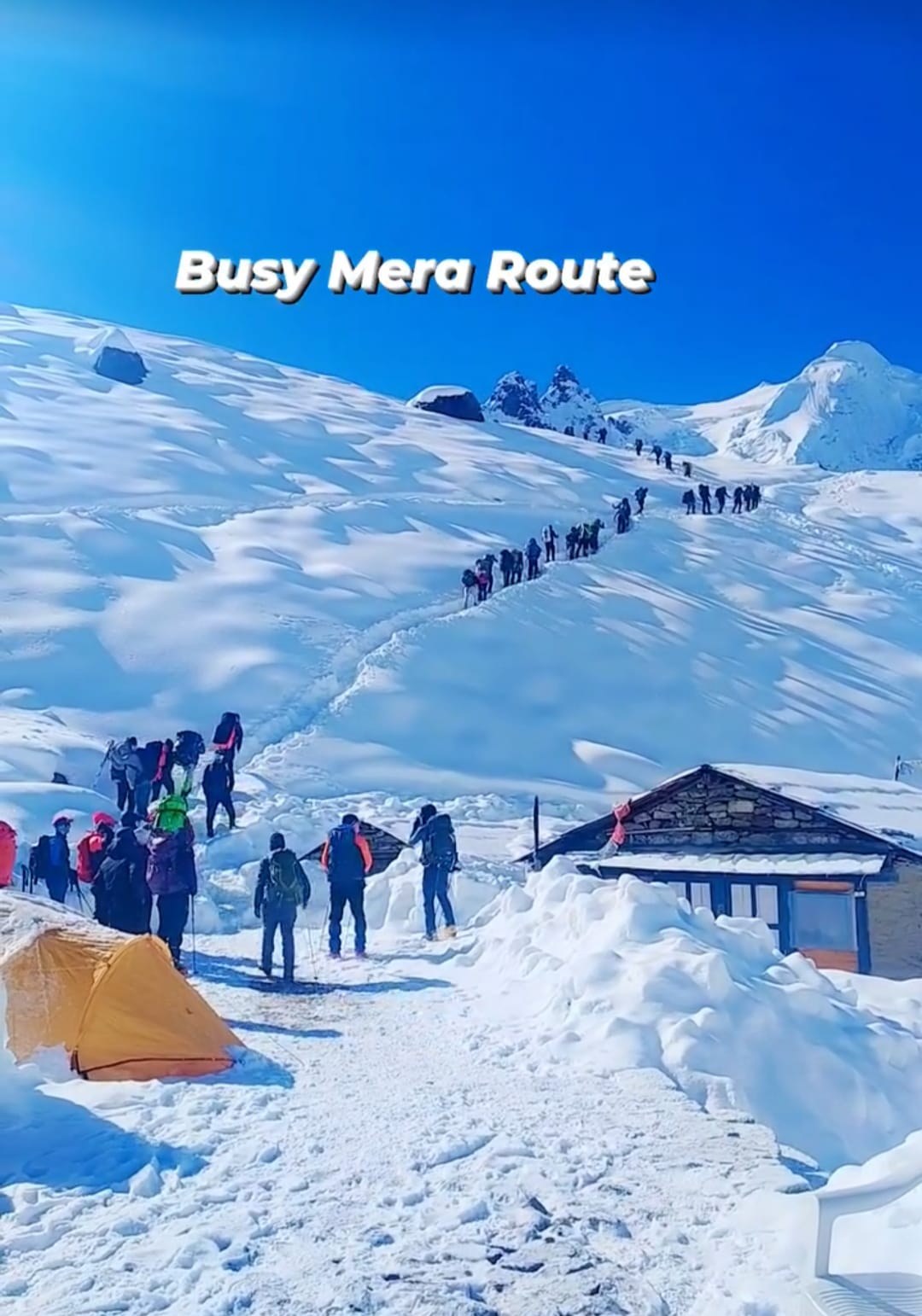
Table of Contents
Mera Peak Climbing 2027: Cost, Itinerary, Difficulty and Summit Guide
Mera Peak Climbing in Nepal is an unforgettable Himalayan mountaineering adventure that combines remote wilderness trekking, Sherpa culture, high-altitude acclimatization, and an exciting summit experience at 6,476 meters (21,247 feet). Located in the spectacular Hinku Valley of eastern Nepal, Mera Peak is widely regarded as one of Nepal’s most popular high-altitude trekking peaks and offers an excellent opportunity for adventurous trekkers to develop practical mountaineering skills.
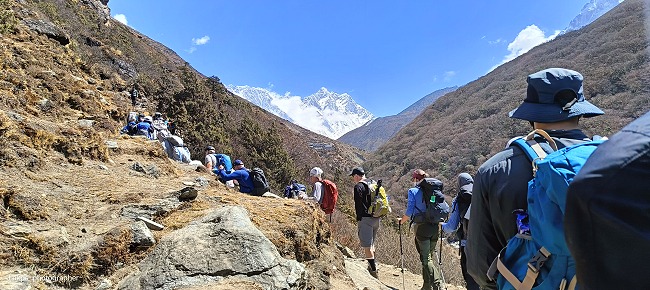
The journey begins with a scenic flight from Kathmandu to Lukla before entering the quieter trails of the Hinku Valley. Unlike the busier Everest Base Camp route, the Mera Peak approach takes climbers through peaceful forests, remote valleys, alpine meadows, rocky terrain, and traditional Sherpa settlements. The route commonly passes through areas such as Chhutanga, Thuli Kharka, Kothe, Thangnak, and Khare before reaching Mera Peak Base Camp.
Mera Peak Climbing 2027 – Himalayan Adventure with Unique Sherpa Trek
Experience the thrill of Mera Peak Climbing 2027 with Unique Sherpa Trek & Expedition Pvt. Ltd. Mera Peak (6,476 m) is one of Nepal’s most popular trekking peaks, offering an exciting high-altitude mountaineering adventure and breathtaking panoramic views of Everest, Lhotse, Makalu, Cho Oyu, and Kanchenjunga in favorable conditions. Our experienced Sherpa guides, carefully planned acclimatization, and personalized support help you prepare for a rewarding Himalayan summit experience. Whether you are an aspiring mountaineer or an adventurous trekker ready for your next challenge, join our 2027 Mera Peak expedition for an unforgettable journey in the Nepal Himalayas.
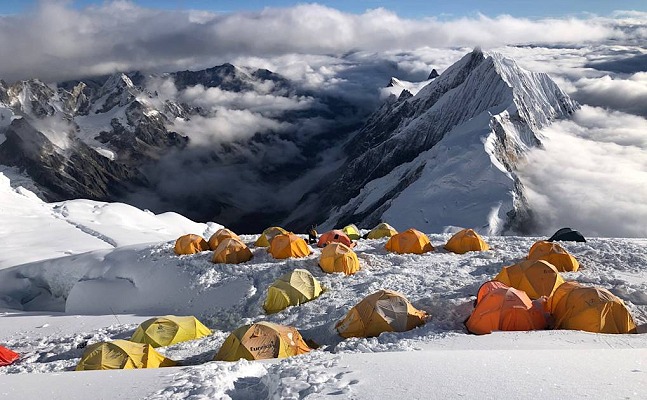
The gradual approach provides valuable time for acclimatization and physical preparation. As the altitude increases, the landscape changes from lush Himalayan forests to rugged alpine terrain and glacial surroundings. Experienced guides help climbers manage the demanding high-altitude environment and prepare for the summit attempt.
Mera Peak climbing involves snow and glacier travel and requires appropriate mountaineering equipment and training. Climbers may learn and practice essential techniques such as crampon use, ice-axe handling, rope techniques, glacier travel, fixed-rope movement, and safe movement on snow and ice. Physical fitness, mental preparation, proper acclimatization, and suitable equipment are important for a successful climb.
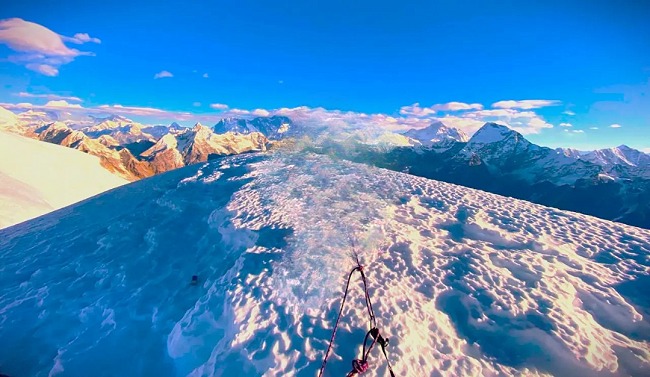
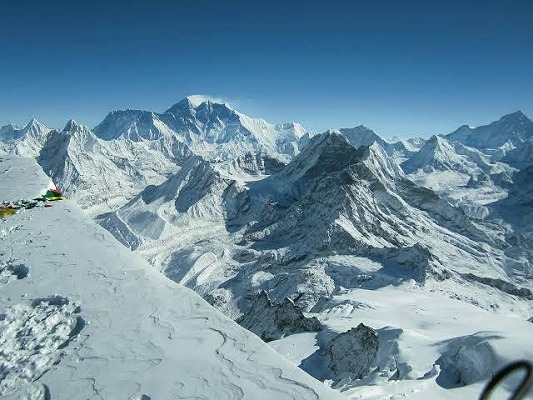
The final summit push normally begins early in the morning when conditions are generally more suitable for climbing. From the summit, climbers can enjoy spectacular Himalayan views, including Mount Everest, Lhotse, Makalu, Cho Oyu, and other major peaks, depending on weather and visibility.
For climbers looking for a challenging Himalayan experience away from the busiest trekking trails, Mera Peak Climbing with Unique Sherpa Trek & Expedition Pvt. Ltd. offers an exceptional combination of adventure, mountain scenery, Sherpa hospitality, and high-altitude mountaineering.
Mera Peak Climbing Culture and Sherpa Heritage
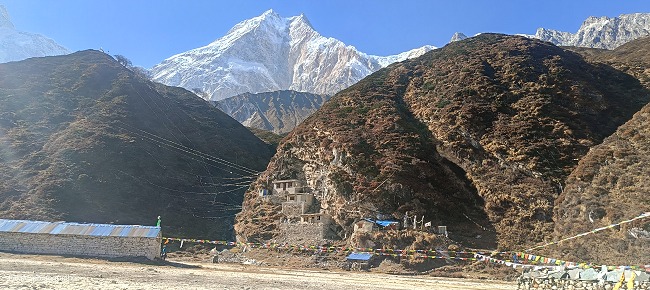
Mera Peak Climbing provides an opportunity to experience the unique culture and traditional lifestyle of the Sherpa communities of eastern Nepal. The journey passes through remote Himalayan settlements where Buddhist traditions, mountain lifestyles, traditional houses, prayer flags, mani walls, and local customs remain an important part of everyday life.
The trekking route through the Hinku Valley provides a more peaceful cultural experience compared with some of Nepal’s busier trekking corridors. Visitors can interact with local communities, stay in traditional mountain lodges, and experience the warm hospitality of people who have adapted to life in one of the world's most challenging environments.
Learn More About the Sherpa People of Nepal to understand more about Sherpa history, culture, traditions, and their long-standing relationship with the Himalayan mountains.
A traditional Puja ceremony may also be performed before the climbing phase or summit attempt. For many Himalayan communities, the Puja is an important spiritual tradition through which climbers seek blessings and protection before entering the high mountain environment.
The cultural experience makes the expedition more than a physical ascent. The interaction between climbers, Sherpa guides, porters, local lodge owners, and mountain communities creates opportunities for cultural exchange and mutual understanding.
With Unique Sherpa Trek & Expedition Pvt. Ltd., climbers are encouraged to respect local traditions, communities, religious sites, and the natural environment throughout the journey.
Mera Peak Geography and Himalayan Landscape
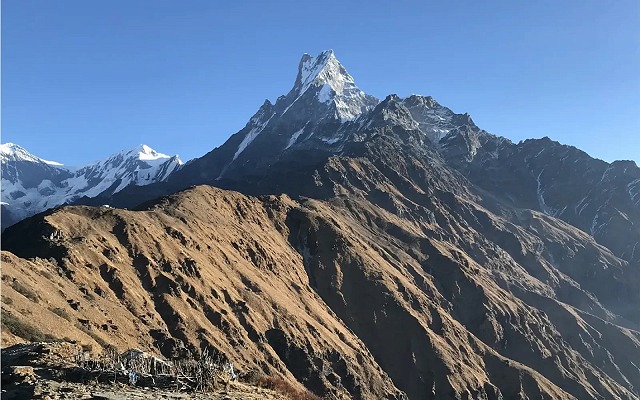
Mera Peak rises to 6,476 meters and stands in the remote Hinku Valley of Nepal. The mountain and its surrounding valleys offer a remarkable transition through several Himalayan ecological and geographical zones.
The journey begins in the lower Himalayan landscape around Lukla before continuing through forests containing pine, rhododendron, and other mountain vegetation. As the trail climbs higher, dense forests gradually give way to alpine meadows, rocky valleys, moraine landscapes, and snow-covered mountain terrain.
The route over Zatrawala Pass provides dramatic mountain scenery before descending toward the Hinku Valley. Further along the trail, the landscape becomes increasingly rugged as climbers approach Thangnak, Khare, and the Mera Peak climbing area. Your current itinerary follows this remote approach through Chhutanga and the Zatrawala Pass toward Thuli Kharka.
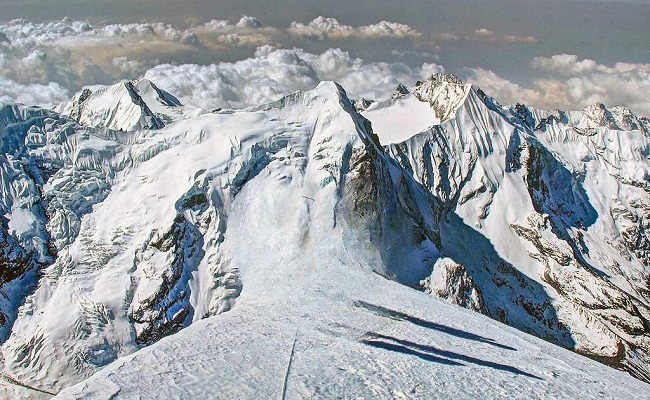
At higher elevations, climbers encounter glacial landscapes and snow-covered slopes. The summit route requires careful movement in a high-altitude environment, particularly during the glacier and snow sections.
One of the major attractions of Mera Peak Climbing in Nepal is the panoramic Himalayan scenery from the summit. Clear weather can reveal some of the world's most impressive mountains, creating an extraordinary 360-degree Himalayan experience.
The geographical diversity of the Mera Peak route—from forests and rivers to alpine valleys, glaciers, snow slopes, and high mountain ridges—makes this expedition a complete Himalayan adventure.
Mera Peak Climbing and Human Experience
Mera Peak climbing is not only a mountain expedition; it is also a journey of teamwork, determination, cultural exchange, and personal achievement. Climbers work closely with experienced Sherpa guides, assistant guides, porters, cooks, and other members of the expedition team throughout the journey.
High-altitude climbing requires cooperation and trust. Every member of the team has an important role, from carrying essential equipment and preparing meals to providing technical guidance and monitoring the safety and condition of climbers.
The remote environment of the Hinku Valley also encourages a deeper connection with nature. Away from busy cities and crowded tourist areas, climbers experience peaceful forests, remote villages, dramatic mountain valleys, and the silence of the high Himalayas.
The physical challenges of the expedition can help develop discipline, patience, confidence, resilience, and teamwork. Long trekking days and the final summit attempt require determination, while changing weather and high altitude demand flexibility and careful decision-making.
At Unique Sherpa Trek & Expedition Pvt. Ltd., responsible and respectful mountain tourism is an important part of the climbing experience. Our approach emphasizes professional mountain support, respect for local communities, environmental awareness, and safe expedition practices.
Explore Popular Mountain Expeditions and Responsible Tourism in Nepal for more information about responsible Himalayan adventure travel.
Why Choose Unique Sherpa Trek & Expedition for Mera Peak Climbing?
Choosing the right local climbing company is an important part of preparing for a high-altitude expedition. Unique Sherpa Trek & Expedition Pvt. Ltd. provides experienced local mountain guides, organized trekking and climbing support, acclimatization planning, and logistical assistance throughout the Mera Peak journey.
Our current Mera Peak package includes professional climbing support, climbing permits, trekking-related permits and fees, accommodation, meals during the trekking and climbing period, climbing support equipment according to the package, first-aid support, and an experienced expedition team.
The best seasons for Mera Peak Climbing in Nepal are generally spring from March to May and autumn from September to November, when mountain conditions are often more favorable for trekking and climbing. However, Himalayan weather can change quickly, so final climbing decisions should always prioritize safety and current mountain conditions.
Whether you are preparing for your first Himalayan climbing experience or looking for a challenging trekking peak in Nepal, Mera Peak offers an outstanding combination of altitude, scenery, culture, and adventure.
.jpg)