


What Is the Best Month for the Mardi Himal Trek?

Table of Contents
The best months for the Mardi Himal Trek are October and November in autumn, and March, April, and early May in spring. October gives the clearest skies and the most reliable mountain views. April is the favourite for rhododendron forests in full bloom. Monsoon (June to August) is the least suitable season because of rain, leeches, and cloud-covered peaks.
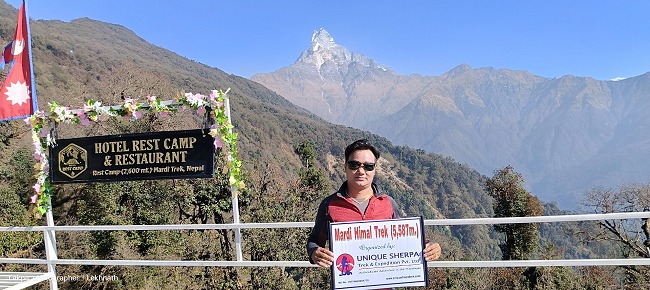
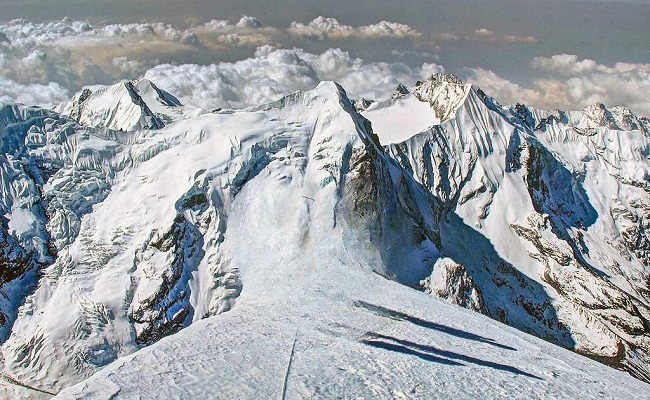
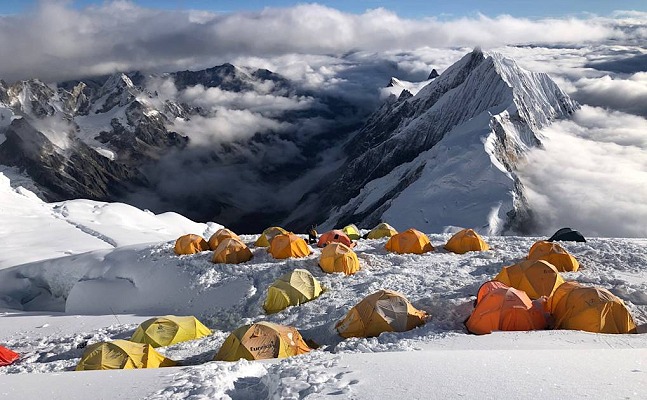
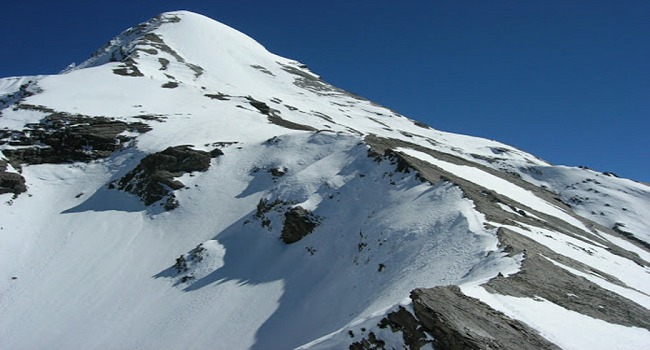
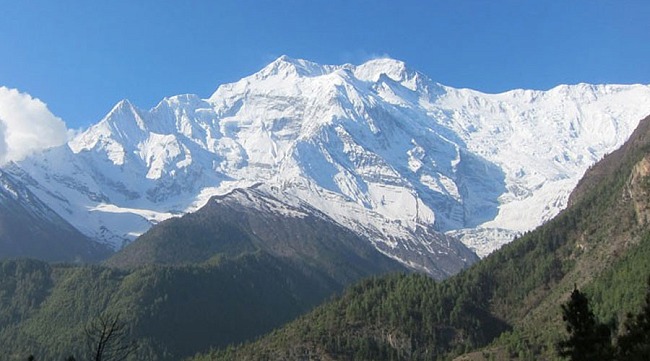
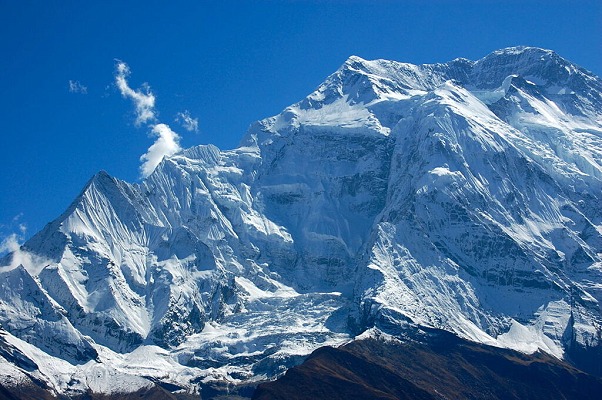
Mardi Himal is a short, scenic trek in the Annapurna region that climbs through forest to a high ridge beneath Machhapuchhre (Fishtail) and Annapurna South. The month you choose changes your views, temperatures, and comfort at High Camp (about 3,580 m) and Mardi Himal Base Camp (about 4,500 m), so it is worth picking carefully.
Mardi Himal Trek at a Glance
| Detail | Information |
|---|---|
| Region | Annapurna, Nepal |
| Highest point | Mardi Himal Base Camp (about 4,500 m / 14,764 ft) |
| Duration | 5 to 8 days of trekking (6-day package; 10 days including Kathmandu) |
| Daily walking | About 4 to 7 hours |
| Grade | Moderate |
| Best months | March to May and September to November |
| Top pick | October (views), April (flowers) |
| Accommodation | Teahouses and lodges |
You can read the full itinerary and cost on the Mardi Himal Trek page.
Autumn (September to November): Clear Skies and Stable Weather
Autumn is the most popular season, and for good reason.
- September: The tail end of the monsoon. Forests are green and lush, but showers, leeches, and cloud can linger early in the month. It improves steadily through the later weeks.
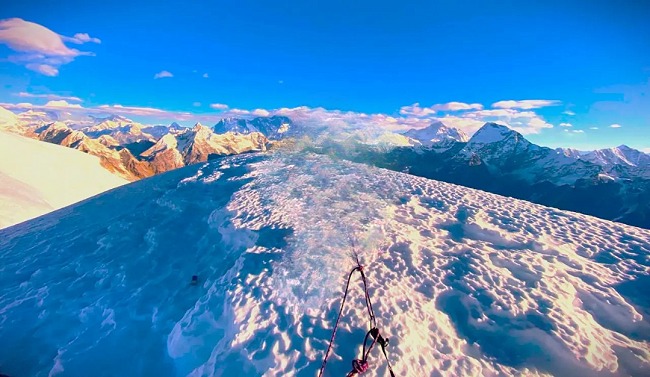
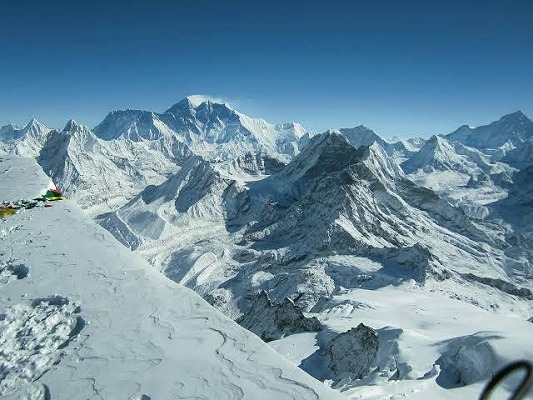
- October: The best month overall. Skies are crisp, trails are dry, and sunrise views of Annapurna South, Hiunchuli, and Machhapuchhre are at their sharpest. Expect more trekkers, especially around Dashain and Tihar.
- November: Dry, calm, and quieter. Days are pleasant, but nights at High Camp turn cold, often near or below freezing, so a warm sleeping bag and down jacket are essential.
Best for: First-time trekkers, photographers, and anyone prioritizing clear mountain views.
Spring (March to May): Rhododendrons and Warmer Days
- March: Cold at altitude, with a chance of lingering snow near High Camp. Blooms begin at lower elevations.
- April: A favourite month. The forests between Forest Camp and Low Camp glow with red and pink rhododendron flowers, and temperatures are comfortable.
- May: Warmer, but afternoon haze and clouds increase as the pre-monsoon builds. Early mornings still give excellent views.
Best for: Nature lovers, flower enthusiasts, and trekkers who prefer warmer conditions.
Winter (December to February): Cold but Peaceful
Winter brings crisp, clear mornings and very few trekkers, but it is cold. Nights at High Camp and the base camp are well below freezing, and snow can make the upper ridge slippery or temporarily impassable. Gaiters, microspikes, and serious cold-weather gear may be needed.
Best for: Experienced, well-equipped trekkers who want solitude. Check trail conditions with your operator before departure.
Monsoon (June to August): Not Recommended
Heavy rainfall, slippery forest trails, leeches, and persistent cloud hide the mountains for much of the trek. Landslides can also disrupt road transfers. If you must travel in this season, expect limited views and plan for flexibility.
Month-by-Month Comparison
| Month | Weather | Mountain Views | Crowds | Rating |
|---|---|---|---|---|
| January | Very cold, dry | Excellent, clear | Very low | ⭐⭐⭐ |
| February | Cold, improving | Very good | Low | ⭐⭐⭐ |
| March | Cool, some snow | Very good | Moderate | ⭐⭐⭐⭐ |
| April | Warm, flowers | Very good | Moderate to high | ⭐⭐⭐⭐⭐ |
| May | Warm, hazy afternoons | Good | Moderate | ⭐⭐⭐⭐ |
| June to August | Rain, leeches | Poor | Very low | ⭐ |
| September | Humid, clearing | Good | Moderate | ⭐⭐⭐ |
| October | Dry, stable | Excellent | High | ⭐⭐⭐⭐⭐ |
| November | Dry, cold nights | Excellent | Moderate | ⭐⭐⭐⭐⭐ |
| December | Cold, clear | Excellent | Low | ⭐⭐⭐ |
How to Choose Your Month
- Want the best views and weather? Go in October or November.
- Want rhododendron forests? Go in April.
- Want fewer people? Try late November, March, or May.
- Short on time? The trek fits a one-week schedule at any time in the best seasons.
- Love cold, quiet trails? December to February is possible with proper gear and flexibility.
Fixed Departures and Cost
Unique Sherpa Trek & Expedition lists group departures through October, November, and December 2026. As of this writing, the package is priced from US$580 per person, with group pricing listed as US$700 (1 to 2 people), US$650 (3 to 10), and US$550 (11 to 20). Check the live departure dates before booking, and review the trekking permit fees in Nepal and the Nepal trekking permits and visa guide for 2026 for planning.
Sample Route Overview
The classic itinerary climbs gradually through a forest of oak, maple, and rhododendron:
- Drive from Pokhara to Kande and trek to Deurali (2,200 m)
- Trek to Low Camp (2,900 m) via Forest Camp
- Climb to High Camp (3,584 m) with wide Himalayan views
- Early hike to Mardi Himal Base Camp (4,515 m), then descend to Low Camp
- Descend toward Siding and Lumre, then drive back to Pokhara
The route’s gradual gain gives your body time to adjust, but the High Camp to base camp day is long and demanding.
What to Pack by Season
- Autumn and spring: Layers, a down jacket for High Camp, waterproof shell, sturdy boots, trekking poles, and sunscreen.
- Winter: Add insulated gloves, thermal base layers, gaiters, a warmer sleeping bag, and possibly microspikes.
- Monsoon: Rain gear, waterproof pack cover, and insect repellent for leeches.
A full checklist is on the trip page.
Related Treks to Combine or Compare
- Annapurna Base Camp Trek: The classic sanctuary trek with closer views of Annapurna I.
- Ghorepani Poon Hill Trek: A shorter, easier sunrise trek.
- Khopra Danda Trek: A quiet ridge trek with big panoramas.
- Kori Danda Trek with Kapuche Lake: A lesser-known route for peace and scenery.
- Annapurna Circuit Trek: A longer classic crossing Thorong La Pass.
Browse more routes in the Annapurna Region or all trekking in Nepal. If you want extra support, you can also arrange guide and porter hire.
FAQs About the Difficulty of the Mardi Himal Trek
1. Is the Mardi Himal Trek difficult?
It is rated moderate. There is no technical climbing, and the trail is well marked, but it includes steep forest climbs, a high exposed ridge, and an altitude of about 4,500 m at the base camp. Trekkers with average fitness who prepare in advance can complete it, and it is often chosen by first-time Himalayan trekkers.
2. How difficult is the Mardi Himal Trek compared with Annapurna Base Camp?
Mardi Himal is generally slightly easier and shorter, but it reaches a higher point (about 4,500 m versus about 4,130 m for ABC). It also has steeper, narrower ridge sections and fewer facilities. The trade-off is that Mardi Himal is quieter and more peaceful.
3. What is the hardest day on the Mardi Himal Trek?
The hardest day is usually the push from High Camp (about 3,580 m) to Mardi Himal Base Camp (about 4,515 m) and back, which can take 6 to 7 hours round trip. The air is thinner, the ridge is exposed, and the climb is steady. The Deurali to Low Camp stretch is also a long, uphill forest day.
4. How many hours do I walk each day?
Most days involve about 3 to 7 hours of walking. Shorter days, like the walk from Kande to Deurali, build in acclimatization time, while Low Camp to High Camp and the base camp day are longer. Distances are modest, but altitude and gradient make them feel harder.
5. Is altitude sickness a risk on this trek?
Yes, it can be, especially above 3,500 m. High Camp and the base camp are the main risk points. Reduce the chance of altitude sickness by walking slowly, drinking plenty of water, avoiding alcohol, and listening to your body. Tell your guide about headaches, nausea, or dizziness right away, and descend if symptoms worsen.
6. Do I need previous trekking experience?
No previous Himalayan experience is required, although some hiking background helps. Beginners can do the trek with training and a guide. If you have never trekked at altitude, choose the season carefully, keep a slow pace, and allow a spare day for weather.
7. How fit do I need to be?
You should be comfortable walking 4 to 7 hours daily over several days, including long uphill sections. Train for 6 to 8 weeks with cardio (hiking, running, cycling), leg-strengthening exercises, and weekend hikes carrying a daypack. Stair climbing is excellent preparation for the steep forest steps.
8. Does the season change the difficulty?
Yes. October and April are the easiest months for walking, with stable weather and good trail conditions. Winter adds cold, ice, and snow, making the upper ridge more challenging. Monsoon makes trails slippery and muddy and brings leeches, so the same route feels much harder.
9. Is the trail dangerous or hard to follow?
The route is generally safe and well marked, but there are narrow ridge sections near High Camp and the upper base camp route where you should take care, particularly in strong wind, snow, or poor visibility. A licensed guide helps with navigation, pacing, and weather decisions, and is recommended for most trekkers.
10. How can I make the Mardi Himal Trek easier?
- Train for 6 to 8 weeks before arrival.
- Hire a guide and porter so you carry only a light daypack.
- Choose October, November, or April for the best conditions.
- Use trekking poles to protect your knees on steep descents.
- Pack proper layers, especially a down jacket for High Camp.
- Stay hydrated and eat enough energy-rich food.
- Keep a flexible schedule in case of weather delays.
Plan Your Mardi Himal Trek with Unique Sherpa Trek & Expedition
Unique Sherpa Trek & Expedition Pvt. Ltd. organizes Mardi Himal treks with experienced Sherpa guides, porter support, permits, transport, and comfortable accommodation, so you can focus on the scenery. Ready to plan?
- View the Mardi Himal Trek itinerary, cost, and departure dates
- Book your trek now
- Learn more about us or read our FAQs
- Check the latest Nepal travel update for 2026
- Contact us or message us on WhatsApp at +977 9862854770