

Helambu to Gosaikunda Trek: Discover Sacred Alpine Lakes, Traditional Villages & Himalayan Culture

Table of Contents
Just north of Kathmandu, a quiet trail climbs from forested ridges to a lake that millions of people hold sacred. The Helambu to Gosaikunda trek links Hyolmo and Tamang villages, Buddhist monasteries and rhododendron forest with the high alpine waters of Gosaikunda, all inside Langtang National Park.
It is a trek for people who want more than mountain views. You walk through living culture, cross a high pass, and arrive at a pilgrimage site that is as beautiful as it is meaningful. This guide covers everything from the villages and lakes to food, festivals, responsible travel and photography. It is based on the route run by Unique Sherpa Trek & Expedition, which you can view on the Helambu Gosaikunda Trek page.
1. What Makes the Helambu to Gosaikunda Trek Special?
Most famous Nepal treks are crowded. This one is not. Several things set it apart:
- It starts close to Kathmandu. A short drive to Sundarijal takes you to the trailhead, so there are no flights and little wasted time.
- Culture and nature in one route. You pass through Hyolmo and Tamang communities, then climb into alpine terrain above 4,000 m.
- A genuine pilgrimage destination. Gosaikunda Lake (about 4,380 m) is sacred to both Hindus and Buddhists.
- Big scenery without technical climbing. The trail crosses the high Laurebina La pass (about 4,610 m), with views over the Langtang range, but the route is non-technical.
- Quieter trails. Helambu is much less busy than Everest or Annapurna, so you often have forests and ridges to yourself.
- A rich national park. Langtang National Park shelters red pandas, Himalayan tahr, musk deer, langurs and many Himalayan birds, though sightings are never guaranteed.
The trek is graded moderate. You need reasonable fitness and good acclimatization, but you don’t need previous mountain experience.
2. Exploring Traditional Hyolmo and Tamang Villages
The first half of the trek is a cultural walk as much as a mountain one. The Helambu region is the homeland of the Hyolmo (Yolmo) people, who are closely linked to Tibetan Buddhist traditions, while Tamang communities live across much of the wider Langtang area.
What you’ll notice in the villages:
- Stone houses with carved wooden windows, built to withstand cold winters
- Mani walls, prayer wheels and chortens lining the paths, always passed on the left in Buddhist custom
- Terraced fields of potatoes, barley and millet climbing the hillsides
- Local dress, language and rituals that differ from the Kathmandu valley
- Small family lodges where your host often cooks the meal
On the standard route you walk through or close to settlements such as Mulkharka, Chisapani, Kutumsang and Tharepati. The longer Helambu variations add famous Hyolmo villages such as Tarkeghyang and Sermathang, so ask your trekking company if you want more village time.
The region was hit hard by the 2015 earthquake, and many homes, trails and monasteries were damaged. Rebuilding has been steady, and tourism now supports that recovery directly.
3. The Religious and Cultural Significance of Gosaikunda Lake
Gosaikunda is the spiritual centre of the trek. According to Hindu tradition, Lord Shiva created the lake when he struck the mountain with his trident to cool his throat after swallowing poison. A large rock in the water is said to resemble a reclining Shiva, and many pilgrims believe the lake feeds sacred rivers far downstream.
Why it matters to different communities:
- For Hindus, it is one of the most important high-altitude pilgrimage sites in Nepal, especially at the full moon of Janai Purnima.
- For Buddhists, the lake and surrounding area are also regarded as holy, and prayer flags fly on the ridges around it.
- For the Tamang and Hyolmo people, the region is part of a shared sacred landscape that links mountain, water and ritual life.
Visitors should treat the lake as a place of worship. Keep voices low, avoid swimming or washing in the water, and ask your guide about local customs before taking photographs of rituals.
4. Beautiful Alpine Lakes Along the Gosaikunda Trail
Gosaikunda is not a single lake but the centre of a cluster of high-altitude lakes. The sets of lakes around it are part of the reason the area feels so otherworldly.
- Gosaikunda Lake (about 4,380 m): The largest and holiest, surrounded by rugged peaks. It often freezes in winter, and in clear weather its deep blue water reflects the mountains.
- Saraswati Kunda and Bhairav Kunda: Smaller lakes just beyond Gosaikunda, easy to visit on a short walk and quieter than the main shore.
- Surya Kunda: Another nearby lake, often included on exploratory walks around the area.
Water colour changes with weather and light. Early morning usually gives the stillest surface, while afternoon cloud can quickly hide the view, so plan lake time for the start of the day.
5. Ancient Monasteries, Buddhist Stupas and Prayer Flags
Tibetan Buddhism is everywhere along the route, and the trail itself is lined with religious symbols.
- Monasteries (gompas): Small village monasteries serve as places of worship, learning and community gathering. Sing Gompa, on the descent toward Dhunche, is a well-known stop.
- Chortens and stupas: White-washed shrines that mark entry to villages and mountain passes.
- Mani walls: Long walls of stones carved with the mantra Om Mani Padme Hum. Walk clockwise around them, keeping them on your right.
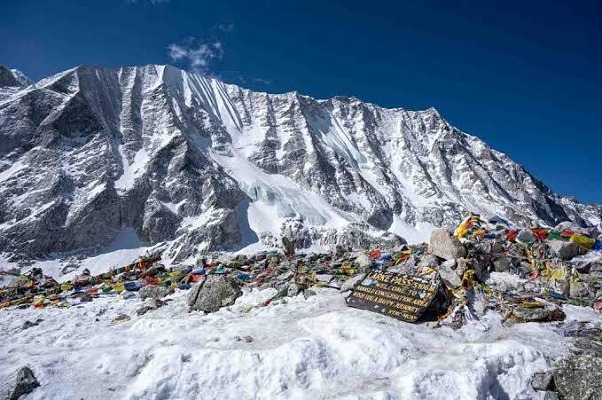
- Prayer flags: Strings of five colours flutter on ridges, passes and beside the lake. The wind is said to carry the printed prayers across the mountains.
- Prayer wheels: Turn them clockwise as you pass.
Ask your guide to explain the meaning of what you see. Understanding the symbols turns a pretty photo into a real cultural moment.
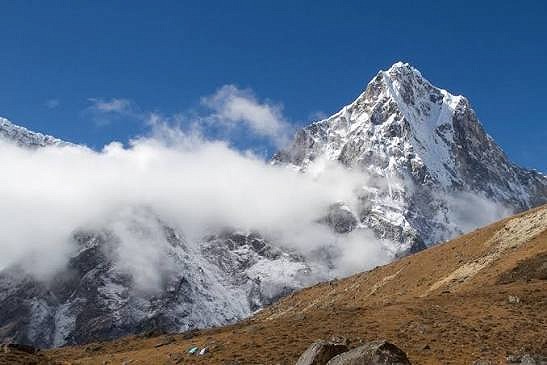
6. Himalayan Landscapes and Mountain Views Along the Route
The scenery changes dramatically from day to day, which is one of the biggest joys of the route.
- Lower trail: Forests of oak, pine, bamboo and rhododendron, with waterfalls and suspension bridges. In spring, the rhododendrons bloom in red, pink and white.
- Ridge sections: Open ridgelines around Kutumsang and Tharepati with long views across the valleys.
- Upper trail: Alpine meadows, rocky moraine and cairn-marked paths on the climb to Gosaikunda.
- Laurebina La (about 4,610 m): The high point, with views over the lakes and the Langtang range.
Mountains you may see: Langtang Lirung, Ganesh Himal, Dorje Lakpa, Manaslu and Shishapangma, depending on weather and visibility. The clearest views come in autumn (September to November), while spring (March to May) adds flowers and pleasant temperatures.
7. Local Food, Teahouses and Mountain Hospitality
Teahouse trekking is simple, warm and sociable. After a long day, a lodge kitchen is often the best part.
What to expect:
- Dal bhat: The classic Nepali meal of rice, lentil soup and vegetables, usually with refills. It is the best energy food for trekking.
- Momos and noodles: Steamed dumplings and soups, popular in higher villages.
- Tibetan bread, eggs, porridge and pancakes for breakfast
- Hot drinks: Ginger tea, lemon tea and butter-style teas help in the cold.
- Seasonal fruit, which the Unique Sherpa Trek package lists as a nightly dessert when available.
Accommodation: Lodges are basic but comfortable, with twin rooms, shared bathrooms and a dining room with a stove. Rooms at higher stops can be cold, so bring a warm sleeping bag.
Practical tips:
- Eat vegetarian at altitude, since fresh meat is rarely safe in remote lodges.
- Drink treated or boiled water only.
- Carry small cash for snacks, hot showers and charging, which are extras.
8. Janai Purnima Festival: Why Pilgrims Visit Gosaikunda
Janai Purnima is the main festival at Gosaikunda. It falls on the full moon of the Nepali month of Shrawan, usually in August, and draws thousands of pilgrims from across Nepal.
What happens:
- Hindu devotees walk to the lake, often from Dhunche, to bathe or perform rituals in its waters.
- Priests change the sacred thread (janai) worn by many Hindu men.
- Local shamans, called jhankri, gather in large numbers and carry out ritual dances and chants.
- Tamang and Hyolmo communities, as well as many Buddhists, take part in the celebrations and fairs on the trail.
Should you trek during Janai Purnima? It is a unique cultural experience, but it falls in the monsoon. Expect rain, slippery trails, leeches and cloud, and a very busy lakeside. Most trekkers who want clear mountain views choose spring or autumn instead, and they may still see pilgrims on the trail at other times of year.
9. Responsible Tourism and Supporting Local Communities
The trek gives something back when it is done carefully. Because the region is still rebuilding, how you travel matters.
- Stay and eat locally. Using family-run lodges and village restaurants keeps money in the community.
- Hire local guides and porters, and make sure they have proper insurance, equipment and fair wages. Unique Sherpa Trek lists insured, paid guide and porter staff in its package.
- Take your rubbish with you. Carry out plastic, batteries and wrappers, and use refillable bottles with purification tablets instead of buying bottled water.
- Respect sacred places. Dress modestly, walk clockwise around religious structures, and don’t touch ritual objects or step over offerings.
- Ask before photographing people, especially during prayers or at the lake.
- Stay on marked trails and keep a respectful distance from wildlife.
- Be patient with weather and delays. Mountain trails are slower than city timetables.
Choosing a locally owned operator and a small group also helps keep your impact low. You can learn more about the people behind the trek on the Our Team page.
10. Photography Opportunities Along the Helambu–Gosaikunda Trail
This trek is rich in photographic subjects, from intimate village portraits to wide alpine landscapes.
Best photo moments:
- Gosaikunda at sunrise. Calm water, soft light and prayer flags make for classic reflections. Arrive early before wind and cloud arrive.
- Laurebina La. Wide panoramas and dramatic ridgelines, best in the morning.
- Rhododendron forests (spring). Mist and flowers in the lower forest are beautiful in diffused light.
- Village life. Terraced fields, stone houses, mani walls and weathered doors tell the cultural story.
- Monasteries and prayer flags. Colour against blue sky or mountain backdrops.
- Wildlife and birds. A telephoto lens helps with Himalayan monals and other birds, but animals cannot be guaranteed.
Tips:
- Shoot at golden hour, soon after sunrise and before sunset.
- Protect your gear from dust, rain and cold, and keep spare batteries warm inside your jacket.
- Ask permission before photographing people, and never photograph rituals without invitation.
- Check current rules before flying a drone, since permits and restrictions apply in national parks.
Day-by-Day Route at a Glance
Here is the 9-day itinerary from Unique Sherpa Trek, which includes arrival and departure days:
| Day | Route | Altitude | Time |
|---|---|---|---|
| 1 | Arrive in Kathmandu, trek briefing | 1,396 m | |
| 2 | Drive to Sundarijal, trek to Chisapani | 2,165 m | 4–5 hrs walk |
| 3 | Chisapani to Kutumsang | 2,446 m | 6–7 hrs |
| 4 | Kutumsang to Ghopte via Tharepati | 3,530 m | 7 hrs |
| 5 | Ghopte to Gosaikunda Lake | 4,361 m | 7 hrs |
| 6 | Gosaikunda to Sing Gompa / Chandan Bari | 3,250 m | 4–5 hrs |
| 7 | Sing Gompa to Dhunche | 1,960 m | 6 hrs |
| 8 | Drive from Dhunche to Kathmandu | 1,396 m | 6–7 hrs drive |
| 9 | Departure |
The climb from Ghopte to Gosaikunda on Day 5 is the hardest day, so rest well and walk slowly. If you want more time at the lake or extra village stops, ask about a longer variation.
Best Time to Trek
- Spring (March–May): Rhododendrons bloom, temperatures are pleasant and views are generally good.
- Autumn (September–November): The clearest skies and most stable weather. This is the best time for mountain views.
- Winter (December–February): Cold, with snow around Gosaikunda and the high pass, so conditions can be difficult.
- Monsoon (June–August): Heavy rain and cloud, but the time of Janai Purnima if you want the festival.
Frequently Asked Questions (FAQs)
1. How long is the Helambu to Gosaikunda trek?
The Unique Sherpa Trek itinerary is 9 days including arrival and departure, with about 6–7 trekking days. Longer versions of 10–14 days add more Helambu villages.
2. How difficult is it?
Moderate. The trail is non-technical, but you cross Laurebina La and climb to about 4,361 m at Gosaikunda, so fitness and acclimatization matter.
3. What is the highest point?
The trip page lists 4,361 m at Gosaikunda, and Laurebina La is about 4,610 m on the longer route description.
4. When is the best time to go?
Spring (March–May) and autumn (September–November) give the clearest views and the best weather.
5. Is altitude sickness a risk?
Yes, above 3,000 m it can affect anyone. Walk slowly, drink plenty of water and tell your guide about headache, nausea or dizziness.
6. What permits do I need?
You need a Langtang National Park entry permit and a TIMS card. These are included in the Unique Sherpa Trek package.
7. Do I need previous trekking experience?
No, but good fitness helps. Several weeks of hiking and cardio training is recommended.
8. What is the accommodation like?
Simple teahouse lodges with twin rooms, shared bathrooms and a communal dining area.
9. What food is available?
Dal bhat, momos, noodles, soups, eggs, bread, porridge and hot drinks. Vegetarian food is widely available.
10. Can I see the Himalayas from the trail?
Yes, in clear weather you can see Langtang Lirung, Ganesh Himal, Dorje Lakpa, Manaslu and Shishapangma.
11. What is Janai Purnima?
A Hindu festival held on the full moon of Shrawan, usually in August, when thousands of pilgrims visit Gosaikunda.
12. Can I swim in Gosaikunda?
It is a sacred lake and very cold, so visitors should respect local customs and avoid swimming or washing in it.
13. Is there mobile network and electricity?
Signal is patchy and often absent at higher stops. Lodges may charge a fee for charging devices, so carry a power bank.
14. What should I pack?
Layers, a down jacket, waterproof shell, sturdy boots, warm sleeping bag, trekking poles, headlamp, sun protection and a refillable water bottle.
15. How do I book?
Contact Unique Sherpa Trek through the trip page or inquiry form. Early booking is wise for autumn and spring departures.
Final Thoughts
The Helambu to Gosaikunda trek is a rare mix of mountain adventure, cultural depth and spiritual meaning. You walk through Hyolmo and Tamang villages, spin prayer wheels beside ancient monasteries, and finish at an alpine lake that has drawn pilgrims for centuries, all within reach of Kathmandu.
Ready to explore it? View the full Helambu Gosaikunda Trek itinerary, compare it with the shorter Gosaikunda Lake Trek, the Langtang Valley Trek or the Tamang Heritage Trek, or explore more routes in the Langtang Region. If you prefer to skip the walking, there is also a Langtang Gosaikunda Heli Tour. For permit details, read the guides to trekking permit fees in Nepal and Nepal trekking permits and visa 2026, then contact Unique Sherpa Trek to book your dates.

.jpg)