
Helambu Gosaikunda Trek: Itinerary, Difficulty & Trekking Tips

Table of Contents
Few treks in Nepal combine a sacred alpine lake, Buddhist villages, rhododendron forests and a high Himalayan pass so close to Kathmandu. The Helambu Gosaikunda Trek starts just outside the capital and climbs through Langtang National Park to Gosaikunda Lake, a pilgrimage site holy to both Hindus and Buddhists. It rewards you with quiet trails, authentic Hyolmo and Tamang culture, and big mountain views without the crowds of Everest or Annapurna.
This guide covers the full Helambu Gosaikunda Trek itinerary, how difficult it really is, altitude and acclimatization, permits, costs, the best season and practical tips from our Sherpa guides. To book or customize your journey, visit our Helambu Gosaikunda Trek page.
Helambu Gosaikunda Trek at a Glance
| Detail | Information |
|---|---|
| Region | Langtang National Park, north of Kathmandu |
| Trek start / end | Sundarijal (start) and Dhunche (end), by private vehicle from and to Kathmandu |
| Package length | 9 days including arrival and departure (about 6 trekking days) |
| Difficulty | Moderate to adventurous |
| Highest point | Laurebina La Pass, 4,610m / 15,124ft |
| Gosaikunda Lake | About 4,380m (lodges at 4,361m) |
| Accommodation | Teahouses and lodges |
| Group size | 2 to 30 |
| Best seasons | Spring (March–May) and autumn (September–November) |
| Price | From US$1,080 per person, with group-size pricing |
Why Trek to Helambu and Gosaikunda?
It is close, quiet and varied. You leave Kathmandu in the morning and are on the trail within an hour. Within a few days, you move from terraced farmland and oak forest to alpine meadows, glacial moraine and high lakes.
It is a spiritual journey. According to Hindu belief, Lord Shiva created Gosaikunda by striking the ground with his trident. Every year, thousands of pilgrims climb here for the Janai Purnima festival in late summer. Buddhists also honor the lake, and prayer flags fill the shoreline.
It is a living cultural trail. Helambu is the homeland of the Hyolmo (Yolmo) people, and you also pass Tamang settlements. Expect monasteries, mani walls, prayer wheels and warm teahouse hospitality.
It is rich in nature. The route runs through Langtang National Park, where you may spot red pandas, Himalayan tahr, musk deer, langurs and colorful pheasants such as the Himalayan monal.
The views are outstanding. On clear days, you see Langtang Lirung, Ganesh Himal, Dorje Lakpa, Shishapangma and Manaslu, depending on the viewpoint.
Your trip supports recovery. The 2015 earthquake damaged villages across Helambu and Langtang. Staying in local lodges and hiring local guides directly supports communities that have rebuilt with remarkable determination.
Helambu Gosaikunda Trek Itinerary: Day by Day
Day 1: Arrive in Kathmandu (1,396m)
Our representative meets you at Tribhuvan International Airport and transfers you to your hotel. In the evening, your guide runs a trek briefing: route, permits, equipment checks and altitude safety.
Day 2: Drive to Sundarijal (1,350m) and trek to Chisopani (2,165m), 4–5 hours
A one-hour drive takes you to Sundarijal, the gateway to the Helambu route. The trail climbs through the Shivapuri Nagarjun forest past Mulkharka, a Tamang village, then follows a ridge through oak and rhododendron forest to Chisopani, famous for its sunrise views.
Day 3: Trek to Kutumsang (2,446m), 6–7 hours
The trail descends through Pathi Bhanjyang to Gul Bhanjyang, then climbs a ridge past a pass at about 2,620m. Kutumsang is a calm Helambu village at the edge of Langtang National Park, where your permits are checked.
Day 4: Trek to Ghopte (3,530m) via Magen Goth and Tharepati Pass (3,650m), about 7 hours
This is a steady climb along the Yurin Danda ridge through fir and rhododendron forest, with few permanent settlements. You pass Magen Goth, cross the Tharepati Pass, and reach Ghopte. Expect colder nights and the first big mountain views.
Day 5: Trek to Gosaikunda Lake (4,361m), about 7 hours
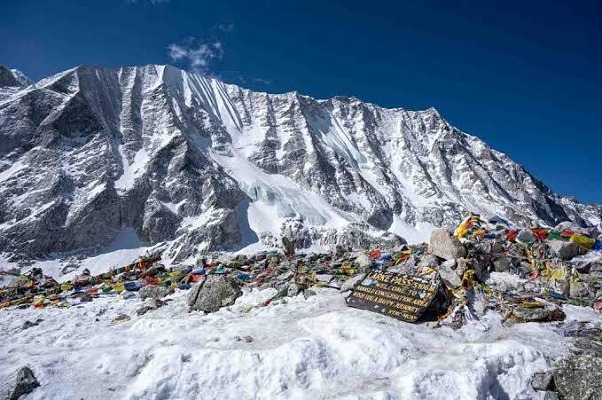
The trail climbs through shrubs and rhododendron into alpine terrain, then crosses rough moraine marked by rock cairns toward Laurebina La (4,610m), the highest point of the trek. A final descent leads to the sacred lake. This is the hardest and most rewarding day.
Day 6: Trek to Sing Gompa / Chandan Bari (3,250m), 4–5 hours
After sunrise at the lake, descend past Laurebinayak with fine views into forest and down to Sing Gompa. Famous for its yak cheese factory, Sing Gompa gives you a welcome drop in altitude.
Day 7: Trek to Dhunche (1,960m), about 6 hours
The trail passes pine, silver oak and rhododendron forest, crosses a suspension bridge over the Sing Gompa stream, and reaches Dhunche, the district headquarters of Rasuwa.
Day 8: Drive from Dhunche to Kathmandu, 6–7 hours
Follow the Trishuli River valley back to Kathmandu, enjoying mountain roads, terraced fields and rural Nepal. Join us for a farewell dinner in the capital.
Day 9: International departure
Our team transfers you to the airport for your onward flight.
If you have more time, we can extend the route with extra days for acclimatization or side trips, as the longer version of this trek usually takes 10 to 14 days.
How Difficult Is the Helambu Gosaikunda Trek?
The trek is rated moderate to adventurous. It is non-technical, but several factors make it harder than a typical teahouse trek:
- Altitude gain: You climb from about 1,350m to over 4,600m in five days, and sleep at 4,361m at Gosaikunda.
- Long days: Expect 5–7 hours of walking most days, with Day 5 taking 7 hours or more.
- Steep, eroded sections: The Kutumsang to Ghopte and Ghopte to Gosaikunda stretches include rough trail and loose moraine.
- Cold nights: Temperatures drop well below freezing near the lake, especially in late autumn.
Most trekkers with average to good fitness, a steady pace and proper acclimatization complete the trek successfully. If you are new to trekking or want an easier version, our shorter Gosaikunda Lake Trek or the cultural Tamang Heritage Trek can be a gentler option.
Altitude and Acclimatization
The biggest challenge is altitude. The jump from Ghopte at 3,530m to Gosaikunda at 4,361m is significant, so follow these rules:
- Go slowly. “Bistari, bistari” (slowly, slowly) is the Sherpa motto.
- Drink 3–4 litres of water daily and eat well, even if your appetite is low.
- Avoid alcohol, smoking and sleeping pills at altitude.
- Know the symptoms of altitude sickness: headache, nausea, dizziness, poor sleep and unusual fatigue.
- Tell your guide early. Descending is the only reliable cure if symptoms worsen.
- Ask about an extra night. Adding an acclimatization day before Gosaikunda makes the trek safer and more comfortable.
Our guides monitor your health daily and adjust the pace and route as needed.
Best Time for the Helambu Gosaikunda Trek
- Spring (March to May): Rhododendrons bloom across the forests, the weather is mild and the views are good.
- Autumn (September to November): The most stable season, with crisp, clear skies and excellent mountain views.
- Winter (December to February): Possible but cold, with snow and ice around Gosaikunda and the pass. Lakes are often frozen. Only experienced trekkers with proper gear should consider it.
- Monsoon (June to August): Heavy rain, leeches and poor visibility. Not recommended, except for pilgrims during Janai Purnima.
Check our Nepal Travel Update 2026 for the latest trail and weather news before you travel.
Permits and Costs
You need:
- Langtang National Park entry permit
- TIMS card (where applicable)
- Local entrance and conservation fees for the route
We arrange all of these as part of your package. For general information, see our guides to trekking permit fees in Nepal and Nepal trekking permits and visa 2026.
Our package includes:
- Airport transfers and 2 nights in a Kathmandu hotel with breakfast
- Private transport to and from the trailheads
- Three meals a day on the trek, with tea or coffee and seasonal fruit
- Licensed guide, assistant guide and porters, with insurance and fair wages
- All permits and entrance fees
- Waterproof duffel bag, first-aid kit, T-shirt, cap and completion certificate
- Farewell dinner in Kathmandu
Not included: international flights, Nepal visa, travel insurance (with helicopter evacuation cover), personal gear, drinks, tips, laundry, charging and extra nights caused by delays.
Prices start from US$1,080 per person, and larger groups get lower rates. If you want a personal guide or porter for your own itinerary, see our trekking guide and porter hire service.
Essential Packing List
- Footwear: Broken-in waterproof trekking boots, 4–5 pairs of wool socks, camp shoes
- Layers: Thermal base layers, quick-drying T-shirts, trekking pants, fleece, insulated down jacket
- Weather protection: Waterproof and windproof jacket and trousers, warm hat, gloves, buff, sun hat, UV sunglasses
- Warm sleeping bag rated for below-freezing nights
- Poles and light: Trekking poles and a headlamp with spare batteries
- Health and hygiene: SPF 50+ sunscreen, lip balm, first-aid kit, personal medicine, water purification tablets, hand sanitizer
- Extras: Power bank, dry bags, snacks, electrolytes, Nepali rupees in cash
- Winter or shoulder season: Waterproof gaiters and microspikes if there is ice
Expert Trekking Tips From Our Sherpa Guides
- Train for 6–8 weeks with hill walking, stairs and cardio, and practice with the boots you will wear.
- Start early. Mornings are clearer and give you time to rest in the afternoon.
- Pack light. Your porter carries a limited weight, so keep your daypack under 6–8 kg.
- Respect sacred sites. Walk clockwise around mani walls and stupas, avoid loud noise at the lake, and ask before photographing people.
- Carry cash. There are no ATMs on the trail, and charging or hot showers cost extra.
- Buy proper insurance covering trekking up to 5,000m and helicopter evacuation.
- Be flexible. Weather, road conditions and altitude can change plans, so build a spare day into your trip if possible.
- Trek with a licensed operator who puts safety first.
Why Trek With Unique Sherpa Trek & Expedition?
We are a Kathmandu-based, government-licensed company led by Lakpa Sherpa and a team of experienced mountain guides. Our travelers praise our professionalism, safety and personal care, and we are proud of our TripAdvisor recognition. We keep itineraries flexible, pay our staff fairly and support local communities. Learn more about us or browse our full list of trekking in Nepal packages.
Want to explore more of the region? See our Langtang Region treks, including the Langtang Valley Trek, the Ganja-La Pass Trek, the Tilman Pass Trek and the Langtang Gosaikunda Heli Tour.
Top 10 FAQs About the Helambu Gosaikunda Trek
1. How many days does the Helambu Gosaikunda Trek take?
Our standard package is 9 days, including arrival and departure, with about 6 days of trekking from Sundarijal to Dhunche. Many trekkers prefer a longer 10 to 14-day version that adds acclimatization days and extra villages in Helambu. We can customize the length to match your time and fitness.
2. How difficult is the Helambu Gosaikunda Trek?
It is moderate to adventurous. The trails are non-technical, but you gain altitude quickly, walk 5–7 hours a day, and cross Laurebina La at 4,610m. With good fitness and a slow pace, most active trekkers manage it. Previous hiking experience helps.
3. What is the highest point of the trek?
The highest point is Laurebina La Pass at 4,610m (15,124ft). Gosaikunda Lake sits slightly lower at about 4,380m, and your lodge there is at roughly 4,361m, which is also the highest place you sleep.
4. What is the best time to do the Helambu Gosaikunda Trek?
Spring (March to May) and autumn (September to November) are best, offering stable weather, clear skies and good trail conditions. Spring brings rhododendron blooms, and autumn has the sharpest mountain views. Winter is cold and snowy, and monsoon is wet and slippery.
5. Do I need a guide and permits?
Permits are required: a Langtang National Park entry permit and a TIMS card, plus local fees. Trekking with a licensed guide is strongly recommended because the route crosses remote sections, high altitude and changing weather. We arrange all permits and provide guides and porters.
6. What is accommodation like on the trek?
You stay in teahouses and lodges run by local families, with simple twin rooms, shared bathrooms and hearty meals such as dal bhat, noodles, soups and eggs. Rooms are unheated, so bring a warm sleeping bag. Facilities become more basic as you go higher.
7. How cold does it get at Gosaikunda?
Nights can drop below freezing, especially in late autumn and winter, and the lake may partly freeze. Days can be sunny and pleasant in the right season. Pack thermal layers, a down jacket, gloves, a hat and a warm sleeping bag.
8. Can beginners do the Helambu Gosaikunda Trek?
Fit first-time trekkers can do it, but it is more demanding than low-altitude teahouse treks. Train beforehand, choose spring or autumn, and ask us about an extra acclimatization day. If you prefer something shorter, consider our Gosaikunda Lake Trek.
9. Is altitude sickness a risk?
Yes, because you climb quickly to over 4,300m. Walk slowly, hydrate, avoid alcohol, and report headaches, nausea or dizziness at once. Our guides check your condition daily and will descend if needed. Make sure your travel insurance covers high-altitude trekking and helicopter evacuation.
10. Can I combine the trek with other Langtang treks or a helicopter return?
Yes. Popular combinations include the Langtang Valley Trek, the Tamang Heritage Trek and the Ganja-La Pass Trek. If you are short on time, the Langtang Gosaikunda Heli Tour offers a different view of the region. Contact us to design a private itinerary.
Conclusion: Is the Helambu Gosaikunda Trek Right for You?
If you want a Himalayan trek that blends spirituality, culture, forest and high-altitude scenery, all within easy reach of Kathmandu, the Helambu Gosaikunda Trek is an excellent choice. It asks for steady fitness and respect for altitude, and it repays you with sacred water, prayer flags, mountain panoramas and unforgettable village hospitality.
Ready to plan your journey? Check dates and book the Helambu Gosaikunda Trek, or reach our team through the contact page or WhatsApp at +977 9862854770.
.jpg)