


Nepal Travel Update 2026: Flood, Trekking & Climbing
Table of Contents
Nepal Travel Update 2026: Flood Disaster, Trekking, Peak Climbing and Mountain Expeditions
Updated: September 17, 2026 | By Unique Sherpa Trek & Expedition Pvt. Ltd.
Nepal remains an important destination for trekking, peak climbing, mountain expeditions, cultural tourism, and Himalayan adventure, but travelers should understand that conditions are currently different from one region to another following the devastating flood and landslide disaster of August 2026. A major disaster affected the Nepal–Tibet border region after a glacier and mountain collapse triggered a powerful flash flood, causing extensive loss of life and damage to roads, bridges, settlements, and infrastructure. Recovery and search operations are continuing, particularly in the affected northern border areas. Recent reporting based on Nepal's disaster authorities indicates that thousands of people remain unaccounted for.
Nepal Is Not Closed to Tourists
The flood disaster has affected specific areas rather than the entire country. Nepal continues to welcome international visitors, and tourism activities remain possible in many destinations. The Nepal Tourism Board has specifically confirmed that the Manaslu trekking route is accessible after repairs to damaged trail and bridge infrastructure around Namrung in Gorkha. The previous restriction on the affected section was lifted, although travelers are advised to continue monitoring local conditions and following safety precautions.
For tourists, the most important point is that Nepal's geography is extremely diverse. A flood or landslide affecting one valley, road corridor, or mountain district does not automatically mean that trekking routes throughout Nepal are closed. Everest, Annapurna, Langtang, Manaslu, Mustang, and other Himalayan regions have different access routes, elevations, weather patterns, and local conditions. Travelers should therefore make decisions according to the specific trekking or expedition route they intend to use.
Flood and Landslide Situation in Nepal
The August disaster has demonstrated the importance of understanding Nepal's mountainous geography. The Himalayan region contains steep valleys, glaciers, rivers, and unstable slopes, while many remote communities depend on mountain roads and bridges for transportation. The recent disaster caused major disruption in the Rasuwa and northern border region, and travelers should not assume that damaged roads or infrastructure have returned to normal everywhere.
Scientific assessments reported on September 17 indicate that unusually high temperatures, glacier retreat, and weakening mountain ice and permafrost likely contributed to the conditions surrounding the August glacier collapse. Researchers have emphasized that climate-related changes are increasing risks in high-altitude mountain environments.
For this reason, travelers visiting Nepal's mountains should choose experienced local operators, monitor weather conditions, and maintain flexibility in their itinerary.
Trekking in Nepal After the Flood Disaster
Nepal's trekking geography remains remarkably varied, from lower-elevation hills and cultural villages to high Himalayan passes and base camps. Trekking conditions depend heavily on altitude, season, rainfall, road access, trail bridges, and local weather.
The Manaslu Circuit is an important example of how conditions can change quickly. Nepal Tourism Board reported on September 11 that damaged structures along the route around Namrung had been restored to a condition suitable for trekking and that the previous restriction had been lifted.
However, travelers should not interpret one route update as a guarantee that every section of every trekking route is operating normally. Local verification remains essential, particularly after heavy rainfall.
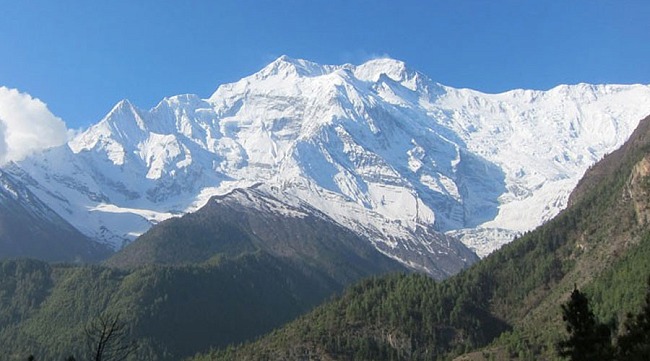
Popular destinations such as Everest Base Camp, Annapurna Base Camp, Annapurna Circuit, Langtang Valley, Manaslu Circuit, Upper Mustang, Gokyo, Kanchenjunga and other Himalayan routes should be assessed individually according to current transportation, trail and weather conditions.
Peak Climbing in Nepal
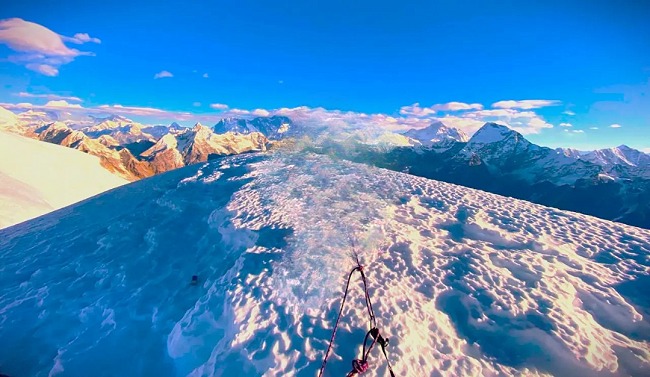
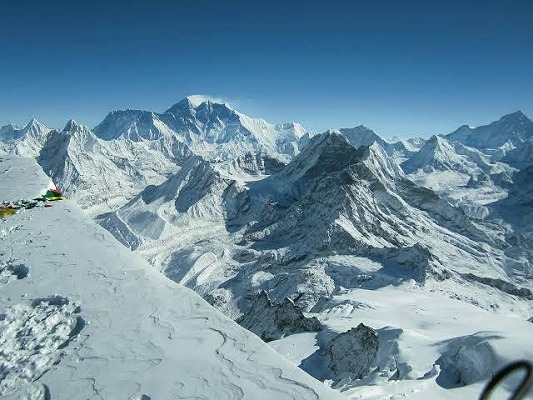
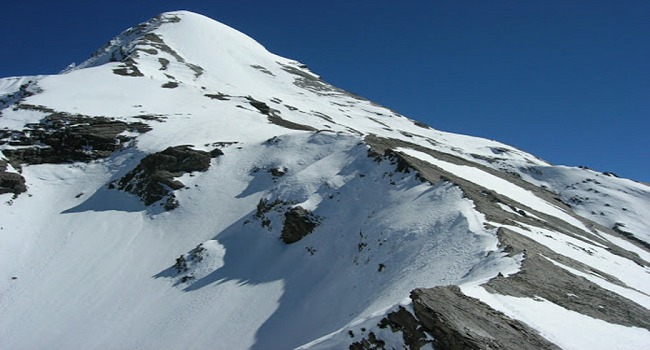
Nepal's peak-climbing sector is also active as the autumn mountain season develops. Climbers preparing for peaks such as Mera Peak, Island Peak, Lobuche Peak, Naya Khang, Pisang Peak, Chulu West and other climbing objectives should consider current weather, trail access, acclimatization requirements and mountain conditions before departure.
Peak climbing is fundamentally different from ordinary trekking. Climbers must allow sufficient time for acclimatization, carry appropriate technical equipment, monitor weather windows and be prepared for changes in snow and ice conditions. A route that is accessible for trekking does not necessarily mean that summit conditions are suitable for climbing.
Mountain Expeditions and Manaslu 2026
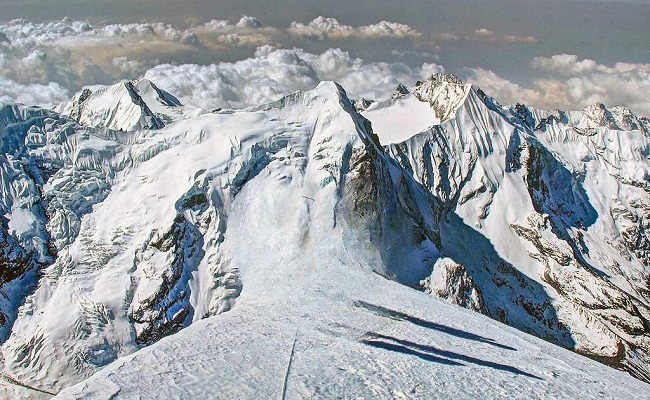
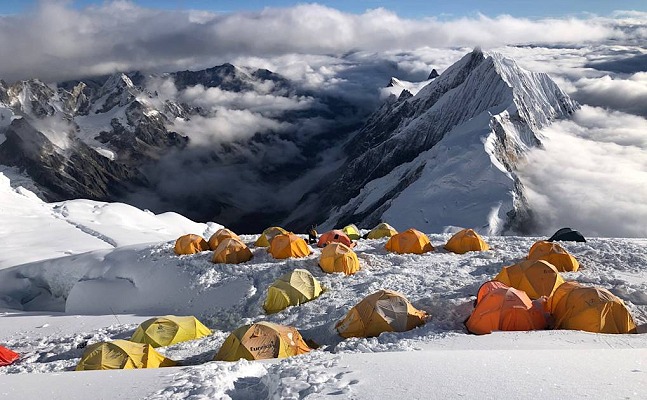
The autumn expedition season is already active in Nepal. Mount Manaslu, 8,163 metres, is currently attracting a large number of international climbers and expedition support teams. Recent reports indicate that hundreds of foreign climbers have received permits for the 2026 autumn Manaslu season, while expedition teams are preparing for their summit attempts.
The climbing route has been undergoing rope-fixing and preparation work, and expedition teams are moving equipment toward higher camps. At the same time, a recent fatality on Manaslu demonstrates that high-altitude expeditions remain inherently demanding and that weather, altitude, terrain and route conditions must be taken seriously.
For expeditions on Manaslu and other 7,000- and 8,000-metre mountains, climbers should work with experienced expedition operators, qualified mountain guides and reliable support teams.
Is Nepal Suitable for Trekking and Climbing Now?
The answer depends on where you are going, when you are traveling, and what activity you are planning. Nepal is not geographically one single trekking area. Conditions in Rasuwa can be very different from conditions in the Everest or Annapurna regions.
For lower-altitude sightseeing and many established tourism destinations, travel can continue with appropriate precautions. For trekking, travelers should obtain a route-specific update before departure. For peak climbing and high-altitude expeditions, conditions should be assessed daily because mountain weather and snow conditions can change rapidly.
During periods of heavy rain, trekkers should be particularly cautious around rivers, suspension bridges, landslide-prone slopes, and mountain roads. Flight and road schedules may also change because of weather.
Travel Safely With Local Mountain Experts
At Unique Sherpa Trek & Expedition Pvt. Ltd., we believe that responsible Himalayan travel begins with accurate information and careful preparation. Our local Sherpa guides and mountain teams monitor route conditions and help travelers plan their journeys according to the current situation.
We provide trekking, peak climbing, and expedition services for travelers interested in destinations including Everest Base Camp, Manaslu, Annapurna, Langtang, Mustang, Mera Peak, Island Peak, Lobuche Peak, and other Himalayan adventures.
Our approach is to avoid treating every destination in Nepal as having the same conditions. Instead, we evaluate the specific route, altitude, weather, transportation, accommodation, trail condition, and mountain objective before organizing a journey.
Important Advice for International Tourists
Travelers planning a Nepal adventure in 2026 should purchase comprehensive travel insurance that includes appropriate medical treatment and emergency evacuation coverage. Keep flexible travel dates when possible, especially during periods of unstable weather. Check flight and road conditions before traveling to remote trailheads, and follow instructions from local authorities and experienced guides.
Most importantly, do not rely on old social-media posts or outdated information when planning a Himalayan trek or expedition. Conditions can change rapidly after heavy rain, landslides, floods, or snowfall.
Final Travel Message
Nepal's mountains remain a major destination for adventure travelers, but the 2026 flood disaster is a reminder that responsible tourism, local knowledge, and route-specific safety information are essential. The country continues to receive trekkers, climbers, and expedition teams, while recovery work continues in the areas directly affected by the disaster. The Nepal Tourism Board's latest Manaslu update confirms that the affected section around Namrung has been restored for trekking, while high-altitude expeditions are actively preparing for the autumn season.
Unique Sherpa Trek & Expedition Pvt. Ltd. is committed to providing travelers with practical local information, experienced Sherpa mountain support, and carefully planned trekking, peak-climbing, and expedition services. Before starting your Himalayan adventure, contact our team for the latest route-specific information and travel planning.