
Essential Trekking Equipment for the Helambu Gosaikunda Trek

Table of Contents
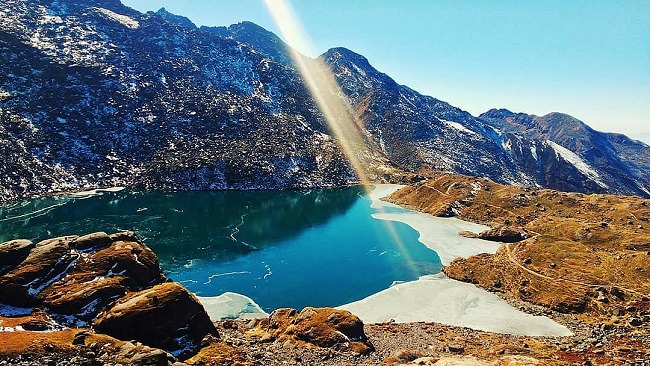
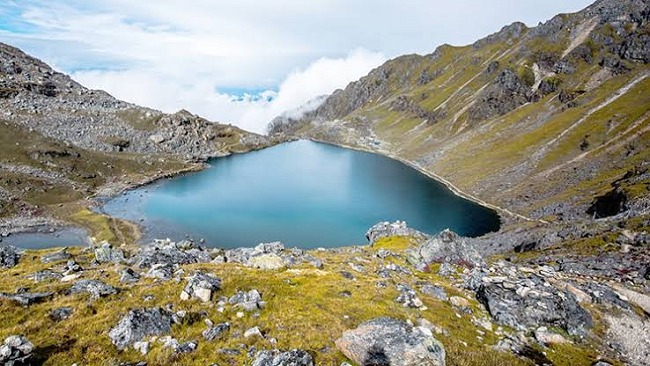
The sacred waters of Gosaikunda Lake sit at roughly 4,380 meters, wrapped in rock, prayer flags and cold mountain air. Getting there means walking through oak and rhododendron forest, Hyolmo and Tamang villages, and a long climb over Tharepati and Laurebina La. The scenery is spectacular. The weather is not always kind.
Packing well is what separates a trek you enjoy from one you merely survive. This guide covers the essential trekking equipment for the Helambu Gosaikunda Trek: what to bring, why it matters on this specific route, and what you can leave behind.
If you are still choosing your route, see the full Helambu Gosaikunda Trek itinerary, costs and departure dates offered by Unique Sherpa Trek & Expedition.
Quick Answer: What to Pack for Helambu Gosaikunda
If you only read one section, read this. The items that matter most on this trek are:
- Broken-in waterproof trekking boots
- Layered clothing: base layer, fleece, insulated jacket, waterproof shell
- A warm sleeping bag
- Trekking poles
- A headlamp with spare batteries
- Sun protection: sunglasses, SPF 50+ sunscreen, hat
- Water bottles and a purification method
- A personal first-aid kit and your own medication
- Travel insurance covering high-altitude trekking and evacuation
Everything else on this list improves comfort. These items protect your safety.
Know the Trek Before You Pack
Gear choices make more sense once you understand the route. The Helambu Gosaikunda Trek, as run by Unique Sherpa Trek & Expedition, is a 9-day package (6 days of trekking) that starts at Sundarijal and Chisopani and ends in Dhunche. It is graded moderate to adventurous.
| Detail | What it means for your gear |
|---|---|
| Start: Sundarijal and Chisopani (about 2,165 m) | Mild days, cold mornings and evenings |
| Highest overnight: Gosaikunda (about 4,361 m) | Freezing nights, possible snow and ice |
| Pass: Laurebina La (about 4,610 m) | Strong wind, long exposed sections |
| Best seasons: March to May, September to November | Clear skies, but cold at altitude even in peak season |
| Lodging: teahouses | Blankets are limited, so a sleeping bag matters |
| Route passes: Kutumsang, Ghopte, Gosaikunda, Sing Gompa, Dhunche | Big temperature swings between days |
The big lesson: you climb from warm forest to alpine cold in about four days, then drop back down. Your packing has to cover both ends of that range.
1. Footwear
Waterproof trekking boots
Your boots are the single most important purchase. The trail includes stone steps, muddy forest sections, rocky moraine near Gosaikunda, and long descents toward Sing Gompa and Dhunche. Choose boots with:
- Ankle support
- A grippy, durable sole
- Waterproof lining
- Enough room for thick socks
Break them in before you arrive. Wear them on at least a few long walks. New boots on day one of a trek are the classic recipe for blisters.
Trekking socks
Bring 4 to 5 pairs of wool or synthetic trekking socks. Cotton holds moisture and leads to blisters, so avoid it. A thin liner sock under a wool sock helps further.
Camp shoes
Lightweight sandals or sneakers give your feet a break after a long day. They are also handy for the walk to the lodge bathroom at night.
Gaiters and microspikes (conditions dependent)
Gaiters keep snow and mud out of your boots. Microspikes can help if ice or fresh snow is present near the lake or pass. Ask your guide about current trail conditions before you decide, especially if you travel in late autumn or early spring.
2. Clothing: The Layering System
Layering is the core idea. Rather than one thick jacket, you combine thinner pieces and adjust through the day.
Base layers
- 2 to 3 moisture-wicking, quick-drying T-shirts
- 1 set of thermal top and bottom for cold mornings, evenings and sleeping
Mid layers
- A fleece jacket or mid-weight insulating top for cool mornings and rest stops
Insulation
- A down or synthetic insulated jacket. This is one of the most important items you will carry. At Gosaikunda, temperatures drop sharply once the sun goes down.
Outer shell
- A waterproof and windproof jacket
- Waterproof trousers for rain, snow and wet trail conditions
Trekking pants
- 2 to 3 pairs of lightweight, quick-drying trekking pants. Zip-off options work well for warm lower sections.
Head, hands and neck
- A warm beanie or woolen hat
- A sun hat or cap
- Liner gloves plus warm insulated gloves
- A buff or neck gaiter for wind, dust and cold air
Tip: Avoid packing cotton jeans or cotton hoodies. They stay wet, they are heavy, and they chill you quickly.
3. Sleeping Gear
Sleeping bag
Teahouses provide basic blankets, but nights at Ghopte and Gosaikunda are cold. A warm sleeping bag is strongly recommended, especially if you trek in late autumn or around winter. Choose one rated comfortably below freezing. If you do not want to buy one, sleeping bags can usually be rented in Kathmandu's Thamel area, though you should check cleanliness and warmth rating before you commit.
Sleeping bag liner
A thin liner adds warmth and keeps your bag cleaner. It also helps when you use lodge blankets.
4. Backpacks and Bags
| Item | Recommended size | Purpose |
|---|---|---|
| Daypack | 20 to 30 liters | Water, snacks, camera, sunscreen, extra layer, medication |
| Duffel bag | 50 to 70 liters | Main luggage, carried by a porter |
| Dry bags or pack liners | Assorted | Keep clothing and electronics dry |
| Rain cover | To fit daypack | Protects against sudden showers |
Keep your daypack light and packed with items you need during the day. Anything you will want only at night, such as a sleeping bag or spare clothes, goes in the duffel.
Unique Sherpa Trek & Expedition's package includes a waterproof duffel bag and porter support for your luggage. If you want extra help carrying your gear, you can also look at guide and porter hire options. Ask your operator about the porter weight limit and pack accordingly.
5. Trekking Accessories
Trekking poles
Adjustable poles take stress off your knees on the steep descent from Gosaikunda toward Sing Gompa and Dhunche. They also help on the climb through Tharepati and the rocky ground above Phedi.
Headlamp
Teahouse electricity can be unreliable, and early starts are common. Bring a headlamp with spare batteries. Cold drains batteries quickly, so keep spares in an inside pocket.
Sunglasses
Choose UV-protection sunglasses. At altitude, sunlight is intense, and snow glare can hurt your eyes. Wraparound or glacier-style frames work best.
Water bottles and purification
Carry 2 to 3 liters of reusable bottle capacity. Bring water purification tablets, drops or a filter as a backup for safe drinking water. Skipping disposable plastic bottles also helps keep the Langtang National Park cleaner.
6. Personal Care, Health and Safety
First-aid kit
Pack a small personal kit:
- Blister plasters and tape
- Bandages and antiseptic wipes
- Pain relief and anti-inflammatory tablets
- Rehydration salts
- Anti-diarrhea and stomach medication
- Any personal prescriptions
Your guide carries a basic medical kit, but your own supplies cover personal needs.
Altitude awareness
Gosaikunda sits above 4,000 meters, so altitude sickness is a real consideration. Talk to your doctor before the trek about whether altitude medication is right for you. Walk slowly, drink plenty of water, and tell your guide immediately if you feel headache, nausea, dizziness or unusual fatigue.
Sun and skin protection
- SPF 50+ sunscreen
- SPF lip balm
- Moisturizer for dry mountain air
Toiletries
- Toothbrush and toothpaste
- Biodegradable soap
- Tissue and wet wipes
- Quick-dry towel
- Hand sanitizer
Travel insurance
Make sure your policy covers high-altitude trekking and emergency helicopter evacuation, and confirm its maximum altitude. Travel insurance is not included in most trekking packages, including the Unique Sherpa Trek & Expedition package.
7. Documents, Money and Electronics
Documents
Keep these in a waterproof pouch:
- Passport and visa
- Insurance details
- Emergency contacts
- Copies of permits (your operator normally arranges the Langtang National Park permit and TIMS card; see the Nepal trekking permits and visa guide for current details)
Cash
Carry Nepalese rupees in small notes. ATMs and card payments are limited along the trail. You will want cash for tea, snacks, hot showers, charging and tips.
Electronics
- Power bank (10,000 to 20,000 mAh)
- Phone or camera with spare battery
- Charging cables and a universal plug adapter
- Waterproof phone pouch
Cold weather drains batteries quickly. Keep your phone and spare battery inside your jacket or sleeping bag at night.
8. Food and Hydration Extras
Teahouse meals on the trek are filling, but a few extras help on long days, especially the climb to Gosaikunda:
- Nuts, dried fruit and energy bars
- Chocolate or biscuits
- Electrolyte powder or tablets
- Tea bags or instant coffee, if you have strong preferences
Packing Checklist (Copy and Use)
Footwear
- Waterproof trekking boots (broken in)
- 4 to 5 pairs of trekking socks
- Camp shoes
- Gaiters (optional)
- Microspikes (conditions dependent)
Clothing
- 2 to 3 quick-dry T-shirts
- Thermal top and bottom
- Fleece jacket
- Insulated down or synthetic jacket
- Waterproof and windproof jacket
- Waterproof trousers
- 2 to 3 trekking pants
- Warm hat, sun hat, buff
- Liner gloves and warm gloves
- Underwear and sleepwear
Gear
- Daypack (20 to 30 L) with rain cover
- Duffel bag (50 to 70 L)
- Warm sleeping bag and liner
- Trekking poles
- Headlamp and spare batteries
- UV sunglasses
- Water bottles and purification
- Dry bags
Health and personal
- First-aid kit and medication
- Sunscreen and lip balm
- Toiletries and hand sanitizer
- Travel insurance
Documents and electronics
- Passport, visa, permits, insurance papers
- Nepalese rupees
- Power bank and cables
- Phone or camera, waterproof pouch
What You Can Leave Behind
Overpacking is the most common mistake. You can usually skip:
- Jeans and cotton hoodies
- Multiple pairs of "just in case" shoes
- Heavy books (a light e-reader works better)
- Expensive jewelry
- Large toiletry bottles (decant into small containers)
- Heavy cameras and lenses you will not use
Aim to keep your total luggage as light as comfortably possible. Every extra kilogram feels heavier at 4,000 meters.
Season-by-Season Gear Adjustments
Spring (March to May): Warm lower trails and blooming rhododendrons, but cold nights and unpredictable afternoon showers. Prioritize a light rain jacket and layers.
Autumn (September to November): Clear skies and the best mountain views, with colder nights as the season progresses. Bring a warmer sleeping bag and insulated layers, especially in November.
Winter (December to February): Possible only with good preparation. Expect snow near Gosaikunda and Laurebina La. Add a warmer jacket, insulated gloves, gaiters and microspikes, and talk to your guide about trail conditions before you go.
Monsoon (June to August): Generally avoided because of heavy rain, leeches, slippery trails and poor visibility.
Rent or Buy in Kathmandu?
You do not have to carry everything from home. Kathmandu's Thamel district has many gear shops where you can buy or rent items such as down jackets, sleeping bags, trekking poles and waterproof layers. Local gear can be cost-effective, but quality varies, so inspect zips, seams and insulation carefully. For critical items like boots, bring your own broken-in pair.
Frequently Asked Questions
What is the most important gear for the Helambu Gosaikunda Trek?
Good waterproof boots, layered clothing, a warm insulated jacket, a sleeping bag, trekking poles, a headlamp and sun protection. These items cover the biggest comfort and safety needs.
Do I need a sleeping bag for Helambu Gosaikunda?
It is strongly recommended. Teahouse blankets are limited, and nights near Ghopte and Gosaikunda are cold, especially in late autumn and winter.
Are trekking poles necessary?
Not strictly, but they are highly recommended. The long descent after Gosaikunda is hard on the knees, and poles also add stability on rocky and icy sections.
Do I need crampons or microspikes?
Usually not in peak spring and autumn, but light microspikes can help if snow or ice is present near the lake or Laurebina La. Ask your guide about current conditions.
How heavy should my bag be?
As light as you can manage. Keep your daypack comfortable for all-day carrying, and ask your operator about the porter's weight limit for your duffel.
Can I rent trekking gear in Kathmandu?
Yes. Thamel has numerous shops that rent or sell jackets, sleeping bags, poles and other equipment. Inspect everything before you leave the shop.
Is the Helambu Gosaikunda Trek suitable for beginners?
It is considered moderate, so trekkers with reasonable fitness and some hiking experience can do it, ideally with a guide. Proper gear and gradual acclimatization make a big difference.
What permits do I need?
A Langtang National Park entry permit and a TIMS card. Your trekking operator typically arranges these. Check the permit and visa guide for current requirements.
Related Treks in the Langtang Region
If this route has you thinking about other Langtang adventures, consider:
- Gosaikunda Lake Trek, a shorter route focused on the sacred lake
- Langtang Valley Trek, a classic valley journey with Tamang and Sherpa culture
- Tamang Heritage Trek, a cultural trail near the Tibetan border
- Ganja-La Pass Trek, a tougher high-pass adventure
- Langtang Gosaikunda Heli Tour, for travelers short on time
Final Thoughts
The Helambu Gosaikunda Trek rewards you with forest trails, Hyolmo hospitality, mountain panoramas and one of the holiest lakes in the Himalayas. Good equipment does not make the trek easier to walk, but it keeps you warm, dry and safe enough to enjoy every step of it.
Pack in layers, protect your feet, respect the altitude, and carry only what you need.
Ready to plan your journey? Explore the Helambu Gosaikunda Trek, compare current fixed departures, or contact the Unique Sherpa Trek & Expedition team for help with gear questions, custom itineraries and booking.