
Is Altitude Sickness a Risk on the Helambu Gosainkunda Trek? Symptoms, Risk by Day & How to Prevent It
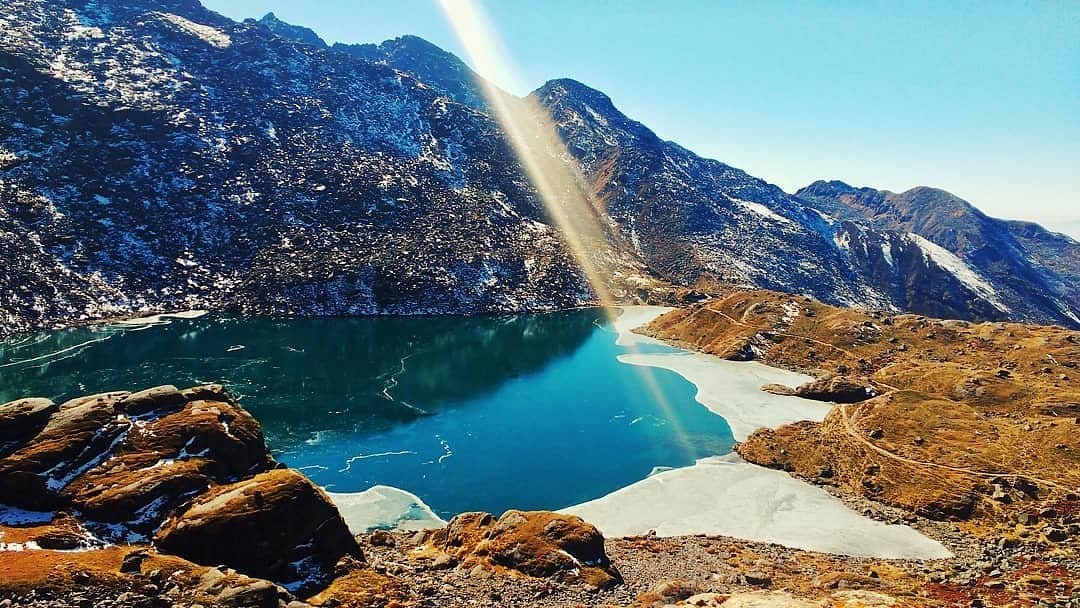
Table of Contents
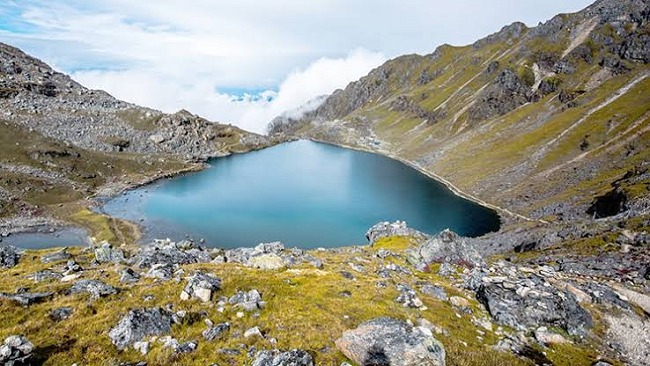
Yes, altitude sickness is a real risk on the Helambu Gosainkunda Trek, but it is a manageable one. The trek is moderate, non-technical and close to Kathmandu, yet it climbs from about 1,400 m to Gosaikunda Lake at roughly 4,361 m, with the Lauribina La pass at about 4,610 m nearby. Most of the risk sits in a short window: the nights at Ghopte (3,530 m) and Gosaikunda (4,361 m), especially on a compressed itinerary.
The good news is that altitude illness is largely preventable. Go up slowly, add a rest night where you can, drink well, know the warning signs and descend early if symptoms worsen. This guide shows you where the risk sits, what to watch for and how to reduce it.
For the full route, see the Helambu Gosaikunda Trek from Unique Sherpa Trek & Expedition.
Why Altitude Sickness Happens
The higher you go, the less oxygen each breath delivers. Your body can adapt, but adaptation takes time. If you gain height faster than your body adjusts, you may develop acute mountain sickness (AMS). Medical guidelines agree on a few key points:
- Altitude illness is uncommon below about 2,500 m, and risk rises with height and speed of ascent.
- Sleeping elevation matters more than the highest point you reach during the day.
- Above 3,000 m, the usual guidance is to raise your sleeping elevation by no more than about 500 m per day and to include a rest day every 3 to 4 days.
- Climbing high during the day and sleeping lower helps.
AMS is common at trekking altitudes. Studies cited in clinical references suggest that a sizeable share of unacclimatized people develop it at around 3,500 m, and even more of trekkers near 4,000 m, which is why Gosaikunda deserves respect.
How High Does the Helambu Gosainkunda Trek Go?
Point | Elevation |
|---|---|
Kathmandu (start and end) | about 1,396 m |
Sundarijal | 1,350 m |
Chisopani | 2,165 m |
Kutumsang | 2,446 m |
Tharepati Pass | 3,650 m |
Ghopte (overnight) | 3,530 m |
Gosaikunda Lake (overnight) | about 4,361 m (the lake is often quoted near 4,380 m) |
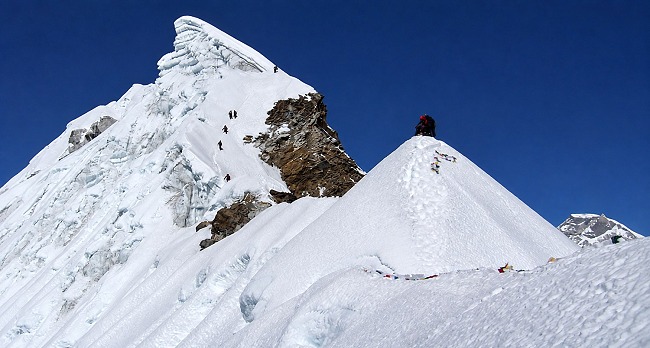
Lauribina La pass | about 4,610 m |
Sing Gompa / Chandan Bari | 3,250 m |
Dhunche | 1,960 m |
Compared with the Everest or Annapurna routes, the trek is short, but it gains height quickly from the second half of the itinerary onward.
Day-by-Day Altitude Risk on the Standard Itinerary
The standard compact schedule on the operator's page runs Kathmandu to Sundarijal and Chisopani, Kutumsang, Ghopte, Gosaikunda, Sing Gompa, Dhunche and back to Kathmandu. Here is what it means for your sleeping elevation:
Night | Sleeping altitude | Change from previous night | Risk comment |
|---|---|---|---|
Chisopani | 2,165 m | +about 770 m | Below the 3,000 m threshold; low risk for most people |
Kutumsang | 2,446 m | +about 280 m | Gentle gain; good stage to rest and hydrate |
Ghopte | 3,530 m | +about 1,080 m | First night above 3,000 m, and a big jump |
Gosaikunda | 4,361 m | +about 830 m | Highest sleeping point; larger gain than guideline |
Sing Gompa | 3,250 m | about 1,110 m lower | Good: descending relieves most altitude symptoms |
Dhunche | 1,960 m | about 1,290 m lower | Low risk |
What this tells you: on the compact schedule, two consecutive nights exceed the commonly recommended gain of about 500 m per day above 3,000 m, and there is no dedicated rest day built in before Gosaikunda. That does not mean you will get sick. Many fit trekkers complete this route without serious problems. It does mean you should treat the Ghopte and Gosaikunda nights as the higher-risk part of the trek and take extra care.
How to Lower the Risk Further
- Ask for a longer itinerary. The operator's page notes the trek can take 10 to 14 days depending on the plan. An extra night at Kutumsang, Tharepati or Ghopte makes the ascent gentler.
- Spend time at altitude beforehand. A few days at 2,000 to 3,000 m before the trek helps your body prepare.
- Add a buffer day at Gosaikunda if the schedule allows, with a short walk up and a return to sleep at the same height.
- Choose your season carefully. Spring (March to May) and autumn (September to November) offer stable weather, while winter brings cold, snow and ice around the lake and passes.
Who Is Most at Risk?
Anyone can develop altitude illness, regardless of fitness. You face higher risk if you:
- Have had altitude illness before
- Fly in and go high quickly with little time to adapt
- Are dehydrated, exhausted or under-eating
- Drink alcohol or take sedatives at altitude
- Have heart, lung or blood conditions (check with your doctor first)
Being young and fit does not protect you. Strong trekkers who ascend too fast sometimes get hit hardest, because they push the pace.
Symptoms to Watch For
Mild to Moderate AMS
The main symptom is a headache, usually together with one or more of:
- Nausea or loss of appetite
- Fatigue or weakness
- Dizziness or light-headedness
- Poor sleep
Symptoms often appear within hours to a day or two after reaching a new sleeping altitude and are often worst the first night or morning.
Danger Signs: HACE and HAPE
Mild AMS can progress. Seek immediate descent if you notice:
- Loss of coordination, stumbling or inability to walk in a straight line (a sign of high-altitude cerebral edema, HACE)
- Confusion, odd behavior or severe drowsiness
- Breathlessness at rest, a persistent or wet cough, chest tightness or tiredness out of proportion (signs of high-altitude pulmonary edema, HAPE)
- A severe headache that does not respond to simple painkillers
These conditions can be life-threatening. They are not "push through" situations.
How to Prevent Altitude Sickness on the Helambu Gosainkunda Trek
1. Ascend Slowly and Respect the Itinerary
Go at a steady pace, stop often and never race groups ahead. Walk at a pace where you can still talk comfortably.
2. Climb High, Sleep Low
Use afternoon rests and short walks to gain height, then sleep lower where possible. The descent to Sing Gompa after Gosaikunda is a natural benefit of this route.
3. Hydrate and Eat Well
Drink steadily throughout the day (around 3 to 4 liters is a common target) and eat even when your appetite dips. Dehydration makes symptoms worse and harder to read.
4. Avoid Alcohol and Sedatives
They can depress breathing during sleep, which is when oxygen levels are already lowest.
5. Tell Your Guide Early
Report headaches, nausea or dizziness right away. A good guide watches how you look and move, and can slow the group or change the plan.
6. Consider Medication Only With a Doctor
Some trekkers use acetazolamide (Diamox) for prevention, particularly when a fast ascent cannot be avoided. Discuss this with your doctor well before departure, along with any health conditions. Do not rely on medication in place of a slow ascent.
7. Do Not Rely on a Pulse Oximeter Alone
Oxygen readings can be useful as a rough guide but do not reliably diagnose altitude illness. How you feel and how you move matter more.
What to Do If You Develop Symptoms
- Stop going up. Do not ascend to a higher sleeping altitude while you have symptoms.
- Rest at the same level and drink fluids. Mild symptoms often settle within a day.
- Descend if symptoms worsen or do not improve. Even a few hundred meters lower can help.
- Descend immediately and arrange evacuation if you have any HACE or HAPE signs.
- Never leave someone with symptoms alone, and never let them descend by themselves if they are confused or unsteady.
Because this trek is relatively close to roads, descent options are comparatively good: Sing Gompa and Dhunche lie below Gosaikunda, and the route connects to the road network. Even so, weather and trail conditions can slow help, so insurance matters.
Insurance and Safety Planning
Travel insurance, including emergency helicopter evacuation and medical cover, is not included in the operator's package. Before you go:
- Check that your policy covers trekking up to at least 4,600 m
- Confirm it includes emergency evacuation and medical repatriation
- Carry digital and printed copies and share the details with your guide
- Pack a basic first-aid kit and any personal prescriptions
The package does include guides, porters, permits (including the Langtang National Park permit and TIMS card) and a basic first-aid kit carried by the team. Ask your operator how they handle altitude monitoring and emergencies.
Is the Helambu Gosainkunda Trek Safe for Beginners?
Yes, with preparation. The trek is rated moderate and non-technical, with teahouse accommodation, and is often chosen by first-time trekkers. It is also a good "training" trek before higher routes. But beginners should:
- Build fitness for 6 to 8 weeks beforehand with hiking, stairs and cardio
- Choose a schedule with extra acclimatization time if possible
- Pack warm layers, a good sleeping bag and waterproofs, because nights at Ghopte and Gosaikunda are cold
- Listen to their guide and be honest about symptoms
Altitude Sickness FAQs
Can you get altitude sickness on the Helambu Gosaikunda Trek?
Yes. The trek reaches about 4,361 m at Gosaikunda, and some trekkers feel altitude effects, particularly after the quick gain to Ghopte and Gosaikunda on shorter itineraries.
What is the highest point on the trek?
You sleep at about 4,361 m at Gosaikunda. The Lauribina La pass is around 4,610 m and is the highest point crossed on many routes.
How long does the Helambu Gosaikunda Trek take?
The compact itinerary runs 8 to 9 days including arrival and departure, while a more relaxed plan can take 10 to 14 days. Longer plans give your body more time to adapt.
Do I need Diamox?
Not everyone does. It is a decision to make with your doctor, based on your health history and itinerary. A slow ascent remains the most important protection.
Is Gosaikunda harder than Langtang Valley for altitude?
Gosaikunda is higher than most Langtang Valley stops, and its sleeping altitude gain is faster on short schedules, so it carries more altitude risk than lower Langtang routes.
What is the best time to do the trek?
Spring (March to May) and autumn (September to November) offer the most stable weather and clearest views.
What should I do if my headache gets worse at Gosaikunda?
Tell your guide, stop ascending and be ready to descend. Worsening headache with vomiting, unsteady walking or confusion means going down right away.
Related Treks and Guides
- Gosaikunda Lake Trek, a shorter route to the sacred lake
- Langtang Valley Trek, a classic lower-altitude Langtang option
- Tamang Heritage Trek, a cultural trail with gentler altitude
- Ganja-La Pass Trek, a longer, higher Langtang crossing
- Langtang Gosaikunda Heli Tour, a way to see the region without the climb
- Trekking permit fees in Nepal
- All trekking in Langtang region
For general reading on altitude illness prevention, see the UK Travel Health Pro altitude illness guide.
Final Thoughts
Altitude sickness is a genuine consideration on the Helambu Gosainkunda Trek, but it should not stop you from going. The route is short and scenic, with the sacred lake and the Lauribina La pass as rewards. Respect the height gain at Ghopte and Gosaikunda, build in extra time where you can, know the warning signs and make safety decisions early.
Ready to plan? Explore the Helambu Gosaikunda Trek, ask about a more gradual itinerary, or contact Unique Sherpa Trek & Expedition. More guides are on the Unique Sherpa Trek blog.