


Which Trek Is Best for Beginners in Nepal? 2026
.jpg)
Table of Contents
Nepal looks friendly in photos. Snow peaks, prayer flags, smiling locals, perfect trails. Trekking here is not a casual weekend walk. Altitude, steep climbs, and changing weather can turn a “fun trip” into a struggle fast if you pick the wrong route.
Nepal offers everything from short scenic hikes to high-altitude Himalayan expeditions. For beginners, choosing the wrong trek can lead to exhaustion, altitude sickness, or a bad first trekking experience. The right route builds confidence, helps your body adapt gradually, and allows you to enjoy the mountains safely.
So the real question is simple: which trek is actually best for beginners in Nepal?
What “Beginner Trek” Actually Means in Nepal
A beginner trek in Nepal doesn’t mean “easy like hiking in a park.” It means:
- Maximum altitude usually under 4,000m–4,500m
- Good tea house facilities
- Clear trails (no technical climbing)
- Short to moderate duration (3–10 days)
- Reasonable daily walking (4–7 hours)
- Manageable altitude gain with acclimatization
The Himalayas do not care about confidence or social media motivation. Good planning matters more than excitement.
Best Trek for Beginners in Nepal
Here are the safest and most realistic beginner-friendly treks.
1. Ghorepani Poon Hill Trek
This is the most recommended first trek in Nepal—and for good reason.
Why it’s perfect:
- Short duration (4–5 days)
- Easy access from Pokhara
- Comfortable tea houses
- Famous sunrise view from Poon Hill (3,210m)
- No extreme altitude risk
What you experience:
- Rhododendron forests
- Gurung villages
- Annapurna and Dhaulagiri views
- Well-managed trails
This trek gives beginners a complete Himalayan trekking experience without pushing the body into dangerous altitude zones.
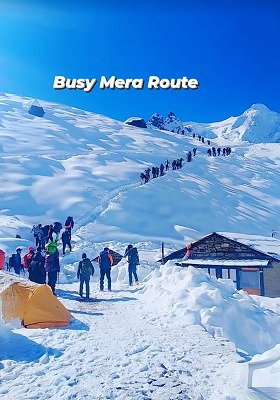
2. Mardi Himal Trek
This one feels more remote but is still beginner-friendly if you are reasonably fit.
Why it stands out:
- Less crowded than Annapurna Base Camp
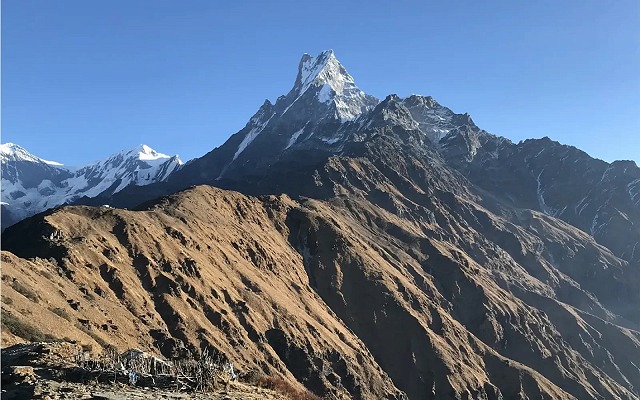
- Close-up views of Machapuchare (Fishtail)
- Short trek (5–7 days)
- Ridge walking experience
- Mardi Himal Base Camp reaches around 4,500m
This trek introduces beginners to higher-altitude trekking while remaining manageable with proper pacing.
3. Langtang Valley Trek
Located close to Kathmandu, this is one of the most balanced beginner treks in Nepal.
Highlights:
- Tamang culture and villages
- Langtang Lirung mountain views
- Kyanjin Gompa (3,870m)
- Less crowded than Everest or Annapurna routes
- Short trek (7 – 10 days)
Langtang offers a strong combination of culture, scenery, and manageable altitude for first-time trekkers who want a more complete trekking experience.
4. Nagarkot–Chisapani Trek
If you are extremely new and want a soft introduction, this is the entry point.
Why choose it:
- Very close to Kathmandu
- Short duration (2–3 days)
- Sunrise and Himalayan views
- Forest and village walk
This route works well for families, beginners, and travelers who want a short Himalayan hiking experience before attempting larger treks.
5. Annapurna Base Camp Trek
Yes, beginners do it. But it is NOT easy.
Why it’s popular:
- Base camp at 4,130m
- Close mountain views
- Well-developed route
- 7–10 days duration
Challenges:
- Long stone steps (especially near Chhomrong)
- Higher altitude risk
- Physically demanding trekking days
This trek is beginner-friendly only if you are FIT and properly prepared. Otherwise, it becomes exhausting very quickly.
Best Time for Beginner Treks in Nepal
Timing matters more than beginners realize.
Spring (March to May)
- Clear skies
- Rhododendron blooms
- Comfortable temperatures
- Stable trekking conditions
Autumn (September to November)
- Best mountain visibility
- Dry and stable trails
- Moderate weather
- Most popular trekking season
Winter works for lower-altitude treks like Poon Hill and Nagarkot. Monsoon season brings slippery trails, leeches, and poor visibility in many areas.
Common Mistakes Beginners Make in Nepal
This is where many first-time trekkers fail.
- Choosing Everest Base Camp as a first trek
- Underestimating altitude sickness
- Ignoring physical preparation before arrival
- Rushing itinerary to save money
- Walking too fast at altitude
Nepal rewards patience, not ego.
How to Choose the Right Trek
Ask yourself honestly:
1. Fitness Level
- Low fitness → Poon Hill / Nagarkot
- Medium fitness → Langtang / Mardi Himal
- Good fitness → Annapurna Base Camp
2. Time Available
- 2–4 days → Nagarkot / short hikes
- 5–7 days → Poon Hill / Mardi Himal
- 7–10 days → Langtang / ABC
3. Experience Mindset
- First hiking experience → Poon Hill
- Some hiking background → Langtang
- Strong endurance → ABC
Choosing a trek beyond your fitness level usually ruins the experience.
Should Beginners Hire a Guide?
For first-time trekkers, hiring a licensed guide is highly recommended.
A guide helps with:
- navigation
- accommodation management
- altitude awareness
- local communication
- weather and safety decisions
Popular trekking routes are manageable, but guided trekking removes unnecessary stress and improves safety.
What Beginners Should NOT Ignore
If you ignore these points, your trek becomes harder than it should be:
- Walk slowly (seriously, ego destroys trekkers here)
- Hydration is not optional
- Altitude sickness is real even below 4,000m
- Himalayan weather changes fast
- Proper trekking shoes matter more than fancy gear
- Rest and acclimatization are part of success
Final Thoughts from Nepal Reality
There is no “easy trek” in Nepal in the way people imagine. There are only well-chosen treks and badly chosen ones.
Nepal rewards patience, preparation, and realistic decisions. Your first trek should build experience, not destroy confidence. Choose a route that matches your body, not your ego. The mountains will still be there for bigger adventures later.
Because in the Himalayas, success is not about speed—it’s about how well your body adapts to the mountains.
Contact Unique Sherpa Trek & Expedition today and take the first step toward turning your Nepal trekking dream into reality.
.jpg)