

First Time Trekking in Nepal? Read This Before You Book Anything
Table of Contents
If you are planning your first time trekking in Nepal, you are probably feeling a mix of excitement, confusion, nervousness, and curiosity all at once. One moment you are watching beautiful Everest videos on YouTube, and the next moment you are lying in bed at 2 AM searching Google with questions like, “Can beginners trek in Nepal?” or “Will I survive the stairs?” Honestly, almost every first-time trekker feels this way before coming to Nepal.
The good news is simple: yes, you absolutely can do it.
You do not need to be a professional athlete. You do not need expensive climbing experience. You do not need giant muscles or superhuman stamina. Thousands of ordinary people travel to Nepal every single year for trekking adventures. Some are students taking a break from university life. Some are office workers escaping their stressful routines. Some are retired parents finally checking a dream off their bucket list. And many people have never even walked on a mountain trail before arriving in Nepal.
That is the beauty of trekking in Nepal. The mountains do not only belong to expert climbers. They welcome regular people from all around the world.
However, before booking any Nepal trekking package, there are many important things you should understand. Small mistakes during trekking can make your trip unnecessarily difficult. Good preparation can turn your journey into one of the greatest adventures of your life. This beginner-friendly Nepal trekking guide will explain everything in very simple words so anyone can understand it easily. No complicated mountain language. No boring robotic travel talk. Just honest advice like a friend helping you prepare for your first Himalayan adventure.
Why Is Nepal Famous for Trekking?
Nepal is basically a giant playground for trekkers.
The country is home to:
Mount Everest
Annapurna
Manaslu
Langtang
Hundreds of beautiful mountain villages
Ancient monasteries
Friendly local people
Forests, rivers, suspension bridges, glaciers, and snow-covered peaks
Trekking in Nepal is not just “walking.” It feels like entering another world.
One day you are eating noodles in Kathmandu. A few days later, you are drinking tea surrounded by giant mountains while yaks walk past you like they own the road. (They kind of do.)
That is why Nepal is one of the best trekking destinations in the world.
First Time Trekking Nepal: What Does Trekking Actually Mean?
A lot of beginners think trekking means dangerous climbing with ropes and ice axes.
Nope.
Most popular treks in Nepal are walking adventures through mountain trails and villages. You walk for several hours every day, sleep in tea houses or lodges, eat warm meals, and continue the next day.
You do NOT need climbing experience for famous beginner treks like:
- Annapurna Base Camp Trek
- Langtang Valley Trek
- Ghorepani Poon Hill Trek
- Everest Base Camp Trek (yes, even this one)
Some treks are harder than others, but many are beginner-friendly.
Can Beginners Really Trek in Nepal?
This is probably one of the most searched questions online, and the answer is a big yes.
Many people doing beginner trekking in Nepal have never done a serious hike before arriving here. The important thing is choosing the right trek according to your fitness, comfort level, and experience.
If a beginner immediately chooses an extremely difficult high-altitude route without preparation, the experience can become exhausting and unpleasant. But if you start with a beginner-friendly trekking route and listen carefully to your guide, there is a very high chance you will enjoy the adventure safely.
The best beginner treks usually have comfortable tea houses, good food availability, lower altitude, easier walking paths, and enough acclimatization time. These things make a huge difference for first-time trekkers.
Many beginners are surprised to discover that mental patience matters more than being super athletic. Trekking in Nepal is often about walking slowly, breathing steadily, and staying consistent rather than trying to walk fast.
Interestingly, people who try to rush uphill usually struggle more than calm, slow walkers. The mountains teach patience very quickly.
Best Treks in Nepal for Beginners
1. Ghorepani Poon Hill Trek
This is one of the best beginner treks in Nepal.
Why?
- Short trek
- Easy trails
- Amazing mountain views
- Comfortable lodges
- Great sunrise viewpoint
You will see Annapurna and Dhaulagiri mountains without suffering too much.
And yes, your knees will still complain during stair sections. Nepal has stairs everywhere. The mountains apparently love leg workouts.
2. Langtang Valley Trek
Perfect for people wanting:
- Fewer crowds
- Beautiful landscapes
- Local Tamang culture
- Easier altitude compared to Everest
Langtang is close to Kathmandu, which makes it a great choice for first-time trekkers.
3. Annapurna Base Camp Trek
This trek is slightly harder but still very popular for beginners.
Why people love it:
- Diverse landscapes
- Mountain views everywhere
- Beautiful villages
- Natural hot springs
- Incredible sunrise moments
Walking into Annapurna Base Camp feels unreal. Mountains surround you from every direction like giant stone walls.
4. Everest Base Camp Trek
Yes, beginners do this trek too.
But here is the truth:
It is not technically difficult, but the altitude makes it challenging.
You need:
- Proper acclimatization
- Good pacing
- Mental patience
- Warm clothing
- A reliable trekking company
If you rush, altitude sickness can ruin your trek.
Slow walkers usually do better in Nepal than “I-go-to-the-gym-six-days-a-week” people who try to sprint uphill.
The mountains do not care about your ego.
Best Time for Trekking in Nepal
Choosing the right season is very important.
Spring (March to May)
This is one of the best seasons for trekking in Nepal.
You get:
- Clear mountain views
- Rhododendron flowers
- Warm temperatures
- Good trekking conditions
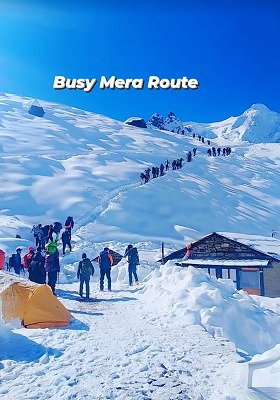
Trails are busy because everybody loves spring.
Autumn (September to November)
This is the most popular trekking season.
Why?
- Stable weather
- Blue skies
- Crisp mountain views
- Comfortable temperatures
If Nepal had a “VIP trekking season,” this would be it.
Winter (December to February)
Possible for lower-altitude treks.
Good for:
- Quiet trails
- Peaceful experience
- Fewer tourists
But high-altitude areas become very cold.
Your morning water bottle may become ice before you even brush your teeth.
Monsoon (June to August)
Usually not recommended for beginners.
Why?
- Rain
- Muddy trails
- Leeches
- Cloudy mountain views
The mountains are beautiful, but the trails can feel like a slippery noodle disaster.
How Difficult Is Trekking in Nepal?
This depends on:
- Altitude
- Trek duration
- Your fitness
- Weather
- Trekking route
The hardest part for most beginners is NOT the walking.
It is:
- Walking uphill for hours
- Thin air at high altitude
- Cold mornings
- Long stair sections
You do not need to become an Olympic athlete, but basic fitness helps a lot.
If you can:
- Walk regularly
- Climb stairs
- Do light cardio
- Stay active
You are already preparing better than many trekkers.
Altitude Sickness: The Thing You Must Respect
This is very important.
Altitude sickness happens when your body struggles with less oxygen at high elevation.
Symptoms may include:
- Headache
- Nausea
- Dizziness
- Loss of appetite
- Fatigue
The golden rule:
DO NOT IGNORE IT.
Good trekking guides monitor your condition carefully.
To reduce risk:
- Walk slowly
- Drink water
- Avoid alcohol
- Take acclimatization days
- Sleep properly
In Nepal trekking, slow and steady wins the race.
Do You Need a Guide in Nepal?
For many trekking regions in Nepal, guides are now required or strongly recommended.
And honestly?
For beginners, guides are a huge help.
A good guide:
- Handles logistics
- Keeps you safe
- Explains local culture
- Helps during emergencies
- Finds good tea houses
- Encourages you when your legs start questioning life choices
Porters are also incredibly helpful.
They carry heavy bags while casually walking faster than everybody else. Nepalese porters are basically mountain superheroes.
Tea Houses in Nepal: What Are They Like?
Tea houses are small mountain lodges where trekkers eat and sleep.
They are simple but cozy.
Most tea houses offer:
- Beds
- Blankets
- Meals
- Tea and coffee
- Charging facilities
- Basic toilets
At lower altitudes, some tea houses are surprisingly comfortable.
At higher altitudes, things become simpler.
Do not expect luxury hotel standards at 5,000 meters. The mountain is not hiding a five-star spa behind the glacier.
But honestly, after a long trekking day, even a simple hot soup tastes magical.
Food During Trekking in Nepal
You will eat A LOT.
Popular trekking meals include:
- Dal Bhat
- Fried rice
- Noodles
- Pasta
- Soup
- Momos
- Pancakes
- Eggs
- Potatoes
Dal Bhat is the king of trekking food.
Nepalese people say:
“Dal Bhat power, 24 hours.”
And somehow… they are correct.
It gives energy, warmth, and unlimited refills in many places.
What to Pack for Your First Trek in Nepal
Beginners often make two mistakes:
- Packing too much
- Packing the wrong things
You do not need your entire wardrobe.
Important items include:
- Good trekking shoes
- Warm jacket
- Layers of clothing
- Water bottle
- Gloves
- Hat
- Sunglasses
- Sunscreen
- Power bank
- Basic medicine
Do not bring giant unnecessary luggage.
Every extra kilogram feels heavier on mountain trails.
At some point, you will stare at your backpack wondering why you packed three pairs of jeans like you were attending a fashion show on Everest.
How Expensive Is Trekking in Nepal?
Nepal is cheaper than many trekking destinations worldwide, but prices depend on:
- Trek region
- Trek duration
- Flights
- Guide services
- Accommodation quality
- Transportation
A Nepal trekking package usually includes:
- Guide
- Porter
- Accommodation
- Meals
- Transportation
- Permits
Always check what is included before booking.
Cheap packages sometimes hide costs.
If a trekking deal looks suspiciously cheap, ask questions. Mountains are not the place for unpleasant surprises.
How to Choose the Right Nepal Trekking Package
This is extremely important for beginners.
Before booking:
- Read reviews
- Check company experience
- Ask about guide licenses
- Compare inclusions
- Understand cancellation policies
- Ask about safety procedures
A good trekking company cares about your safety, not just your payment.
Look for companies that communicate clearly and answer your questions honestly.
Nepal Trekking Tips for Beginners
Walk Slowly
This is not a race.
The mountain is not running away.
Drink More Water Than You Think
Dehydration makes altitude problems worse.
Listen to Your Guide
Your guide knows the mountains better than Google.
Bring Snacks
Chocolate, nuts, and energy bars become emotional support during long uphill climbs.
Respect Local Culture
Nepal is deeply cultural and spiritual.
Be polite in villages and monasteries.
Expect Basic Conditions
Mountain life is simple.
Sometimes:
- Wi-Fi disappears
- Hot showers cost extra
- Electricity becomes limited
And honestly?
That is part of the adventure.
Mental Preparation Matters More Than You Think
Many beginners focus only on physical fitness.
But trekking is also mental.
Some days you feel amazing.
Other days:
- You feel tired
- Your legs hurt
- You miss pizza
- You question your decisions halfway up a hill
That is normal.
The key is continuing slowly.
And then suddenly:
You reach a viewpoint.
Clouds open.
Snowy mountains appear.
And your brain forgets all the suffering for five magical minutes.
Then the uphill starts again.
Why Trekking in Nepal Feels So Special
It is not only about mountains.
It is about:
- Meeting kind people
- Sharing tea with locals
- Hearing prayer flags flutter in the wind
- Watching sunrise over Himalayan peaks
- Disconnecting from busy life
- Feeling small in a good way
Nepal changes people.
Many trekkers come for mountains but leave with memories they never expected.
Final Thoughts: Should You Trek in Nepal as a Beginner?
Yes.
Absolutely yes.
If you choose the right trek, prepare properly, and travel with a trusted trekking company, your first trek in Nepal can become one of the best experiences of your life.
- You do not need to be fearless.
- You do not need to be perfect.
- You just need curiosity, patience, and a willingness to walk one step at a time.
The Himalayas are not only for expert climbers.
They are for dreamers, first-time trekkers, adventure lovers, and ordinary people looking for something unforgettable.
And who knows?
Maybe your first trek in Nepal will not be your last.
.jpg)