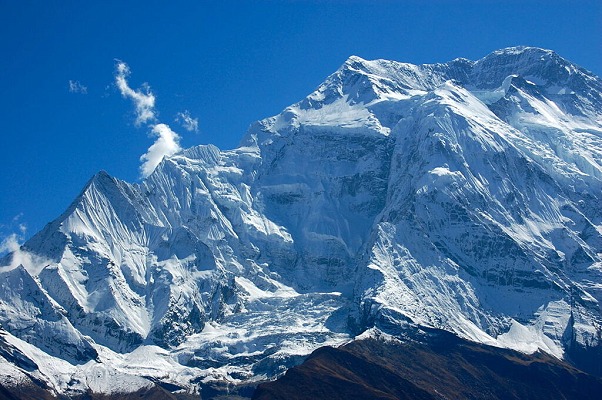



Is Altitude Sickness Dangerous on Nepal Treks? How to Prevent It
.jpg)
Table of Contents
Altitude sickness in Nepal treks stands as one of the most serious risks in the Himalayas. Many trekkers focus on views, routes, and cost. Fewer focus on altitude safety. This mistake leads to avoidable problems.
Nepal trekking routes such as Everest Base Camp, Annapurna Base Camp, Manaslu Circuit, and Langtang Valley all reach high elevation. Oxygen levels drop as you ascend. Your body needs time to adjust. Without proper acclimatization, altitude sickness can develop quickly.
Unique Sherpa Treks manages treks with strong safety protocols. This guide explains altitude sickness in Nepal treks, how dangerous it is, and how to prevent it with practical steps.
What Is Altitude Sickness?
Altitude sickness, also known as Acute Mountain Sickness (AMS), occurs when your body fails to adapt to reduced oxygen levels at high altitude.
At sea level, oxygen remains stable. At 3,000 meters and above, oxygen pressure drops. Your body struggles to function normally. This leads to symptoms that affect your breathing, brain, and physical performance.
Altitude sickness can affect anyone. Fitness level does not guarantee protection. Even experienced trekkers face risk.
Is Altitude Sickness Dangerous?
Yes. Altitude sickness can turn dangerous if ignored.
Mild symptoms remain manageable. Severe cases lead to life-threatening conditions such as:
- High Altitude Pulmonary Edema (HAPE) – fluid in lungs
- High Altitude Cerebral Edema (HACE) – swelling in brain
These conditions require immediate descent and medical attention. Delay can lead to fatal outcomes.
Most serious cases happen when trekkers continue ascending despite symptoms. This is the biggest mistake.
Common Symptoms of Altitude Sickness
Recognizing symptoms early helps prevent danger.
Mild Symptoms (AMS)
- Headache
- Loss of appetite
- Nausea
- Fatigue
- Dizziness
- Difficulty sleeping
These symptoms often appear above 2,500 to 3,000 meters.
Severe Symptoms (Emergency)
- Severe headache
- Vomiting
- Shortness of breath at rest
- Confusion or disorientation
- Loss of coordination
- Chest tightness
These signs require immediate descent.
At What Altitude Does Risk Start?
Altitude sickness risk increases above 2,500 meters.
Common trekking altitudes in Nepal:
- Namche Bazaar: 3,440 m
- Dingboche: 4,410 m
- Everest Base Camp: 5,364 m
- Thorong La Pass: 5,416 m
- Annapurna Base Camp: 4,130 m
Trekkers must follow proper acclimatization above 3,000 meters.
Why Altitude Sickness Happens
The main cause is rapid ascent.
Other factors include:
- Lack of acclimatization
- Dehydration
- Overexertion
- Alcohol or smoking
- Poor nutrition
- Ignoring early symptoms
The body needs time to produce more red blood cells and adjust to lower oxygen levels.
How to Prevent Altitude Sickness on Nepal Treks
Prevention remains the best strategy.
1. Follow Proper Acclimatization
- Gain altitude gradually
- Do not increase sleeping altitude too fast
- Include rest days at key points
Example: Stay two nights at Namche Bazaar during Everest Base Camp Trek.
2. Walk Slowly and Maintain Pace
- Avoid rushing
- Maintain steady breathing
- Take regular breaks
Slow trekking allows your body to adapt.
3. Stay Hydrated
- Drink 3 to 4 liters of water daily
- Avoid dehydration
Hydration helps oxygen flow and body function.
4. Eat Proper Meals
- Focus on carbohydrate-rich food
- Maintain energy levels
Food supports acclimatization.
5. Avoid Alcohol and Smoking
- Alcohol reduces oxygen efficiency
- Smoking affects lung performance
Avoid both during high-altitude trekking.
6. Use Medication If Needed
Doctors may recommend medication such as Diamox.
- Helps speed up acclimatization
- Must be taken under medical advice
Do not self-medicate without guidance.
7. Listen to Your Body
- Do not ignore symptoms
- Inform your guide immediately
- Rest if symptoms appear
Early response prevents serious issues.
What to Do If Symptoms Appear
Take action immediately.
- Stop ascending
- Rest at the same altitude
- Drink fluids
- Inform your guide
If symptoms worsen:
- Descend at least 300 to 500 meters
- Seek medical help
Descent remains the most effective treatment.
Role of Guides in Altitude Safety
Experienced guides play a key role.
Unique Sherpa Treks guides:
- Monitor your condition daily
- Adjust itinerary if needed
- Provide first aid support
- Arrange emergency evacuation if required
Guided trekking increases safety.
High-Risk Treks for Altitude Sickness
Some treks carry higher risk due to altitude gain.
- Everest Base Camp Trek
- Annapurna Circuit Trek (Thorong La Pass)
- Manaslu Circuit Trek
- Kanchenjunga Base Camp Trek
Proper planning becomes essential for these routes.
Myths About Altitude Sickness
Clear common misunderstandings.
- “Only beginners get altitude sickness” – False
- “Fitness prevents altitude sickness” – False
- “Young trekkers are safe” – False
Anyone can get altitude sickness.
Best Time to Reduce Risk
Spring and autumn offer stable conditions.
- Clear weather
- Better oxygen adaptation
- Lower stress on body
Avoid extreme cold or heavy rain seasons for better safety.
Final Advice from Unique Sherpa Treks
Altitude sickness in Nepal treks is serious but manageable with the right approach. Preparation, awareness, and discipline reduce risk.
- Trek slowly
- Follow acclimatization plans
- Stay hydrated and eat well
- Respect your body signals
Unique Sherpa Treks focuses on safety, proper pacing, and experienced guiding to ensure a safe trekking experience across Nepal.
A safe trek leads to a successful and memorable journey in the Himalayas.
Contact Unique Sherpa Trek & Expedition today and take the first step toward turning your Nepal trekking dream into reality.