


Manaslu Conservation Area: Nepal's Untouched Himalayan Sanctuary

Table of Contents
Introduction to Manaslu Conservation Area
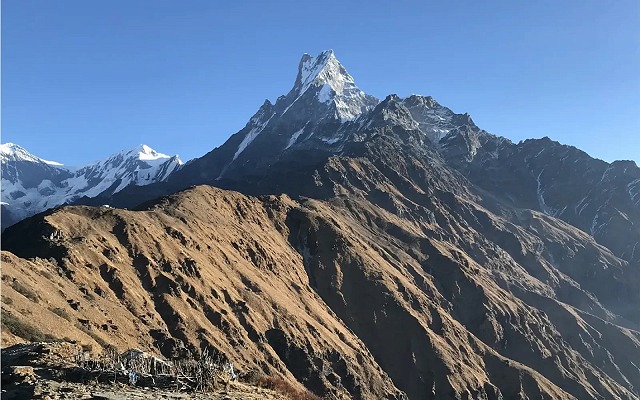
Manaslu Conservation Area is one of Nepal’s most remote and culturally preserved Himalayan regions. Located in Gorkha District and bordering Tibet, this protected area safeguards Mount Manaslu, the eighth-highest mountain in the world at 8,163 meters. Established in 1998, the conservation area remains less crowded than Everest and Annapurna, offering raw landscapes and deep cultural authenticity.
Location and Geographic Coverage
Manaslu Conservation Area stretches from low river valleys at around 600 meters to high alpine and glacial terrain above 8,000 meters. Covering approximately 1,663 square kilometers, the region follows the Budhi Gandaki River north toward the Tibetan plateau. The terrain changes dramatically from subtropical forests to snowbound mountain passes.
Importance of Manaslu Conservation Area
The conservation area protects fragile Himalayan ecosystems and ancient trans-Himalayan trade routes. It supports thousands of residents from Gurung, Nubri, and Tibetan-origin communities. Controlled access helps preserve traditional lifestyles, architecture, language, and religion.
Biodiversity in Manaslu Conservation Area
Manaslu Conservation Area contains diverse ecosystems due to its wide altitude range.
Flora
• Subtropical forests with sal, bamboo, and rhododendron
• Temperate forests of pine, oak, and juniper
• Alpine grasslands and high-altitude shrubs
Fauna
• Snow leopard
• Himalayan tahr
• Musk deer
• Blue sheep
• Red panda
• Himalayan monal
The area provides critical habitat for endangered wildlife.
Culture and Local Communities
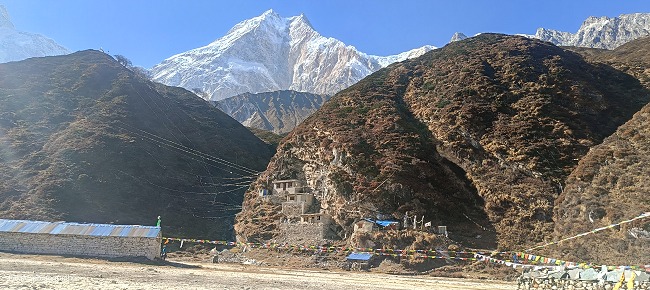
The region reflects strong Tibetan Buddhist influence. Prayer wheels, chortens, mani walls, and monasteries shape village life. Farming, yak herding, and trade remain central livelihoods.
Major Villages
• Jagat
• Deng
• Namrung
• Samagaon
• Samdo
Villagers speak Tibetan-derived languages and follow traditional festivals based on the lunar calendar.
Manaslu Circuit Trek
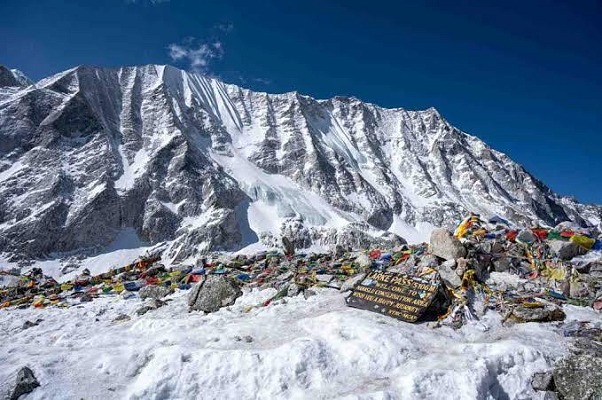
The Manaslu Circuit Trek is the main attraction within the conservation area. The trail circles Mount Manaslu and crosses the high Larkya La Pass at 5,160 meters.
Trek Highlights
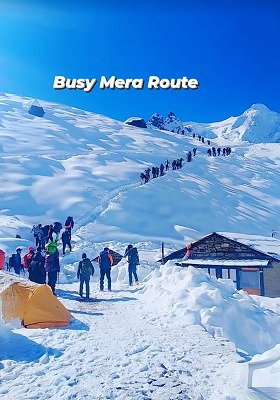
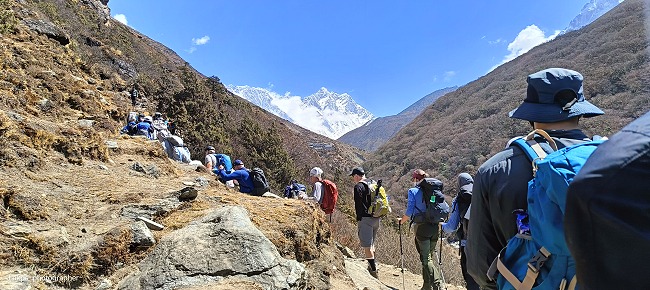
• Remote trails with low tourist density
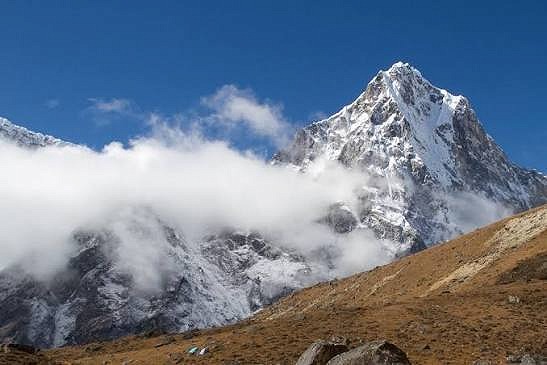
• Dramatic glacier and mountain scenery
• Cultural immersion in Nubri and high Himalayan villages
• One of Nepal’s longest mountain passes
The trek typically takes 12 to 16 days and requires a licensed guide.
Permits Required for Manaslu Conservation Area
Trekkers must obtain specific permits due to restricted-area regulations.
Required Permits
• Manaslu Restricted Area Permit
• Manaslu Conservation Area Permit
• Annapurna Conservation Area Permit
Permit fees contribute directly to conservation and community development.
Best Time to Visit Manaslu Conservation Area
Spring and autumn offer the best trekking conditions.
Spring Season
• March to May
• Stable weather
• Rhododendron blooms
• Clear mountain views
Autumn Season
• September to November
• Dry trails
• Sharp visibility
• Ideal conditions for high passes
Winter brings heavy snow, while monsoon causes landslides and trail disruption.
Sustainable Tourism and Conservation Efforts
The Manaslu Conservation Area Project promotes community-led conservation. Revenue supports schools, health posts, trail maintenance, and renewable energy.
Key Conservation Initiatives
• Regulated trekking numbers
• Waste management systems
• Wildlife protection programs
• Alternative energy use
Local involvement ensures long-term sustainability.
Why Choose Manaslu Conservation Area
Manaslu offers an experience shaped by isolation and authenticity.
Key Advantages
• Fewer trekkers compared to Everest and Annapurna
• Preserved culture and traditions
• Diverse landscapes within one trek
• Challenging terrain without extreme technical demands
Travel Tips for Manaslu Conservation Area
• Trek with a registered agency and licensed guide
• Carry enough cash. No ATMs beyond Arughat
• Expect basic teahouses at higher elevations
• Respect religious sites and local customs
• Prepare for rapid weather changes
Conclusion
Manaslu Conservation Area represents the Himalayas in their most natural form. Towering peaks, deep valleys, rare wildlife, and living traditions define this protected region. Controlled tourism helps maintain its identity while supporting local communities. For trekkers seeking authenticity, solitude, and scale, Manaslu stands among Nepal’s finest destinations.
Contact Unique Sherpa Trek & Expedition today and take the first step toward turning your Nepal trekking dream into reality.
.jpg)