


World Heritage Sites in Nepal

Table of Contents
Nepal is home to 10 UNESCO World Heritage Sites, representing ancient civilization, sacred traditions, royal history, and exceptional biodiversity. Seven of these sites lie within the Kathmandu Valley, one marks the birthplace of Lord Buddha, and two protect rare natural ecosystems. Together, they showcase Nepal’s global cultural and environmental significance.
Cultural World Heritage Sites in Kathmandu Valley
Kathmandu Durbar Square
Kathmandu Durbar Square served as the royal palace complex of the Malla and Shah kings. Hanuman Dhoka Palace stands at its center, surrounded by pagoda-style temples and courtyards. The Kumari Ghar houses the Living Goddess Kumari, worshipped during major festivals like Indra Jatra. Intricate wood carvings and stone sculptures reflect centuries of craftsmanship. Despite earthquake damage in 2015, restoration continues using traditional architectural techniques.
Patan Durbar Square
Patan Durbar Square, located in Lalitpur, displays outstanding Newari architecture. The Krishna Mandir, built entirely of stone, stands as a masterpiece of Shikhara style design. Patan Museum preserves bronze statues and sacred artifacts. The Golden Temple reflects the city’s strong Buddhist heritage. Patan remains a living center of metalwork and wood carving traditions.
Bhaktapur Durbar Square
Bhaktapur Durbar Square preserves medieval urban design and culture. The five-story Nyatapola Temple is the tallest pagoda in Nepal. The 55 Window Palace demonstrates exceptional wood carving skills. Pottery Square highlights traditional clay craftsmanship still practiced today. Festivals like Bisket Jatra keep ancient customs alive.
Swayambhunath Stupa
Swayambhunath, also known as the Monkey Temple, stands on a hill overlooking Kathmandu Valley. The stupa dates back more than 1,500 years. The white dome symbolizes purity, while the painted Buddha eyes represent wisdom. Both Hindus and Buddhists worship here, reflecting Nepal’s religious harmony. The site offers panoramic views of the valley.
Boudhanath Stupa
Boudhanath is one of the largest spherical stupas in the world. It serves as a major center of Tibetan Buddhism. Monasteries surround the massive white dome, and pilgrims walk clockwise while spinning prayer wheels. The site became especially significant after Tibetan refugees settled here in the 1950s. The atmosphere reflects deep spiritual devotion.
Pashupatinath Temple
Pashupatinath Temple is Nepal’s most sacred Hindu shrine dedicated to Lord Shiva. Located on the banks of the Bagmati River, it hosts daily rituals and cremation ceremonies. Only Hindus may enter the main temple, but visitors can observe activities from across the river. The evening aarati ceremony draws large numbers of devotees.
Changu Narayan Temple
Changu Narayan is the oldest Hindu temple in Nepal, dating back to the 4th century. Dedicated to Lord Vishnu, the temple features detailed stone carvings from the Licchavi period. Ancient inscriptions provide valuable historical records. The hilltop location offers peaceful surroundings and insight into early Nepali art.
Lumbini – Birthplace of Lord Buddha
Maya Devi Temple and Sacred Garden
Lumbini marks the birthplace of Siddhartha Gautama in 623 BCE. The Maya Devi Temple protects the exact birth site identified by archaeological remains. The Ashoka Pillar, erected in the 3rd century BCE, confirms the historical authenticity of the location. The surrounding monastic zone contains monasteries built by Buddhist communities from around the world, symbolizing global peace and unity.
Natural World Heritage Sites in Nepal
Chitwan National Park
Established in 1973, Chitwan National Park covers over 932 square kilometers of forests and grasslands. It protects endangered species such as the one-horned rhinoceros and Bengal tiger. The park also shelters hundreds of bird species and diverse wildlife. Visitors experience jungle safaris, canoe rides, and bird watching. Conservation efforts have significantly increased rhino populations.
Sagarmatha National Park
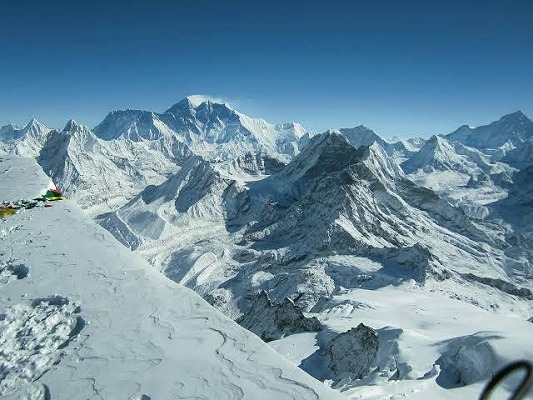
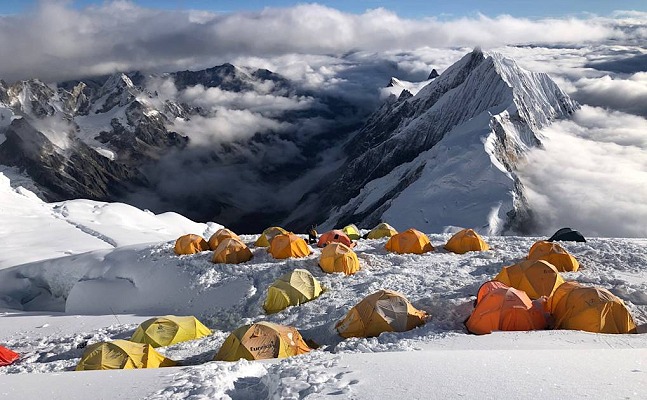
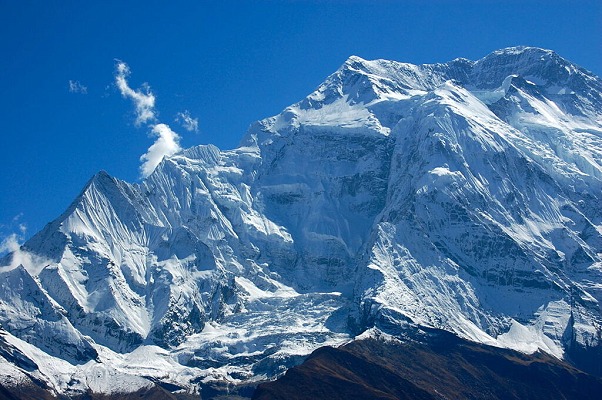
Sagarmatha National Park includes Mount Everest, the highest peak in the world at 8,848.86 meters. The park protects glaciers, alpine forests, and high-altitude ecosystems in the Khumbu region. Rare species like snow leopards and red pandas inhabit the area. Sherpa communities preserve strong cultural traditions within the park. It remains one of the most visited trekking destinations globally.
Importance of Nepal’s World Heritage Sites
Nepal covers only 147,516 square kilometers, yet it holds 10 UNESCO World Heritage Sites. This concentration reflects the country’s deep cultural heritage and ecological diversity. These sites support tourism, generate employment, and preserve ancient traditions. Conservation and restoration efforts continue to protect these landmarks from natural disasters and environmental threats.
Conclusion
Nepal’s World Heritage Sites connect history, spirituality, architecture, and nature in one compact nation. From royal palaces and sacred temples to wildlife reserves and the world’s highest mountain, each site holds global value. Visiting these places provides insight into Nepal’s identity and its contribution to world civilization.
Contact Unique Sherpa Trek & Expedition today and take the first step toward turning your Nepal trekking dream into reality.