


Mera Peak Climbing: Complete Guide for First-Time Himalayan Climbers

Table of Contents
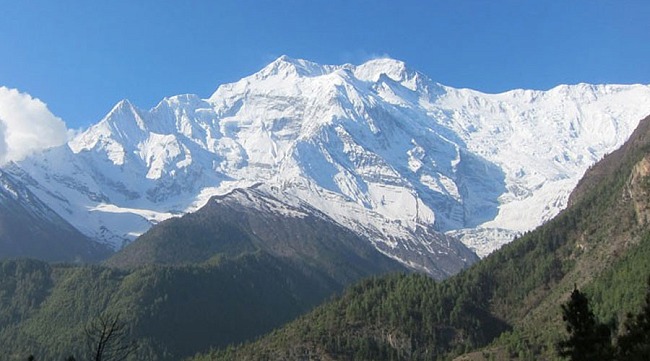
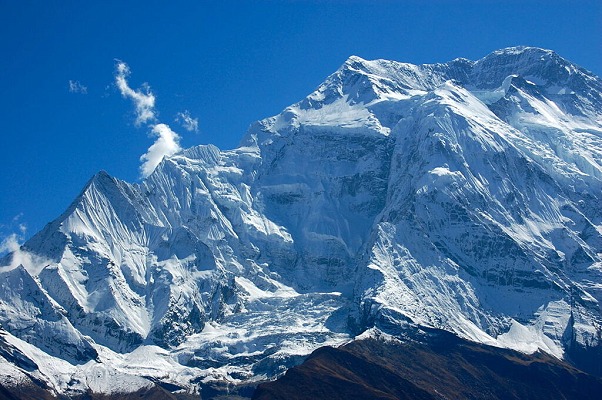
Mera Peak stands among the most popular trekking peaks in Nepal and offers an excellent introduction to Himalayan mountaineering. Located in the remote Hinku Valley of the Everest region, this mountain rises to about 6,476 meters (21,247 ft) above sea level and provides one of the most spectacular viewpoints in the Himalayas.
For climbers seeking their first 6000-meter summit, Mera Peak climbing delivers the perfect combination of trekking adventure, glacier travel, and high-altitude mountaineering experience. Unique Sherpa Treks organizes guided expeditions designed for trekkers who want to step beyond trekking and experience their first Himalayan summit.
Overview of Mera Peak Climbing
Mera Peak is widely considered Nepal’s highest trekking peak, making it a dream destination for climbers who want to experience high altitude without extremely technical climbing routes.
The mountain contains three main summits:
• Mera North – 6,476 m
• Mera Central – 6,461 m
• Mera South – 6,065 m
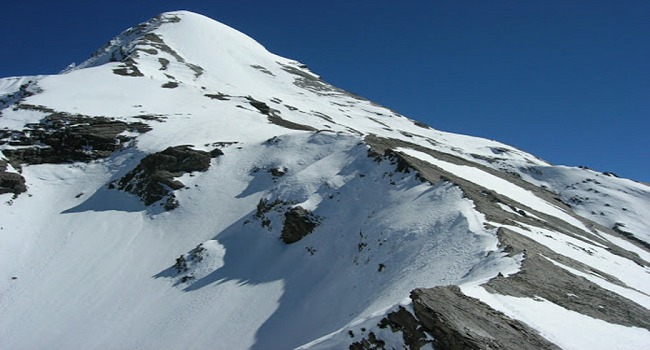
Most climbing expeditions aim for Mera Central, which offers stunning views and a safe climbing route.
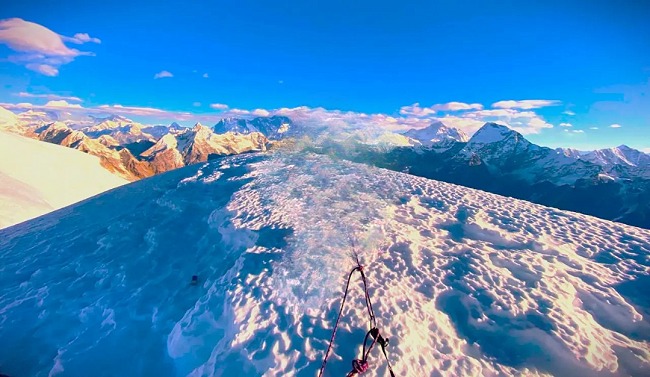
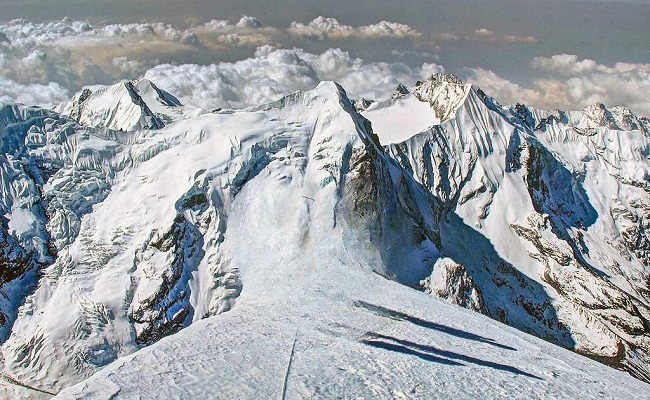
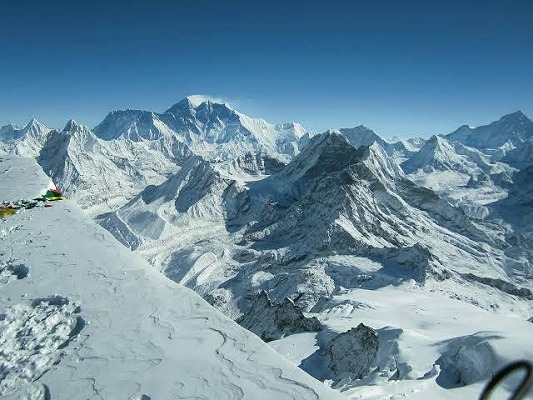
From the summit, climbers enjoy a rare panorama of five of the world’s highest mountains, including Mount Everest, Makalu, Lhotse, Cho Oyu, and Kangchenjunga.
This incredible Himalayan viewpoint makes Mera Peak one of the most rewarding climbs in Nepal.
Why Choose Mera Peak Climbing
Mera Peak climbing remains popular among adventure travelers for several reasons.
Ideal First Himalayan Summit
Unlike highly technical peaks, Mera Peak involves mainly glacier walking and gradual snow slopes, making it accessible to climbers with basic mountaineering skills.
Moderate Difficulty
The climb is generally classified as Alpine grade PD, meaning moderately difficult but manageable with training and guidance.
Spectacular Himalayan Views
The summit provides one of the widest mountain panoramas in Nepal, including several 8000-meter peaks.
Remote and Peaceful Trails
The route passes through the quiet Hinku Valley, away from crowded trekking trails like Everest Base Camp.
Mera Peak Climbing Route
Most expeditions begin with a flight from Kathmandu to Lukla, the gateway to the Everest region.
The classic route includes trekking through:
• Lukla
• Paiya
• Panggom
• Ningsow
• Kothe
• Thangnak
• Khare (base camp area)
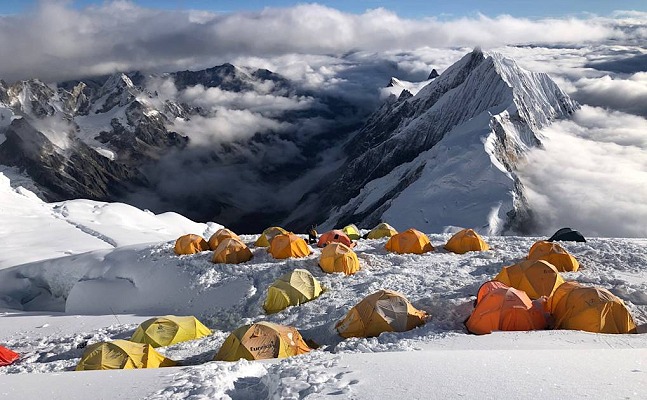
From Khare, climbers move to Mera High Camp and then attempt the summit.
The summit push normally begins around 2–3 AM to reach the top at sunrise when weather conditions are more stable.
The summit climb from High Camp typically takes 5–7 hours, followed by descent back to Khare.
Difficulty Level of Mera Peak
Mera Peak is not technically complex but remains physically demanding due to altitude.
Key challenges include:
• High altitude above 6000 meters
• Long glacier walk to the summit
• Cold temperatures and thin air
Although advanced climbing skills are not required, climbers must learn to use equipment such as:
• crampons
• ice axe
• harness
• rope system
These skills are usually taught during the expedition training session at Khare or base camp.
Proper acclimatization remains the most important factor for success.
Best Time for Mera Peak Climbing
The best seasons for Mera Peak expeditions are:
Spring Season
March to May
• Stable weather
• Clear mountain views
• Longer daylight hours
Autumn Season
September to November
• Dry trails
• Excellent visibility
• Comfortable temperatures
These seasons offer the safest climbing conditions in the Everest region.
Winter climbs are possible but extremely cold, while monsoon months bring heavy rain and clouds.
Mera Peak Climbing Duration
A typical Mera Peak climbing itinerary lasts 15 to 18 days, depending on acclimatization and travel logistics.
The journey combines trekking and mountaineering.
General trip outline:
Day 1–2
Arrival and preparation in Kathmandu
Day 3
Flight to Lukla and trek begins
Day 4–9
Trek through Hinku Valley villages
Day 10–11
Acclimatization and climbing training at Khare
Day 12
High Camp
Day 13
Summit Mera Peak
Day 14–17
Return trek and flight back to Kathmandu
Cost of Mera Peak Climbing
The price of a guided Mera Peak expedition generally ranges between USD 2,500 and USD 4,000 depending on services and group size.
Typical inclusions:
• Climbing permits
• guide and climbing Sherpa
• porters
• accommodation
• meals during trek
• climbing equipment support
• domestic flights
Luxury packages or private expeditions may cost more.
Training for Mera Peak
Climbers should prepare physically before the expedition.
Recommended training:
• cardio exercises
• hiking with a backpack
• stair climbing
• strength training
• endurance workouts
Previous trekking experience above 4,000 meters greatly improves summit success.
Safety and Acclimatization
Altitude sickness remains the main risk during Mera Peak climbing.
Important safety practices include:
• gradual ascent
• rest days for acclimatization
• proper hydration
• experienced guides and climbing Sherpas
Climbers normally spend several days above 5,000 meters before attempting the summit to adapt safely.
Why Climb Mera Peak with Unique Sherpa Treks
Unique Sherpa Treks organizes professionally guided expeditions to Mera Peak with experienced Sherpa climbing guides.
Advantages of booking with Unique Sherpa Treks:
• experienced Sherpa climbing leaders
• safe acclimatization itinerary
• quality climbing equipment
• personalized service
• strong success rate on the summit
The team focuses on safety, preparation, and creating a rewarding Himalayan climbing experience.
Final Thoughts
Mera Peak climbing stands as one of the best adventures in the Everest region. With its high altitude, stunning mountain views, and manageable climbing route, the peak offers an excellent introduction to Himalayan mountaineering.
For trekkers dreaming of standing above 6,000 meters, Mera Peak delivers a life-changing experience in the heart of the Himalayas.
Unique Sherpa Treks provides the expertise, safety, and support needed to reach the summit and experience the adventure of a lifetime.
Contact Unique Sherpa Trek & Expedition today and take the first step toward turning your Nepal trekking dream into reality.