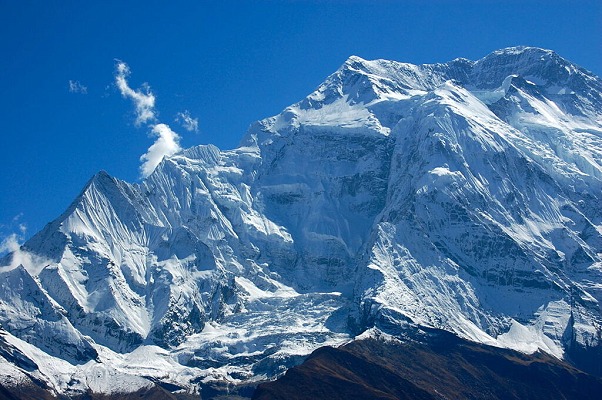



Do I Need a Guide for Trekking in Nepal or Can I Go Solo?
.jpg)
Table of Contents
Do you need a guide for trekking in Nepal, or can you go solo? This question comes up for every trekker planning a trip to the Himalayas. The answer depends on rules, route choice, safety, and your trekking experience.
Nepal offers both guided trekking and limited solo trekking options. Recent regulations, remote terrain, and altitude risks have changed how trekkers plan their journeys. This guide explains where you must hire a guide, where solo trekking is possible, and what option fits your situation.
Current Rule for Trekking in Nepal
The Nepal tourism authority has tightened trekking rules in many regions.
- A licensed guide is required in most national parks and conservation areas
- Solo trekking without a guide is restricted in many popular routes
- Restricted areas require a guide and special permits
Trekkers must register their trip through a licensed agency. This improves safety and tracking in remote regions.
In practice, many trekking routes now operate under a “guide-recommended or required” system.
Where a Guide Is Mandatory
Certain trekking regions in Nepal require a licensed guide by law.
Restricted Areas
These regions require:
- Special permits
- Minimum two trekkers
- Licensed guide through a registered agency
Solo trekking is not allowed in these areas.
Where Solo Trekking Is Still Possible
Some trekking routes allow independent trekking, though conditions apply.
Common Solo Trekking Routes
- Annapurna Base Camp Trek
- Everest Base Camp Trek
- Langtang Valley Trek
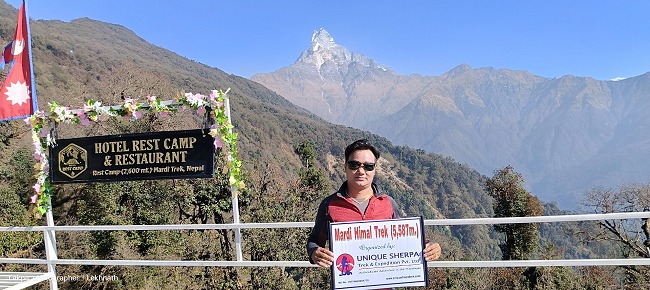
- Mardi Himal Trek
- Ghorepani Poon Hill Trek
These routes have:
- Well-marked trails
- Regular tea houses
- Good trekking infrastructure
Even on these routes, regulations and local enforcement may change. Always check updated rules before travel.
Advantages of Hiring a Guide in Nepal
A guide improves safety, comfort, and overall trekking experience.
1. Safety at High Altitude
Guides monitor your health and detect early signs of altitude sickness. They make quick decisions if symptoms appear.
2. Navigation and Route Planning
Trails in Nepal vary from clear paths to remote sections. Guides handle navigation, especially in bad weather or less marked areas.
3. Cultural Experience
Guides explain local culture, traditions, and history. This adds depth to your trekking experience.
4. Logistics Management
Guides manage:
- Accommodation booking
- Food arrangements
- Permits and checkpoints
You focus on trekking without stress.
5. Emergency Support
In case of injury or illness, guides arrange evacuation, including helicopter rescue if needed.
Advantages of Solo Trekking
Solo trekking appeals to independent travelers.
1. Full Freedom
You control your pace, stops, and daily plan.
2. Lower Cost
No guide or porter fees reduce the total cost.
3. Personal Experience
Solo trekking offers quiet time and self-reflection.
Risks of Solo Trekking in Nepal
Solo trekking carries real risks, especially at high altitude.
1. Altitude Sickness Risk
Without a guide, early symptoms may go unnoticed or ignored.
2. Navigation Issues
Trails can split or disappear in snow or fog. Getting lost becomes possible.
3. Weather Changes
Himalayan weather changes quickly. Lack of local knowledge increases risk.
4. Limited Emergency Support
In remote areas, help may take hours or days.
5. Flight Delays and Logistics
Routes like Lukla depend on the weather. Managing changes alone can become difficult.
Cost Comparison: Guide vs Solo Trek
Hiring a guide adds cost but provides value.
Guide Cost
- USD 25 to 35 per day
- Includes expertise and safety support
Solo Trek Cost
- Lower daily cost
- You manage everything yourself
For many trekkers, the safety and ease provided by a guide justify the cost.
Best Option for First-Time Trekkers
If you are trekking in Nepal for the first time:
- Hire a licensed guide
- Choose a structured itinerary
- Follow proper acclimatization
A guide reduces risk and improves your experience.
Best Option for Experienced Trekkers
If you have high-altitude trekking experience:
- Solo trekking on popular routes may be possible
- Carry proper maps and gear
- Stay updated on weather and trail conditions
Even experienced trekkers often choose guides for remote regions.
Group Trekking vs Solo Trekking
Group trekking with a guide offers a balanced option.
- Shared cost
- Social experience
- Safety support
Many trekkers join group departures for this reason.
Role of a Licensed Trekking Guide
A licensed guide in Nepal provides:
- Government certification
- First aid and altitude training
- Local knowledge
- Communication support
Avoid unlicensed guides for safety reasons.
Key Factors to Decide
Ask yourself before choosing:
- Do you have high-altitude experience?
- Are you comfortable navigating remote trails?
- Do you understand altitude sickness risks?
- Do you prefer freedom or structured support?
Your answers guide your decision.
Final Advice from Unique Sherpa Treks
Trekking in Nepal offers flexibility, but safety must remain the priority. Rules are becoming stricter to protect trekkers. Many regions now require guides.
For most trekkers, hiring a guide improves safety, saves time, and enhances the experience. Solo trekking suits only experienced trekkers on well-established routes.
Unique Sherpa Treks provides licensed guides, proper permits, and complete trekking support across Nepal. Plan carefully, follow regulations, and choose the option that ensures a safe and successful Himalayan journey.
Contact Unique Sherpa Trek & Expedition today and take the first step toward turning your Nepal trekking dream into reality.