


Ganja-La Pass Trek: Cost, Itinerary, Permits & Difficulty
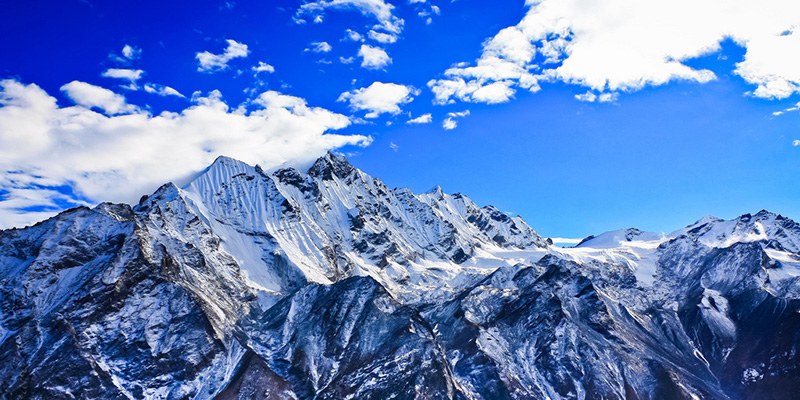
Table of Contents
For trekkers who have already conquered Nepal's classic routes and are hungry for something wilder, the Ganja-La Pass Trek delivers one of the most demanding — and rewarding — high-altitude crossings in the country. Tucked away in the Langtang region northeast of Kathmandu, this trek combines the lush valleys and Tamang culture of Langtang with a formidable, glacier-flanked pass at over 5,100 meters, before descending into the remote and beautiful Helambu region.
This is not a beginner's trek. It's a serious mountain adventure best suited to experienced trekkers who want genuine wilderness, technical terrain, and views most travelers to Nepal never see. In this guide, Unique Sherpa Treks & Expedition covers everything you need to know — cost, permits, difficulty, and a complete day-by-day itinerary.
What Makes the Ganja-La Pass Trek Special?
The Ganja-La Pass Trek is one of the lesser-traveled classic routes in Nepal, and that's exactly its appeal. Highlights include:
- Crossing the dramatic Ganja-La Pass (5,122–5,130 m), one of the highest and most technical trekking passes in the Langtang region
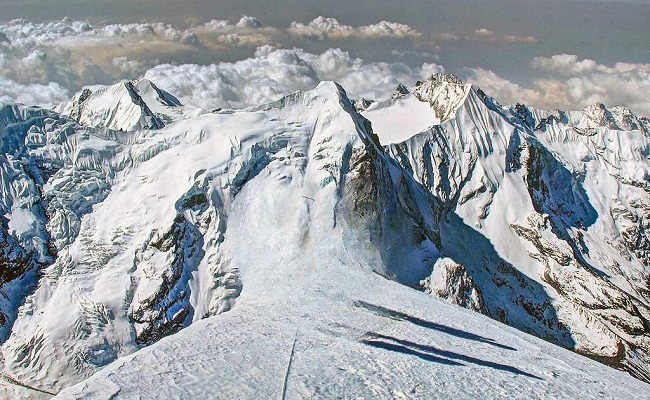
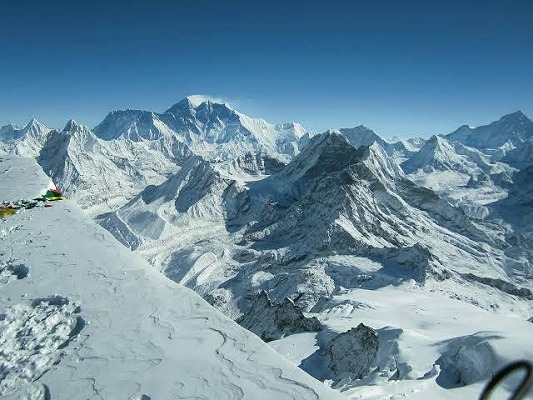
- Sweeping views of Langtang Lirung, Ganesh Himal, Naya Kanga, Langshisha Ri, and — on clear days — Mount Shishapangma (8,013 m) in Tibet
- A journey through the beautiful Langtang Valley, dense rhododendron, oak, and bamboo forests, and traditional Tamang and Sherpa villages
- A genuine wilderness camping experience on the far side of the pass, away from crowded teahouse trails
- A dramatic descent into the culturally rich Helambu region, rarely visited by mainstream trekking groups
Ganja-La Pass Trek Difficulty
Make no mistake — this is a strenuous, technical, high-altitude trek recommended only for trekkers with prior Himalayan or high-mountain trekking experience.
| Factor | Details |
|---|---|
| Trek grade | Strenuous / Technical |
| Maximum altitude | 5,122 – 5,130 m (Ganja-La Pass) |
| Duration | 10 – 15 days (varies by operator/route) |
| Daily walking hours | 6 – 8 hours |
| Terrain | Glacier moraine, loose scree, snowfields, exposed rock |
| Guide requirement | Mandatory (licensed guide legally required in Nepal) |
| Suitable for | Experienced trekkers only |
Key difficulty factors:
- Extreme altitude — crossing above 5,100 m carries a real risk of altitude sickness without proper acclimatization.
- Technical terrain — the pass involves loose scree, boulder fields, and sections of snow or ice where microspikes are often necessary; some crossings require fixed ropes on steep rock sections.
- Unpredictable alpine weather — conditions can shift rapidly near the pass, with risk of sudden snowfall even in the trekking seasons.
- Remote, self-sufficient camping — beyond Langtang Valley's teahouses, the route becomes a full camping expedition, with tents, cooking crews, and no village support for several days.
- Physical demands — long trekking days (6–8 hours) at altitude require a strong cardiovascular base and prior high-altitude trekking experience.
- Not for beginners or solo trekkers — due to the risk of getting lost on the pass, landslide/avalanche risk on the southern side, and the remoteness of the trail, an experienced guide and support crew are essential.
Training tip: Begin preparing at least 3 months in advance with a mix of cardio (running, cycling, swimming) and leg-strength training (squats, lunges, weighted stair climbs) to build the endurance needed for consecutive long trekking days at altitude.
Permits Required for the Ganja-La Pass Trek
Two permits are mandatory for this trek, both checked at army and park checkpoints along the route.
1. Langtang National Park Entry Permit
Required since the trek passes entirely through Langtang National Park. This permit supports conservation efforts in the region and must be arranged before starting the trek.
2. TIMS Card (Trekkers' Information Management System)
A mandatory safety-tracking permit for all trekkers in Nepal.
Permit Cost Table (2026)
| Permit | Approx. Cost (Foreign Trekkers) |
|---|---|
| Langtang National Park Permit | NPR ~3,000 (approx. USD 25–30) |
| TIMS Card (individual trekker) | approx. USD 20 |
| TIMS Card (organized/agency trekker) | approx. USD 10 |
| Total (approx.) | USD 35 – 50 per person |
Important permit notes:
- Since March 2023, Nepal's Tourism Board has mandated that all trekkers must be accompanied by a licensed guide from a registered trekking company — solo, unguided trekking is no longer legally permitted on routes like this.
- Permits must be arranged in Kathmandu before departure; they cannot be issued along the trail.
- When you book with Unique Sherpa Treks & Expedition, all permits — Langtang National Park entry and TIMS — are arranged for you as part of your package.
Ganja-La Pass Trek Cost (2026)
Because this trek requires camping equipment, cooking crew, and experienced guiding support for the pass crossing, it costs significantly more than standard teahouse treks like Everest Base Camp or Annapurna routes.
| Package Type | Estimated Cost (per person) | Typical Inclusions |
|---|---|---|
| Standard group package | USD 1,100 – 1,600 | Guide, porters, permits, teahouse + camping accommodation, meals |
| Premium / fully supported | USD 1,600 – 1,900+ | All of the above + upgraded gear, smaller group size, extra acclimatization days |
What's typically included:
- Langtang National Park permit and TIMS card
- Licensed, experienced trekking guide and support crew
- Porters for camping equipment and supplies
- Teahouse accommodation in Langtang Valley; tented camping beyond
- All meals during the trek (breakfast, lunch, dinner)
- Cooking and camping equipment for the high-camp/pass-crossing section
- Ground transportation (Kathmandu–Syabrubesi–Kathmandu or onward from Helambu)
- Insurance for guide and porter crew
What's usually NOT included:
- International/domestic flights
- Nepal visa fees
- Mandatory travel and health/rescue insurance (including helicopter evacuation coverage)
- Personal trekking gear (sleeping bag, microspikes, crampons if not provided)
- Tips for guide and porter crew
- Personal expenses and emergency evacuation costs
Budgeting tip: Given the technical nature of this trek, do not choose the cheapest available package. A trek that skips a proper support crew, adequate camping equipment, or an experienced guide is not just uncomfortable — it can be genuinely dangerous on the pass itself. Prioritize safety and experience over price.
Best Time for the Ganja-La Pass Trek
| Season | Months | Conditions |
|---|---|---|
| Spring | March – May | Rhododendron blooms, stable weather, good visibility |
| Autumn | September – November | Clearest skies, most stable conditions — the most recommended season |
| Winter | December – February | Very cold, high avalanche/snow risk near the pass — not recommended |
| Monsoon | June – August | Heavy rain, landslide risk, poor visibility — avoid |
Autumn (September–November) is widely considered the best window, offering the most stable weather for the technical pass crossing. Spring (March–May) is the second-best option, with the added bonus of blooming rhododendron forests in the lower valley.
Ganja-La Pass Trek Itinerary (Standard 12-Day Route)
Below is a representative itinerary as offered by Unique Sherpa Treks & Expedition. Exact day counts vary by operator (typically 10–15 days) depending on acclimatization days and side trips added.
Itinerary Overview Table
| Day | Route | Altitude | Trekking Hours |
|---|---|---|---|
| 1 | Kathmandu to Syabrubesi (drive) | 1,467 m | 6–7 hrs drive |
| 2 | Syabrubesi to Lama Hotel | 2,470 m | 6–7 hrs trek |
| 3 | Lama Hotel to Langtang Village | 3,430 m | 6–7 hrs trek |
| 4 | Langtang Village to Kyanjin Gompa | 3,870 m | 4–5 hrs trek |
| 5 | Acclimatization day, hike to Kyanjin Ri/Tserko Ri | 4,773 – 4,984 m | 4–6 hrs (day hike) |
| 6 | Kyanjin Gompa to Ngegang (base camp) | ~4,000 m | 5–6 hrs trek |
| 7 | Ngegang to Keldang (crossing Ganja-La Pass) | 5,122–5,130 m → ~3,800 m | 8–9 hrs trek |
| 8 | Keldang to Dukpu | ~4,080 m | 5–6 hrs trek |
| 9 | Dukpu to Tarke Ghyang | 2,600 m | 6–7 hrs trek |
| 10 | Tarke Ghyang to Sermathang | 2,610 m | 3–4 hrs trek |
| 11 | Sermathang to Melamchi, drive to Kathmandu | 1,400 m | 4 hrs trek + 4–5 hrs drive |
| 12 | Departure / contingency day | — | — |
Detailed Day-by-Day Itinerary
Day 1: Kathmandu to Syabrubesi (1,467 m)
Depart Kathmandu early for the scenic 6–7 hour drive to Syabrubesi, the gateway to Langtang National Park. The road winds along the Trishuli River, passing terraced hillsides and small villages. Overnight in a lodge in Syabrubesi.
Day 2: Syabrubesi to Lama Hotel (2,470 m)
The trek begins, following the Langtang Khola through dense subtropical forest of oak, rhododendron, and bamboo. This is prime territory for spotting red pandas and langur monkeys. Overnight at Lama Hotel.
Day 3: Lama Hotel to Langtang Village (3,430 m)
The trail climbs steadily through pine and rhododendron forest, opening into wide alpine meadows as you approach Langtang Village — a settlement that has been rebuilt following the 2015 earthquake. Mountain views begin to open up significantly today.
Day 4: Langtang Village to Kyanjin Gompa (3,870 m)
A shorter, gentler day trekking through yak pastures and traditional Tamang settlements to reach Kyanjin Gompa, home to a historic Buddhist monastery and a cheese factory. Use the afternoon to explore the village and rest ahead of tomorrow's acclimatization hike.
Day 5: Acclimatization Day — Kyanjin Ri or Tserko Ri
A crucial rest and acclimatization day. Hike up to either Kyanjin Ri (4,773 m) or the more demanding Tserko Ri (4,984 m) for extraordinary panoramic views of Langtang Lirung and the surrounding peaks. Return to Kyanjin Gompa to sleep at a lower altitude.
Day 6: Kyanjin Gompa to Ngegang (Base Camp)
Leaving the last teahouses behind, the trail becomes remote and camping begins. Trek across glacial moraine and alpine terrain toward Ngegang, the base camp used for the Ganja-La Pass crossing the following day. Camping crew sets up tents here.
Day 7: Ngegang to Keldang — Crossing Ganja-La Pass (5,122–5,130 m)
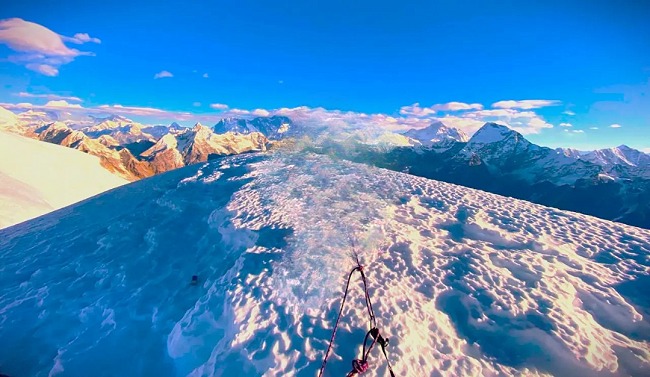
The most demanding and rewarding day of the trek. An early start is essential to cross the pass before weather conditions deteriorate. The ascent involves loose scree, snowfields, and — depending on conditions — a steep, exposed rock section where fixed ropes may be used. From the summit, panoramic views stretch across Langtang Lirung, Ganesh Himal, and, on a clear day, Shishapangma in Tibet. The descent on the southern side is steep and demanding on the knees, dropping down to camp at Keldang.
Day 8: Keldang to Dukpu
A long trekking day continuing the descent through remote high-altitude terrain, with continued mountain views as the trail begins its gradual transition toward the greener Helambu region.
Day 9: Dukpu to Tarke Ghyang (2,600 m)
The trail drops into thicker forest and re-enters inhabited territory, arriving at Tarke Ghyang — one of the largest and most culturally significant Sherpa/Tamang villages in the Helambu region, known for its beautiful monastery.
Day 10: Tarke Ghyang to Sermathang (2,610 m)
A relatively easy day of trekking through forest and farmland, passing chortens and prayer walls, arriving in the picturesque village of Sermathang with far-reaching views over the Helambu valley.
Day 11: Sermathang to Melamchi, Drive to Kathmandu
Descend through forest and terraced fields to Melamchi Pul Bazaar, where your trek officially ends. From here, drive back to Kathmandu (approximately 4–5 hours).
Day 12: Departure / Contingency Day
A buffer day built into the itinerary to account for possible weather delays around the pass crossing. If unused for delays, this day is free in Kathmandu for rest, shopping, or sightseeing before departure.
Essential Gear for the Ganja-La Pass Trek
Given the technical, high-altitude nature of this trek, gear preparation matters far more than on standard teahouse treks:
- Four-season sleeping bag rated for sub-zero temperatures
- Waterproof, insulated trekking boots (broken in well before the trip)
- Microspikes or crampons for icy sections near the pass
- Trekking poles (essential for the steep descent off the pass)
- Down jacket and full thermal layering system
- Headlamp with spare batteries
- Sunglasses/glacier glasses (UV protection at altitude)
- Basic first-aid kit, including altitude sickness medication (consult your doctor)
- Water purification tablets/filter
- Comprehensive travel insurance with high-altitude trekking and helicopter evacuation coverage (mandatory)
Why Trek with Unique Sherpa Treks & Expedition?
A trek of this difficulty is only as safe as the team leading it. Here's what sets a properly organized Ganja-La Pass expedition apart:
- Experienced high-altitude guides who have personally crossed the Ganja-La Pass and know current trail and snow conditions
- Full permit handling — Langtang National Park entry and TIMS card arranged before you arrive
- Complete camping and safety logistics for the multi-day wilderness section beyond Kyanjin Gompa
- Transparent, no-hidden-cost pricing with a clear breakdown of everything included
- Built-in acclimatization and contingency days to prioritize safety over rigid scheduling
- Support for Tamang and Sherpa communities along the route through responsible, locally-engaged trekking practices
If you're an experienced trekker ready to take on one of Nepal's most demanding high passes, explore the full itinerary, fixed departure dates, and booking details on the Ganja-La Pass Trek page with Unique Sherpa Treks & Expedition.
Frequently Asked Questions
1. How difficult is the Ganja-La Pass Trek, really?
This is one of the most demanding trekking routes in Nepal, rated strenuous to technical. Unlike standard teahouse treks, it combines extreme altitude (crossing above 5,100 m), loose scree and boulder fields, snow-covered terrain, and in some conditions a steep, exposed rock section requiring fixed ropes. Trekking days run 6–8 hours, with the pass-crossing day often stretching to 8–9 hours. It also transitions from comfortable teahouses in Langtang Valley into full wilderness camping for several days. This trek is realistically suited only to trekkers who already have prior high-altitude trekking experience and solid physical conditioning — it is not a trek to attempt as your first taste of the Himalayas.
2. What permits do I need, and how much do they cost?
Two permits are mandatory: the Langtang National Park Entry Permit (approx. USD 25–30) and the TIMS Card (approx. USD 10–20, depending on whether you're trekking with an organized agency or independently — though independent trekking is no longer legally permitted). Combined, expect to pay roughly USD 35–50 per person. Both permits are checked at park and army checkpoints along the route and must be arranged in Kathmandu before departure — they cannot be purchased along the trail. When booking with an agency like Unique Sherpa Treks & Expedition, both are arranged for you as part of the package.
3. How much does the Ganja-La Pass Trek cost overall?
Total package costs generally range from USD 1,100 to 1,900+ per person, significantly higher than standard teahouse treks like Everest Base Camp or Poon Hill. This is because the route requires camping equipment, a dedicated cooking and porter crew, and an experienced guide for the technical pass crossing — costs that standard lodge-to-lodge treks don't carry. Budget packages that cut corners on guide experience, gear quality, or crew size should be avoided, since safety on the pass depends heavily on proper support.
4. How many days does the trek take?
Most itineraries run 10 to 15 days, including travel to and from Kathmandu. A typical 12-day version includes acclimatization days at Kyanjin Gompa, the multi-day camping section around the pass, and the descent through Helambu to Melamchi Pul Bazaar. Be cautious of itineraries padded unnecessarily long "just for profit" — read the day-by-day breakdown carefully and compare what's actually covered on each day.
5. Do I need a guide, or can I trek independently?
A guide is both mandatory and essential. Since March 2023, Nepal's Tourism Board has required all trekkers to be accompanied by a licensed guide from a registered trekking company — solo, unguided trekking is no longer legally permitted on routes like this. Beyond the legal requirement, an experienced guide is critical for safety: the pass has claimed lives among under-prepared or unguided trekkers, and the southern descent carries real landslide and avalanche risk.
6. What is the best time of year to attempt the Ganja-La Pass Trek?
Autumn (September–November) is the most recommended season, offering the clearest skies and most stable weather for the technical pass crossing. Spring (March–May) is the second-best option, combining reasonably stable conditions with blooming rhododendron forests in the lower valley. Winter (December–February) brings heavy snow and high avalanche risk near the pass, and monsoon (June–August) brings landslide risk and poor visibility — both should be avoided.
7. How high is the Ganja-La Pass, and what altitude risks should I expect?
The pass sits at approximately 5,122–5,130 meters, making altitude sickness a genuine risk without proper acclimatization. A well-designed itinerary builds in a dedicated acclimatization day at Kyanjin Gompa (around 3,870 m) with an optional hike up to Kyanjin Ri (4,773 m) or Tserko Ri (4,984 m) before pushing toward the pass. Trekkers should watch for symptoms like headache, nausea, and dizziness, stay well hydrated, and communicate openly with their guide — turning back is always safer than pushing through serious symptoms.
8. What kind of accommodation should I expect?
Accommodation changes dramatically over the course of the trek. From Syabrubesi through Kyanjin Gompa, you'll stay in teahouses/lodges with basic twin-share rooms. Beyond Kyanjin Gompa — through the base camp, pass crossing, and initial descent into Helambu — the trek shifts to tented camping, with your crew carrying and setting up all camping and cooking equipment. Once you reach villages like Tarke Ghyang and Sermathang on the Helambu side, you return to teahouse-style lodging for the final days.
9. What gear do I need that I wouldn't bring on a standard teahouse trek?
Because of the technical, high-altitude nature of the pass, gear requirements go well beyond a typical trek. Essentials include a four-season sleeping bag, microspikes or crampons for icy sections, trekking poles (critical for the steep descent off the pass), a down jacket and full thermal layering system, glacier-rated sunglasses, and comprehensive travel insurance that specifically covers high-altitude trekking and helicopter evacuation. Skimping on gear here isn't just uncomfortable — it can be genuinely dangerous given the remoteness of the route.
10. Is the Ganja-La Pass Trek safe for solo or first-time trekkers?
No, on both counts. Solo trekking is not recommended — the pass has a documented history of trekkers getting seriously lost, and unguided trekking is no longer legally permitted in Nepal regardless of experience level. It's also unsuitable for first-time trekkers; the combination of extreme altitude, technical scree and snow terrain, remote wilderness camping, and unpredictable alpine weather demands prior high-altitude trekking experience. This route is best approached after successfully completing a trek like Everest Base Camp, Annapurna Circuit, or a comparable high-altitude route.
Final Thoughts
The Ganja-La Pass Trek is not for the casual traveler — it's a genuine high-altitude mountaineering-style adventure that rewards experienced trekkers with technical challenge, remote wilderness camping, and views of the Langtang and Helambu regions that few visitors to Nepal ever witness. Success on this route depends heavily on proper acclimatization, the right gear, and — above all — an experienced guide and support crew who know the pass. For trekkers ready to push beyond the classic routes, Unique Sherpa Treks & Expedition is ready to guide you safely across one of Nepal's most demanding Himalayan passes.
.jpg)