


Mt. Manaslu Expedition: Cost, Route, Permits & Preparation
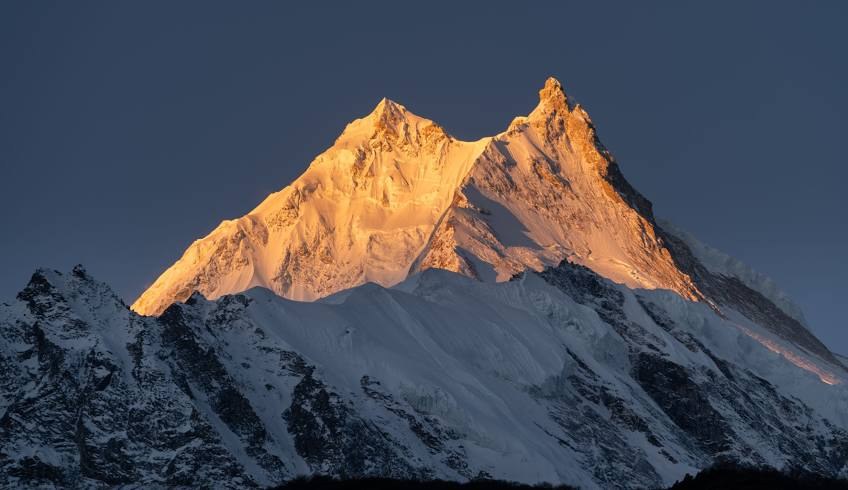
Table of Contents
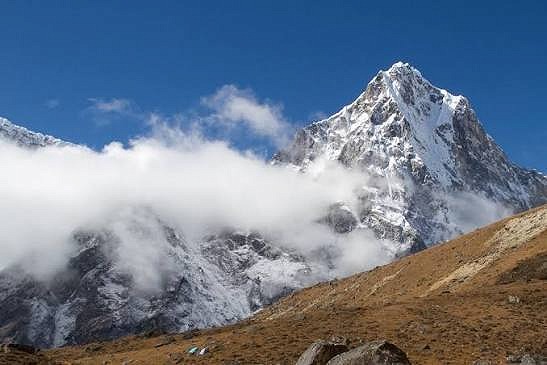
At 8,163 meters, Manaslu is the world's eighth-highest mountain and, for a growing number of climbers, the first 8,000er they ever attempt. It sits in the Gorkha district of Nepal, close to the Tibetan border, and its standard Northeast Face route is widely regarded as one of the most achievable 8,000m climbs — technically straightforward compared to Everest or K2, with a relatively short approach and a lower permit cost. That combination has made it the most popular 8,000m peak in Nepal for several consecutive autumn seasons.
But "achievable" doesn't mean casual. A Manaslu expedition is still a 40-plus-day commitment involving glacier travel, fixed ropes, supplemental oxygen, and genuine objective hazards. If you're researching cost, route, permits, or how to prepare, this guide covers all four in depth — with real numbers, not marketing gloss.
Quick Facts: Mt. Manaslu Expedition at a Glance
| Detail | Figure |
|---|---|
| Elevation | 8,163 m (26,781 ft) — 8th highest mountain in the world |
| Location | Gorkha district, Manaslu Conservation Area, Nepal |
| Standard route | Northeast Face (also called the Standard Route) |
| Total expedition duration | 40–55 days (Kathmandu to Kathmandu) |
| Climbing grade | Intermediate to advanced mountaineering |
| Full-service package cost (2026) | Approx. USD 10,500–20,000 per person (premium programs up to $30,000+) |
| Climbing permit (royalty) | USD 1,500 (spring) / USD 3,000 (autumn) / USD 1,500 (winter–summer), per person |
| Best season | Autumn (September–October); spring (April–May) is second-best |
| First ascent | 1956, by a Japanese expedition team |
| Guide requirement | Mandatory — solo/independent climbing is not legally permitted |
1. Overview: Why Climbers Choose Manaslu
Manaslu holds a specific reputation in high-altitude mountaineering circles: it's the mountain climbers use to find out whether they're ready for Everest. The approach trek follows the Budhi Gandaki river valley through traditional Nubri and Tibetan-influenced villages, the route above base camp avoids the extreme technical difficulty of peaks like Annapurna or K2, and the climbing permit costs a fraction of Everest's. For climbers building toward a multi-8,000m career, or those who simply want a genuine Himalayan giant without Everest-level cost and crowding, Manaslu is usually the answer.
That said, it is not a "safe" mountain by any absolute standard. Its long ridgelines, serac fields, and history of avalanche activity have placed it among the more statistically dangerous 8,000m peaks. Respect for the route, proper acclimatization, and an experienced operator matter enormously here.
2. Mt. Manaslu Expedition Route: Day-by-Day Breakdown
The standard Northeast Face route approaches via the Manaslu Circuit trekking trail, following the Budhi Gandaki Valley from Soti Khola/Machha Khola up to Samagaun, then climbing to Base Camp. Some operators route climbers in via the Larkya La pass side (Dharapani–Bhimtang–Samdo) instead, exiting the same way or by helicopter.
| Phase | Route Segment | Approx. Days | Altitude |
|---|---|---|---|
| 1. Kathmandu prep | Arrival, gear check, permit processing, briefing | 2–3 days | 1,400 m |
| 2. Drive to trailhead | Kathmandu → Machha Khola/Soti Khola or Besisahar | 1 day | 870–930 m |
| 3. Trek to Samagaun | Machha Khola → Jagat → Deng → Namrung → Lho → Samagaun | 6–7 days | 3,530–3,540 m |
| 4. Acclimatization | Rest and short day hikes at Samagaun | 2 days | 3,530 m |
| 5. Trek to Base Camp | Samagaun → Manaslu Base Camp | 1 day | 4,800 m |
| 6. Climbing rotations | Base Camp ⇄ Camp 1 ⇄ Camp 2 ⇄ Camp 3, acclimatization cycles | 18–22 days | 5,700–6,800 m |
| 7. Summit push | Camp 3/4 → Summit → descent to Base Camp | 3–5 days | 7,400 m → 8,163 m |
| 8. Return trek/flight | Base Camp → Samagaun → Kathmandu (trek or helicopter) | 2–4 days | — |
Camp-by-Camp Elevation Profile
- Base Camp — 4,800 m: Main operations hub; tents, mess area, communications, and puja (blessing) ceremony before climbing begins.
- Camp 1 — 5,700 m: First high camp, reached after crossing lower glacier terrain.
- Camp 2 — 6,400 m: Set above serac and crevasse fields; this stretch is the most technically demanding section of the route.
- Camp 3 — 6,800 m: Positioned on steeper snow slopes; used as the final staging point before the summit push on shorter itineraries.
- Camp 4 — 7,400 m: High camp for the summit bid on longer/expedition-style rotations.
- Summit — 8,163 m: Reached via extended ridge walking above Camp 4, typically an overnight or pre-dawn push.
Most operators build in two to three acclimatization rotations — climbing to a high camp and descending — before the actual summit attempt, which is standard practice for safe 8,000m ascents.
3. Mt. Manaslu Expedition Cost: Full Breakdown
Manaslu expedition pricing varies enormously — from around USD 9,500 to well over USD 30,000 — depending on service level, oxygen provision, Sherpa ratio, and operator reputation. Here's what typically makes up that range.
| Cost Component | Typical Range (USD) | Notes |
|---|---|---|
| Climbing permit (royalty) | $1,500–$3,000 | Season-dependent; autumn is highest |
| Restricted Area Permit (RAP) | $75–$100 + per-day fee | Required for the approach trek |
| MCAP + ACAP + local fees | $60–$90 combined | Conservation area entry permits |
| Liaison officer fee | Bundled into package | Government-mandated for expeditions |
| Guide/Sherpa support (1:1 or shared) | $3,000–$8,000 | Higher ratios and experienced Sherpas cost more |
| Supplemental oxygen (3–5 bottles) | $500–$3,000 | Premium/high-flow packages cost more |
| Base Camp logistics (tents, food, comms) | $2,000–$5,000 | Varies with comfort level |
| Kathmandu hotel, transport, domestic flights | $500–$1,500 | Usually included in full packages |
| Standard full-service total | $10,500–$20,000 | Most common range for reputable mid-tier operators |
| Premium/Western-led programs | $25,000–$40,000 | 1:1 Sherpa ratio, high-flow oxygen, elite logistics |
What's Usually Excluded
- International airfare and Nepal visa fees
- Personal climbing gear and clothing
- Specialized high-altitude rescue/evacuation insurance
- Extra Kathmandu nights beyond the standard itinerary
- Personal satellite communication devices
- Summit bonus and staff tips (commonly expected, budget separately)
4. Permits Required for the Manaslu Expedition
Because Manaslu sits in a restricted border zone, every climber must go through a registered Nepali expedition operator — independent or solo climbing permits are not issued.
| Permit/Fee | Who Needs It | Approx. Cost | Issued By |
|---|---|---|---|
| Manaslu Climbing Permit (Royalty) | All climbers | $1,500 (spring) / $3,000 (autumn) / $1,500 (winter–summer) per person | Department of Tourism |
| Manaslu Restricted Area Permit (RAP) | All trekkers/climbers on the approach | $75–$100 for first week + daily fee | Department of Immigration |
| Manaslu Conservation Area Permit (MCAP) | All Manaslu-region visitors | ~$23–$30 (NPR 3,000) | Nepal Tourism Board / NTNC |
| Annapurna Conservation Area Permit (ACAP) | If exiting via Larkya La/Dharapani | ~$23–$30 (NPR 3,000) | Nepal Tourism Board / NTNC |
| Chumnubri Rural Municipality Fee | All Manaslu-region visitors | ~$8 (NPR 800) | Local municipality |
| Liaison Officer Fee | All expeditions | Bundled in operator package | Nepal Mountaineering Association |
Key Permit Rules
- All permits must be processed through a government-registered trekking/expedition agency — this cannot legally be done independently.
- A licensed climbing guide and an assigned government liaison officer are mandatory for the expedition.
- Under updated regulations, a solo climber can now apply for their own Restricted Area Permit, but must still travel with a licensed guide throughout.
- Route-fixing fees (charged by the Expedition Operators' Association of Nepal) and garbage deposit fees are typically bundled into your full package price.
- Permit fees are non-transferable and tied to the individual climber named on the application.
5. Best Season for the Manaslu Expedition
| Season | Months | Conditions |
|---|---|---|
| Autumn (best) | September–October | Post-monsoon stability, clearer skies, lower wind speeds — most reliable summit window |
| Spring (second-best) | April–May | Good visibility, colder temperatures, longer daylight for climbing |
| Winter | December–February | Extreme cold, generally not attempted commercially |
| Monsoon/Summer | June–August | Heavy precipitation, high avalanche risk — expeditions are not run in this window |
Nearly all commercial Manaslu expeditions run in autumn for good reason: it's when the jet stream typically lifts off the summit for the longest stretches, creating the calmest weather windows of the year.
6. How to Prepare for the Manaslu Expedition
Preparation for an 8,000m peak isn't something you start two months out. Here's a realistic preparation framework.
Physical Training (6–12 Months Out)
- Build a cardiovascular base with long endurance sessions — hiking, running, or cycling for 3–5 hours multiple times a week.
- Train with a weighted pack (15–20 kg) on steep terrain to simulate load-carrying between camps.
- Add strength training focused on legs, core, and back to handle sustained multi-week exertion.
- Get high-altitude experience beforehand — ideally one or more peaks above 6,000 m (such as Island Peak, Mera Peak, or a similar training summit) before attempting an 8,000er.
- Practice multi-day back-to-back exertion, since expedition days rarely allow full recovery between efforts.
Technical Skills to Have Before You Arrive
- Comfortable use of crampons and an ice axe on steep snow and ice
- Jumaring (ascending) and rappelling on fixed ropes
- Crossing crevasses on ladders or snow bridges
- Basic rope team travel and glacier awareness
- Managing supplemental oxygen systems at altitude (your Sherpa team will assist, but familiarity helps)
Medical and Logistical Preparation
- Get a full medical check-up, including a cardiovascular assessment, at least 2–3 months before departure.
- Purchase high-altitude rescue and medical evacuation insurance that explicitly covers activity up to 8,163 m.
- Consider a short course of altitude acclimatization (hypoxic tent training) if you can't get real high-altitude exposure beforehand.
- Submit permit documents — passport scan, photos, insurance proof, and itinerary — at least 2–3 weeks before your expedition start date.
- Pack according to a full 8,000m gear list: down suit, high-altitude boots, multiple glove layers, -40°C sleeping bag, oxygen mask/regulator (provided by most operators), and a well-broken-in mountaineering boot system.
Mental Preparation
Long expeditions test patience as much as fitness — weather delays, days confined to a tent at base camp, and the discipline to turn back if conditions deteriorate are all part of the experience. Climbers who succeed tend to be the ones who treat the 40-plus days as a process, not a single summit-day event.
7. Risks and Difficulty Rating
Manaslu is graded as intermediate-to-advanced mountaineering. Its main hazards include:
- Serac fall and crevasse danger in the Camp 1–Camp 2 section
- Avalanche risk on the upper slopes, particularly after fresh snowfall
- Long summit-day ridge walking above 7,400 m, which is physically exposed and technically sustained
- Standard high-altitude risks: HACE, HAPE, and severe cold injury above 7,000 m
A capable, well-supported Sherpa team, conservative rotation planning, and a willingness to turn back when weather or conditions demand it are the biggest factors separating safe expeditions from tragic ones.
8. Why Climb Manaslu With Unique Sherpa Trek
An 8,000m expedition lives or dies on logistics: permit processing done correctly, an experienced climbing Sherpa team, properly maintained fixed ropes and oxygen systems, and realistic acclimatization scheduling rather than a rushed summit push. Unique Sherpa Trek builds every Manaslu expedition around exactly that — licensed guides with real Manaslu summit experience, transparent permit and cost breakdowns, and a support structure built for safety first, summit second. View the full Manaslu Expedition itinerary and package details here.
Frequently Asked Questions
How much does the Manaslu expedition cost in 2026?
A standard full-service package typically runs USD 10,500–20,000 per person, while premium Western-led programs with 1:1 Sherpa ratios and high-flow oxygen can reach USD 25,000–40,000.
How long does the Manaslu expedition take?
A complete expedition, from Kathmandu arrival to final departure, typically takes 40 to 55 days, including the approach trek, acclimatization rotations, summit window, and return.
What permits are required to climb Manaslu?
You'll need the Manaslu Climbing Permit (royalty), the Manaslu Restricted Area Permit (RAP), MCAP, ACAP (if exiting via Larkya La), and the Chumnubri Rural Municipality fee — all processed through a registered expedition agency.
What is the best season to climb Manaslu?
Autumn (September–October) is the most reliable window due to stable post-monsoon weather. Spring (April–May) is the second-best option.
Is Manaslu a good first 8,000m peak?
Yes — it's widely considered one of the more approachable 8,000ers technically, with a shorter approach and lower permit cost than Everest, which is why many climbers use it as preparation for future Everest attempts.
Do I need prior mountaineering experience to attempt Manaslu?
Yes. Prior experience with crampons, fixed-rope travel, and at least one peak above 6,000 m is strongly recommended before attempting an 8,000m expedition.
Can I climb Manaslu independently to save money?
No. Nepal's government requires all high-altitude expeditions above 6,000 m to be organized through a licensed, government-registered expedition agency with an assigned liaison officer.
Ready to plan your Manaslu Expedition with permits, Sherpa support, and route logistics fully arranged? See the complete itinerary and book with Unique Sherpa Trek.
.jpg)