


Amphu Lapcha Pass Trek Cost, Permits, Difficulty: Complete Guide
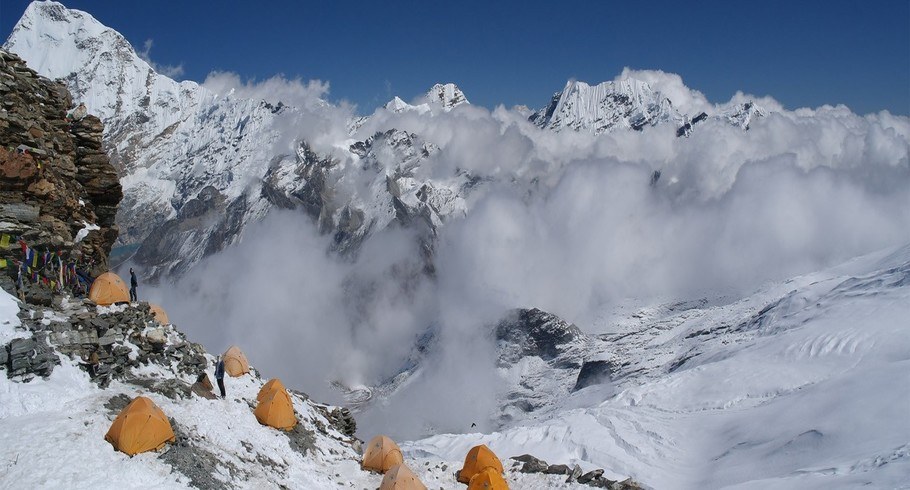
Table of Contents
For trekkers who've already ticked off Everest Base Camp and are hunting for something far more serious, the Amphu Lapcha Pass Trek is about as extreme as trekking in Nepal gets before you're technically mountaineering. At 5,845m, this glacier pass connects the remote Hongu Valley to the Imja Valley near Everest, and crossing it demands ropes, crampons, and an ice axe — not hiking poles. This isn't a trek for a first Himalayan trip. Here's what it actually involves, what it costs, and what permits and experience you'll need before signing up.
What Is the Amphu Lapcha Pass Trek?
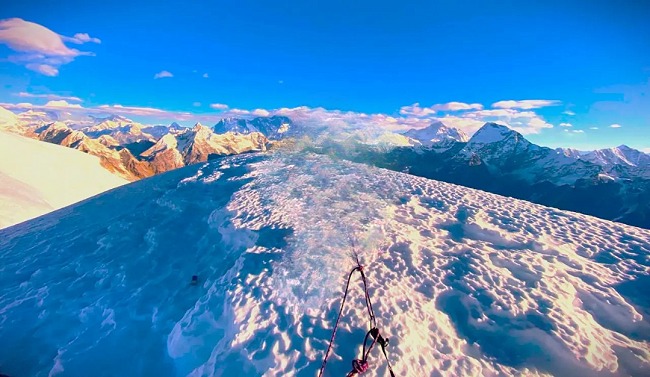
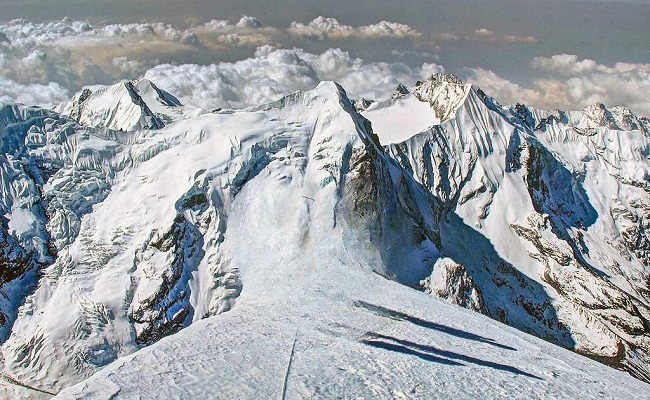
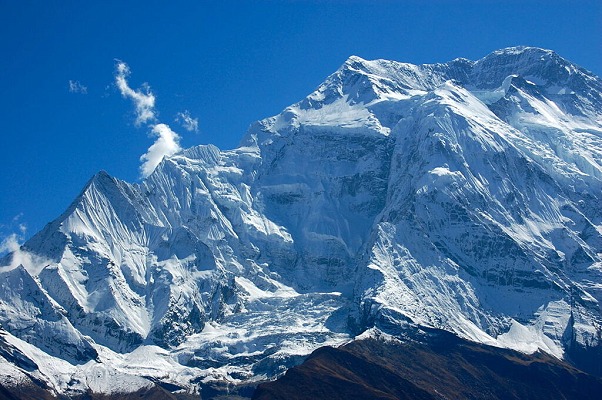
Amphu Lapcha (also spelled Amphu Laptsa or Amphu Labtsa) is a high, technical glacier pass sitting between the Hongu and Imja valleys in the Everest region, at an elevation of roughly 5,845m (19,177ft). The pass sits within a serious mountaineering tradition — it's frequently crossed by climbers descending from Baruntse or completing the historic Sherpani Col–West Col–Amphu Lapcha traverse, one of the classic connecting routes used by expedition climbers in the eastern Nepal Himalaya since the mid-20th century.
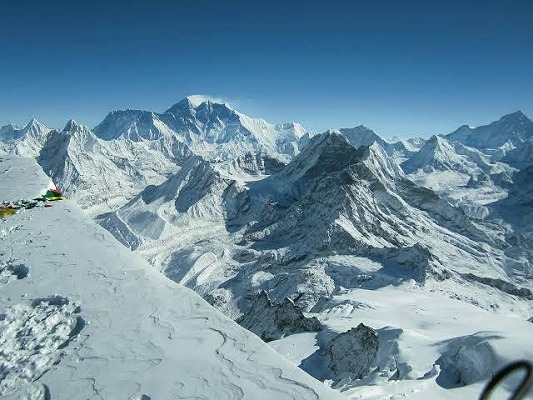
For trekkers rather than full expedition climbers, Amphu Lapcha has become best known as the dramatic finale to a Mera Peak climb, offering a loop back through Sagarmatha National Park via Chukhung and Namche instead of retracing the same trail back to Lukla. Most itineraries combine the pass crossing with a Mera Peak summit attempt (6,476m), since the two objectives share the same remote approach and the extra days aid acclimatization.
A full itinerary typically runs 16 to 19 days from Kathmandu, reaching a maximum elevation of either Mera La (5,780m) or the Amphu Lapcha Pass itself (5,845m), depending on the exact route.
How Difficult Is the Amphu Lapcha Pass Trek?
This is not a trek to attempt as your first high-altitude experience. It's widely rated as one of the most challenging and technical passes in the Himalayas, and virtually every operator flags the same requirements: prior experience with crampons, an ice axe, and roped travel is strongly recommended before attempting it.
A few things set it apart from a standard teahouse trek:
- Technical glacier travel. The crossing involves steep ascents and descents, including rope-assisted sections and glacier navigation — skills closer to mountaineering than trekking.
- Extreme altitude. At 5,845m, the pass sits higher than many trekking peaks, and altitude-related risk is a serious factor throughout the final stretch of the route.
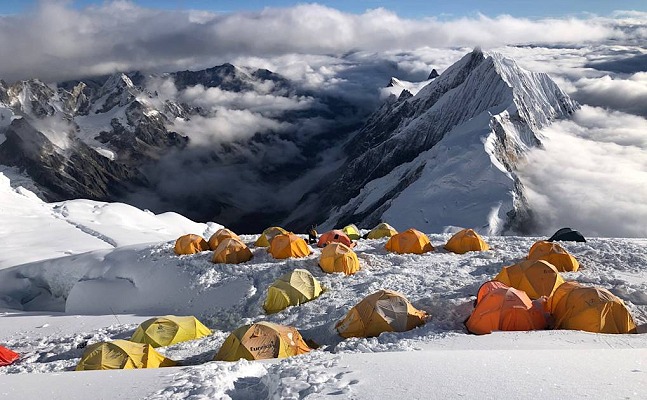
- No teahouses beyond Khare. Infrastructure ends at Khare; from there through the Hongu Valley, the Amphu Lapcha crossing, and into Chukhung, there are no teahouses at all, meaning the trip becomes a fully-supported tented camping expedition for roughly a week.
- Remote, unsupported terrain. All supplies for the multi-day stretch between Khare and Chukhung are carried in by the support team, and meals become basic — expect noodle soup, porridge, and dal bhat rather than the varied teahouse menus found elsewhere in the Khumbu.
Given all this, good physical fitness, high-altitude acclimatization, and at least basic mountaineering training are considered essential, and most operators recommend it only to trekkers who've already completed a trekking peak or comparable high-altitude route.
Amphu Lapcha Pass Trek Permits
Because the route crosses through two separate protected areas plus a local rural municipality, several permits are mandatory:
1. Sagarmatha National Park Permit
Required for the Everest-region portion of the route, including the approach through Namche and the descent via Chukhung.
2. Makalu Barun National Park Permit
Covers the Hinku and Hongu valley sections of the route on the Mera Peak side. It costs approximately USD 30 for most foreign nationals, with a discounted rate of about USD 15 for SAARC nationals, and free entry for Nepali citizens. Note that the Annapurna Conservation Area Permit (ACAP) has no relevance to this route — a common point of confusion since it's often mixed up with other Nepal permit types.
3. Khumbu Pasang Lhamu Rural Municipality Permit
A local entry permit covering the municipality the trekking route passes through in the Khumbu region.
4. TIMS Card
The standard Trekkers' Information Management System card required across most trekking regions in Nepal.
5. Peak Climbing Permit (if summiting Mera Peak)
If your itinerary includes a Mera Peak summit attempt — as most Amphu Lapcha itineraries do — you'll also need a separate climbing permit issued through the Nepal Mountaineering Association.
All of these permits are typically arranged through a registered trekking company at the Nepal Tourism Board office in Bhrikutimandap, Kathmandu, and are usually bundled into your trek package rather than something you'd handle independently.
Amphu Lapcha Pass Trek Cost
Given the technical gear, camping logistics, and permit stack involved, this trek sits well above standard teahouse-trek pricing. Expect to pay roughly USD 3,100 to 3,300 per person for a standard 19-day itinerary from Kathmandu to Amphu Lapcha Pass and back, though this varies with group size, exact route, and whether a Mera Peak summit attempt is included.
Packages at this price point typically include:
- Domestic flights (usually Kathmandu–Lukla)
- All required permits
- Airport pickup and drop-off
- Full board meals throughout
- An experienced guide and porter/camping support team
- Camping equipment for the unsupported stretch beyond Khare
Costs generally drop on a per-person basis for larger groups, since guide, porter, and logistics costs are shared. What's usually not included: technical climbing gear rental (available to hire in Chukhung for anyone also attempting Island Peak), personal insurance covering high-altitude rescue, and Kathmandu accommodation outside the trek dates.
Given the remoteness and technical demands, this is one route where booking through an experienced operator isn't just about convenience — it's a genuine safety consideration, since a fully-supported camping team is required for the days beyond Khare.
Best Season for the Amphu Lapcha Pass Trek
Timing matters more here than on most Nepal treks, since the pass crossing itself depends on stable weather and safe glacier conditions.
Spring (March–May, sometimes framed as April–early June)
Spring offers stable weather, clear skies, and moderate temperatures, making it one of the two prime windows for safely negotiating the technical pass crossing.
Autumn (September–November, sometimes extended to December)
Autumn is equally favored, with clear skies, minimal rainfall, and excellent mountain views across the Everest and Makalu ranges.
Winter (December–February)
Winter trekking is technically possible but recommended only for experienced high-altitude trekkers, given the extreme cold at nearly 6,000m.
Monsoon (June–August)
The pass is effectively closed during monsoon season due to heavy rainfall and elevated landslide and crevasse risk on the glacier sections — this is the one window to avoid entirely.
Bottom line: Plan for spring (March–May) or autumn (September–November/December) when weather is most stable for the technical crossing, and rule out the monsoon months altogether.
Amphu Lapcha Pass Trek Cost, Permits, Difficulty: FAQs
1. How difficult is the Amphu Lapcha Pass Trek?
It's considered one of the most challenging and technical passes in the Himalayas. Crossing it involves steep, rope-assisted glacier sections at nearly 5,845m, and it's not recommended as a first high-altitude trekking experience.
2. Do I need technical climbing experience?
Yes. Prior experience with crampons, an ice axe, and roped travel is strongly recommended before attempting this trek — it's closer to mountaineering than standard trekking for the pass-crossing section.
3. How much does the Amphu Lapcha Pass Trek cost?
A standard 19-day itinerary from Kathmandu, including the pass crossing and back, typically costs USD 3,100 to 3,300 per person, covering flights, permits, meals, guide, and camping support. Costs drop per person for larger groups.
4. What permits are required?
You'll need a Sagarmatha National Park Permit, a Makalu Barun National Park Permit (around USD 30, or USD 15 for SAARC nationals), a Khumbu Pasang Lhamu Rural Municipality Permit, and a TIMS card. If summiting Mera Peak, a separate NMA climbing permit is also required.
5. Is the Annapurna Conservation Area Permit (ACAP) needed for this trek?
No. ACAP has no relevance to this route — it's a common point of confusion since it's often mixed up with other Nepal permit types, but the Amphu Lapcha route runs through entirely different protected areas.
6. Are there teahouses along the way?
Only as far as Khare. From Khare through the Hongu Valley, the Amphu Lapcha crossing, and into Chukhung, there are no teahouses at all — the trip becomes a fully-supported tented camping expedition for roughly a week.
7. Is this trek usually combined with Mera Peak?
Yes, and it's commonly done this way, both for improved acclimatization and because the two objectives share the same remote approach. Many itineraries build in a Mera Peak summit attempt before the pass crossing.
8. What's the best time to attempt the Amphu Lapcha Pass?
Spring (March–May) and autumn (September–November) are the two prime windows, offering the stable weather needed for safely negotiating the technical pass crossing.
9. Can this trek be done during monsoon season?
No. The pass is effectively closed during monsoon (June–August) due to heavy rainfall and elevated landslide and crevasse risk on the glacier sections.
10. What's the maximum altitude on this trek?
The route reaches up to 5,845m at Amphu Lapcha Pass itself, with Mera La (5,780m) also crossed on many itineraries — altitudes that put this firmly in serious high-altitude territory.
Is This Trek Right for You?
The Amphu Lapcha Pass Trek is built for experienced trekkers who've already spent time at altitude and are comfortable with basic mountaineering technique — not a stepping-stone for a first big trek. If that describes you, and you're drawn to one of the most dramatic and least-crowded high routes in the Everest region, it's worth planning carefully with a team that has real experience on this specific pass. Unique Sherpa Trek's Amphu Lapcha Pass Trek page is a good starting point for itineraries, gear guidance, and permit arrangements.
Given the technical and high-altitude nature of this route, always confirm current conditions, permit requirements, and your operator's safety protocols directly before booking.