


Annapurna Circuit Luxury Trek: Itinerary, Permits, Difficulty & Services
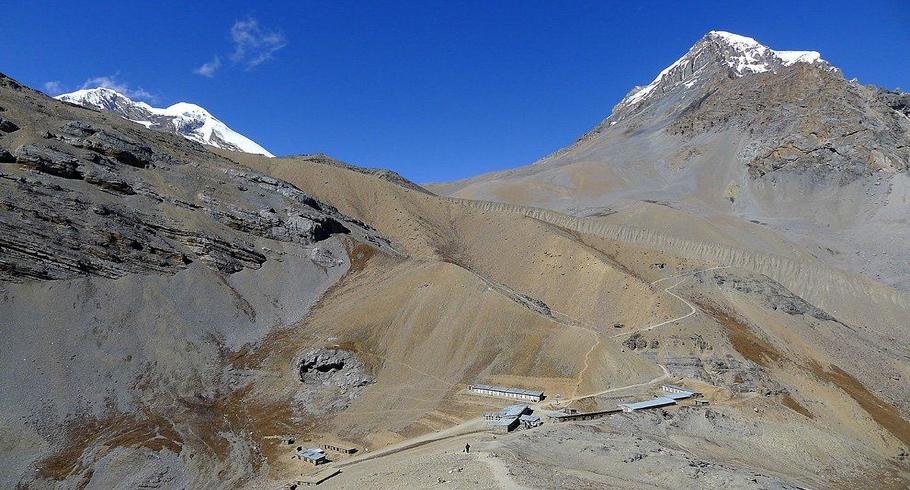
Table of Contents
The Annapurna Circuit is one of the most varied treks in the Himalayas. In a single journey you pass from subtropical river valleys into alpine meadows, then into the high, dry landscape of the Manang valley. You cross the Thorong La Pass at 5,416 m and descend into the deep Kali Gandaki gorge. Along the way you see Buddhist monasteries, apple orchards and the sacred temples of Muktinath.
It is also a demanding trek, with long days at altitude, cold mornings and a big pass crossing. That is why more travelers now choose a luxury version of the circuit. You keep the scenery and the challenge, but you get better hotels, private guiding, porter support, well-planned transfers, and rest and recovery built into the schedule.
This guide covers the Annapurna Circuit Luxury Trek: the itinerary, permits, difficulty, altitude, best season and what the luxury services really include. If you would like to see dates, current pricing and inclusions as you read, our operator's page for the Annapurna Circuit Luxury Trek has all of them.
Annapurna Circuit Luxury Trek at a Glance
| Detail | Information |
|---|---|
| Region | Annapurna, Nepal |
| Duration | 16 days (Kathmandu to Kathmandu) |
| Trek starts / ends | Chame / Muktinath, then Jomsom |
| Highest point | Thorong La Pass, 5,416 m |
| Side trip | Tilicho Lake, 4,920 m |
| Difficulty | Moderate to challenging |
| Accommodation | 5-star hotels in cities; best available lodges on trek |
| Transport | Private vehicles and domestic flights |
| Meals | Breakfast, lunch and dinner on the trek |
| Best seasons | Spring (March–May) and autumn (September–November) |
| Group size | Private or small group |
| Price | From about US$1,850 per person (see current rates on the trip page) |
Why Choose the Luxury Version of the Annapurna Circuit?
More trekking, less logistics. A standard circuit can take three weeks or more. This version uses private vehicles for the low, less scenic sections. That saves time and energy for the parts that matter: the villages above Chame, the Manang valley, Tilicho Lake and the Thorong La crossing.
Comfort where you need it most. After a hard day at altitude, a good bed, a hot meal and a warm room make a real difference to how well you sleep, eat and recover. That in turn helps you acclimatize better.
Personal support. With a private guide, an assistant guide where needed and porters carrying your main bag, you walk with only a daypack. You can set your own pace and take photos without worrying about logistics.
Flexibility. The itinerary can be shortened, extended or adjusted for fitness, interests and weather.
A more comfortable way out. Flying from Jomsom to Pokhara, rather than taking a long, bumpy road journey, saves a full day and lets you finish with a proper rest.
What "Luxury" Really Means on the Annapurna Circuit
Honesty matters here, because expectations shape the whole experience. Luxury on a high Himalayan trek is different from luxury in a city.
- In Kathmandu, Pokhara and lower towns, you stay in 5-star or high-quality hotels with full amenities.
- Along the trail, you stay in the best available lodges and tea houses. These have better bedding, cleaner rooms and, where possible, private or attached bathrooms.
- At the highest points, including Tilicho Base Camp, Yak Kharka and Thorong Phedi, facilities are still limited by altitude and remoteness. Comfort improves, but you should not expect resort-level rooms, unlimited hot water or reliable heating.
Think of it as the best possible version of the trek, with excellent comfort at both ends and thoughtful upgrades in between. Set your expectations accordingly.
16-Day Annapurna Circuit Luxury Trek Itinerary
| Day | Route | Overnight altitude | Approx. time |
|---|---|---|---|
| 1 | Arrive in Kathmandu | 1,400 m | – |
| 2 | Drive to Besisahar / Bhulbhule | 800 m | 5–6 hrs drive |
| 3 | Drive to Chame | 2,710 m | Long jeep drive |
| 4 | Trek Chame to Pisang | 3,200 m | 6–7 hrs |
| 5 | Trek Pisang to Manang | 3,540 m | 5–6 hrs |
| 6 | Acclimatization day in Manang | 3,540 m | 3–4 hrs (hike) |
| 7 | Trek Manang to Khangsar | 3,740 m | 3–5 hrs |
| 8 | Trek Khangsar to Tilicho Base Camp | 4,150 m | 4–6 hrs |
| 9 | Tilicho Lake and return to Shree Kharka | 4,050 m | 8–9 hrs |
| 10 | Trek Shree Kharka to Yak Kharka | 4,000 m | 3–5 hrs |
| 11 | Trek Yak Kharka to Thorong Phedi | 4,450 m | 3–5 hrs |
| 12 | Cross Thorong La to Muktinath | 5,416 m pass | 7–9 hrs |
| 13 | Drive Muktinath to Jomsom | 2,710 m | Short drive |
| 14 | Fly Jomsom to Pokhara | 827 m | ~20–25 min flight |
| 15 | Fly Pokhara to Kathmandu | 1,400 m | ~25 min flight |
| 16 | Departure | – | – |
Walking times are approximate and vary with pace, weather and trail conditions.
Day 1: Arrival in Kathmandu (1,400 m)
You are met at Tribhuvan International Airport and transferred to a 5-star hotel. After a briefing with your guide, you can rest or visit UNESCO World Heritage Sites such as Swayambhunath, Boudhanath and Pashupatinath.
Day 2: Drive to Besisahar / Bhulbhule (800 m)
You leave Kathmandu early and follow the Prithvi Highway, then turn up the Marsyangdi River valley. It is a scenic but long drive. You spend the night in a comfortable hotel at Bhulbhule.
Day 3: Drive to Chame (2,710 m)
You continue by private vehicle through villages such as Ngadi, Bahundanda and Jagat. Chame is the district headquarters of Manang, with views of Annapurna II and Lamjung Himal. This day gains a lot of altitude by road, so drink plenty of water and take it easy on arrival.
Day 4: Chame to Pisang (3,200 m)
Your trek begins. The trail climbs gradually through pine forest, with big views of Annapurna II and Lamjung Himal. Pisang is a picturesque village known for its monasteries and mountain views.
Day 5: Pisang to Manang (3,540 m)
The valley opens into a high, dry landscape of meadows, villages and views across the Annapurna range. Manang is the main settlement of the upper valley and your base for the next two nights.
Day 6: Acclimatization Day in Manang
Today is a planned rest day, not an idle one. Short walks to higher points help your body adjust. Typical options are a hike to Braga (Bhraka) Monastery, a visit to Gangapurna Lake, or a look at the local aid post to learn more about altitude sickness.
Day 7: Manang to Khangsar (3,740 m)
A shorter day toward the Tilicho side valley. Khangsar is a small, quiet village and a good staging point for the tougher days ahead.
Day 8: Khangsar to Tilicho Base Camp (4,150 m)
The trail becomes steeper and more exposed. Tilicho Base Camp sits below dramatic peaks, and the night here helps prepare you for the lake day.
Day 9: Tilicho Lake (4,920 m) and Return to Shree Kharka (4,050 m)
This is one of the biggest days of the trek. You start early for one of the world's highest lakes, set in a bowl of glaciated peaks. After time at the lake, you return to the base camp for a meal, then continue to Shree Kharka. Expect 8–9 hours of walking.
Day 10: Shree Kharka to Yak Kharka (4,000 m)
A shorter day to help your body recover. The trail rises and falls through high pastureland, with fine views along the way.
Day 11: Yak Kharka to Thorong Phedi (4,450 m)
You climb steadily to the foot of the pass. Rest, eat well and go to bed early, since tomorrow starts before dawn.
Day 12: Thorong Phedi to Thorong La (5,416 m) to Muktinath
The big day. You start in the dark with headlamps, climb steadily to the pass, and then descend a long way to Muktinath, a sacred pilgrimage site for both Hindus and Buddhists. The crossing can take 7–9 hours. The view from the pass is a highlight, but the descent is long and hard on the knees, so trekking poles help.
Day 13: Muktinath to Jomsom (2,710 m)
A short drive down the Kali Gandaki valley to Jomsom. The landscape changes again, with wind-swept slopes, apple orchards and the gateway to Mustang.
Day 14: Fly Jomsom to Pokhara (827 m)
An early flight of around 20–25 minutes takes you to Pokhara, where you can relax at a lakeside hotel and enjoy the warmer air. Mountain flights in this valley depend on the weather, so build in flexibility.
Day 15: Fly Pokhara to Kathmandu
You fly back to Kathmandu, with time for shopping or sightseeing. The trip ends with a farewell dinner with your team.
Day 16: Departure
Transfer to the airport for your onward flight, or extend your stay with sightseeing, a Chitwan safari or another trek.
Highlights Along the Route
- Thorong La Pass (5,416 m): the crown of the circuit, with panoramic views across the Annapurna and Dhaulagiri ranges.
- Tilicho Lake (4,920 m): a turquoise glacial lake surrounded by high peaks, and one of the highest lakes in the world.
- Manang Valley: Tibetan-Buddhist culture, monasteries, prayer walls and a superb acclimatization base.
- Muktinath Temple: a pilgrimage site known for its sacred flame and 108 water spouts.
- Kali Gandaki Gorge: one of the deepest river gorges on Earth, running between the Annapurna and Dhaulagiri massifs.
- Marpha and Thakali culture: whitewashed stone houses, apple orchards and famous apple brandy along the descent.
- Changing landscapes: subtropical forest, alpine meadow, high desert and river gorge, all on one trip.
Annapurna Circuit Permits
The Annapurna Circuit is not a restricted area, so it does not need the special restricted-area permit required for places like Manaslu or Upper Mustang. What you do need is:
Annapurna Conservation Area Permit (ACAP). This is the main permit. The fee is NPR 3,000 for foreign trekkers, roughly US$23–25, and it is charged once on entry. It is non-transferable and must match your passport name.
TIMS card. Sources differ on this. Some 2026 guides list a TIMS card at NPR 2,000 alongside the ACAP, while others say TIMS is no longer required for the circuit. Our operator's package lists it as included "where applicable," so your agency will confirm what your dates require.
Licensed guide. One 2026 guide says a licensed guide has been mandatory in the Annapurna Conservation Area since 2023, with permits issued through a registered agency. This trek includes a private licensed guide, so it is covered either way.
A few practical notes:
- Carry your permits at all times, as there are multiple checkpoints along the trail.
- Arriving at a checkpoint without a permit can mean paying a double fee.
- Fees are set in rupees, so the dollar amount moves with the exchange rate.
- With this package, your operator arranges the permits. You only need to provide your passport details and photos before arrival.
Permit rules change from time to time, so check current requirements with your operator or the Nepal Tourism Board before you travel.
How Difficult Is the Annapurna Circuit Luxury Trek?
We rate it moderate to challenging. It is not technical, and you don't need climbing skills. The difficulty comes from a few things:
- Altitude. You sleep above 4,000 m several times and cross a pass above 5,400 m.
- Two very long days. The Tilicho Lake day (8–9 hours) and the Thorong La day (7–9 hours) are demanding.
- Cold and wind. Early starts on the high sections are cold, with wind and occasional ice or snow.
- Steady walking. There are around eight walking days, several of them 5–7 hours.
The luxury elements make the trek more comfortable, but they do not shorten the pass or reduce the altitude. You still need to be fit.
Preparing Your Body
- Build cardio fitness 8–12 weeks before you go, with running, cycling, swimming or stair climbing.
- Do hill hikes with a loaded daypack and boots you plan to wear.
- Strengthen legs and core, especially for the long descent from Thorong La.
- Talk to your doctor if you have any health concerns, or plan to use altitude medication.
Altitude Sickness and Acclimatization
Altitude is the main safety issue on this route. Anyone can be affected, regardless of age or fitness.
Why this itinerary helps. It includes a full acclimatization day in Manang, then a detour to Tilicho that gives extra time at 3,700–4,200 m before the pass. Most nights above Manang gain modest altitude.
One thing to watch. Day 3 takes you from roughly 800 m to 2,710 m by road in a single day. This is below the altitude where problems usually start, but drink water, avoid alcohol and take it easy that evening.
How to reduce your risk:
- Walk slowly and steadily.
- Drink 3–4 liters of fluids a day.
- Avoid alcohol and sleeping pills at altitude.
- Tell your guide about any symptoms early. Headache, nausea, dizziness and unusual fatigue are the usual first signs.
- Never ignore worsening symptoms. Confusion, loss of balance or breathlessness at rest mean you must descend.
- Buy travel insurance that covers trekking above 5,500 m and emergency helicopter evacuation.
Your team should carry a first-aid kit and an oximeter, and your guide should be trained in altitude sickness management. Always follow their advice on pass day, since weather and group condition decide whether it is safe to cross.
Best Season for the Annapurna Circuit Luxury Trek
Autumn (September to November): best overall. Clear skies, stable weather and excellent mountain views. October and early November are the busiest and most reliable months.
Spring (March to May): flowers and warmth. Warmer temperatures and blooming rhododendrons in the lower forests. Afternoon cloud is more common than in autumn.
Winter (December to February): cold and risky. Very low temperatures and heavy snow at high elevations can make the pass difficult or impossible. Only experienced trekkers with proper gear should consider it.
Monsoon (June to August): not ideal. The upper Manang valley sits in a rain shadow and gets less rain, but the lower sections are affected by rain, landslides and disrupted flights. Views are often poor.
Luxury Services and Inclusions
Typically included:
- Airport pickups and drops in Kathmandu, plus hotel transfers
- Two nights in 5-star hotels in Kathmandu and Pokhara (bed and breakfast)
- Domestic flights for the Kathmandu and Pokhara sectors
- Private transport for the road transfers on the itinerary
- Best-available comfortable hotels, lodges and tea houses during the trek
- Breakfast, lunch and dinner on the trek, with tea and coffee with meals
- Licensed guide, assistant guide and porters (with wages and insurance)
- Waterproof duffel bag for your main luggage
- ACAP and other applicable permits, TIMS where applicable, and government fees
- First-aid kit carried by the team
- Farewell dinner in Kathmandu and a completion certificate
Optional extras that can often be arranged:
- Massage after long days, or yoga and meditation sessions
- Private cultural visits, such as monastery tours or monk talks
- Professional photography
- Helicopter options for parts of the route
- Customized pace, extra rest days or side trips
Typically not included:
- International flights and Nepal visa
- Travel insurance with high-altitude and helicopter evacuation cover
- Lunch and dinner in Kathmandu where not listed
- Personal gear, drinks, snacks, laundry and shopping
- Wi-Fi, hot showers and charging where charged separately
- Tips for guides, drivers and porters
- Extra nights caused by flight delays, weather or itinerary changes
Price. Our operator currently lists the trek at US$1,850 per person, with group pricing that drops for larger parties. Check the current price and departure dates before you plan, since rates and departures change.
Accommodation, Food and Connectivity
Accommodation. In Kathmandu and Pokhara you stay in 5-star hotels. On the trail, you stay in the best available lodges, with comfortable bedding and, at lower altitudes, private bathrooms. Above Manang, expect simpler rooms, less heating and shared facilities in some places.
Food. Meals are prepared to a higher standard than at basic tea houses, with a mix of Nepali dishes and international options. Vegetarian, vegan and gluten-free requests can be accommodated with notice. Dal bhat remains a good energy meal on trekking days.
Water. Drink safe water only. Boiled or treated water is best, and a filter or purification tablets are a good backup.
Hot showers and Wi-Fi. Most lodges offer hot showers and Wi-Fi, though some charge extra and reliability drops at high altitude. Do not rely on a signal near Thorong La.
What to Pack for Annapurna Circuit Luxury Trek
The luxury package covers comfort, but you still need the right equipment for cold, wind and altitude. The essentials are:
- Layers: thermal base layers, fleece, a warm down jacket and a waterproof, windproof shell
- Footwear: waterproof, broken-in trekking boots, warm socks and camp shoes
- Head and hands: warm hat, sun hat, sunglasses (with snow goggles for winter or snow), lightweight gloves and insulated gloves
- Sleeping bag (or liner) suited to the season
- Trekking poles for the descent from Thorong La
- Headlamp with spare batteries for the pre-dawn pass start
- Daypack of 15–25 liters
- Water bottles, purification tablets and high-SPF sunscreen and lip balm
- Personal first-aid kit and any prescribed medication
- Microspikes and gaiters if you travel in late autumn, winter or early spring
Keep your warm layers, gloves, water, snacks and headlamp in your daypack on pass day, not with the porter.
Practical Tips
- Book early for autumn. October departures fill up quickly.
- Build in a buffer day. Weather can delay the pass or the Jomsom flight. Do not book tight international connections right after the trek.
- Take the acclimatization day seriously. Do the short hike, but don't push.
- Carry cash. Bring Nepali rupees for drinks, showers, charging and tips.
- Respect local culture. Walk clockwise around mani walls and chortens, and ask before photographing people.
- Reduce plastic. Carry a reusable bottle and a water treatment method.
- Tip your team. Guides, drivers and porters rely on it as part of their income.
Annapurna Circuit Luxury Trek: Top 10 FAQs
1. What is the Annapurna Circuit Luxury Trek, and how long does it take?
It is a premium version of the classic Annapurna Circuit. It combines the route's high-altitude scenery (Manang valley, Tilicho Lake, Thorong La Pass and Muktinath) with upgraded comfort, private guiding, porter support and well-planned transfers. Our itinerary is 16 days from Kathmandu to Kathmandu, with around eight walking days. You can see the full schedule and departures on the Annapurna Circuit Luxury Trek page.
2. What makes it "luxury" compared with a standard circuit trek?
You stay in 5-star hotels in Kathmandu and Pokhara and in the best available lodges on the trail. Your luggage is carried by porters, so you walk with only a daypack. A private guide leads you, and private vehicles and domestic flights replace the least scenic road sections. Optional extras such as massage, yoga, private cultural visits and photography can often be arranged. Above Manang, comfort is still limited by altitude and remoteness, so expect better rooms and food rather than resort-level facilities.
3. How difficult is the trek?
It is rated moderate to challenging. It is not technical, so you don't need climbing skills. The difficulty comes from altitude, cold, and two very long days: the Tilicho Lake day (8-9 hours) and the Thorong La day (7-9 hours). The luxury services make the trip more comfortable, but they do not shorten the walking or lower the altitude. Good cardio fitness and 8-12 weeks of training are strongly recommended.
4. What is the highest point, and how serious is altitude sickness?
The highest point is Thorong La Pass at 5,416 m, and the Tilicho Lake side trip reaches 4,920 m. Altitude sickness is the main health risk, and anyone can be affected regardless of fitness. The itinerary helps by including a full acclimatization day in Manang and the Tilicho detour, which adds time at 3,700-4,200 m before the pass. Walk slowly, drink 3-4 liters of fluids a day, avoid alcohol, and tell your guide about symptoms early. Worsening symptoms, confusion or breathlessness at rest mean you must descend.
5. What permits do I need, and who arranges them?
The main permit is the Annapurna Conservation Area Permit (ACAP), which costs NPR 3,000 for foreign nationals. The circuit does not need a restricted-area permit. Sources differ on the TIMS card: some 2026 guides list it at NPR 2,000 alongside the ACAP, while others say it is no longer required for the circuit. Your operator will confirm what applies to your dates. With this package, the operator arranges the permits, and you only need to send your passport details and photos before arrival. Annapurna Circuit Permit 2026 — ACAP, Cost, Checkpoints +2
6. When is the best time to do the trek?
The best seasons are autumn (September to November) and spring (March to May). Autumn brings clear skies, stable weather and the best mountain views, and October is the busiest month. Spring brings warmer weather and blooming rhododendrons in the lower forests. Winter is very cold, and snow can make Thorong La difficult or impossible. The monsoon is not ideal because of rain, landslides and disrupted flights, although the upper Manang valley sits in a rain shadow.
7. What does the price include and exclude?
Our operator lists the trek from US$1,850 per person, with group rates that change with party size. Check the current price and departure dates before you plan. It typically includes:
- Airport pickups and hotel transfers
- Two nights in 5-star hotels in Kathmandu and Pokhara
- Domestic flights and private transport on the itinerary
- Best-available lodges, plus breakfast, lunch and dinner on the trek
- Licensed guide, assistant guide and porters, with wages and insurance
- Permits, government fees and a farewell dinner
It does not include international flights, your Nepal visa, travel insurance, personal gear, drinks and snacks, Wi-Fi, charging or hot showers where charged separately, or tips.
8. What are the accommodation, food and connectivity like?
In cities you stay in 5-star hotels. On the trail you stay in the best available lodges, with comfortable bedding and, at lower altitudes, private bathrooms. Above Manang, rooms are simpler and less heated. Meals are prepared to a higher standard than at basic tea houses, with Nepali and international dishes, and vegetarian, vegan and gluten-free requests can be accommodated with notice. Most lodges offer hot showers and Wi-Fi, though some charge extra and reliability drops at high altitude, especially near Thorong La.
9. Do I need travel insurance and special gear?
Yes to insurance. Your policy must cover high-altitude trekking, medical care and emergency helicopter evacuation, so check the maximum altitude it covers. For gear, the essentials are waterproof broken-in boots, thermal layers, a down jacket, a waterproof and windproof shell, insulated gloves, a warm hat, sunglasses, sunscreen, trekking poles, a headlamp, a sleeping bag or liner, and any personal medication. Keep your warm layers, water, snacks and headlamp in your daypack on pass day.
10. What if the weather, a flight or the pass conditions disrupt the plan?
Weather can delay the Thorong La crossing or the Jomsom-Pokhara flight. Your guide decides whether it is safe to cross the pass, so follow that decision. If the flight is cancelled, your operator can arrange a jeep or another option. Build a spare day into your schedule and avoid tight international connections right after the trek. The itinerary can also be customized with extra rest days or a shorter or longer route to suit your pace.
Final Thoughts
The Annapurna Circuit Luxury Trek combines one of the world's great trekking routes with real comfort, careful acclimatization and personal support. You still earn the views, especially at Tilicho Lake and Thorong La, but you arrive at each stop rested and looked after.
To see the full itinerary, upcoming departures and pricing, visit the Annapurna Circuit Luxury Trek page, or send your questions to the team and they can help you choose the right season, pace and extras.
.jpg)