


Annapurna Circuit vs. Annapurna Base Camp - Which Trek Is Right for You?
-1.jpg)
Table of Contents
Annapurna Circuit vs. Annapurna Base Camp is one of the most-searched trekking comparisons in Nepal. Both treks are located within the Annapurna region. Both deliver mountain views, cultural exposure, and strong trekking value. The difference lies in duration, altitude, difficulty, and overall experience. Choosing the right trek depends on your time, fitness level, and expectations from a Himalayan journey.
Unique Sherpa Treks has guided trekkers on both routes for years. Each trek offers a different style of adventure. This detailed guide explains every major factor so you can choose the trek that fits your plan.
Overview of Annapurna Circuit Trek
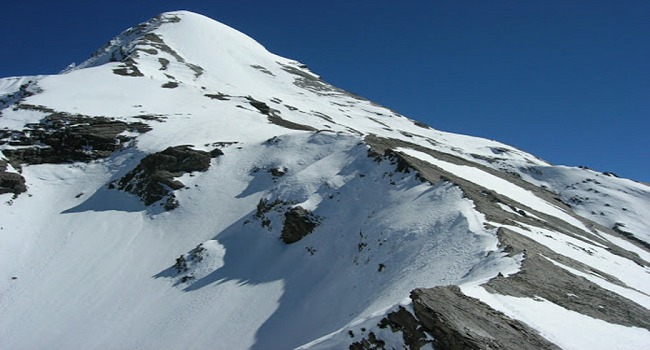
Annapurna Circuit Trek ranks among the most diverse trekking routes in Nepal. The trail circles the Annapurna massif and crosses the high Thorong La Pass at 5,416 meters. This trek covers a wide range of landscapes, from lush green valleys to dry high-altitude desert.
The route starts from lower elevations such as Besisahar or Chame and gradually climbs through villages like Pisang, Manang, and Yak Kharka. The key highlight comes at Thorong La Pass, one of the highest trekking passes in the world. After crossing the pass, the trail descends into Mustang, a region with Tibetan cultural influence.
Trekkers experience constant change. Forests shift into alpine terrain. Rivers turn into glacial streams. Villages show different lifestyles across regions. This makes the Annapurna Circuit Trek a complete Himalayan journey.
Overview of Annapurna Base Camp Trek
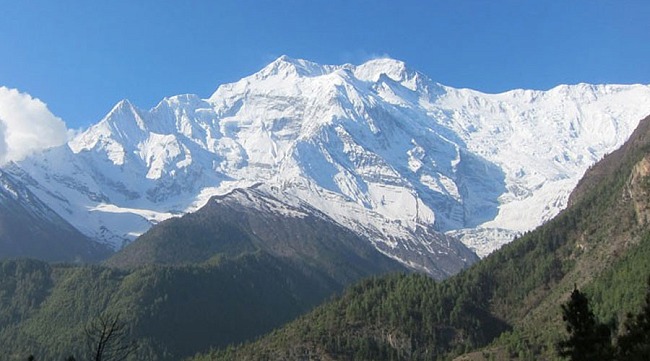
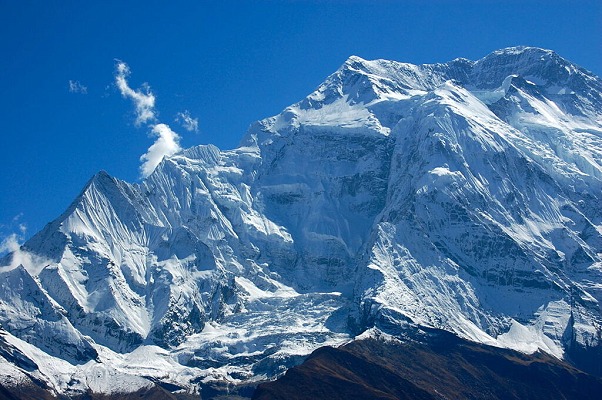
Annapurna Base Camp Trek focuses on reaching the base of Annapurna I at 4,130 meters. This trek follows a direct route into the Annapurna Sanctuary. The trail moves through villages, forests, and narrow valleys before opening into a wide glacial basin surrounded by peaks.
The journey often starts from Nayapul or Jhinu Danda. Trekkers pass through settlements like Chhomrong, Bamboo, and Deurali. The final destination offers a 360-degree mountain view, including Annapurna I, Machapuchare, Hiunchuli, and Annapurna South.
This trek does not cross a high pass. The route follows a steady ascent and descent along the same trail or a short loop via Poon Hill. Annapurna Base Camp Trek suits trekkers who want close mountain views within a shorter timeframe.
Duration and Itinerary Comparison
Duration creates one of the biggest differences.
Annapurna Circuit Trek usually takes 12 to 18 days. Some trekkers shorten the route using jeep rides or flights, but a full circuit requires more time. The long duration allows proper acclimatization and gradual exploration of multiple regions.
Annapurna Base Camp Trek takes 7 to 12 days. Many itineraries complete the trek within 8 to 10 days. This makes it suitable for trekkers with limited time.
If you have more than two weeks, the Annapurna Circuit provides a deeper experience. If your schedule stays tight, the Annapurna Base Camp Trek fits better.
Difficulty Level and Physical Demand
Difficulty plays a major role in deciding between the Annapurna Circuit vs Annapurna Base Camp.
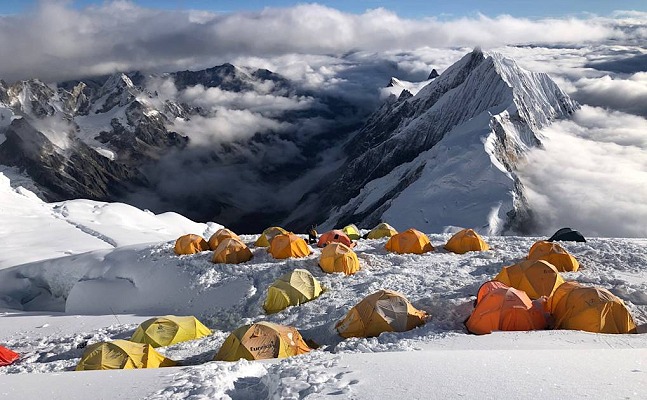
Annapurna Circuit Trek demands higher endurance. Trekkers walk long distances daily. The climb to Thorong La Pass requires strong stamina and proper acclimatization. Altitude reaches above 5,400 meters, which increases the risk of altitude sickness.
Weather conditions at the pass change quickly. Strong winds and cold temperatures add to the challenge. This trek suits trekkers with good fitness and some high-altitude experience.
Annapurna Base Camp Trek stays moderate in difficulty. The highest point remains at 4,130 meters, which reduces altitude risk. The trail includes steep stone steps in sections, especially near Chhomrong and Deurali, but the overall trekking demand stays manageable.
This trek suits beginners with basic fitness and those who prefer a steady pace.
Altitude and Acclimatization
Altitude defines safety and comfort.
Annapurna Circuit Trek crosses Thorong La Pass at 5,416 meters. Proper acclimatization becomes essential. Most itineraries include rest days in Manang to help the body adjust. Without acclimatization, trekkers face a high risk of altitude sickness.
Annapurna Base Camp Trek reaches 4,130 meters. The ascent remains gradual. The lower altitude reduces risk, though trekkers still need to stay cautious.
If altitude concerns you, the Annapurna Base Camp Trek offers a safer option.
Scenery and Landscape Experience
The scenery varies strongly between these two treks.
Annapurna Circuit Trek offers a full range of landscape diversity. The route begins in subtropical forests with waterfalls and terraced farms. As you move higher, forests turn into alpine terrain. Beyond Manang, the landscape becomes dry and rugged, similar to Tibetan plateau regions.
The trek shows rivers, cliffs, glaciers, and high mountain passes. Every few days, the scenery changes completely.
Annapurna Base Camp Trek focuses on a concentrated mountain environment. The trail moves through dense rhododendron forests, bamboo groves, and narrow valleys. The highlight comes at the base camp, where peaks surround you in all directions.
If you want variety, choose the Annapurna Circuit Trek. If you want close-up mountain views, the Annapurna Base Camp Trek works better.
Cultural Experience
Both treks offer cultural exposure, but the scale differs.
Annapurna Circuit Trek passes through multiple regions. You experience Gurung, Thakali, and Tibetan-influenced communities. Villages like Manang and Mustang show Buddhist traditions, monasteries, prayer flags, and stone houses.
The cultural shift becomes visible as you move across regions.
Annapurna Base Camp Trek focuses mainly on Gurung villages. You stay in traditional settlements and experience local hospitality. The cultural experience feels more consistent but less varied.
For broader cultural diversity, the Annapurna Circuit Trek stands stronger.
Trail Type and Route Structure
Annapurna Circuit Trek follows a circular route. You start at one point and finish at another. This creates a continuous journey without repeating the same trail.
Annapurna Base Camp Trek follows an out-and-back route. You ascend and descend along the same path, with slight variations if you include Poon Hill.
Trekkers who prefer a loop trek often choose the Annapurna Circuit. Those comfortable with returning along the same route prefer ABC.
Weather and Best Time to Trek
Both treks share the same best seasons.
Spring (March to May) offers blooming forests and moderate temperatures. Autumn (September to November) provides clear skies and stable weather.
During spring, rhododendron forests add color to the trails. In autumn, visibility remains sharp with excellent mountain views.
Winter brings cold temperatures and snow at higher elevations. Annapurna Circuit becomes more difficult due to conditions at Thorong La Pass. ABC remains possible but cold.
Monsoon season (June to August) brings heavy rain, slippery trails, and poor visibility. Both treks become less favorable during this time.
Cost Comparison
Cost varies based on duration and logistics.
Annapurna Circuit Trek costs more due to longer duration, more accommodation days, and higher guide expenses. Transport costs also increase due to longer distances.
Annapurna Base Camp Trek costs less. Shorter duration reduces overall expenses. Budget trekkers often prefer ABC for this reason.
Both treks require permits such as ACAP and TIMS.
Accommodation and Facilities
Both routes offer tea house accommodation.
Annapurna Circuit Trek provides a wide range of lodges across villages. Facilities improve in popular stops like Manang and Jomsom. Remote areas offer basic services.
Annapurna Base Camp Trek offers well-developed tea houses along the route. Lodges provide basic rooms, meals, and warm dining areas.
Electricity, Wi-Fi, and hot showers remain available in most places, though extra charges apply.
Crowd Level and Trekking Flow
The crowd level differs based on popularity and route length.
Annapurna Base Camp Trek sees higher traffic due to shorter duration and easy access. Trails near Chhomrong and Deurali often feel busy in peak season.
Annapurna Circuit Trek spreads trekkers across a longer route. Crowds remain moderate and less concentrated.
If you prefer quieter trails, the Annapurna Circuit offers better spacing.
Safety and Risk Factors
Safety depends on altitude, weather, and preparation.
Annapurna Circuit Trek involves a higher risk due to altitude and pass crossing. The weather at Thorong La changes rapidly. Proper planning remains essential.
Annapurna Base Camp Trek carries a lower risk. The main concern remains altitude and occasional weather changes.
Guided trekking improves safety on both routes.
Which Trek Is Right for You?
Choose Annapurna Circuit Trek if you want:
- A long and complete trekking experience
- Diverse landscapes from forest to desert
- A high mountain pass adventure
- Cultural variation across regions
Choose the Annapurna Base Camp Trek if you want:
- A shorter trekking plan
- Direct mountain views
- Moderate difficulty level
- Easier logistics and lower cost
Final Thoughts from Unique Sherpa Treks
Annapurna Circuit vs Annapurna Base Camp comes down to your goal. One trek offers depth and variety. The other delivers direct impact with less time.
Plan based on your fitness, schedule, and trekking experience. Do not rush the decision. Preparation defines success in the Himalayas.
Unique Sherpa Treks supports both treks with experienced guides, proper acclimatization plans, and flexible itineraries. With the right choice and planning, both routes deliver strong and unforgettable Himalayan experiences.
Contact Unique Sherpa Trek & Expedition today and take the first step toward turning your Nepal trekking dream into reality.