


Best Time to Trek Everest Base Camp - Month-by-Month Weather Guide
.jpg)
Table of Contents
Everest Base Camp Trek draws trekkers who want direct contact with the Himalayas. Timing defines success. Weather controls visibility, safety, comfort, and overall experience. A well-planned month delivers clear skies, stable trails, and smooth logistics. A poor choice leads to delays, cloud cover, and difficult conditions.
Unique Sherpa Treks guides clients year-round. Experience shows clear patterns. Spring and autumn lead in the success rate. Winter suits prepared trekkers. Monsoon demands flexibility. This guide breaks down each month with real conditions from the trail.
Everest Base Camp Weather and Seasons
The Everest region sits in high-altitude terrain. Weather shifts fast. Temperature drops sharply with altitude. Conditions vary between Lukla, Namche, and Base Camp.
Four main seasons shape trekking:
- Spring: March to May
- Summer/Monsoon: June to August
- Autumn: September to November
- Winter: December to February
Each season brings different visibility, crowd level, and trekking conditions.
Month-by-Month Everest Base Camp Trek Chart
Use this chart to compare weather, temperature, visibility, and trekking conditions across all months.
| Month | Day Temp (°C) | Night Temp (°C) | Visibility | Trail Condition | Crowd Level | Trekking Recommendation |
|---|---|---|---|---|---|---|
| January | -10 to -5 | -20 to -25 | Excellent | Dry, icy | Very Low | For experienced trekkers only |
| February | -5 to 2 | -15 to -20 | Excellent | Mixed snow/dry | Low | Good for fewer crowds |
| March | 5 to 10 | -10 to -15 | Clear mornings | Stable | Moderate | Good start to the season |
| April | 10 to 15 | -5 to -10 | Excellent | Dry and comfortable | High | One of the best months |
| May | 12 to 18 | -5 to -8 | Good mornings | Dry | High | Good with early starts |
| June | 15 to 20 | 5 to 10 | Poor | Wet, slippery | Very Low | Not recommended |
| July | 15 to 20 | 5 to 10 | Very Poor | Muddy, unstable | Very Low | Avoid |
| August | 15 to 20 | 5 to 10 | Poor improving | Wet | Low | Risky but possible late |
| September | 10 to 15 | -5 to -10 | Good after mid-month | Fresh, stable | Moderate | Good option |
| October | 10 to 15 | -5 to -10 | Excellent | Dry, firm | Very High | Best overall month |
| November | 8 to 12 | -10 to -15 | Excellent | Dry | Moderate | Excellent choice |
| December | 5 to 10 | -15 to -20 | Excellent | Dry, cold | Low | Good for quiet trekking |
January – Clear Skies and Harsh Cold
January offers strong visibility and quiet trails. Cold defines the experience.
- Day temperature at Base Camp: around -10°C
- Night temperature: below -20°C
- Sky: clear and stable
- Trail: dry but icy in sections
Mountains look sharp and close. Fewer trekkers move on the route. Lodges operate with limited services in higher villages.
Cold affects the water supply and comfort. You need proper winter gear and strong endurance.
Best for experienced trekkers seeking silence and clear mountain views.
February – Cold Eases Slightly
February keeps winter conditions, but starts improving.
- Day temperature: -5°C to 2°C
- Night temperature: around -15°C
- Visibility: strong
- Trail: mixed snow and dry sections
Days feel longer. Lower sections warm slightly. Flights to Lukla operate more consistently compared to January.
Good choice for trekkers who want fewer crowds with better stability than deep winter.
March – Spring Begins
March marks the start of the main trekking season.
- Day temperature: 5°C to 10°C
- Night temperature: -10°C
- Visibility: clear mornings, light clouds later
- Trail: stable with some snow at higher points
Forests below Namche begin to change color. Rhododendron trees start blooming in late March. Trekking traffic increases.
Conditions support steady progress. Views remain strong in the mornings.
A reliable month for both first-time and experienced trekkers.
April – Best Month for Scenery
April stands as one of the strongest months for Everest Base Camp.
- Day temperature: 10°C to 15°C
- Night temperature: -5°C to -10°C
- Visibility: excellent
- Trail: dry and comfortable
Rhododendron forests reach full bloom. Trails show color and life. Skies remain clear most mornings and afternoons.
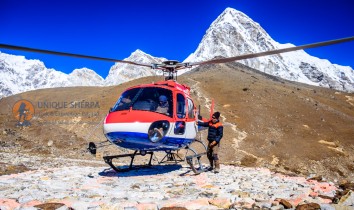
Flights operate smoothly. Lodges stay active. You meet trekkers from across the world.
This month balances weather, views, and trail conditions. Many consider April the best overall.
May – Warm with Rising Clouds
May brings warmer days and an active climbing season on Everest.
- Day temperature: 12°C to 18°C
- Night temperature: around -5°C
- Visibility: clear mornings, clouds build later
- Trail: dry and busy
Mount Everest expeditions reach their summit window. You see activity at Base Camp.
Clouds form in the afternoon. Early starts become important. Heat increases at lower elevations.
Still a strong trekking month if you plan daily movement early.
June – Start of Monsoon
June shifts into wet conditions.
- Day temperature: 15°C to 20°C (lower areas)
- Night temperature: around 5°C
- Visibility: poor due to clouds
- Trail: wet and slippery
Rain affects flights to Lukla. Delays increase. Leeches appear in forest areas.
Mountains hide behind cloud cover. Trekking becomes less predictable.
Not recommended for standard trekking plans.
July – Peak Monsoon
July brings heavy rainfall and limited visibility.
- Frequent rain throughout the day
- Cloud cover blocks mountain views
- Trails become muddy and unstable
Flights often cancel. Trekking pace slows. Landslides may affect access routes.
Best avoided for the Everest Base Camp trek.
August – End of Monsoon Phase
August continues monsoon patterns but starts clearing late in the month.
- Rain reduces toward the end
- Vegetation looks fresh and green
- Visibility improves gradually
Risk still remains high for delays and wet trails.
Only suitable for flexible trekkers who accept weather uncertainty.
September – Start of Autumn Season
September opens the second major trekking window.
- Day temperature: 10°C to 15°C
- Night temperature: -5°C to -10°C
- Visibility: improves after mid-month
- Trail: fresh after the monsoon
The air clears after rain washes away dust and pollution. Mountains appear sharp.
Crowds begin to return. Conditions stabilize.
Strong month for trekking, especially after the first two weeks.
October – Peak Trekking Month
October delivers the most stable weather.
- Day temperature: 10°C to 15°C
- Night temperature: -5°C to -10°C
- Visibility: excellent all day
- Trail: dry and firm
Clear skies dominate. Views remain consistent from morning to evening. Flights run on time.
Festivals like Dashain and Tihar add cultural depth to the journey.
The most popular month for the Everest Base Camp trekking.
November – Clear and Calm
November maintains strong conditions with fewer crowds.
- Day temperature: 8°C to 12°C
- Night temperature: -10°C
- Visibility: very clear
- Trail: dry
Cold increases at night. Days remain comfortable for trekking.
Excellent month for photography and steady trekking without peak crowds.
December – Start of Winter Quiet
December begins the winter phase.
- Day temperature: around 5°C
- Night temperature: below -15°C
- Visibility: clear
- Trail: dry with occasional snow
Crowds drop sharply. Lodges reduce services in remote areas.
You get quiet trails and strong views. Cold returns as a key factor.
Best Months to Trek Everest Base Camp
Based on weather, visibility, and trekking comfort:
Top choices:
- April
- October
- November
- March
Good alternatives:
- February
- May
- September
Avoid:
- June
- July
- August
Key Factors That Affect Your Trek
- Flight reliability to Lukla
- Visibility for mountain views
- Trail condition and safety
- Temperature and altitude comfort
- Crowd level and lodge availability
Each month impacts these factors differently.
Final Advice from Unique Sherpa Treks
Choose spring or autumn for the best results. Plan early. Start trekking days early to avoid afternoon clouds. Pack according to the season. Respect altitude and acclimatization.
Unique Sherpa Treks manages logistics, permits, guides, and safety across all months. With the right timing and planning, Everest Base Camp delivers a strong and memorable trekking experience.
Contact Unique Sherpa Trek & Expedition today and take the first step toward turning your Nepal trekking dream into reality.
.jpg)