


Best Time to Visit Everest Base Camp
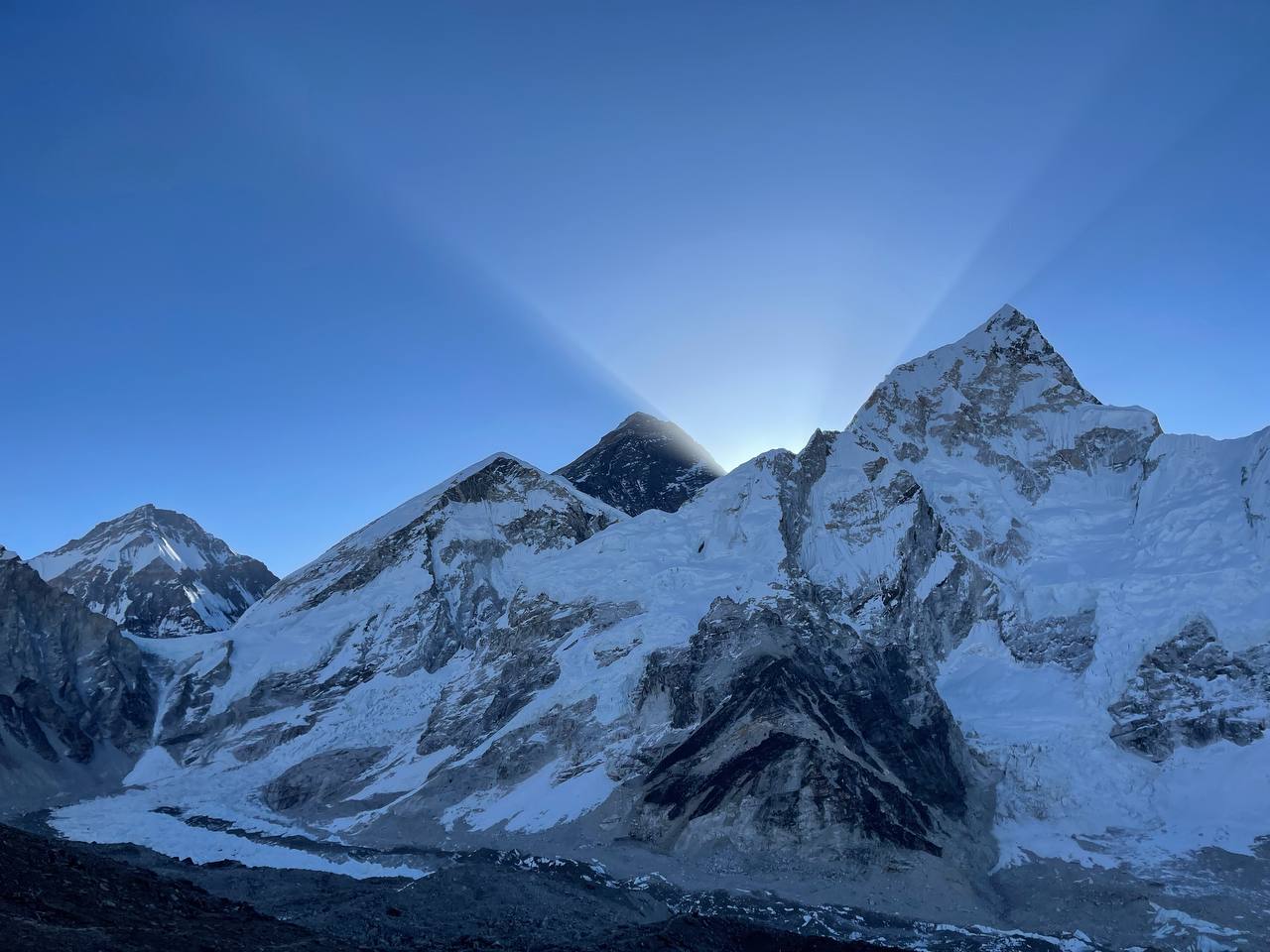
Table of Contents
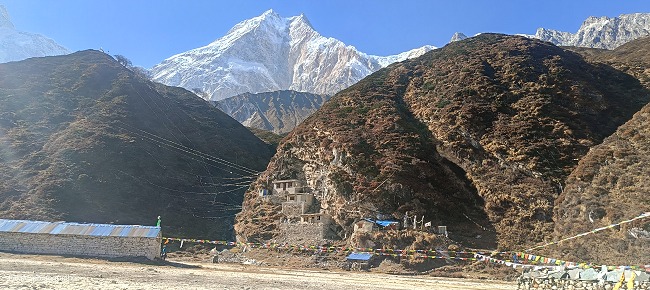
Everest Base Camp ranks among the most famous trekking destinations in the world. Thousands of travelers arrive every year to walk through the Khumbu Valley, experience Sherpa culture, and stand at the base of the highest mountain on Earth, Mount Everest.
Weather plays a major role in the Everest trek experience. Temperature, cloud cover, trail conditions, and visibility vary across the year. Choosing the right season improves safety, comfort, and mountain views.
Two seasons stand out as the best time to visit Everest Base Camp. Spring and autumn deliver stable weather, clear skies, and ideal trekking conditions.
Everest Base Camp Weather and Seasons
The Everest region sits at high altitude inside the Himalayan range. Climate conditions shift quickly. The year divides into four trekking seasons.
• Spring
• Summer or monsoon
• Autumn
• Winter
Each season brings different weather patterns and trekking experiences.
Spring Season: March to May
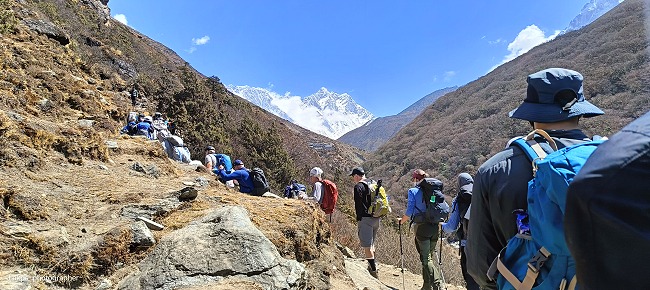
Spring ranks as the most popular time for the Everest Base Camp trek. Clear skies, moderate temperatures, and blooming forests create excellent trekking conditions.
Temperature at lower elevations such as Namche Bazaar ranges between 10°C and 15°C during the day. Higher elevations near base camp remain colder but manageable.
Highlights of Spring Trekking
• Clear mountain views
• Moderate daytime temperatures
• Rhododendron forests in bloom
• Active mountaineering season on Everest
During this period, climbers from around the world attempt to summit Mount Everest. Trekkers often see expedition camps and climbing teams preparing for the ascent.
April and May deliver the best weather during the spring trekking season.
Autumn Season: September to November
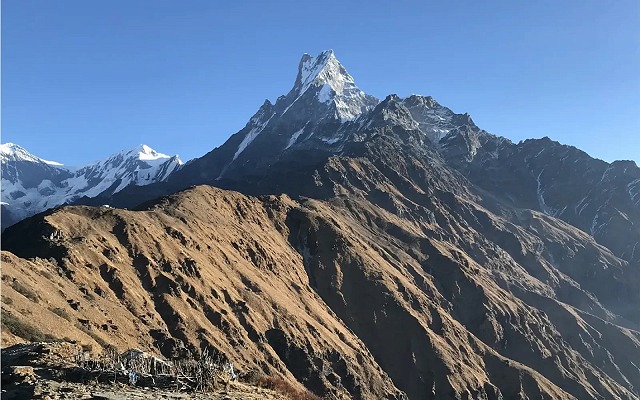
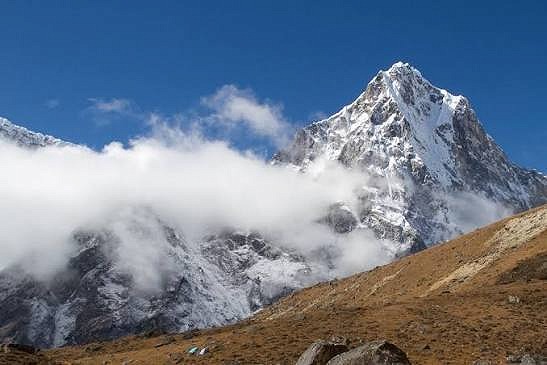
Autumn stands as another excellent season for the Everest Base Camp trek. After the monsoon rains clear the atmosphere, the sky becomes deep blue and mountain visibility improves dramatically.
Trails remain dry and stable, creating comfortable trekking conditions.
Daytime temperatures range between 12°C and 18°C at lower elevations. Nights become colder as trekkers gain altitude.
Advantages of Autumn Trekking
• Excellent visibility of the Himalayas
• Stable weather patterns
• Dry trekking trails
• Comfortable trekking temperatures
Many trekkers consider October the best month for Everest Base Camp due to stable weather and clear mountain views.
Winter Season: December to February
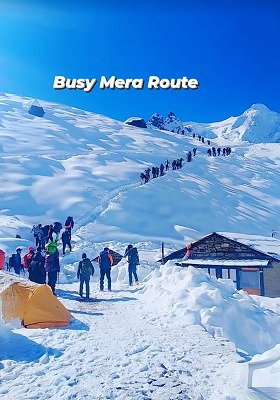
Winter trekking in the Everest region brings cold temperatures but fewer trekkers on the trail.
Daytime temperatures remain manageable in lower areas, but nighttime temperatures can drop below −15°C at higher elevations.
Winter Trek Highlights
• Quiet trekking trails
• Clear mountain views
• Unique snowy landscapes
Trekkers who prepare well for cold weather can still enjoy a rewarding Everest Base Camp experience during winter months.
Monsoon Season: June to August
The monsoon season brings heavy rainfall across much of Nepal. Clouds often cover the mountains, reducing visibility.
Lower sections of the trekking route become wet and slippery. Flights to Lukla Airport face delays due to weather.
However, this season also offers some advantages.
• Fewer trekkers
• Green landscapes in lower valleys
• Quiet trekking experience
Most travelers avoid this season due to unpredictable weather.
Best Months for Everest Base Camp Trek
The most favorable trekking months include:
• April
• May
• October
• November
These months offer the best balance of clear skies, comfortable temperatures, and stable weather.
Everest Base Camp Temperature Overview
Temperature changes with altitude. As trekkers climb higher into the Himalayas, the air becomes colder.
Typical temperature range:
Namche Bazaar
Day 10°C to 15°C
Dingboche
Day 5°C to 10°C
Everest Base Camp
Day −5°C to 5°C
Night temperatures near base camp often drop below −10°C.
Tips for Choosing the Right Season
Consider these factors before planning the trek.
Weather preference
Choose spring or autumn for stable conditions.
Crowds
Spring and autumn attract the most trekkers.
Photography
Autumn offers the clearest mountain views.
Quiet trekking experience
Winter and monsoon provide fewer crowds.
Final Thoughts
The Everest Base Camp trek remains one of the greatest trekking adventures in the world. Stunning mountain scenery, Sherpa culture, and the challenge of high-altitude trekking attract travelers from across the globe.
Spring and autumn deliver the best trekking conditions, offering clear skies and stable weather. These seasons provide the most enjoyable experience for travelers exploring the Everest region.
With proper planning and the right season, a journey to Everest Base Camp becomes a lifetime memory in the heart of the Himalayas.
Contact Unique Sherpa Trek & Expedition today and take the first step toward turning your Nepal trekking dream into reality.
.jpg)