


How Far Is Kanchenjunga Base Camp from Taplejung? Distance, Time and Trek Guide
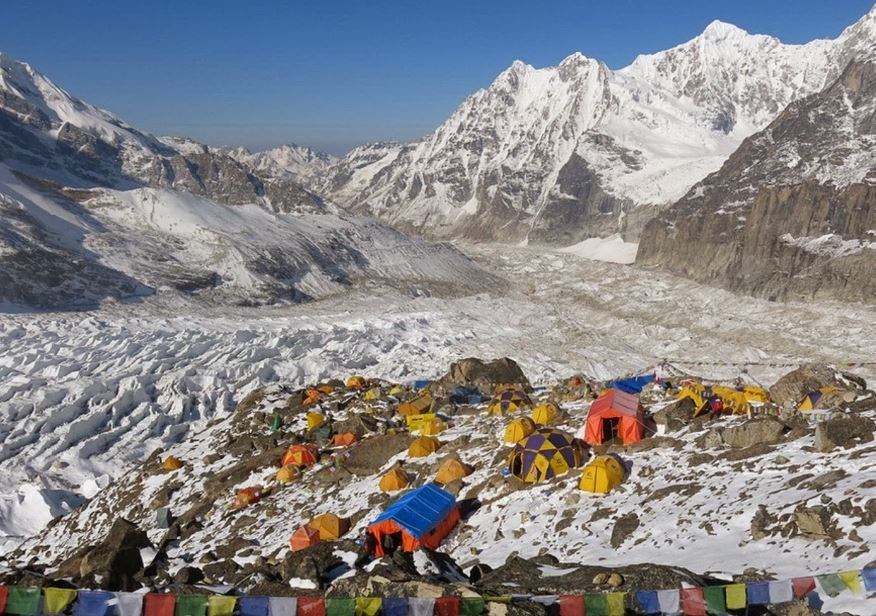
Table of Contents
In the far northeastern corner of Nepal, on the border with Sikkim, India, rises Kanchenjunga (8,586 m), the third-highest mountain on Earth. Far from the crowds of Everest and Annapurna, its base camp trek is one of Nepal's last truly wild adventures: remote villages, rhododendron forests, high alpine meadows and giant glaciers. If you are planning this journey, one of your first questions will likely be: how far is Kanchenjunga Base Camp from Taplejung?
The short answer is that the base camp lies roughly 50 to 60 km from Taplejung in a straight line, but reaching it on foot takes about a week or more and covers around 90 to 100 km one way. The map can be misleading here. Taplejung sits at around 1,820 metres, while the north base camp at Pangpema is above 5,000 metres. Between the two lie steep river gorges, landslide-prone slopes, suspension bridges and several days of steady climbing, so the journey is best measured in days rather than kilometres.
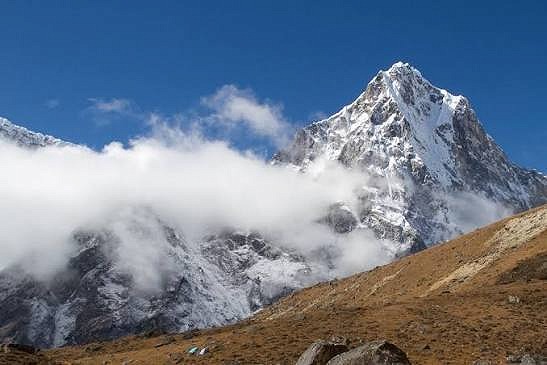
The trail itself is a journey through many worlds. You begin in warm, green hills of terraced farmland and cardamom fields, pass through villages of the Limbu, Rai and Sherpa communities, and climb through rhododendron and juniper forests before reaching the stark, glacier-carved landscape beneath the mountain. Because the region is remote and protected, you will meet far fewer trekkers than on the busier trails in Everest or Annapurna, which is exactly what makes it so special.
Planning a trek here also means thinking about more than distance. You will need to know how to reach Taplejung, which permits are required for this restricted area, how many days to allow for acclimatization, and which season offers the safest and clearest conditions. In this guide, Unique Sherpa Trek & Expedition explains the real distance, the travel time, the route, the permits, and the practical tips you need to plan with confidence. If you would prefer to have everything arranged for you, you can also explore our guided Kanchenjunga Base Camp Trek, complete with itinerary, inclusions, and experienced local guides.
Quick Answer: Taplejung to Kanchenjunga Base Camp Distance
| Detail | Approximate figure |
|---|---|
| Straight-line (aerial) distance | About 50 to 60 km |
| Walking distance, trailhead to North Base Camp (Pangpema), one way | Roughly 90 to 100 km |
| Walking time to Pangpema from the trailhead | About 8 to 10 days |
| Altitude of Taplejung | About 1,820 m |
| Altitude of Pangpema (North Base Camp) | About 5,140 m |
| Altitude of Oktang (South Base Camp) | About 4,730 m |
| Typical full trek duration | 18 to 24 days |
These figures are estimates and vary with route choice, weather, and side trips.
North vs South Base Camp
Kanchenjunga has two main base camps, and the distance depends on which one you choose:
- Kanchenjunga North Base Camp (Pangpema, about 5,140 m): the most popular objective, reached via the Ghunsa valley with views of the north face of Kanchenjunga.
- Kanchenjunga South Base Camp (Oktang, about 4,730 m): reached via the Yalung valley, offering views of Kabru, Rathong and the Yalung glacier.
Many trekkers choose one side, while those with more time and stamina combine both in a full circuit that crosses several high passes. Check the full itinerary on the Kanchenjunga Base Camp Trek page for the option that fits your schedule.
Why Distance Alone Doesn't Tell the Story
Taplejung sits at about 1,820 metres, while the north base camp is more than 5,000 metres high. Along the way, the trail rises and falls repeatedly, crossing suspension bridges, steep river gorges and landslide-prone slopes. You climb through subtropical farmland, cardamom fields, rhododendron and juniper forests, and finally into a stark glacial landscape.
Because of the rugged terrain, remoteness, and altitude, the journey is measured in days, not kilometres. Rest days for acclimatization are essential and add to the overall trip length.
Step-by-Step: From Taplejung to Pangpema
A typical route to the North Base Camp looks like this:
- Taplejung to Chirwa (about 1,270 m). A drive or short trek to the start of the main trail.
- Chirwa to Sekathum (about 1,660 m). Through green hills and villages along the Tamor River.
- Sekathum to Amjilosa (about 2,300 m). A steady climb through forest and terraced land.
- Amjilosa to Gyabla (about 2,700 m). Higher trails with Limbu and Sherpa communities.
- Gyabla to Ghunsa (about 3,595 m). An important Sherpa village and a good place to acclimatize.
- Ghunsa to Khambachen (about 4,050 m). Wide valley views and the first big mountain panoramas.
- Khambachen to Lhonak (about 4,780 m). A high-altitude walk beside glaciers and moraines.
- Lhonak to Pangpema (about 5,140 m). The highlight: standing beneath the north face of Kanchenjunga.
- Return to Ghunsa and onward, retracing the route or continuing on the wider circuit.
Daily walking is usually 5 to 8 hours, with shorter days at higher altitudes to help your body adjust.
How to Reach Taplejung
Taplejung is far from Kathmandu, and getting there takes some planning:
- By air and road: fly from Kathmandu to Bhadrapur, Biratnagar, or a nearby airport, then continue by jeep or bus to Taplejung. The road journey is typically long, often 10 to 12 hours or more depending on conditions.
- By road all the way: possible but very long, so most trekkers combine a flight with a drive.
- Local flights: flights to the Taplejung area have operated at times, but schedules are irregular, so always confirm with your operator.
Many itineraries start from Suketar (about 2,420 m) or from a jeep-accessible trailhead, depending on the road situation.
Permits You Will Need
Kanchenjunga is a restricted area, so permits are compulsory:
- Kanchenjunga Conservation Area Permit
- Restricted Area Permit
- TIMS or trekking registration where applicable
Rules generally require at least two trekkers and booking through a registered trekking company with a licensed guide. Fees and regulations change, so confirm the latest details before you go. Team Ram Adventure handles the permits as part of your booking.
Best Time to Trek to Kanchenjunga Base Camp
- Autumn (September to November): clear skies, dry trails, and excellent mountain views. The season is just beginning now.
- Spring (March to May): rhododendrons in bloom and milder temperatures, ideal for photography.
- Winter and monsoon: generally not recommended due to snow, cold, leeches, and landslides.
Difficulty and Fitness Level
The Kanchenjunga Base Camp trek is challenging. It involves long days, steep ascents, high altitude, basic facilities, and remote stretches far from roads or hospitals. Previous trekking experience, good fitness, and proper acclimatization are strongly recommended. No technical climbing skills are needed, but you must be ready for a demanding, multi-week expedition.
Accommodation and Food
Expect simple teahouses and lodges in lower villages, with more basic conditions higher up, and some sections may use camping or very simple huts. Meals are hearty and straightforward: dal bhat, noodles, soups, eggs, and tea. Because facilities are limited, bring warm gear, water purification, and some snacks.
What Makes Kanchenjunga So Special?
- Wild and uncrowded trails, with far fewer trekkers than Everest or Annapurna.
- Rich culture, including Limbu, Rai and Sherpa communities.
- Incredible biodiversity, including rhododendron forests and rare wildlife such as red panda and snow leopard.
- Spectacular views of Kanchenjunga, Jannu, Kabru and the surrounding giants.
Practical Tips for Your Trek
- Pack layers, a four-season sleeping bag, a down jacket, waterproofs, and sturdy, broken-in boots.
- Carry enough cash, since ATMs are not available on the trail.
- Build in extra days for weather and acclimatization.
- Drink plenty of water, ascend gradually, and tell your guide about any symptoms of altitude sickness.
- Travel with a licensed guide and porters for safety and comfort.
Why Trek with Unique Sherpa Treks & Expedition?
A remote, restricted-area expedition demands experience, careful logistics, and reliable support. With knowledgeable local guides, thoughtfully planned itineraries, permit handling, and full backup, Unique Sherpa Treks & Expedition helps you explore Kanchenjunga safely and comfortably. Find the full itinerary, inclusions, and pricing here: Kanchenjunga Base Camp Trek.
FAQs About Kanchenjunga Base Camp from Taplejung
1. How far is Kanchenjunga Base Camp from Taplejung?
In a straight line, the base camp is about 50 to 60 km away. On foot, the trail to Pangpema (North Base Camp) is roughly 90 to 100 km one way, and the full round trip is much longer. The winding, mountainous route makes it a multi-day expedition.
2. How many days does it take to reach Kanchenjunga Base Camp from Taplejung?
Most trekkers need about 8 to 10 days to reach Pangpema from the trailhead, including acclimatization. The complete round trip usually takes 18 to 24 days, depending on the route, the base camp chosen, and any extra rest days.
3. What is the difference between North and South Base Camp?
North Base Camp (Pangpema, about 5,140 m) is reached through the Ghunsa valley and is generally the more popular option. South Base Camp (Oktang, about 4,730 m) is reached through the Yalung valley. Some trekkers combine both in a longer circuit.
4. How do I get to Taplejung from Kathmandu?
The usual approach is to fly from Kathmandu to Bhadrapur or Biratnagar, then continue by road to Taplejung, which can take 10 to 12 hours or more. Direct flights to the area exist at times but are irregular, so always confirm current options with your operator.
5. Do I need a permit for the Kanchenjunga trek?
Yes. You need a Kanchenjunga Conservation Area Permit and a Restricted Area Permit, and usually trekking registration as well. Restricted areas require a minimum of two trekkers and a licensed guide booked through a registered agency. Check current fees and rules before your trip.
6. How difficult is the Kanchenjunga Base Camp trek?
It is a challenging trek. Expect long days, steep and remote terrain, altitude above 5,000 metres, and simple facilities. Good fitness, prior trekking experience, and careful acclimatization are important. It is not technical, but it is demanding.
7. What is the best time of year to trek Kanchenjunga?
Autumn (September to November) and spring (March to May) offer the best weather and visibility. Winter is cold with heavy snow at high altitude, and the monsoon brings rain, leeches, and landslides, so both are generally avoided.
8. Is altitude sickness a risk on the Kanchenjunga trek?
Yes. You spend several days above 4,000 metres and reach over 5,000 metres at Pangpema. A slow ascent, rest days, plenty of fluids, and close monitoring by your guide are essential. If symptoms such as severe headache, nausea, or confusion appear, descend immediately.
9. What accommodation and food are available on the trail?
Lower villages have simple teahouses, while higher sections may be very basic or involve camping. Meals are typically dal bhat, noodles, soups, and eggs. Facilities are limited compared with Everest or Annapurna, so pack warm clothing, a sleeping bag, and snacks.
10. How much does the Kanchenjunga Base Camp trek cost, and why book with a local operator?
Costs depend on group size, trip length, permits, transport, guides, porters, and season. Because the region is remote and restricted, a local operator handles permits, logistics, and safety far more efficiently. View current details on the Kanchenjunga Base Camp Trek page.
Final Thoughts
So, how far is Kanchenjunga Base Camp from Taplejung? In a straight line, it is only about 50 to 60 km, but on foot it is a rewarding 8 to 10 day walk of roughly 90 to 100 km to Pangpema, and an 18 to 24 day journey for the full trek. Along the way, you climb from around 1,820 metres at Taplejung to more than 5,000 metres at the north base camp, passing through subtropical farmland, cardamom fields, rhododendron forests and high alpine valleys.
It is a big commitment, but in return you get one of the wildest, quietest and most spectacular trekking experiences in the Himalayas. There are no crowds here, only the sound of glacial rivers, the flutter of prayer flags on remote ridges and the warm hospitality of Limbu, Rai and Sherpa villages. Each day brings a new landscape, from suspension bridges over deep gorges to open meadows dotted with yaks, until the final approach to Pangpema, where the vast north face of Kanchenjunga rises in front of you. Standing beneath the world's third-highest peak is the kind of moment that makes every step worthwhile.
The key to a successful trek is preparation. Choose the right season, with autumn and spring offering the most stable weather and the clearest views. Build your fitness with regular hiking, stair climbing, and cardio in the weeks before you leave. Allow time for acclimatization, pack carefully for cold and changing conditions, and listen to your body along the way. Just as important, travel with an experienced local team that understands the terrain, the restricted area permits, and the weather, and that can respond quickly if plans need to change.
At Unique Sherpa Trek & Expedition, we take care of the permits, transport, accommodation, meals, guides, and porters, so you can focus on the journey instead of the logistics. Our team is committed to safe, responsible trekking that supports local communities and respects the fragile mountain environment.
Ready to plan? Visit the Kanchenjunga Base Camp Trek page for the full itinerary, inclusions, and pricing, and connect with Unique Sherpa Trek & Expedition today. One of the last great wildernesses of the Himalayas is waiting for you.
.jpg)