


Jugal Himal Peak Climbing: 11-Day Itinerary, Cost & Complete Climbing Guide
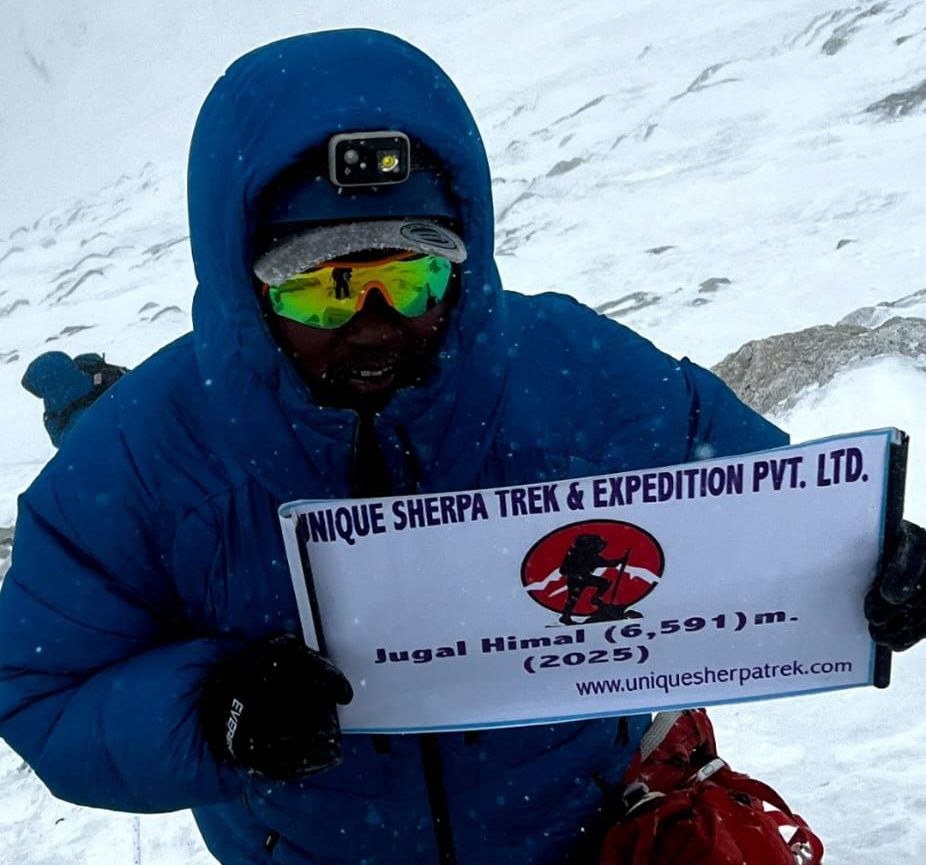
Table of Contents
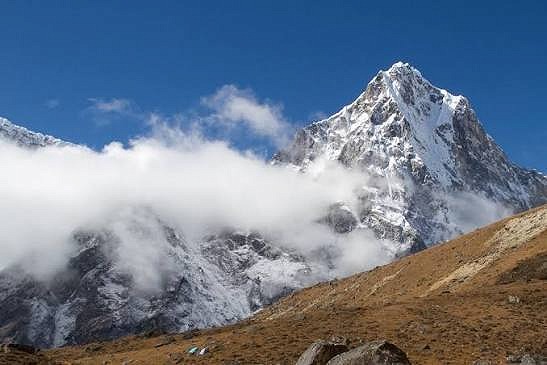
If you've already ticked off Island Peak or Mera Peak and you're hunting for something wilder, quieter, and a lot less crowded, Jugal Himal Peak Climbing deserves a serious look. Standing at roughly 6,093m (19,990ft), Jugal Himal sits in one of Nepal's most under-the-radar mountain ranges, tucked into the Langtang region near the Tibetan border — close enough to Kathmandu that you can drive to the trailhead in a matter of hours, yet remote enough that you'll likely have the glaciers, ridgelines, and high camps entirely to yourself.
That combination is rare in Nepal's mountaineering scene. Most trekking peaks that offer this kind of technical challenge — steep snow slopes, glacier travel, exposed ridgelines — also come with the crowds, fixed-line traffic jams, and packed teahouses that define routes like Island Peak or Lobuche East during peak season. Jugal Himal flips that equation. Because it sees a fraction of the traffic, you get a genuinely wild alpine experience: unmarked trails through Tamang villages, empty base camps, and a summit day where the only footprints in the snow are your team's own.
It's not a peak to underestimate, though. The approach still demands multiple days of sustained trekking through forested valleys and alpine terrain before you even reach Base Camp, and the summit push itself involves real technical climbing — crampons, fixed ropes, and glacier navigation — not just a long walk uphill. This is a mountain built for climbers who already have some rope and ice experience under their belt and want to put it to use somewhere that still feels genuinely unexplored.
This guide walks through everything a climber actually needs to know before committing to this expedition: the full 11-day itinerary broken down day by day, a realistic cost breakdown (including what's included and what isn't), required permits, essential gear, honest difficulty expectations, the best climbing seasons, and the questions climbers ask most often before booking. Whether you're comparing Jugal Himal against other Nepal peak climbing options or you've already decided this is the one, everything below should give you a clear, practical picture of what the climb actually involves.
You can view the full trip details, current pricing, and fixed departure dates directly on Unique Sherpa Trek & Expedition's Jugal Himal Peak Climbing page.
Why Jugal Himal Peak Climbing Is Worth Your Attention
Most climbers know the Everest and Annapurna regions inside out, but the Jugal Himal range — tucked into the Langtang region near the Tibet border — remains one of the least explored mountaineering zones in the country. That's part of the appeal.
- It's a genuinely remote alpine expedition, not a commercial trekking-peak conveyor belt.
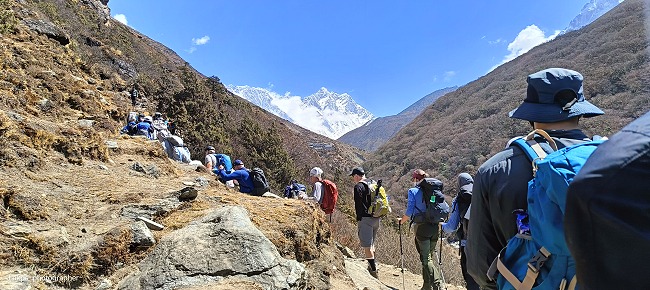
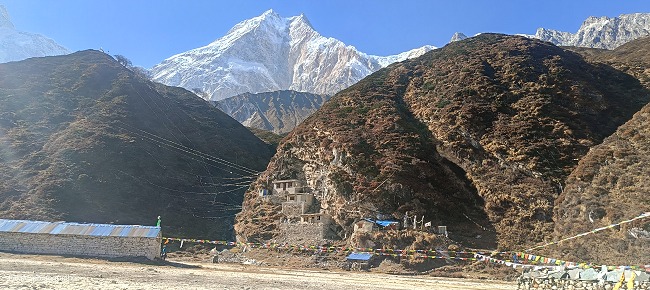
- The approach trail winds through traditional Tamang and Sherpa villages in the Sindhupalchok district, so the cultural experience is just as rich as the climbing.
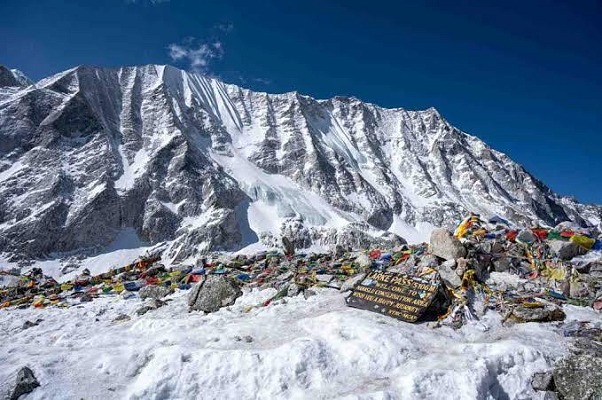
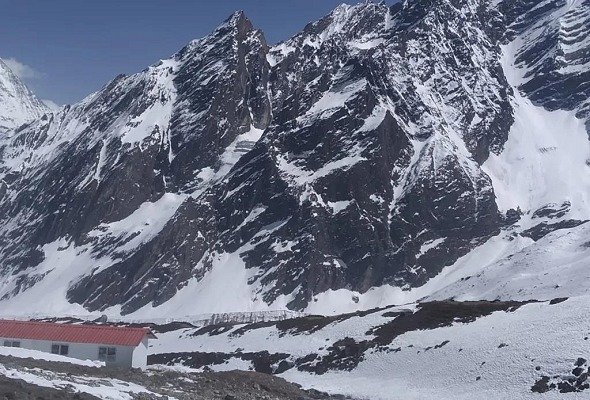
- The route moves from river valleys and rhododendron forest into alpine meadows, glacier basins, and finally the technical snow-and-ice terrain near the summit.
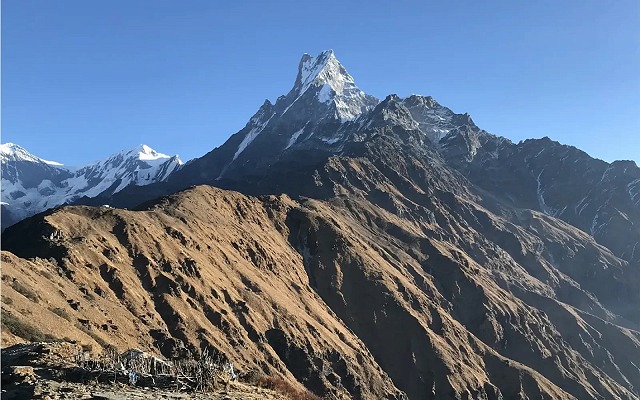
- Views from the top stretch across Langtang Lirung, Dorje Lakpa, Gaurishankar, and the Rolwaling range, with the Tibetan plateau visible in the distance.
- Because so few teams attempt it each season, it also appeals to climbers interested in exploratory or near-first-ascent style mountaineering.
In short, it's peak climbing for people who want an authentic Himalayan mountaineering experience without the queues.
Jugal Himal Peak Climbing at a Glance
| Detail | Information |
|---|---|
| Duration | 11 Days (Kathmandu to Kathmandu) |
| Max Elevation | 6,093m / 19,990ft |
| Region | Langtang Region, Sindhupalchok District |
| Starting Point | Melamchi Pul Bazaar |
| Trip Grade | Challenging / Technical |
| Group Size | 2 to 15 climbers |
| Accommodation | Hotel, teahouse, and tented camps |
| Best Season | Spring (March–May) and Autumn (September–November) |
| Cost | From US$ 1,950 per person |
11-Day Jugal Himal Peak Climbing Itinerary
Here's the day-by-day breakdown of how the climb actually unfolds, from your first night in Kathmandu to the summit push and back.
Day 1: Arrival in Kathmandu
You'll land at Tribhuvan International Airport, where a representative transfers you to your hotel. Later, your climbing guide runs through a briefing and equipment check, so this is the moment to flag anything you're missing before the trek begins.
Day 2: Kathmandu Sightseeing and Climbing Preparation
A day spent visiting Kathmandu Valley's UNESCO World Heritage Sites, followed by a final gear check and any last-minute shopping in Thamel. You'll also sit down with your guide to walk through the itinerary in detail.
Day 3: Drive to Melamchi Pul Bazaar (870m)
An early departure for the roughly 3–4 hour drive to Melamchi Pul Bazaar, covering about 55–60km. Permits and paperwork are finalized here before the trekking portion begins the next morning.
Day 4: Trek to Tarkeghyang (2,590m)
The real trekking starts here — around 10–12km through forested trails and traditional villages, gaining significant altitude en route to Tarkeghyang.
Day 5: Trek to Sermathang (2,610m)
A shorter day (8–10km, 4–5 hours) through the scenic edges of Langtang National Park, with good acclimatization value given the modest elevation gain.
Day 6: Trek to Melamchi Gaon (2,560m)
You'll cover 10–12km through Tamang settlements, getting a genuine feel for the daily rhythms of mountain village life before the terrain gets steeper.
Day 7: Trek to Jugal Himal Base Camp (4,800m)
This is a big day — 12–14km and 6–7 hours of steady ascent. Camp is established at Base Camp, and this is where the expedition properly begins.
Day 8: Summit Push to Jugal Himal (6,093m) and Return
The climbing day. You'll move through glaciated terrain and technical sections on fixed ropes, guided step-by-step by your climbing team. Depending on weather, snow conditions, and group fitness, teams may establish a higher camp before the final push. After summiting, the team descends back to Base or High Camp.
Day 9: Descend to Melamchi Pul Bazaar
A long descent day (20–22km, 7–8 hours) back down to Melamchi Pul Bazaar, where there's usually a celebratory dinner to mark the successful climb.
Day 10: Drive Back to Kathmandu
The 55–60km drive back to Kathmandu takes roughly 3–4 hours. The rest of the day is yours to rest, shower properly, and start processing what you just did.
Day 11: Final Departure
Transfer to Tribhuvan International Airport for your onward flight.
This itinerary is designed with acclimatization built in — the gradual elevation gain through Days 4–7 matters far more than it looks on paper, since it's what makes the summit push on Day 8 survivable. If you want flexibility around weather delays, ask your operator (like Unique Sherpa Trek) about adding a contingency day.
How Much Does Jugal Himal Peak Climbing Cost?
Pricing for Jugal Himal Peak Climbing typically starts around US$ 1,950 per person, though the exact rate depends heavily on group size:
| Group Size | Price Per Person |
|---|---|
| 1–2 people | US$ 2,200 |
| 3–10 people | US$ 2,100 |
| 11–20 people | US$ 1,950 |
What's Usually Included
- Airport pickup/drop-off in Kathmandu
- 2 nights in a 3-star Kathmandu hotel with breakfast
- All ground transportation between Kathmandu and the Jugal Himal region
- Three meals a day plus tea/coffee during the trek and climb
- Licensed climbing guide, assistant guide, and porters
- Jugal Himal peak climbing permit and Langtang National Park entry fees
- TIMS card and government registration fees
- Full camping setup (sleeping, dining, kitchen, toilet tents) at Base and High Camp
- Group climbing gear (ropes, fixed-line support) and technical climbing instruction
- Guide, staff, and porter insurance, plus a first-aid kit for the group
- Farewell dinner and a summit achievement certificate
What's Typically Excluded
- Nepal entry visa fees
- Travel insurance with high-altitude and helicopter evacuation coverage
- Lunch/dinner in Kathmandu (outside what's specified)
- Personal climbing gear (boots, harness, crampons, ice axe, etc.) unless arranged separately
- Tips for guides, porters, and staff
- Personal expenses like Wi-Fi, laundry, and bottled drinks
Budget an additional US$ 350–500 in personal spending money, and don't skimp on travel insurance — it needs to specifically cover high-altitude mountaineering and emergency evacuation, not just general trip cancellation.
Difficulty and Required Climbing Skills
Jugal Himal isn't a beginner's trekking peak. The route includes glacier travel, steep snow slopes, and exposed technical sections, so you'll want prior experience with:
- Crampon and ice axe technique, including self-arrest
- Moving on fixed ropes and using a Jumar/ascender
- Basic rope systems, belay devices, and glacier travel protocols
- Sustained high-altitude trekking above 4,000–5,000m
Strong cardiovascular fitness and leg endurance matter just as much as technical skill — you're covering long trekking days before you even reach the technical terrain near the summit.
Best Time to Climb Jugal Himal Peak
Spring (March to May) and Autumn (September to November) are the two climbing windows, and for good reason — both offer more stable weather, clearer skies, and safer snow conditions for the technical stretches above Base Camp. Winter brings extreme cold and heavy snowfall, while the monsoon months (June–August) bring rain, poor visibility, and unstable trails at lower elevations. If you're flexible, autumn tends to edge out spring slightly for visibility, though spring's rhododendron blooms along the lower trail are a genuine bonus.
Permits Required
Because Jugal Himal sits within Langtang National Park and involves a peak above 6,000m, you'll need:
- Jugal Himal Peak Climbing Permit (issued via the Nepal Mountaineering Association)
- Langtang National Park entry permit
- TIMS card (Trekkers' Information Management System)
A reputable operator handles all of this for you as part of the package — it's worth confirming exactly which permits are bundled into your quoted price before booking.
Essential Gear for the Climb
You don't need to buy everything from scratch — some technical gear is rentable in Kathmandu — but at minimum, plan around:
- Crampon-compatible mountaineering boots
- 10–12 point crampons and a 50–70cm ice axe
- Climbing harness, helmet, and locking/non-locking carabiners
- Jumar/ascender and a belay/descender device
- Four-season sleeping bag and insulated sleeping mat
- Down jacket, thermal base layers, and waterproof shell layers
- Glacier sunglasses and snow goggles
- Headlamp, trekking poles, and a 30–40L summit pack
Confirm with your operator exactly what's provided as group gear (ropes, ice screws, snow protection) versus what you need to bring personally.
Jugal Himal Peak Climbing FAQs
1. What is the altitude of Jugal Himal Peak?
Jugal Himal Peak rises to approximately 6,093 meters (19,990 feet) above sea level, making it a genuine high-altitude mountaineering objective rather than a casual trekking peak.
2. How do I get to Jugal Himal Base Camp?
The route starts with a drive from Kathmandu to Melamchi Pul Bazaar, followed by several days of trekking through Tarkeghyang, Sermathang, and Melamchi Gaon before reaching Base Camp at around 4,800m.
3. Is prior climbing experience required for Jugal Himal?
Yes. Climbers should already have experience with basic ice and rock climbing techniques — crampon use, ice axe self-arrest, rope travel — along with prior high-altitude trekking experience. This isn't the right first climb for someone who's never used technical gear before.
4. What's the best season to climb Jugal Himal Peak?
Spring (March–May) and autumn (September–November) are the two recommended windows, offering the most stable weather and safest snow conditions for the technical sections above Base Camp.
5. How long does the full expedition take?
The standard package runs 11 days Kathmandu-to-Kathmandu, though some operators offer extended versions (14–18 days) that build in extra acclimatization or weather-contingency days.
6. What permits are needed for Jugal Himal Peak Climbing?
You'll need a peak climbing permit from the Nepal Mountaineering Association, a Langtang National Park entry permit, and a TIMS card. Your trekking agency typically arranges all of these on your behalf.
7. How much does Jugal Himal Peak Climbing cost?
Packages generally start around US$ 1,950 per person for larger groups, rising to roughly US$ 2,200 for solo or two-person climbs. Prices usually cover permits, guides, camping, and most meals, but exclude personal gear, tips, and travel insurance.
8. What are the biggest challenges climbers face on Jugal Himal?
High altitude, unpredictable mountain weather, technical glacier and snow terrain, and the sheer remoteness of the region are the main obstacles. Because the area sees far less traffic than Everest region peaks, self-sufficiency and a strong guide team matter more here.
9. Is rescue or emergency evacuation available near Jugal Himal?
Emergency services are limited in this remote part of the Langtang region. Climbers should carry appropriate communication equipment and, critically, hold travel insurance that specifically covers high-altitude helicopter evacuation — this isn't optional for a climb of this scale.
10. What makes Jugal Himal Peak Climbing different from other Nepal trekking peaks?
Its remoteness is the defining feature. Unlike Island Peak or Mera Peak, which see heavy seasonal traffic, Jugal Himal offers a quieter, more technical, and more exploratory mountaineering experience — combined with rich Tamang cultural exposure along the approach trail — all within a relatively short 11-day window from Kathmandu.
Final Thoughts
Jugal Himal Peak Climbing isn't a trip you stumble into casually — it demands real technical preparation, solid fitness, and respect for a genuinely remote alpine environment. This is a mountain that will test your acclimatization discipline, your comfort on fixed ropes and glaciated terrain, and your patience with a region where weather windows can be narrow and unpredictable. It's not the climb for someone looking to "collect" a peak with minimal effort — and that's precisely the point.
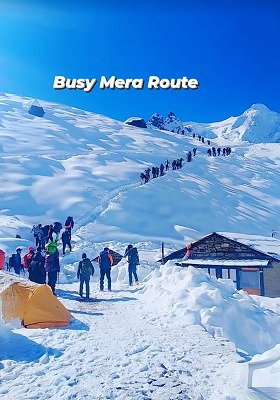
But that's exactly why it delivers what a lot of busier trekking peaks no longer can. On routes like Island Peak or Mera Peak, you're often sharing fixed lines with dozens of other climbers during a single summit push, queuing at bottlenecks, and staying in teahouses packed shoulder to shoulder with other expedition groups. Jugal Himal offers something different: quiet glaciers with no other teams in sight, untouched ridgelines that few climbers have ever set foot on, and a summit view — stretching across Langtang Lirung, Dorje Lakpa, Gaurishankar, and the Tibetan plateau — that very few people have actually earned. There's a particular kind of satisfaction in standing on a summit you had almost entirely to yourself, knowing the effort it took to get there wasn't diluted by crowds or commercial infrastructure.
It's also worth remembering that this remoteness cuts both ways. The same isolation that makes Jugal Himal special also means limited rescue infrastructure, fewer alternative routes if plans change, and a genuine need for a well-prepared, experienced guide team behind you. Choosing the right operator matters more here than on heavily trafficked peaks — you're relying on their route knowledge, their weather judgment, and their logistics in a place where there's little margin for improvisation.
If you're ready to plan your expedition, take the time to compare fixed departure dates, group pricing tiers, and the full breakdown of what's included versus excluded before you commit. You can check all of that directly on the Jugal Himal Peak Climbing page at Unique Sherpa Trek & Expedition, including current 2026 and 2027 departure slots. If your travel dates don't line up with the fixed schedule, or you want an itinerary tailored around your prior climbing experience and fitness level, it's worth reaching out to their team directly — a custom departure is often the better option for smaller private groups or climbers wanting extra acclimatization days built in before the summit push.
Either way, Jugal Himal rewards the climbers who take it seriously. Prepare properly, choose experienced support on the ground, and the mountain gives back one of the more authentic high-altitude experiences left in Nepal.
.jpg)