


Top 10 Places to Visit During the Everest Base Camp Trek
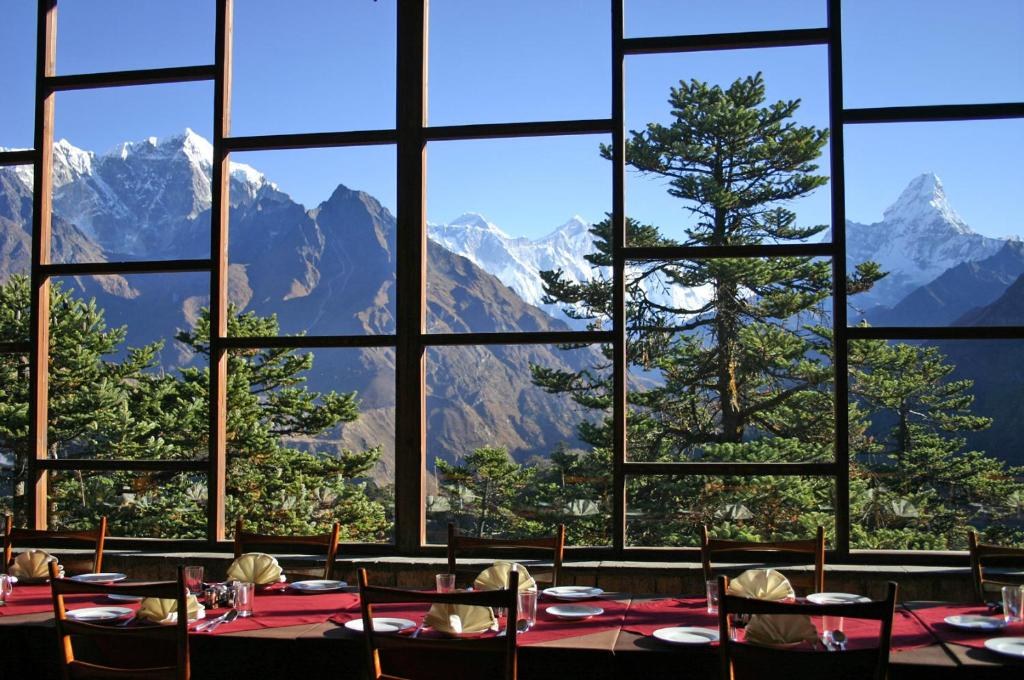
Table of Contents
Everest Base Camp isn't really about one single destination — it's about everything you pass through to get there. Over the course of roughly two weeks, the trail takes you from the chaotic, colorful streets of Kathmandu to a windswept glacial plain at over 5,300 meters, and along the way you'll walk through some of the most memorable villages, monasteries, and viewpoints in the entire Himalaya.
If you're planning this trek for the first time, here's a rundown of the ten places along the route that make it so much more than "just" a walk to base camp.
1. Kathmandu — Where the Adventure Begins
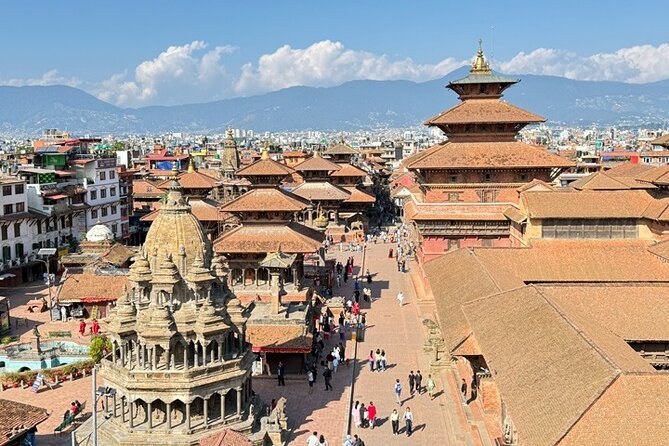
Before a single step of trail is walked, most trekkers spend a day or two in Kathmandu, and it's worth treating this as more than a layover. The Kathmandu Valley is packed with UNESCO World Heritage Sites — Kathmandu Durbar Square with its ancient palaces and wood-carved temples, the sacred Hindu site of Pashupatinath along the Bagmati River, the hilltop stupa of Swayambhunath (better known as the "Monkey Temple"), and Boudhanath, one of the largest Buddhist stupas on Earth. It's also here that you'll meet your guide, get your gear checked, and soak in a bit of last-minute Thamel energy before heading into the mountains.
2. Lukla — The Gateway to the Khumbu
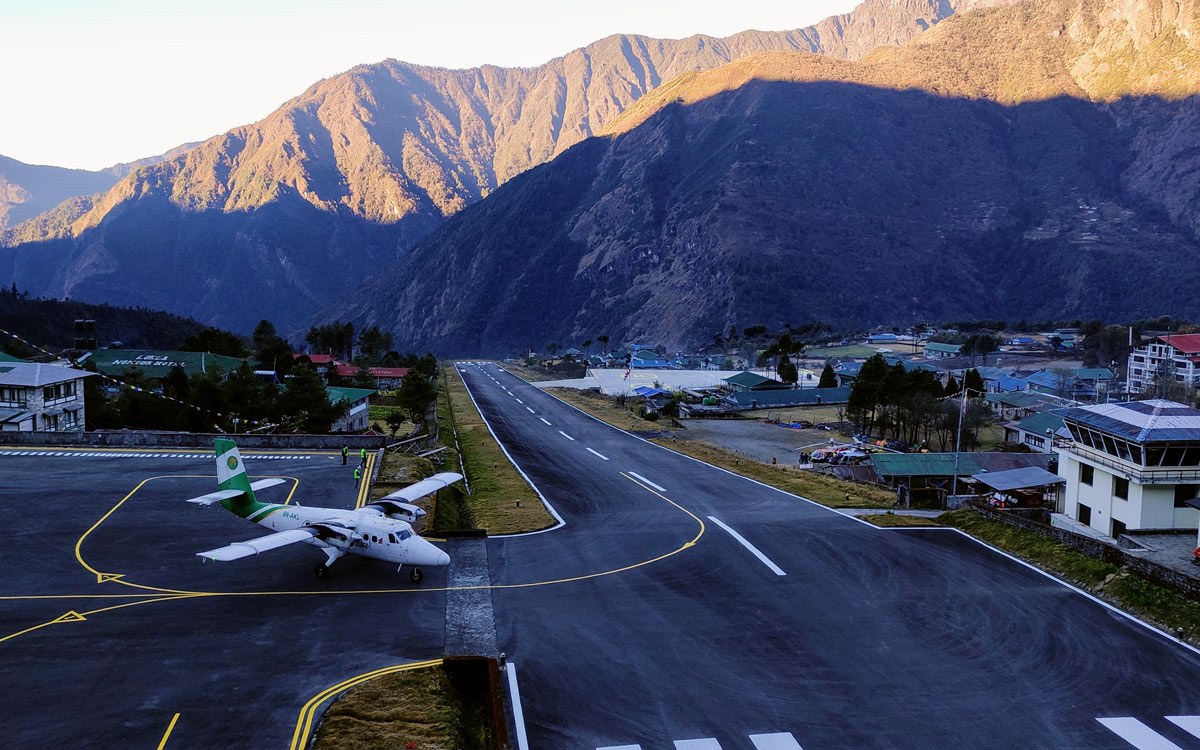
Lukla is where the real trek begins, and getting there is an experience in itself. The flight from Kathmandu is short — around 30 to 35 minutes — but it's often called one of the most scenic (and thrilling) flights in the world, landing on a short, sloped runway at Tenzing-Hillary Airport, framed by mountains on every side. From here, boots hit the trail for the first time, and there's no turning back — quite literally, since the only way out is to walk or fly.
3. Phakding — The First Night on the Trail
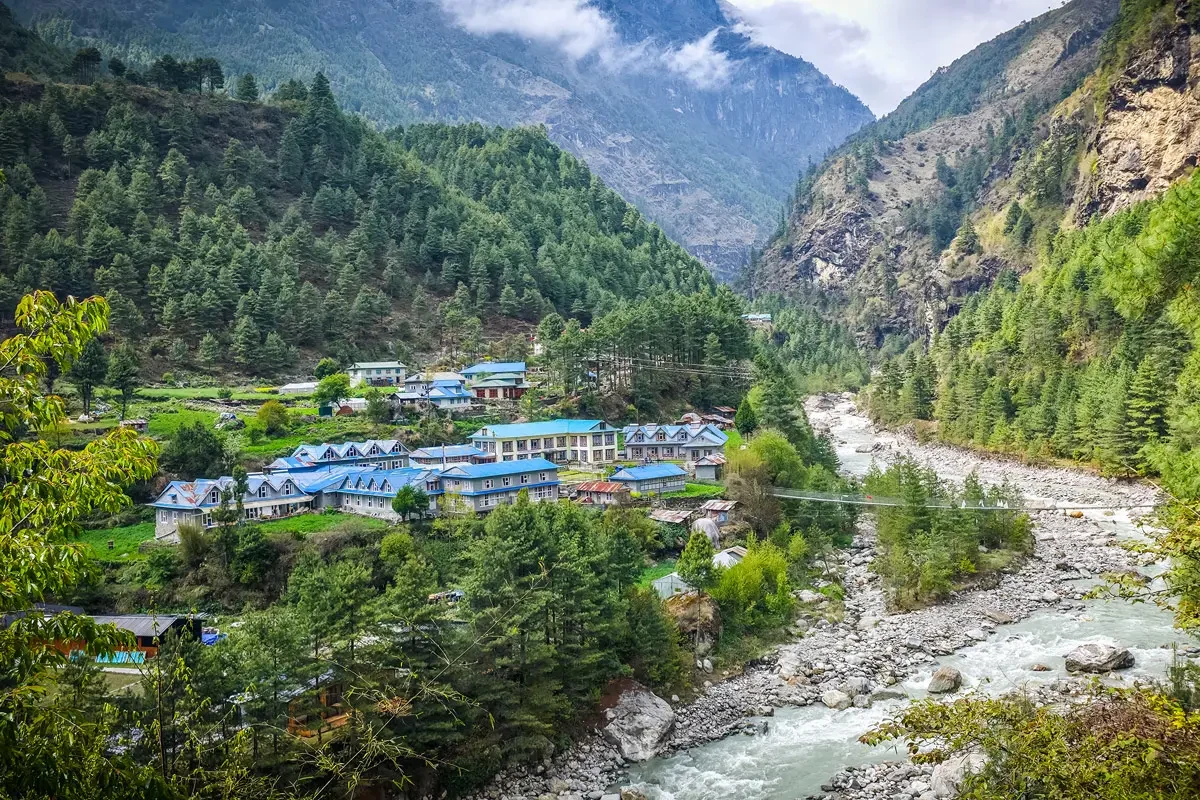
Phakding is a small, welcoming village along the Dudh Koshi River and typically the first overnight stop after landing in Lukla. It's a gentle, low-key introduction to teahouse life — think simple lodges, the sound of the river outside your window, and your first taste of the rhythm you'll settle into for the next two weeks. It's also where you get your first real glimpses of prayer flag-draped suspension bridges, a recurring and genuinely beautiful feature of this trek.
4. Namche Bazaar — The Sherpa Capital
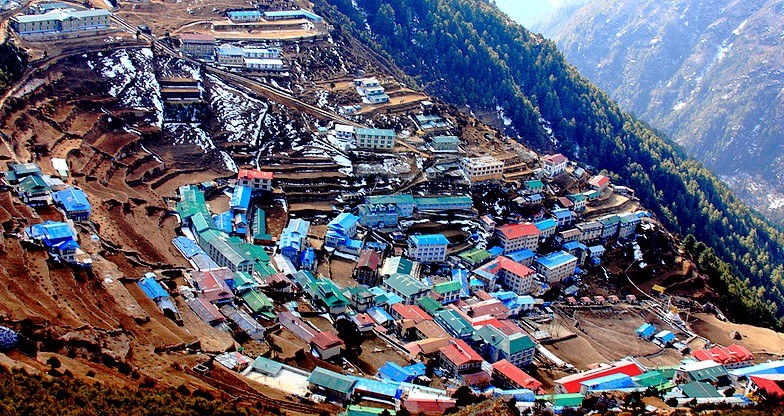
If Lukla is the gateway, Namche Bazaar is the beating heart of the Khumbu. Built into a natural amphitheater in the hillside, this bustling market town is the largest settlement on the trail and typically hosts an acclimatization day — meaning you get an extra day to explore. Wander the bakeries, cafés, and gear shops, visit a local monastery, and take in sweeping views of Kongde Ri and Thamserku. Namche is also many trekkers' first real glimpse of the sheer scale of the mountains they're about to walk among.
5. Everest View Hotel — First Sight of the Giant
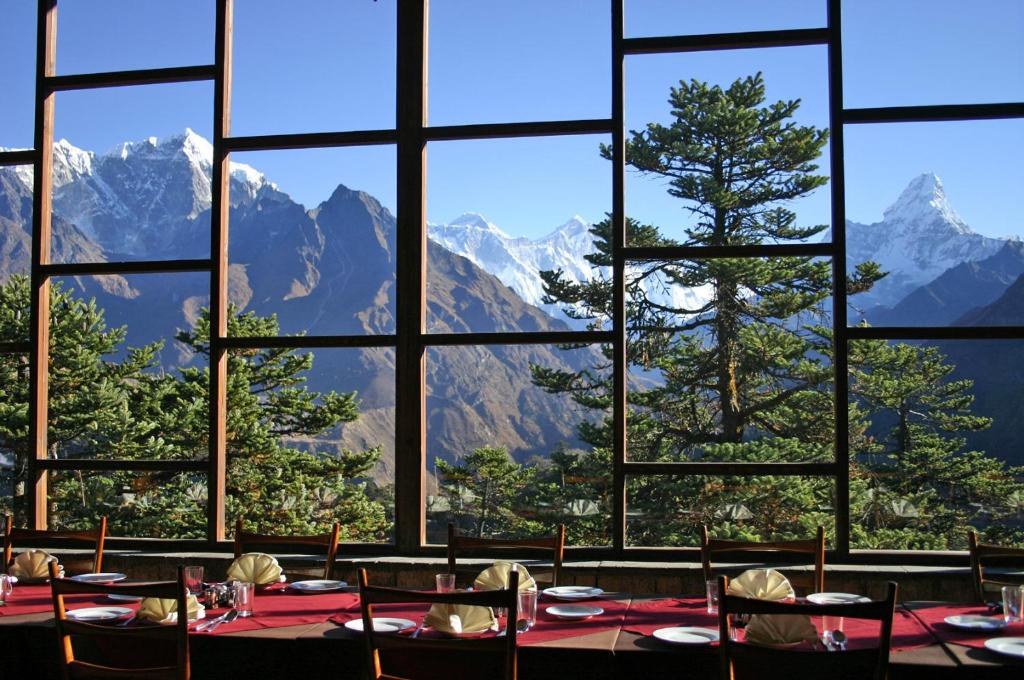
A short, steep hike up from Namche brings you to the Everest View Hotel, one of the highest-placed hotels in the world and a fantastic acclimatization hike. This is often the first spot on the trek where Everest itself comes into full view, alongside Lhotse and Ama Dablam. Even if you're not staying the night, it's worth the climb for a hot drink and a jaw-dropping panorama — and for your lungs, the extra altitude exposure here genuinely helps your body adjust before you go higher.
6. Tengboche Monastery — Spiritual Heart of the Khumbu
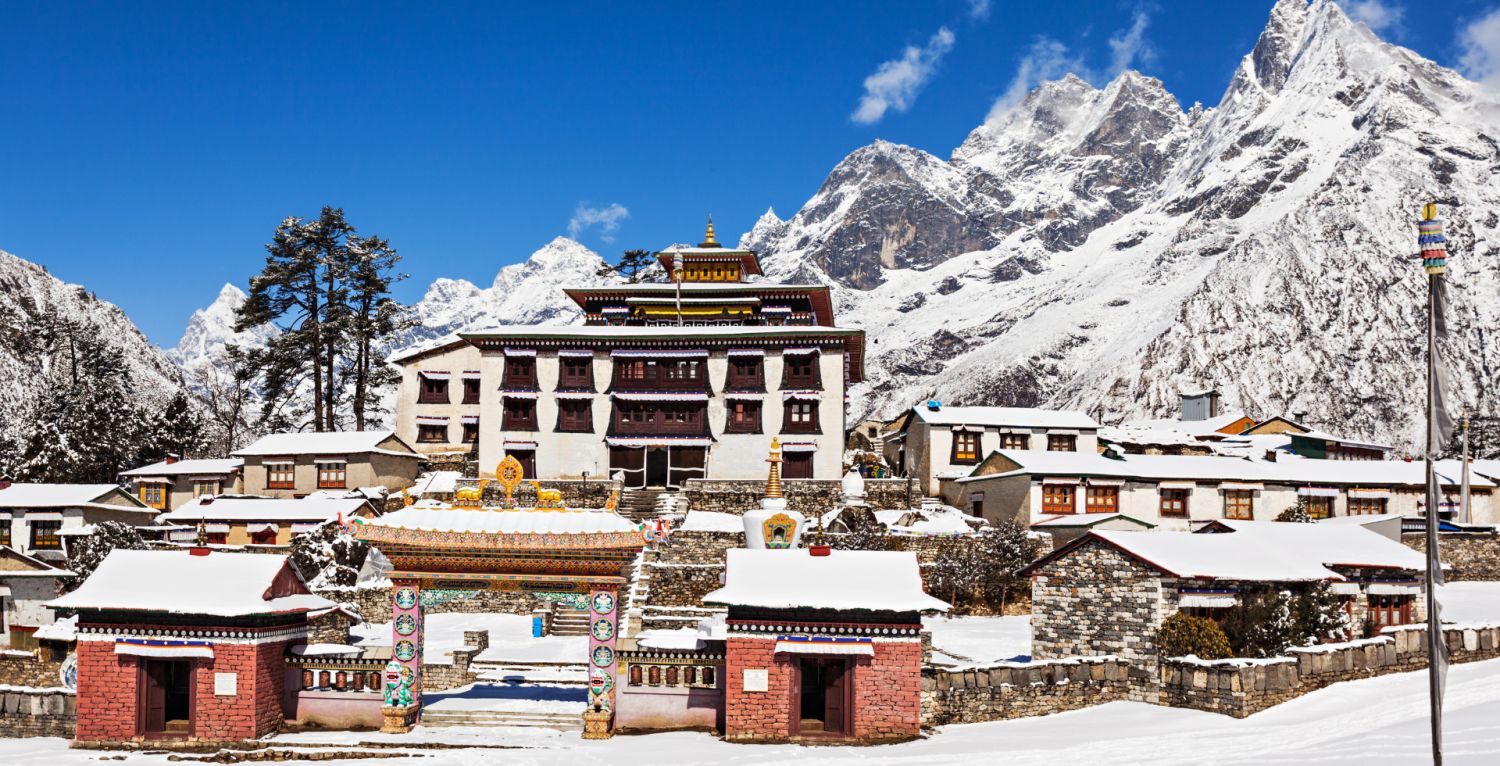
Perched on a ridge with an almost impossibly perfect mountain backdrop, Tengboche is home to the largest and most significant Buddhist monastery in the Everest region. Trekkers often arrive in time to sit in on the monks' evening prayers, a quiet, resonant experience that stands in stark contrast to the physical exertion of the trail. The setting alone — framed by Ama Dablam, Everest, and Nuptse — makes this one of the most photographed stops on the entire route.
7. Dingboche and Nangkartshang Hill — Wide-Open Views
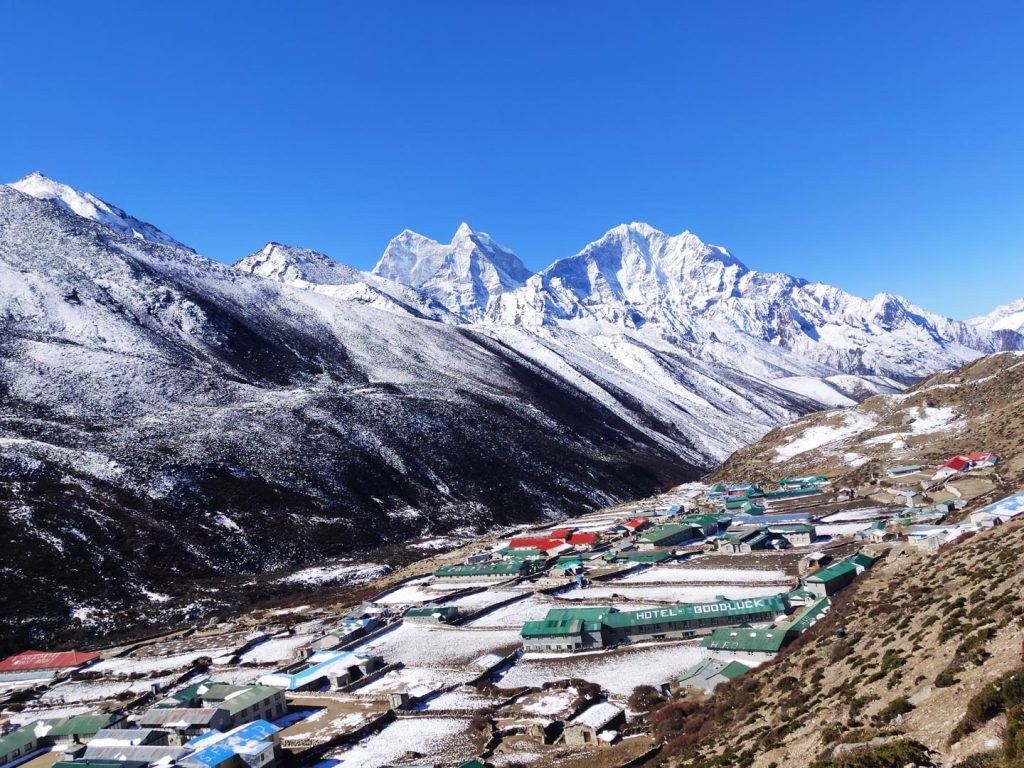
Dingboche sits in the Imja Valley, a striking high-altitude settlement surrounded by dramatic scenery and another key acclimatization stop. From here, most itineraries include a hike up Nangkartshang Hill (around 5,100m), which delivers extraordinary, uninterrupted views of Makalu, Lhotse, and Ama Dablam. It's a genuinely tough climb given the altitude, but it's also one of those days that makes the whole trip feel real — the mountains stop being a backdrop and start feeling close enough to touch.
8. Lobuche and the Khumbu Glacier — Into the High Himalaya
Beyond Dingboche, the landscape shifts dramatically. Trees disappear, the air thins further, and the trail winds along glacial moraine with towering peaks like Nuptse and Pumori rising on either side. Lobuche is a small, remote outpost that serves as the last proper stop before Gorak Shep, and it's here that the true high-altitude character of the Everest region really sets in — stark, silent, and undeniably beautiful.
9. Everest Base Camp — The Legendary Destination
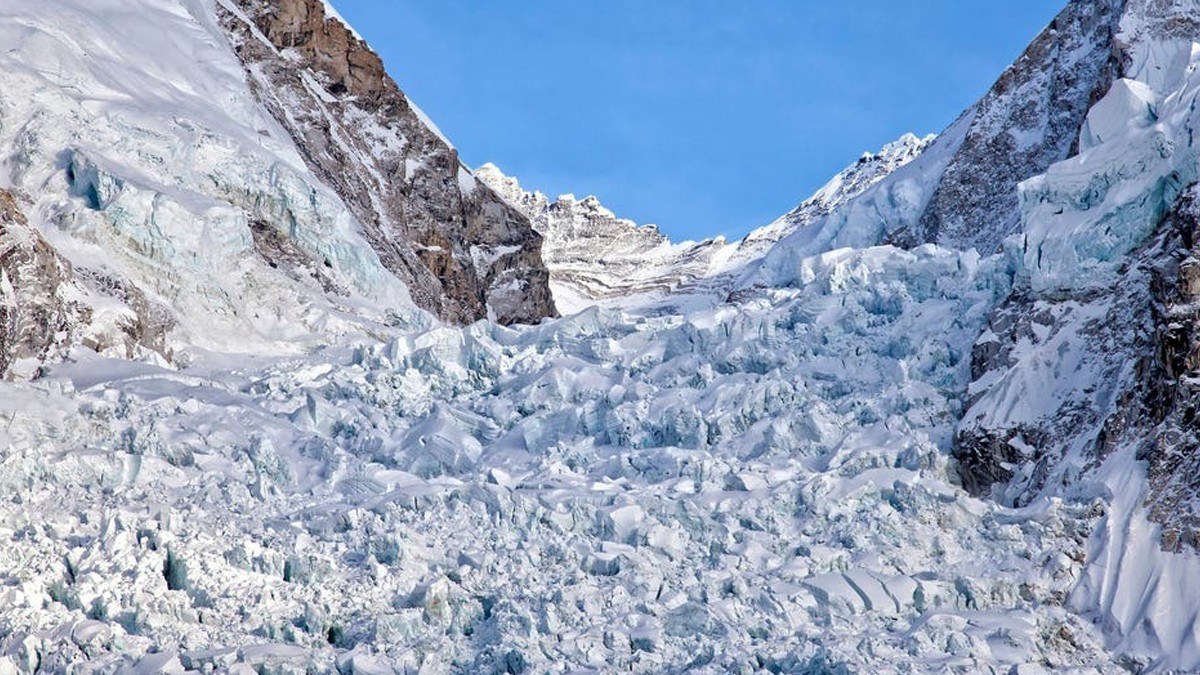
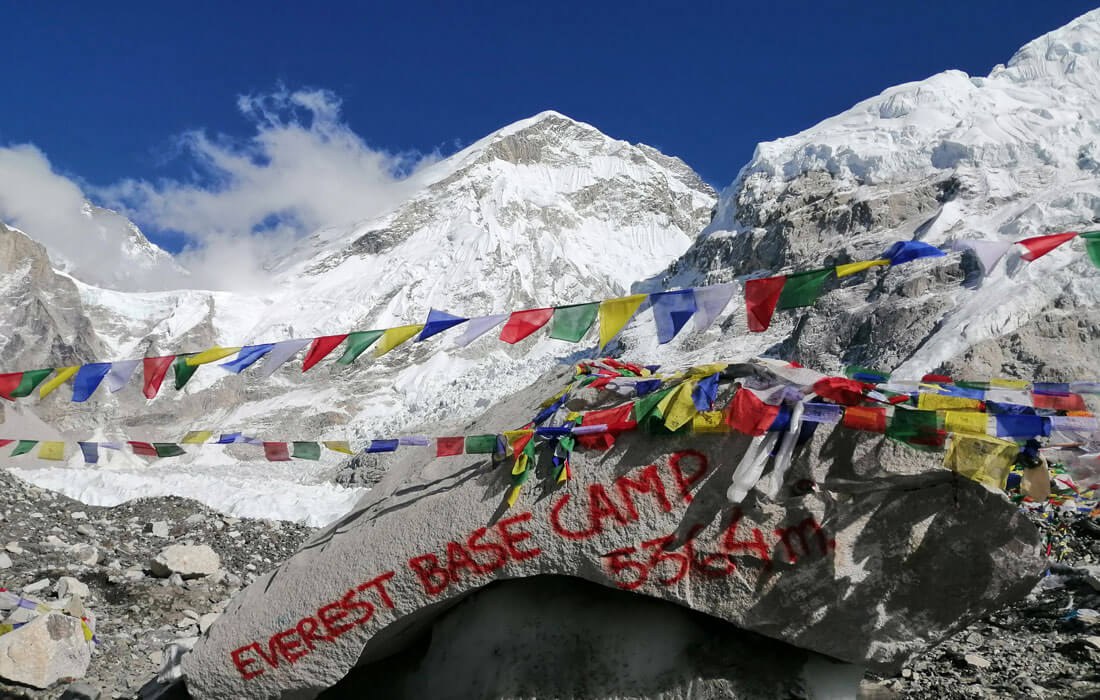
And then, finally, there it is: Everest Base Camp itself, sitting at roughly 5,364 meters at the foot of the Khumbu Icefall. This is the spot where climbing expeditions gather before attempting to summit the world's highest mountain, and standing here — surrounded by prayer flags, glacial ice formations, and the sheer scale of the Khumbu Glacier — is a moment most trekkers spend years dreaming about. It's not a "view" in the traditional sense (you can't actually see Everest's summit from base camp itself), but the atmosphere, the achievement, and the history of the place make it unforgettable regardless.
10. Kala Patthar — The Best Mountain View of the Entire Trek
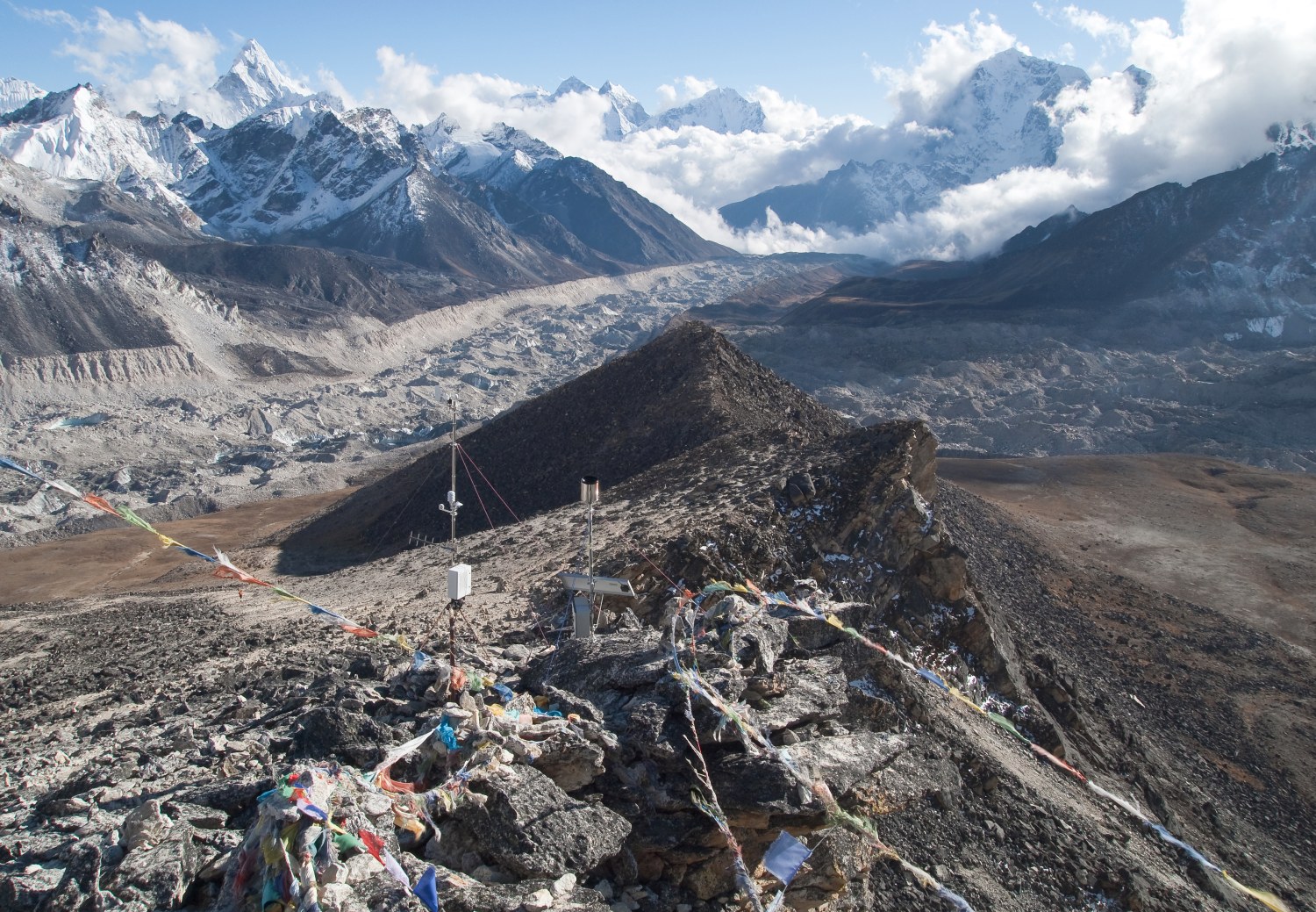
If Everest Base Camp is the emotional high point, Kala Patthar is the visual one. Most trekkers set out before dawn to climb this rocky outcrop at 5,545 meters, timing the summit for sunrise. From the top, you get an unobstructed, close-up view of Everest's summit itself, along with Nuptse, Lhotse, and Pumori catching the first golden light of the day. Ask any trekker who's done this route, and Kala Patthar's sunrise is usually the single moment they talk about most.
Planning Your Own Everest Base Camp Journey
Every one of these places adds its own layer to the trek — the culture in Kathmandu, the community feel of Namche, the spirituality of Tengboche, and the raw, high-altitude drama of Lobuche, Base Camp, and Kala Patthar. Together, they turn what could just be a long walk into one of the richest, most rewarding journeys in the world.
If you're ready to experience all ten of these places for yourself, the full day-by-day itinerary, fixed departure dates, and everything included is laid out on the official trip page: Everest Base Camp Trek. Whether you're a first-time Himalayan trekker or ticking this off a long-held bucket list, this is one adventure that lives up to every bit of its reputation.
.jpg)