
Upper Dolpo Trek: Cost, Itinerary, Permits & Difficulty
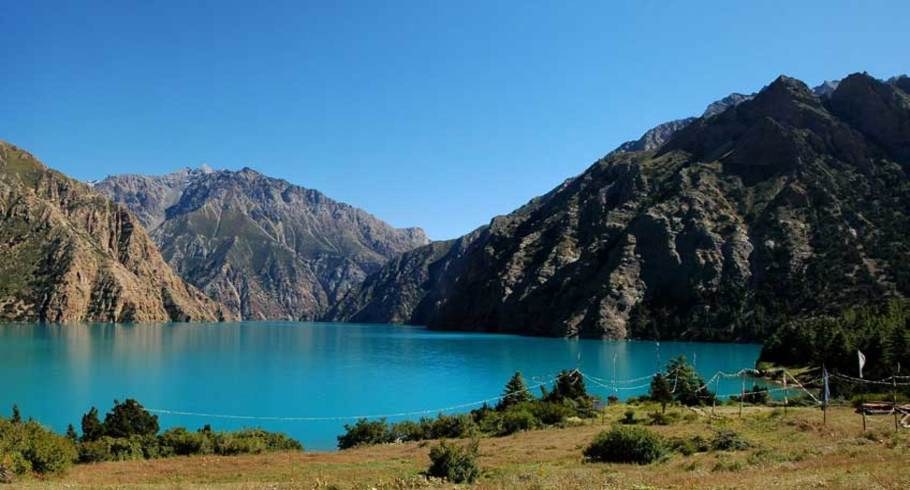
Table of Contents
There is a version of Nepal that most travelers never see: dry, wind-scoured highlands that look more like the Tibetan plateau than the lush hills of Annapurna or Everest. Upper Dolpo sits in this hidden corner of the far-western Himalayas, sealed off from mainstream trekking by its remoteness, its cost and, until 1989, by a government policy that kept it closed to outsiders entirely.
What you find there is unlike anywhere else in Nepal. The turquoise waters of Phoksundo Lake, one of the deepest in the country, sit beneath barren cliffs inside Shey Phoksundo National Park, the largest protected area in Nepal. Villages like Shey, Saldang and Namgung practice a blend of Tibetan Buddhism and the pre-Buddhist Bon religion, largely unchanged for centuries. This is camping country, not teahouse country, and the trek demands real preparation, but it rewards that effort with a genuine sense of discovery.
This guide covers the full itinerary, cost breakdown, permits, difficulty and best season for the Upper Dolpo Trek. To see the current pricing, fixed departures and inquiry options as you read, visit the Upper Dolpo Trek page.
Upper Dolpo Trek at a Glance
| Detail | Information |
|---|---|
| Region | Dolpo district, far-western Nepal, near the Tibetan border |
| Duration | 24 days (Kathmandu to Kathmandu) |
| Trek starts / ends | Sulighat (via Juphal) / Dunai–Juphal |
| Highest point | Yangze Gompa area, up to 4,960 m; passes above 5,000 m |
| Key passes | Kang La (5,160 m) and Saldang La / Jeng La (around 5,090 m) |
| Difficulty | Challenging |
| Accommodation | Camping (teahouse-style support where available) |
| Meals | Full board: breakfast, lunch and dinner |
| Group size | 1–20 people (minimum 2 required for the permit) |
| Best seasons | Spring and autumn; suitable in monsoon due to rain shadow |
| Permits | Upper Dolpo Restricted Area Permit, Shey Phoksundo National Park entry |
| Price | From around US$2,300 per person (check current rate and group pricing) |
Why Trek Upper Dolpo?
True remoteness. Upper Dolpo remained closed to foreign visitors until 1989. Even today it sees a fraction of the trekkers who walk Everest or Annapurna routes, so the trails, villages and monasteries feel genuinely untouched.
Phoksundo Lake. One of the deepest and most striking lakes in Nepal, with turquoise water set against rock and snow.
Ancient Bon and Tibetan Buddhist culture. Villages such as Shey, Saldang and Namgung preserve a way of life shaped by the old salt-trading routes between Nepal and Tibet, with monasteries, chortens and prayer walls that have stood for centuries.
Shey Gompa. A sacred monastery at the foot of Crystal Mountain, made famous in Peter Matthiessen's book The Snow Leopard, and still an important pilgrimage site for the Dolpo region.
High passes and dramatic scenery. Crossings like Kang La and Jeng La, both above 5,000 m, open onto vast, dry valleys that resemble the Tibetan plateau more than anywhere else in Nepal.
Rare wildlife. Shey Phoksundo National Park is home to snow leopards, blue sheep, musk deer and the Himalayan tahr, in one of the last truly wild corners of the country.
24-Day Upper Dolpo Trek Itinerary
| Day | Route | Elevation | Distance / Time |
|---|---|---|---|
| 1 | Arrive in Kathmandu | 1,350 m | – |
| 2 | Kathmandu sightseeing | 1,350 m | 10–15 km, 5–6 hrs |
| 3 | Fly to Nepalgunj | 150 m | 1-hour flight |
| 4 | Fly to Juphal, trek to Dunai | 2,070 m | 12 km, 3–4 hrs |
| 5 | Trek to Tarakot / Renje | 3,010 m | 18 km, 6–7 hrs |
| 6 | Trek toward Phoksundo Lake area | 3,440 m | 14 km, 5–6 hrs |
| 7 | Exploration around Ringmo / Phoksundo Lake | ~3,500 m | 4–6 km, 2–3 hrs |
| 8 | Trek to Phoksundo Khola | 3,630 m | 13 km, 5–6 hrs |
| 9 | Trek to Phoksundo Bhanjyang | 4,130 m | 10 km, 5–6 hrs |
| 10 | Cross Kang La Pass (5,160 m) to Shey Gompa | 4,390 m | 16 km, 7–8 hrs |
| 11 | Rest and exploration at Shey Gompa | 4,390 m | 3–5 km, 2–3 hrs |
| 12 | Cross Saldang La to Namgung Village | 4,430 m | 18 km, 7–8 hrs |
| 13 | Trek to Saldang | 4,050 m | 10 km, 3–4 hrs |
| 14 | Trek to Yangze Gompa | 4,960 m | 12 km, 5–6 hrs |
| 15 | Trek to Sibu | 4,560 m | 14 km, 5–6 hrs |
| 16 | Trek to Jeng La Phedi | 4,900 m | 12 km, 5–6 hrs |
| 17 | Cross Jeng La Pass (5,090 m) to Do Tarap | 4,040 m | 15 km, 7–8 hrs |
| 18 | Acclimatization at Do Tarap | 4,040 m | 5–8 km, 3–4 hrs |
| 19 | Trek to Tarap Khola / Karma Khola | 3,800 m | 16 km, 6–7 hrs |
| 20 | Trek to Khani Gaun | 3,150 m | 18 km, 6–7 hrs |
| 21 | Trek via Tarakot to Dunai | 2,030 m | 22 km, 7–8 hrs |
| 22 | Trek to Juphal | 2,320 m | 10 km, 3–4 hrs |
| 23 | Fly to Kathmandu via Nepalgunj | 1,350 m | 2–3 hrs |
| 24 | Final departure | – | – |
Route Highlights in Detail
Days 1–4: Kathmandu to Dunai. After Kathmandu sightseeing, you fly to Nepalgunj and on to Juphal, the only airstrip serving Dolpo. The trek proper begins here, following the Bheri River to the district headquarters at Dunai.
Days 5–9: Toward Phoksundo Lake and the high country. The trail passes Tarakot, once the capital of the small Tichurong Kingdom, before climbing steadily through gorges and forest toward Phoksundo Lake and the base of Kang La.
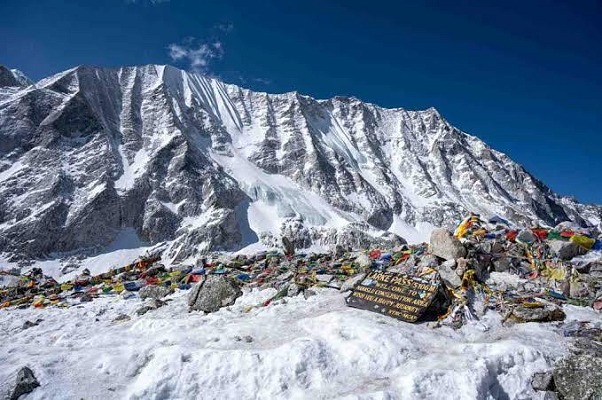
Day 10: Crossing Kang La (5,160 m). A steep, scree-covered climb rewards you with sweeping views before a long descent to Shey Gompa, past yak pastures and nomadic herders' camps.
Day 11: Shey Gompa. A rest day at one of the most sacred sites in Dolpo, with the option to explore Tsakang hermitage and learn about the Bon Po and Kagyu traditions practiced here.
Days 12–16: The remote north. The route continues through Namgung, Saldang (the largest village in Inner Dolpo) and on to the rarely visited Yangze Gompa, before turning toward Jeng La.
Day 17: Crossing Jeng La (5,090 m) into Tarap Valley. The pass offers views of the Dhaulagiri massif before descending into the greener, more populated Tarap Valley.
Days 18–23: Do Tarap to Kathmandu. After a rest day at Do Tarap, the trail follows the Tarap River through a narrowing gorge back to Tarakot and Dunai, then to Juphal for the return flights to Kathmandu.
Permits for the Upper Dolpo Trek
Upper Dolpo is a restricted area, and the permit system is one of the most expensive in Nepal. This is by design: it limits visitor numbers and helps protect the region's fragile culture and environment.
Permits You Need
| Permit | Cost |
|---|---|
| Upper Dolpo Restricted Area Permit | US$500 per person for the first 10 days, plus US$50 per person for each additional day |
| Shey Phoksundo National Park Entry | Approximately NPR 3,000 (about US$25–30) per person |
| Lower Dolpo Restricted Area Permit (if your route passes through Lower Dolpo) | Approximately US$20 per person per week |
Because most itineraries, including this 24-day route, spend well over 10 days inside the restricted area, the per-day surcharge adds substantially to the total permit cost. This is the single biggest reason Upper Dolpo trekking costs more than almost anywhere else in Nepal.
Key Permit Rules
- Agency only. The Restricted Area Permit cannot be obtained independently. Only a government-registered trekking agency can apply for it through the Department of Immigration.
- Minimum two trekkers. Solo trekking is not permitted in the restricted area.
- Licensed guide required. A licensed guide must accompany every group.
- No TIMS card needed. Because the restricted area permit already tracks and authorizes your trek, a separate TIMS card is not required for Upper Dolpo.
- Extra permits for route variations. If your itinerary exits toward Jomsom or passes through the Annapurna Conservation Area, an additional ACAP fee may apply.
Permit rules and fees are reviewed periodically, so confirm the current rate with your operator before booking. If you book through Unique Sherpa Trek & Expedition, all restricted-area and national park permits are included in your package.
How Difficult Is the Upper Dolpo Trek?
We rate this trek challenging. It is not technical in the mountaineering sense, but it is demanding on nearly every other front:
- High altitude for extended periods. Multiple nights above 4,000 m, with two major passes above 5,000 m.
- Long, remote days. Many days run 5–8 hours, often without villages or resupply points along the way.
- Camping, not teahouses. Limited infrastructure means most nights are spent in tents, which adds physical and logistical demands compared to teahouse treks.
- Isolation. Help, evacuation and resupply are all far away, and mental resilience matters as much as physical fitness.
- Variable terrain. River crossings, scree slopes, moraine and exposed ridgelines all feature on this route.
Who Is This Trek For?
Upper Dolpo suits experienced trekkers who are physically fit, comfortable with camping in remote conditions, and ideally have prior high-altitude trekking experience. It is not a good first Himalayan trek.
Preparing Your Body
- Build cardio endurance over 12–16 weeks with running, cycling or hill hiking.
- Do long training hikes with a loaded pack to simulate multi-day camping treks.
- Include strength training for your legs and core.
- Spend time at altitude beforehand if possible, even a weekend above 2,500 m.
- Talk to your doctor about your fitness and any altitude medication.
Altitude and Acclimatization
With two passes above 5,000 m and many nights spent above 4,000 m, altitude is the central safety concern on this trek.
How the itinerary helps. The route includes dedicated rest and acclimatization days at Ringmo/Phoksundo Lake (Day 7), Shey Gompa (Day 11) and Do Tarap (Day 18), spacing out the two major pass crossings rather than tackling them back to back.
Tips for reducing your risk:
- Walk at a slow, steady pace, especially above 4,000 m.
- Drink 3–4 liters of water daily.
- Avoid alcohol at altitude.
- Eat well, even when appetite drops.
- Report headache, nausea, dizziness or fatigue to your guide early.
- Descend immediately if symptoms worsen, including confusion, loss of balance or breathlessness at rest.
- Buy travel insurance with a high altitude limit and emergency helicopter evacuation cover, since evacuation from this region is complex and costly.
Best Season for the Upper Dolpo Trek
| Season | Conditions | Notes |
|---|---|---|
| Spring (April–June) | Warmer, with some snow possible on high passes | Good visibility and stable weather overall |
| Autumn (September–October) | Clear skies, stable weather | Considered one of the best windows |
| Monsoon (June–August) | Dry, unlike most of Nepal | Dolpo sits in a rain shadow behind the Annapurna and Dhaulagiri ranges, making this a rare monsoon-season trek |
| Winter (December–March) | Very cold, heavy snow likely | Passes may be closed; only for highly experienced trekkers |
Because Upper Dolpo lies in a rain shadow, it is one of the few regions in Nepal where trekking during the monsoon is genuinely viable, offering an alternative when most of the country is under cloud.
Cost of the Upper Dolpo Trek
Upper Dolpo is consistently one of the most expensive treks in Nepal, driven primarily by the restricted area permit, the need for a full camping crew, and multiple domestic flights.
What Drives the Cost
- Permits. The US$500 restricted area fee for the first 10 days, plus US$50 for each additional day, adds up quickly on a trek this long.
- Domestic flights. The Kathmandu–Nepalgunj–Juphal route (and the return) requires multiple short flights, which are not cheap.
- Camping logistics. With no teahouses along most of the route, your trekking company must carry tents, kitchen equipment, food and fuel, and hire a larger support crew.
- Guide and porter wages. A remote, multi-week camping trek requires more staff per trekker than a standard teahouse route.
Package Price
Group pricing for the 21–24 day itinerary starts from around US$2,300 per person, with rates varying by group size:
| Group Size | Price Per Person |
|---|---|
| 1–2 people | US$2,600 |
| 3–10 people | US$2,480 |
| 11–20 people | US$2,350 |
Check the current price, group discounts and fixed departure dates before booking, since rates and availability change.
Typically included:
- Airport transfers and assistance in Kathmandu
- 2 nights' hotel accommodation in Kathmandu with breakfast
- Domestic flights: Kathmandu–Nepalgunj–Kathmandu and Nepalgunj–Juphal–Nepalgunj
- Full board meals during the trek, with tea, coffee and seasonal fruit
- A waterproof duffel bag and a trekking souvenir
- Licensed guide, assistant guide and porters, with wages and insurance
- Upper Dolpo Restricted Area Permit and Shey Phoksundo National Park entry
- Basic medical and first-aid kit
- Farewell dinner and a completion certificate
Typically not included:
- Nepal entry visa
- Travel insurance, including high-altitude and emergency evacuation cover
- Lunch and dinner in Kathmandu, outside the farewell dinner
- Personal gear, including your sleeping bag, down jacket and trekking clothing
- Alcoholic drinks, bottled water and personal snacks
- Excess baggage on domestic flights
- Tips for guides, porters and other staff
- Costs from flight delays, cancellations or itinerary changes
Accommodation, Food and Connectivity
Accommodation. Because teahouses are scarce or absent for much of the route, this is primarily a camping trek. Your trekking company provides tents and camping equipment, with hotel stays only in Kathmandu and Nepalgunj at the start and end.
Food. Full board meals (breakfast, lunch and dinner) are prepared by your trekking crew, supplemented with seasonal fruit. Meals are simpler and more repetitive than on teahouse routes, given the remoteness of the region.
Water. Carry water purification tablets or a filter, since safe drinking water sources are limited. Plastic bottles are discouraged or banned in parts of Shey Phoksundo National Park to protect the ecosystem.
Connectivity. Expect little to no mobile signal or Wi-Fi for most of the trek. Bring a power bank, and consider a solar charger, since charging points are scarce.
Cash. ATMs are not available once you leave Kathmandu and Nepalgunj. Carry sufficient Nepali rupees in small denominations for the entire trip.
What to Pack
Given the remoteness, camping requirements and high-altitude conditions, packing carefully matters more here than on almost any other Nepal trek.
- Backpack and bags: a 40–50 liter trekking backpack, a 20–30 liter daypack, and a 60–70 liter duffel bag for porter-carried gear
- Footwear: waterproof trekking boots with ankle support, 5–6 pairs of trekking socks, and camp shoes
- Layers: thermal base layers, quick-drying T-shirts, durable trekking pants, a fleece jacket, and a down or insulated jacket
- Outer shell: a waterproof and windproof jacket and trousers
- Head and hands: a warm hat, sun hat, insulated gloves, UV-protection sunglasses, sunscreen and SPF lip balm
- Sleeping: a four-season sleeping bag, a sleeping bag liner and an insulated sleeping mat
- Water and health: water bottles or a hydration system, a purification system, a personal first-aid kit and any prescribed medication
- Extras: trekking poles, a headlamp with spare batteries, gaiters, and microspikes or crampons if snow is likely on the passes
- Power and documents: a power bank (10,000–20,000 mAh), a waterproof pouch for your passport and permits, and offline maps
Frequently Asked Questions
1. What makes the Upper Dolpo Trek so special compared to other Nepal treks?
Upper Dolpo stands apart because of its extreme remoteness and cultural preservation. The region remained closed to foreign visitors until 1989, and even today it sees only a fraction of the trekkers found on Everest or Annapurna routes. The landscape resembles the Tibetan plateau more than anywhere else in Nepal: dry, barren highlands, deep valleys and high passes, set within Shey Phoksundo National Park, the largest national park in the country. Villages like Shey, Saldang and Namgung practice a blend of Tibetan Buddhism and the older Bon religion largely unchanged for centuries, and the turquoise waters of Phoksundo Lake, one of Nepal's deepest, add a striking natural centerpiece. This combination of isolation, ancient culture and dramatic scenery is genuinely unique among Nepal's trekking regions.
2. How difficult is the Upper Dolpo Trek, and who is it suitable for?
The trek is rated challenging. It is not technical in the mountaineering sense, meaning you don't need ropes or climbing gear, but it is demanding on nearly every other front. You spend multiple nights above 4,000 m and cross two major passes above 5,000 m (Kang La at 5,160 m and Jeng La at around 5,090 m). Trekking days often run 5-8 hours through remote terrain with no villages or resupply points, and most nights are spent camping rather than in teahouses, which adds logistical and physical demands. This trek suits experienced trekkers who are physically fit, comfortable with camping in remote conditions, and ideally have prior high-altitude trekking experience. It is not recommended as a first Himalayan trek.
3. What is the best time to undertake the Upper Dolpo Trek?
The best windows are spring (April to June) and autumn (September to October), both offering clear skies and relatively stable weather, though some snow can linger on high passes in early spring. What makes Dolpo unusual is that it sits in a rain shadow behind the Annapurna and Dhaulagiri ranges, so it remains dry even during the monsoon (June to August), when most of Nepal is under cloud. This makes Dolpo one of the few regions genuinely trekkable during monsoon season. Winter (December to March) brings very cold temperatures and heavy snow that can close the high passes entirely, so it's only suitable for highly experienced trekkers with proper preparation.
4. What permits are required for the Upper Dolpo Trek, and how much do they cost?
Upper Dolpo is a restricted area, requiring special permits that make this one of the most expensive trekking regions in Nepal. You need:
- Upper Dolpo Restricted Area Permit: US$500 per person for the first 10 days, plus US$50 per person for each additional day
- Shey Phoksundo National Park Entry: approximately NPR 3,000 (about US$25-30) per person
- Lower Dolpo Restricted Area Permit (if your route passes through Lower Dolpo): approximately US$20 per person per week
Because most itineraries, including a 24-day route, spend well over 10 days inside the restricted zone, the per-day surcharge adds substantially to the total cost. These permits can only be obtained through a government-registered trekking agency, and a minimum of two trekkers with a licensed guide is required. A separate TIMS card is not needed, since the restricted area permit already tracks and authorizes your trek.
5. Why is the Upper Dolpo Trek so much more expensive than other Nepal treks?
Several factors combine to push the cost well above standard teahouse treks like Everest Base Camp or Annapurna Circuit:
- Permit fees — the US$500 restricted area fee for the first 10 days, plus US$50 per additional day, is the single largest driver
- Domestic flights — the Kathmandu-Nepalgunj-Juphal route (and the return) requires multiple short flights each way, which aren't cheap
- Camping logistics — with no teahouses along most of the route, your trekking company must carry tents, kitchen equipment, food and fuel
- Larger support crew — a remote, multi-week camping trek requires more guides, cooks and porters per trekker than a standard route
Package prices for the 21-24 day itinerary typically start from around US$2,300 per person, with better rates for larger groups. Check current pricing and group discounts before booking.
6. What is the accommodation like on the Upper Dolpo Trek?
Because teahouses are scarce or entirely absent for much of the route, this is primarily a camping trek. Your trekking company provides tents, sleeping arrangements and camping equipment for most nights on the trail, with hotel stays only in Kathmandu and Nepalgunj at the start and end of the journey. This is a significant difference from more developed trekking regions in Nepal, and it means your trekking agency needs to coordinate a full camping crew, including cooks and additional porters, rather than simply booking lodges along the way. Bring a warm four-season sleeping bag and an insulated sleeping mat, since these are essential for comfortable rest at high camps.
7. Is altitude sickness a serious concern, and how is it managed?
Yes, altitude is the central safety concern on this trek, given the two major passes above 5,000 m and the many nights spent above 4,000 m. The itinerary is designed with this in mind, including dedicated rest and acclimatization days at Ringmo/Phoksundo Lake (Day 7), Shey Gompa (Day 11) and Do Tarap (Day 18), which space out the two major pass crossings rather than tackling them back to back. To reduce your risk: walk at a slow, steady pace above 4,000 m, drink 3-4 liters of water daily, avoid alcohol, eat well even when appetite drops, and report symptoms like headache, nausea or dizziness to your guide early. Descend immediately if symptoms worsen. Given how remote this region is, evacuation is complex and costly, so travel insurance with a high altitude limit and emergency helicopter evacuation cover is essential, not optional.
8. Can I trek Upper Dolpo independently, or do I need a guide?
No, solo trekking is not permitted. The Upper Dolpo Restricted Area Permit requires a minimum of two trekkers accompanied by a licensed guide, and the permit itself can only be obtained through a government-registered trekking agency, not by individual travelers. This isn't just a bureaucratic requirement: given the remoteness, camping logistics and altitude involved, a guide and support crew provide essential safety, navigation and cultural interpretation that would be very difficult to arrange independently in this region.
9. What clothing and gear are essential for the Upper Dolpo Trek?
Given the remoteness, camping requirements and high-altitude conditions, packing carefully matters more here than on almost any other Nepal trek. Essentials include:
- A 40-50 liter trekking backpack, a 20-30 liter daypack, and a 60-70 liter duffel bag for porter-carried gear
- Waterproof trekking boots with ankle support, plus 5-6 pairs of trekking socks
- Thermal base layers, a fleece jacket, and a down or insulated jacket
- A waterproof and windproof outer shell (jacket and trousers)
- A four-season sleeping bag, sleeping bag liner and insulated sleeping mat
- Insulated gloves, a warm hat, UV-protection sunglasses, and SPF 50+ sunscreen
- Trekking poles, a headlamp with spare batteries, gaiters, and microspikes or crampons for snowy pass sections
- A power bank (10,000-20,000 mAh), since charging points are virtually nonexistent
- Sufficient Nepali rupees in cash, since ATMs are unavailable once you leave Kathmandu and Nepalgunj
10. Are there ATM facilities or connectivity along the trekking route?
No. ATM facilities are not available anywhere along the Upper Dolpo trekking route once you leave Kathmandu and Nepalgunj, so you must carry sufficient cash in small denominations to cover the entire trip, including tips, personal expenses and any incidentals. Mobile signal and Wi-Fi are similarly limited to nonexistent for most of the trek, so treat this as a genuine digital detox and let family or contacts know to expect gaps in communication. A power bank, and ideally a solar charger, are recommended since charging points are scarce, and offline maps and navigation tools on your phone are worth having as a backup, though your guide will handle the primary route-finding.
Conclusion
The Upper Dolpo Trek is one of the last genuinely remote adventures in the Nepal Himalayas: ancient Bon and Buddhist culture, the turquoise waters of Phoksundo Lake, high passes above 5,000 m, and villages that have changed little in centuries. It asks a great deal in preparation, fitness and budget, but it delivers a level of solitude and authenticity that few other treks in Nepal can match.
To see the full itinerary, current pricing and fixed departure dates, visit the Upper Dolpo Trek page, or reach out to the team with your questions about season, permits and preparation.
.jpg)