


Why Do Tourists Want to Trek in the Everest Region?
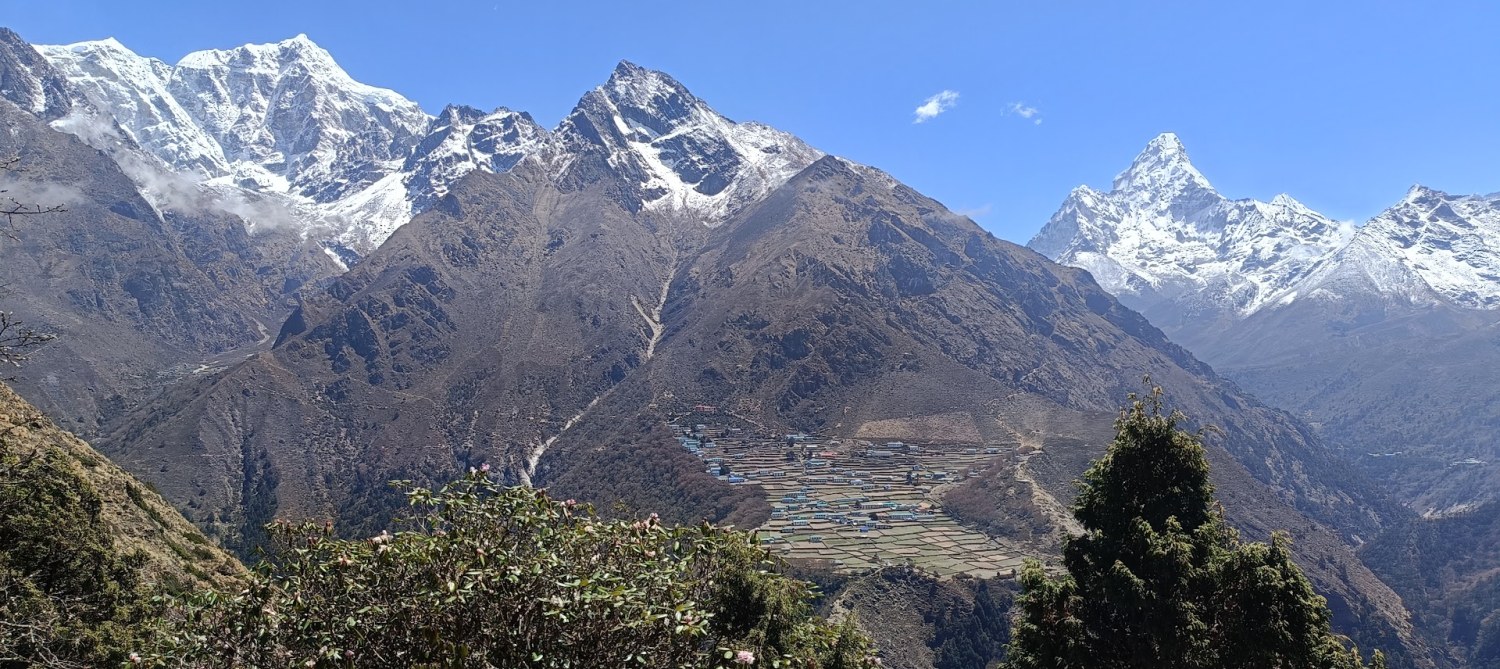
Table of Contents
The Everest Region Trek is one of the world's most famous Himalayan adventures, drawing thousands of international travelers seeking spectacular mountain scenery, Sherpa culture, Buddhist monasteries, glaciers, high-altitude villages, and the legendary landscape around Mount Everest.
For many travelers, an Everest Base Camp Trek is more than an ordinary holiday. It is an opportunity to walk through the heart of the Khumbu Himalaya, experience traditional Sherpa communities, explore Sagarmatha National Park, see some of the world's highest mountains, and reach the famous Everest Base Camp.
At Unique Sherpa Trek & Expedition Pvt. Ltd., we organize carefully planned Everest Region Trekking adventures for travelers who want to experience the Himalayas with experienced local guides, porters, appropriate acclimatization, and personalized itineraries.
Why Is the Everest Region So Popular With Tourists?
There are many reasons travelers choose Trekking in the Everest Region. The combination of Mount Everest, Himalayan scenery, Sherpa culture, Buddhist heritage, mountain villages, glaciers, and challenging high-altitude trails makes the region unique.
1. Experience Mount Everest
The primary attraction of Everest Region Trekking is, of course, Mount Everest.
At 8,848.86 meters, Mount Everest is the world's highest mountain above sea level. Travelers do not need to attempt an Everest expedition to experience the mountain environment. The Everest Base Camp Trek provides an opportunity to journey through the Khumbu Valley and reach the famous base camp area.
For many visitors, seeing Everest in person is a lifelong dream.
If you are interested in a Himalayan adventure beyond trekking, you can also explore our Nepal Peak Climbing programs with Unique Sherpa Trek & Expedition Pvt. Ltd.
2. Enjoy Incredible Himalayan Mountain Views
The Everest Region Trek offers spectacular views throughout the journey.
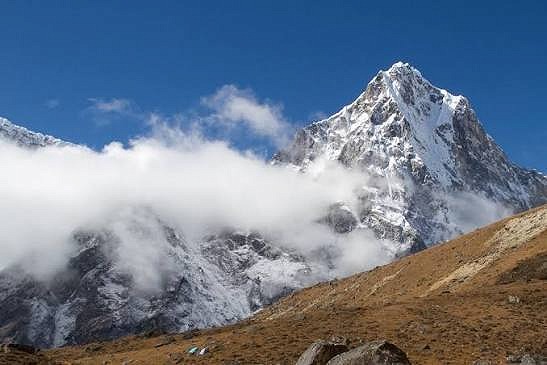
Depending on the route and weather, trekkers can see Mount Everest, Lhotse, Nuptse, Ama Dablam, Thamserku, Kangtega, Pumori, and many other Himalayan peaks.
The famous Ama Dablam is particularly impressive as trekkers travel through the upper Khumbu.
For travelers who want a shorter Himalayan experience, the Everest View Trek provides an opportunity to experience the Everest landscape without completing the full Everest Base Camp itinerary.

3. Experience Authentic Sherpa Culture
One of the most important reasons tourists choose Everest Region Trekking is the opportunity to experience Sherpa culture.
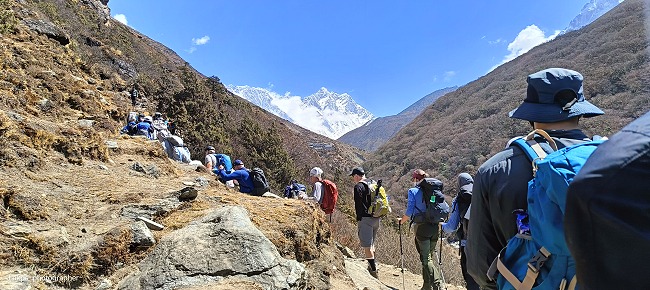
The Khumbu is home to Sherpa communities with deep cultural and religious connections to the Himalayan environment. During an Everest Base Camp Trek, travelers pass through traditional villages, stay in local mountain lodges, visit monasteries, cross suspension bridges, and meet people who live and work in the high Himalayas.
Travelers who want local cultural experiences can also arrange an experienced Sherpa Trekking Guide through Unique Sherpa Trek & Expedition Pvt. Ltd.
4. Explore Namche Bazaar
Namche Bazaar is one of the most famous settlements on the Everest Base Camp Trek route.
The town is an important trading, tourism, and acclimatization center in the Khumbu region. Trekkers can explore local shops, mountain-view cafés, bakeries, lodges, and surrounding villages while allowing their bodies to adjust to increasing altitude.
Namche also provides an excellent opportunity to experience everyday life in the Everest region.
5. Visit Tengboche Monastery
The Everest trek is not only a mountain adventure; it is also a cultural and spiritual journey.
Tengboche Monastery is one of the best-known Buddhist monasteries in the Khumbu region. Located in a spectacular mountain setting, the monastery provides travelers with an opportunity to experience the Buddhist traditions of the Himalayan communities.
A properly planned Everest Region Trekking itinerary allows travelers enough time to appreciate both the natural and cultural attractions of the route.
6. Trek Through Sagarmatha National Park
A major part of the Everest Base Camp Trek takes place inside Sagarmatha National Park.
The protected area contains dramatic Himalayan mountains, glaciers, valleys, forests, and wildlife. It is also recognized as a UNESCO World Heritage Site because of its exceptional natural landscape and cultural importance.
For travelers interested in nature and mountain environments, trekking through Sagarmatha National Park adds another important dimension to the Everest Region Trek.
7. Experience the Khumbu Glacier
As trekkers move toward Everest Base Camp, the landscape becomes increasingly rugged and dramatic.
The trail eventually enters the high-altitude environment around the Khumbu Glacier. The enormous glacier landscape, rocky moraines, and surrounding mountains create a completely different experience from the forests and villages encountered at lower elevations.
This changing landscape is one reason many photographers choose an Everest Base Camp Trek.
8. Reach Everest Base Camp
For many tourists, reaching Everest Base Camp is the main objective of the journey.
The experience is about much more than arriving at a particular location. Trekkers spend several days walking through valleys, forests, Sherpa villages, suspension bridges, and high-altitude landscapes before finally reaching the Base Camp area.
The journey provides a strong sense of personal achievement and creates memories that travelers can carry for many years.

9. See Everest From Kala Patthar
Another major highlight of the Everest Base Camp Trek is the hike to Kala Patthar.
Kala Patthar is famous for its panoramic views toward Mount Everest and surrounding Himalayan peaks. Many trekkers begin the hike early in the morning to experience sunrise over the mountains.
For photographers, Kala Patthar can be one of the most memorable viewpoints on the entire Everest Region Trek.
10. Experience Himalayan Tea-House Trekking
The traditional tea-house trekking experience is another reason international travelers choose the Everest region.
Trekkers can stay in mountain lodges and tea houses along established routes rather than carrying all camping equipment throughout the journey.
This creates opportunities to meet fellow trekkers, interact with local communities, enjoy traditional meals, and experience hospitality in remote Himalayan villages.
Travelers who require additional support can also arrange a Trekking Guide and Porter Hire service through Unique Sherpa Trek.
11. Challenge Yourself at High Altitude
An Everest Region Trek is also a personal physical challenge.
The route involves long walking days, steep trails, significant elevation gain, and high-altitude conditions. A carefully designed itinerary is therefore important.
Proper acclimatization, gradual elevation gain, adequate hydration, appropriate clothing, and a sensible walking pace are essential parts of a responsible Everest Base Camp Trek.
Before traveling, trekkers should also understand the relevant Nepal Trekking Permits and entry requirements for their selected route.
12. Explore Gokyo Valley
The Everest region offers many trekking options beyond the classic Base Camp route.
The Gokyo Valley Trek is a popular alternative that takes travelers toward the beautiful Gokyo Lakes and high Himalayan viewpoints.
The Gokyo route can be combined with Everest Base Camp through challenging high-altitude passes, providing experienced trekkers with a longer and more diverse Himalayan adventure.
13. Experience the Everest Three Passes
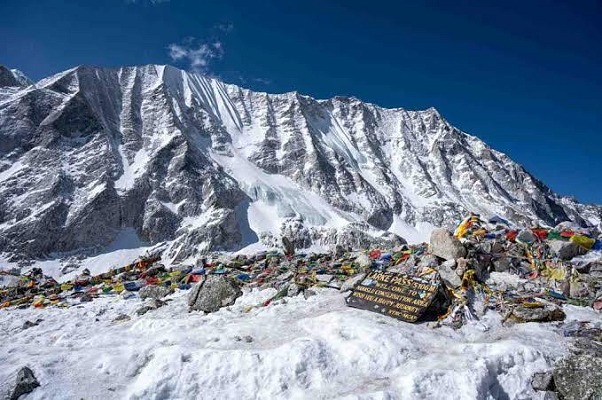
For experienced trekkers looking for a more demanding adventure, the Everest Three Passes Trek provides a challenging route through high mountain passes in the Khumbu.
This route combines spectacular mountain scenery with remote valleys, high passes, and traditional Himalayan settlements.
It requires appropriate preparation, acclimatization, and trekking experience.
14. Capture Incredible Himalayan Photography
The Everest region is a paradise for travel photographers.
During Everest Region Trekking, travelers can photograph:
- Mount Everest
- Ama Dablam
- Lhotse
- Nuptse
- Pumori
- Khumbu Glacier
- Namche Bazaar
- Tengboche Monastery
- Sherpa villages
- Himalayan suspension bridges
- Buddhist prayer flags
- Mani walls
- Mountain wildlife
- Sunrise and sunset landscapes
This combination of natural and cultural subjects makes the Everest Base Camp Trek particularly attractive to photographers and content creators.
Why Is Everest Region Trekking Different From Other Nepal Treks?
Nepal has many outstanding trekking regions, including Annapurna, Langtang, Manaslu, Kanchenjunga, and Mustang.
However, the Everest region offers a distinctive combination:
| Everest Region Experience | What Travelers Can Experience |
|---|---|
| Mount Everest | View and approach the world's highest mountain |
| Sherpa Culture | Traditional villages and Himalayan communities |
| Sagarmatha National Park | Protected Himalayan ecosystems |
| Buddhist Heritage | Monasteries, prayer flags and Mani walls |
| High Mountains | Everest, Lhotse, Ama Dablam and other peaks |
| Everest Base Camp | Iconic trekking destination |
| Kala Patthar | Famous Himalayan viewpoint |
| Khumbu Glacier | Dramatic high-altitude landscape |
| Namche Bazaar | Major Sherpa trading and trekking center |
| Gokyo Valley | Lakes and alternative trekking routes |
| Tea Houses | Mountain accommodation and local hospitality |
These combined attractions help explain why the Everest region remains such a prominent destination for international trekking.
15. Follow the Footsteps of Himalayan Mountaineers
The Everest region has a remarkable history of mountaineering.
The successful 1953 Everest expedition of Edmund Hillary and Tenzing Norgay helped establish Mount Everest as one of the world's most iconic mountaineering destinations.
Today, trekkers can travel through the Khumbu landscape and experience the same broader mountain environment associated with generations of climbers and Sherpa mountaineers.
For visitors interested in climbing rather than trekking, Unique Sherpa Trek also provides Peak Climbing in Nepal and expedition services.
Which Everest Trek Is Suitable for You?
The best Everest itinerary depends on your available time, experience, fitness, and interests.
Everest Base Camp Trek
The classic choice for travelers who want to reach Everest Base Camp and experience the major attractions of the Khumbu.
Everest View Trek
A shorter option for travelers who want spectacular Himalayan scenery and Sherpa culture without undertaking the complete Base Camp journey.
Gokyo Valley Trek
An excellent option for travelers interested in Gokyo Lakes, high Himalayan scenery, and an alternative Everest-region route.
Everest Three Passes Trek
A demanding adventure for experienced trekkers seeking high passes and a more extensive exploration of the Khumbu.
Best Time for Everest Region Trekking
The most popular trekking seasons are generally spring and autumn.
Spring – March to May
Spring provides favorable conditions for many trekking itineraries, with increasingly warm temperatures and beautiful mountain landscapes.
Autumn – October to November
Autumn is traditionally one of the most popular seasons for Everest Base Camp Trekking, with generally favorable conditions and excellent opportunities for mountain views.
Winter – December to February
Winter trekking can be possible, but temperatures are considerably colder, and snow can affect high-altitude routes.
Monsoon – June to September
The monsoon season brings wetter conditions to many parts of Nepal. Travelers should carefully check current weather and trail conditions before planning an Everest trek during this period.
What Should You Pack for an Everest Trek?
Proper preparation is important for a successful Everest Base Camp Trek.
Before departure, travelers should prepare appropriate trekking clothing, footwear, warm layers, sleeping equipment, personal medicines, water bottles, sun protection, trekking poles, and other essential equipment.
For a detailed preparation guide, see our Recommended Packing List for Nepal Trekking.
The exact equipment required depends on the season, trekking route, and personal requirements.
Why Trek With Unique Sherpa Trek & Expedition Pvt. Ltd.?
Unique Sherpa Trek & Expedition Pvt. Ltd. is a Nepal-based trekking and expedition company specializing in Himalayan trekking, peak climbing, and mountain adventures.
We can help travelers organize:
- Everest Base Camp Trek
- Everest View Trek
- Gokyo Valley Trek
- Everest Three Passes Trek
- Sherpa Trekking Guide
- Trekking Guide and Porter Hire
- Nepal Peak Climbing
- Mountain expeditions
- Trekking permits
- Customized trekking itineraries
- Private and group trekking arrangements
Our local knowledge helps travelers plan their Everest Region Trekking adventure according to their schedule, experience, and interests.
Conclusion: Why Do Tourists Want to Trek in the Everest Region?
The reasons are different for every traveler.
Some want to see Mount Everest. Some want to reach Everest Base Camp. Others want to experience Sherpa culture, visit Tengboche Monastery, explore Sagarmatha National Park, photograph Ama Dablam, walk across Himalayan suspension bridges, or challenge themselves at high altitude.
The greatest attraction of an Everest Region Trek is that you can combine all these experiences into one Himalayan journey.
With proper preparation, a suitable itinerary, responsible trekking practices, and experienced local support, the Everest region offers travelers an extraordinary opportunity to experience the mountains, culture, and landscapes of the Khumbu.
Plan your Everest adventure with Unique Sherpa Trek & Expedition Pvt. Ltd. and discover the Himalayan journey beyond the destination.
.jpg)