


Why Is Annapurna So Famous in Mountaineering History?
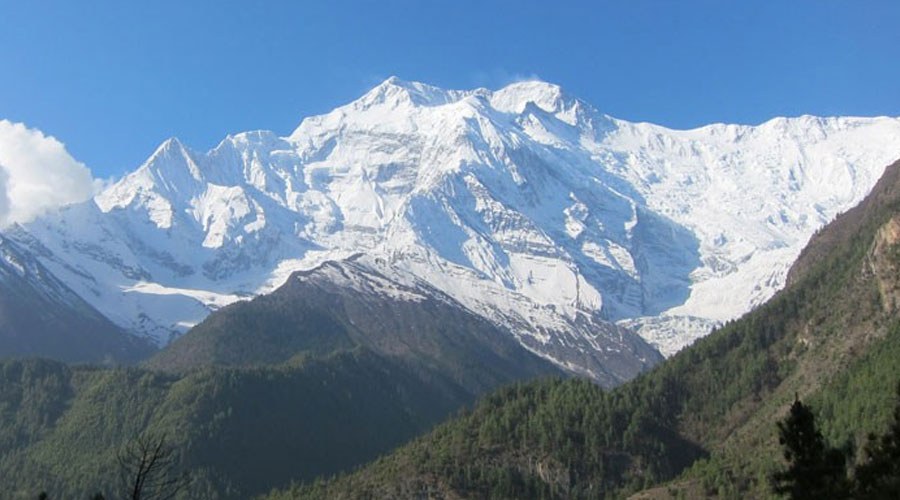
Table of Contents
The Mountain That Started It All
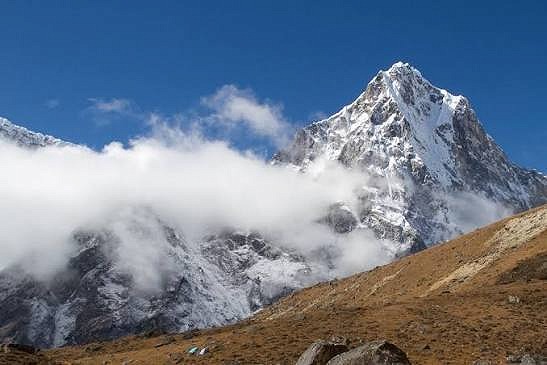
Ask any mountaineer which peak changed Himalayan climbing forever, and many will say Annapurna I. At 8,091 m (26,545 ft), it is only the tenth-highest mountain on Earth. Yet it holds a place in history that taller peaks cannot claim: it was the first 8,000-metre mountain ever climbed, three years before Everest.
Its story has everything that makes mountaineering legend: a bold gamble, a summit at the limit of human endurance, a desperate retreat, a bestselling book, a lethal reputation and a reinvention decades later. Here is why Annapurna is so famous, and why it still matters to climbers today.
Annapurna I: Quick Facts
| Detail | Information |
|---|---|
| Elevation | 8,091 m (26,545 ft) |
| World ranking | 10th highest |
| Location | Annapurna massif, central Nepal |
| First ascent | 3 June 1950, Maurice Herzog and Louis Lachenal (France) |
| First winter ascent | 3 February 1987, Jerzy Kukuczka and Artur Hajzer (Poland) |
| Historic claim | First 8,000 m peak ever climbed |
| Name | From Sanskrit, often translated as "goddess of the harvests" or "full of food" |
The Short Answer: 6 Reasons Annapurna Is So Famous
- It was the first 8,000 m peak ever climbed. The French success in 1950 proved that the world's highest mountains were possible.
- The story is dramatic. The summit was followed by a harrowing descent, frostbite and emergency surgery.
- A famous book turned it into a legend. Maurice Herzog's account became one of the best-selling mountaineering books ever.
- Its south face redefined difficulty. The 1970 British ascent of this huge wall marked a turning point in Himalayan climbing.
- It earned a deadly reputation. For decades it had the highest fatality-to-summit ratio of any 8,000er.
- It keeps producing history. Winter ascents, speed records and bold new routes have kept it in the headlines.
1950: The French Expedition That Changed Mountaineering
Finding the mountain
In 1950, Nepal had only just opened to foreign expeditions, and the French team led by Maurice Herzog set out with a permit for either Dhaulagiri or Annapurna. Maps were poor, and no one knew whether the peaks could be climbed at all. After exploring Dhaulagiri and deciding it looked too difficult, the team turned to Annapurna and spent weeks searching for a viable route before finding one on the north side.
The summit
On 3 June 1950, Herzog and Louis Lachenal reached the summit, becoming the first climbers in history to stand on an 8,000-metre peak. They did it without the modern equipment, forecasts or fixed ropes that today's climbers take for granted.
The descent
The victory came at a terrible price. The pair were caught in a storm and an avalanche on the way down, and Lachenal fell into a crevasse, and the team, including Lionel Terray, worked to help him descend. Both summiteers suffered severe frostbite, and the expedition doctor performed emergency amputations in the field during the long retreat. The climb had no fatalities, which is remarkable given how close it came to disaster.
The book that made a legend
Herzog's 1951 book, Annapurna, made him arguably the first living mountaineering celebrity since George Mallory in the 1920s, and historian Maurice Isserman has described it as the most successful expedition book of all time. It later drew controversy, and David Roberts' True Summit (2000) re-examined the story, including tensions between Herzog and Lachenal. Whatever the debates, the book made Annapurna a household name.
Timeline: Key Moments in Annapurna's History
| Year | Milestone |
|---|---|
| 1950 | Herzog and Lachenal make the first ascent, the first of any 8,000 m peak |
| 1953 | Everest is climbed, three years after Annapurna |
| 1970 | Chris Bonington's British expedition makes the first ascent of the huge south face (Don Whillans and Dougal Haston reach the summit); Ian Clough is killed by a falling serac |
| 1970 | A British Army expedition climbs the original French route around the same time, the first repeat of the 1950 ascent |
| 1978 | The American Women's Himalayan Expedition, led by Arlene Blum, becomes the first US team to climb Annapurna I |
| 1982 | British climber Alex MacIntyre is killed by falling stone on the south face |
| 1985 | Reinhold Messner and Hans Kammerlander climb the northwest face |
| 1987 | Jerzy Kukuczka and Artur Hajzer make the first winter ascent |
| 2013 | Ueli Steck solos the South Face in about 28 hours in a landmark of speed alpinism |
Why the South Face Mattered
Annapurna's south face is a huge, avalanche-swept wall that rises thousands of metres above the Sanctuary. When Bonington's team climbed it in 1970, they were pioneering the idea that the Himalayas' biggest and hardest walls could be attempted at all. Whillans and Haston reached the summit without supplementary oxygen, but the expedition lost Ian Clough to a falling serac.
That ascent inspired a generation of technical alpinists, and the face remains a benchmark for the most difficult routes in the Himalayas. Ueli Steck's solo ascent in 2013 brought the wall back into the spotlight and showed how far the sport had progressed.
The Deadly Reputation: Fact and Nuance
Annapurna has long been known as one of the most dangerous 8,000-metre peaks. For decades it held the highest fatality-to-summit ratio of any of them, and older sources cite figures of roughly one death for every three summits. By the turn of the millennium it had also become the least attempted and least summited 8,000er.
The picture has changed. Improved forecasting, better equipment, more experienced Sherpa teams and commercial route management have made successful ascents more common, and more recent figures put the overall fatality rate at around 13%, based on one widely quoted tally. Numbers differ depending on the source and the date, so it is best to treat them as a general indicator rather than a precise measure.
The mountain's real dangers have not changed:
- Avalanches and serac fall, especially on steep, loaded slopes
- Rapid weather changes and storms
- Steep, technical terrain above high camps
- Extreme altitude with risks of AMS, HAPE and HACE
Annapurna is no longer the "most dangerous" peak in the statistics, but it remains a serious, unforgiving mountain.
Annapurna's Place in Himalayan History
Annapurna's first ascent did more than add a name to a list. It:
- Opened the golden age of Himalayan climbing. Within about fifteen years, all fourteen 8,000 m peaks had been climbed.
- Showed that high-altitude expeditions were viable, giving confidence to teams heading for Everest, K2 and beyond.
- Set the template for expedition writing and storytelling, with a public that suddenly wanted to read about the Himalayas.
- Established Nepal as the centre of world mountaineering.
- Highlighted the role of Sherpa and local support teams, a role that has grown even more important in modern climbing.
Annapurna Today: A Climb That Still Commands Respect
Modern expeditions use fixed ropes, weather forecasts, satellite communications and supplemental oxygen, and the 2027 spring season is a popular window. Yet the fundamentals remain: a long approach, weeks of acclimatization, high camps in avalanche-prone terrain and a summit push that demands judgment, patience and strength. Climbers are not just repeating history, they are joining it.
Unique Sherpa Trek & Expedition runs a guided Annapurna I expedition with experienced Sherpa climbers, a supported Base Camp, permits, fixed-rope support and carefully planned acclimatization. Learn more on the Annapurna I Expedition page, or contact the team to discuss dates, experience requirements and pricing.
FAQs: Why Is Annapurna So Famous?
1. Why is Annapurna so famous in mountaineering history?
Annapurna I was the first 8,000-metre peak ever climbed, on 3 June 1950 by the French climbers Maurice Herzog and Louis Lachenal. That success proved that the world's highest mountains could be climbed and opened the golden age of Himalayan mountaineering. The dramatic descent, Herzog's bestselling book, the huge south face and the mountain's deadly reputation all added to its fame.
2. Who made the first ascent of Annapurna?
Maurice Herzog and Louis Lachenal reached the summit on 3 June 1950 as part of a French expedition. Other team members, including Lionel Terray and Gaston Rébuffat, played key roles in supporting the climb and rescuing the summit pair on the way down. Herzog led the expedition and wrote the famous account of it.
3. Was Annapurna climbed before Everest?
Yes. Annapurna was climbed in 1950, and Everest was first climbed in 1953 by Edmund Hillary and Tenzing Norgay. Annapurna's success gave mountaineers confidence that 8,000 m peaks could be climbed and helped set the stage for the Everest expedition.
4. What happened to the 1950 team on the descent?
The climbers were caught in bad weather and an avalanche, and Lachenal fell into a crevasse. Both summiteers suffered severe frostbite, and the expedition's doctor performed emergency amputations during the retreat. Despite the injuries, there were no deaths on the expedition, which is one reason the story is remembered as both triumphant and miraculous.
5. Why is Annapurna's south face so famous?
It is a huge, steep and avalanche-prone wall. Chris Bonington's 1970 British expedition made the first ascent, with Don Whillans and Dougal Haston reaching the summit without supplemental oxygen, though Ian Clough was killed by a falling serac. The face became a symbol of technical Himalayan climbing, and Ueli Steck's solo ascent in 2013 brought it back into the spotlight.
6. Is Annapurna the deadliest mountain in the world?
It was for many decades, with the highest fatality-to-summit ratio of any 8,000er. In recent years the ratio has fallen as more climbers have summited, and current estimates are much lower than older ones. It remains a dangerous mountain because of avalanches, serac fall and steep terrain, but the statistics vary by source and period.
7. Who made the first winter ascent of Annapurna?
Polish climbers Jerzy Kukuczka and Artur Hajzer made the first winter ascent on 3 February 1987. They faced extreme cold, strong winds and short daylight, and it was one of the landmark achievements of Polish winter Himalayan climbing.
8. Who was the first American team to climb Annapurna?
The American Women's Himalayan Expedition, led by Arlene Blum in 1978, was the first US team to climb Annapurna I. The expedition made history for women in mountaineering but also suffered tragedy, with two team members losing their lives on the mountain.
9. Which book made Annapurna famous?
Maurice Herzog's 1951 book Annapurna was a global bestseller and turned him into a celebrity. It has been described as one of the most successful mountaineering books ever written. Later works, including David Roberts' True Summit, re-examined the story and its controversies.
10. Can I climb Annapurna today?
Yes, with the right experience, fitness and preparation. Most climbers join guided expeditions with Sherpa support, permits, fixed ropes and supplemental oxygen. Prior high-altitude experience, ideally on a 6,000–7,000 m peak or another 8,000er, is strongly recommended. Unique Sherpa Trek & Expedition offers a supported Annapurna I expedition, and you can view the details on the Annapurna Expedition page.
.jpg)