

Gosaikunda Lake Trek: Cost, Itinerary, Difficulty & Complete Guide
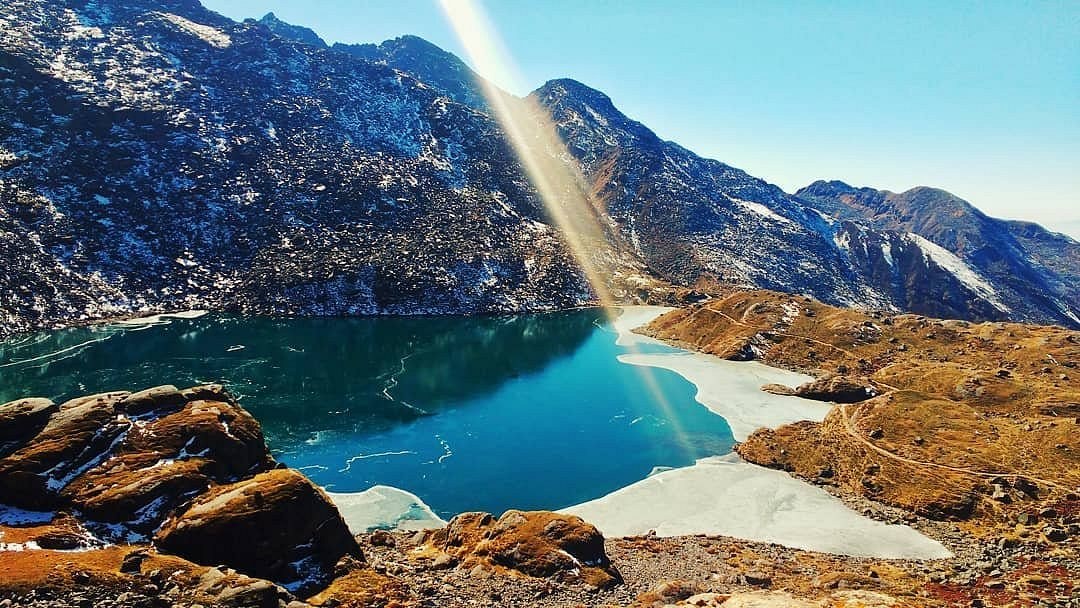
Table of Contents
There's something different about a trek that ends at a lake rather than a summit. No fixed rope, no oxygen debate, no turnaround-time countdown, just a wide, still stretch of glacial water sitting at 4,380 m, ringed by snow peaks and centuries of pilgrimage. That's Gosaikunda, and the trek to reach it is one of the more efficient ways to combine real Himalayan altitude, genuine Tamang and Sherpa culture, and deep religious history into a single week away from Kathmandu.
According to Hindu mythology, Gosaikunda was formed when Lord Shiva struck the mountainside with his trident to find water after swallowing poison during the churning of the cosmic ocean. Every year during Janai Purnima, usually falling in August, thousands of pilgrims climb to its shores to bathe in the icy water, believing it washes away sin. Buddhists hold the lake sacred too, and together the two traditions have made Gosaikunda one of the more spiritually significant trekking destinations in the country, not just a scenic stop.
This guide covers the standard itinerary, cost, permits, difficulty and best season for the trek. To check current pricing and departure dates, visit the Gosaikunda Lake Trek page.
Gosaikunda Lake Trek at a Glance
| Detail | Information |
|---|---|
| Region | Langtang National Park, Rasuwa district |
| Duration | 6 days (Kathmandu to Kathmandu) |
| Highest point | Gosaikunda Lake, 4,380 m (Lauribina La Pass, 4,610 m, on extended routes) |
| Trek starts / ends | Dhunche (via road from Kathmandu) |
| Grade | Moderate |
| Accommodation | Teahouses and lodges |
| Meals | Breakfast, lunch and dinner on the trek |
| Group size | 1–15 |
| Best seasons | Spring (March–May) and autumn (September–November) |
| Permits | Langtang National Park entry, TIMS card |
Note: some operators offer this as a shorter 5–6 day trek that turns back after Gosaikunda, while others extend it over Lauribina La Pass into Helambu. Confirm which version applies to your booking.
Why Trek to Gosaikunda?
A genuinely sacred destination. Few treks in Nepal combine natural scenery with this much religious weight. Walking to Gosaikunda, rather than simply reading about it, gives the lake's mythology real context.
Mountain views without extreme altitude. At 4,380 m, Gosaikunda sits high enough for real alpine scenery, glacial lakes, open meadows, snow-dusted ridgelines, without pushing into the altitudes where serious mountaineering risk begins.
A shorter commitment with a real payoff. Most versions of this trek run 6 to 9 days, making it a solid option for travelers who want a proper high-altitude experience without a multi-week itinerary.
Rich biodiversity. Langtang National Park is home to red pandas, Himalayan tahr, musk deer and langur monkeys, along with birdlife like the Himalayan monal and snow partridge, set against forests of rhododendron and pine that turn the lower trail into a genuine wildlife corridor.
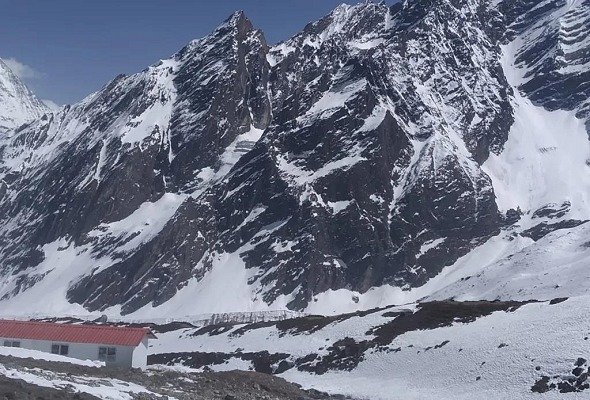
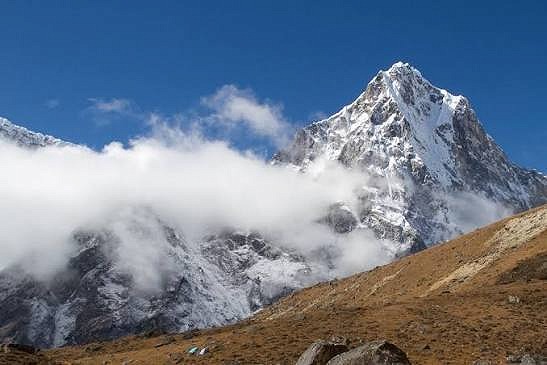
Panoramic Himalayan views. From the higher points of the trek, you look out toward Langtang Lirung, Langtang II, Ganesh Himal, Manaslu, and on exceptionally clear days, even Shishapangma across the Tibetan border.
Tamang and Sherpa culture. The trail passes through villages where Tibetan-influenced Buddhist traditions remain strong, with monasteries, prayer flags and a cheese factory at Sing Gompa (Chandanbari) that's become something of a local institution.
Gosaikunda Lake Trek: Detailed Itinerary
Itinerary at a Glance
| Day | Route | Elevation | Distance | Duration |
|---|---|---|---|---|
| 1 | Drive from Kathmandu to Dhunche | 1,396 m → 1,960 m | ~117 km | 6–7 hrs |
| 2 | Trek from Dhunche to Chandan Bari (Sing Gompa) | 1,960 m → 3,250 m | ~12 km | 5–6 hrs |
| 3 | Trek from Chandan Bari to Gosaikunda Lake | 3,250 m → 4,361 m | ~10–11 km | 5–6 hrs |
| 4 | Trek from Gosaikunda back to Dhunche | 4,361 m → 1,960 m | ~18–20 km | 7–8 hrs |
| 5 | Drive from Dhunche to Kathmandu | 1,960 m → 1,396 m | ~117 km | 6–7 hrs |
| 6 | Final departure | – | – | – |
Total trekking distance: approximately 40–43 km over 3 walking days. This is a compact, fast-paced itinerary, so reasonable fitness and careful acclimatization matter even though the trip is short.
Day 1: Drive from Kathmandu (1,396 m) to Dhunche (1,960 m) — 6–7 hours, around 117 km
Your journey begins with an early departure from Kathmandu, following the Trishuli River as the road climbs out of the valley and into the hills of Rasuwa district. The drive passes through Trishuli Bazaar and a string of small roadside towns before the switchbacks begin in earnest on the approach to Dhunche, the district headquarters and gateway to Langtang National Park. It's a long day in the vehicle, but the scenery builds steadily, terraced fields give way to forested hillsides, and you'll catch your first real glimpses of the mountains ahead. You'll spend the night in a lodge at Dhunche, giving your body a first taste of altitude before the trekking starts.
Day 2: Trek from Dhunche (1,960 m) to Chandan Bari / Sing Gompa (3,250 m) — 5–6 hours, approximately 12 km
The trek proper begins today, and it's a serious climb right out of the gate, gaining nearly 1,300 m over the course of the day. The trail leaves Dhunche and enters Langtang National Park almost immediately, winding up through dense forests of oak, fir and rhododendron. As you gain height, the air cools noticeably and the vegetation shifts toward hemlock and pine. Chandan Bari, better known locally as Sing Gompa, is a small settlement famous for its cheese factory, one of the oldest in the region, where you can sample fresh yak cheese before settling in for the night. Given the altitude gain today, take the climb at a steady pace and stay well hydrated.
Day 3: Trek from Chandan Bari (3,250 m) to Gosaikunda Lake (4,361 m) — 5–6 hours, approximately 10–11 km
Today is the heart of the trek, and another significant altitude gain, over 1,100 m in a single day. The trail climbs above the treeline fairly quickly, and the forest thins into open alpine terrain, rhododendron and pine giving way to rocky slopes, meadows and scattered shrubs. You'll pass Cholang Pati and continue climbing toward Lauribina Yak, where the views really start to open up across the Langtang range and beyond. From there, a final push brings you to Gosaikunda itself, a striking turquoise-blue alpine lake set against a backdrop of snow-dusted peaks. Depending on your energy levels and the time you arrive, there's usually a chance to explore the smaller lakes nearby, including Saraswati Kunda and Bhairab Kunda, part of the wider cluster of glacial lakes in the area. This is also your highest overnight of the trip, so keep pace slow and watch closely for any altitude symptoms.
Day 4: Trek from Gosaikunda (4,361 m) back to Dhunche (1,960 m) — 7–8 hours, approximately 18–20 km
The longest and most demanding day of the trek, both in distance and duration. You'll retrace the route back down through Lauribina Yak and Cholang Pati to Chandan Bari, then continue the full descent to Dhunche rather than stopping overnight partway, covering nearly 2,400 m of elevation loss in one push. It's a long day on tired legs, so trekking poles are genuinely useful here, and pacing yourself early will pay off later in the afternoon. The reward is a faster return to Dhunche's comparatively warmer air and a proper bed after two nights at altitude.
Day 5: Drive from Dhunche (1,960 m) to Kathmandu (1,396 m) — 6–7 hours, approximately 117 km
You retrace the road journey back to Kathmandu, following the same scenic route through Trishuli Bazaar and back into the valley. It's a good day to rest, reflect on the trek and enjoy the views one more time from the comfort of the vehicle. Depending on your arrival time, the evening is free to relax or explore Kathmandu before your final day.
Day 6: Final Departure
Transfer to Tribhuvan International Airport for your onward flight, bringing your Gosaikunda Lake Trek to a close.
Permits for the Gosaikunda Lake Trek
This is a standard, non-restricted trekking route, so the permit process is simple.
| Permit | Purpose |
|---|---|
| Langtang National Park Entry Permit | Required for the entire route, which lies within the park |
| TIMS Card | Tracks trekkers for safety purposes |
Both are straightforward to arrange in Kathmandu with your passport and a couple of passport-sized photos. If you book through Unique Sherpa Trek & Expedition, these are typically included in your package.
How Difficult Is the Gosaikunda Lake Trek?
We'd rate this trek moderate. It isn't technical, but it does involve genuine high-altitude trekking over a short number of days, which is worth taking seriously.
- Rapid altitude gain. Because the trek is short, you gain elevation relatively quickly, climbing from around 1,960 m at Dhunche to 4,380 m at Gosaikunda in just three trekking days.
- Long daily distances. Covering meaningful ground in a compressed itinerary means some longer walking days, particularly approaching Gosaikunda itself.
- Cold at altitude. Nights at Lauribina Yak and Gosaikunda can be well below freezing, especially outside the main spring and autumn seasons.
- No technical terrain. There's no glacier travel, scrambling or rope work here, this is trekking on established trails throughout.
Who Is This Trek For?
This trek suits reasonably fit trekkers who want a genuine high-altitude experience without committing to weeks of travel. Because the ascent is fast relative to the trek's length, it's worth taking the altitude seriously even if you consider yourself generally fit.
Preparing Your Body
- Build cardio fitness with regular walking, running or cycling for at least 4–6 weeks before departure.
- Practice hiking with a daypack on hilly terrain if you can.
- Break in your trekking boots before you go.
- Consult your doctor if you have any health concerns, particularly given the rapid altitude gain.
Altitude and Acclimatization
Given how quickly this trek gains elevation, altitude deserves real attention even on a route this short.
Tips for reducing your risk:
- Walk at a steady, unhurried pace, particularly on the days approaching Sing Gompa and Lauribina Yak.
- Drink 3–4 liters of water daily.
- Avoid alcohol at altitude.
- Eat well, even if your appetite drops.
- Report headache, nausea, dizziness or unusual fatigue to your guide early.
- Descend immediately if symptoms worsen, including confusion, loss of balance or breathlessness at rest.
- Consider a guide-carried oximeter to monitor your oxygen saturation, some operators provide this as standard.
- Buy travel insurance that covers trekking to at least 4,500 m and emergency evacuation.
Because this itinerary compresses a lot of altitude gain into a short window, listen closely to your body and don't hesitate to slow down or extend your schedule by a day if you're struggling to acclimatize.
Best Season for the Gosaikunda Lake Trek
Spring (March–May): warm and colorful. Rhododendron forests bloom vividly along the lower trail, and daytime temperatures are comfortable for trekking.
Autumn (September–November): the most reliable window. Clear skies and stable weather make this the top choice for most trekkers, with excellent visibility of the surrounding peaks.
Winter (December–February): cold and quiet. Gosaikunda often freezes over in winter, earning it the nickname "the frozen lake." Trails see far fewer trekkers, but conditions are harsh and some teahouses may have limited service.
Monsoon (June–August): not recommended, aside from the Janai Purnima festival period in August, when pilgrims still make the journey despite the rain. Heavy rain brings slippery trails, leeches at lower elevations, and clouded mountain views for most of the season.
Cost and What's Typically Included
Pricing varies by operator, group size and season. Check the current price and departure dates directly, since I wasn't able to confirm your specific package rate.
Commonly included across operators:
- Airport transfers and ground transport to and from Dhunche
- Hotel accommodation in Kathmandu with breakfast
- Full board meals during the trek (breakfast, lunch, dinner)
- Licensed guide and porters, with their wages, food and insurance
- Langtang National Park entry permit and TIMS card
- Basic first-aid kit, and sometimes an oximeter for altitude monitoring
- A duffel bag and trekking map
Commonly excluded:
- Nepal entry visa
- Lunch and dinner in Kathmandu
- Personal travel insurance
- Hot showers, Wi-Fi and device charging on the trek
- Personal trekking gear
- Tips for guides and porters
Accommodation, Food and Connectivity
Accommodation. You stay in teahouses and lodges throughout, with basic twin-sharing rooms. Facilities become simpler the higher you climb, and rooms at Lauribina Yak and Gosaikunda itself are noticeably colder and more basic than those lower down.
Food. Teahouse menus include dal bhat, noodles, soups, momos and simple Western options like pasta and pancakes. The cheese factory at Sing Gompa is a well-known stop for fresh yak cheese.
Water. Treat all drinking water with tablets or a filter, and bring a thermos for boiled water where available.
Connectivity. Mobile signal and Wi-Fi become increasingly unreliable above Sing Gompa, and largely disappear near Gosaikunda itself.
What to Pack
- Layers: thermal base layers, a fleece jacket, and a warm down jacket or vest
- Outer shell: a waterproof and windproof rain jacket
- Footwear: broken-in trekking boots, warm socks and camp shoes
- Head and hands: a warm hat, sunglasses, and lightweight and insulated gloves
- Sleeping bag rated for around -15°C to -20°C (rentable in Kathmandu if needed)
- Daypack with a comfortable waistband
- Trekking poles, headlamp, water bottles and purification tablets
- Sun protection: sunscreen and lip balm with high SPF
- Personal first-aid kit and any prescribed medication
Frequently Asked Questions
How long is the Gosaikunda Lake Trek?
Most operators offer versions ranging from 5–6 days (a short out-and-back trek) to 8–9 days (including Kathmandu sightseeing days), with some extended itineraries crossing Lauribina La Pass into Helambu.
How high is Gosaikunda Lake?
4,380 m above sea level. Extended itineraries that cross Lauribina La Pass reach 4,610 m at the pass itself.
Is this trek difficult?
It's rated moderate. The main challenge is the relatively fast altitude gain over a short trek, rather than technical difficulty.
What permits do I need?
A Langtang National Park entry permit and a TIMS card, both straightforward to arrange through your trekking agency.
When is the best time to go?
Spring (March to May) and autumn (September to November) offer the most stable weather and best visibility.
Is Gosaikunda a religious site?
Yes. It's one of the most important pilgrimage destinations in Nepal for both Hindus and Buddhists, especially during the Janai Purnima festival in August.
Can I combine this with other treks?
Yes. Many operators offer extended versions linking Gosaikunda with the Langtang Valley or Helambu region for a longer itinerary.
Conclusion
The Gosaikunda Lake Trek offers a rare combination for a relatively short trek: genuine high-altitude scenery, deep religious significance, and rich Tamang and Sherpa culture, all within a week or so of travel. It asks for reasonable fitness and respect for how quickly the altitude builds, but it rewards you with one of Nepal's most sacred and striking alpine landscapes.
To see the current itinerary, pricing and departure dates, visit the Gosaikunda Lake Trek page, or reach out to the team with your questions about season, fitness and preparation.
.jpg)