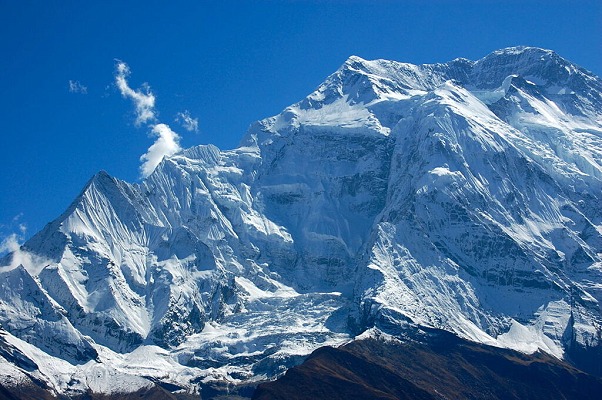



How Long is the Manaslu Larke Pass Trek? Distance and Duration:

Table of Contents
Manaslu Larke Pass Trek – A Himalayan Wilderness Adventure
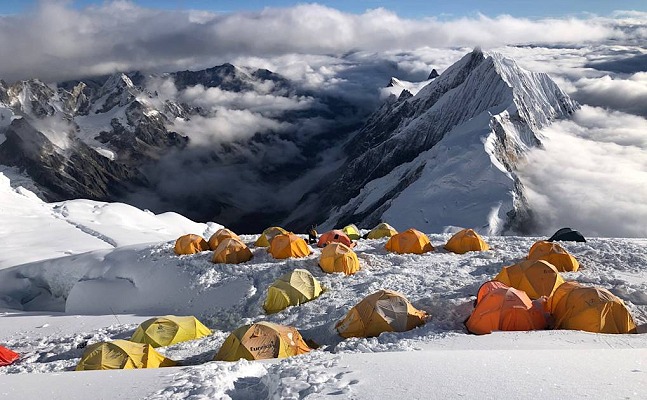
The Manaslu Larke Pass Trek offers one of Nepal's most authentic and least-crowded trekking experiences in a restricted Himalayan zone. The trek begins with a scenic 7- to 8-hour drive from Kathmandu to Soti Khola at around 800 m, following the Prithvi Highway before dropping into the Budhi Gandaki valley. From there, the trail follows the river upstream through Machha Khola, Jagat, and Namrung, climbs into Tibetan-influenced Samagaon, crosses the high and remote Larkya La Pass, and finishes with a drive back to Kathmandu via Besisahar from Dharapani. The total trekking distance from Soti Khola to Dharapani is roughly 170–180 km.
Trekking Highlights:
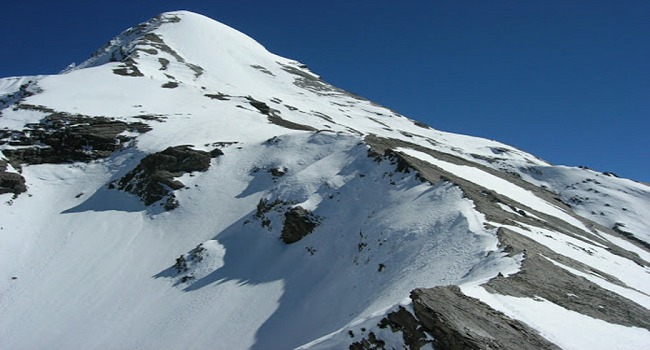
- Cross the remote Larkya La Pass (5,106–5,160 m), one of the highest trekking passes in Nepal
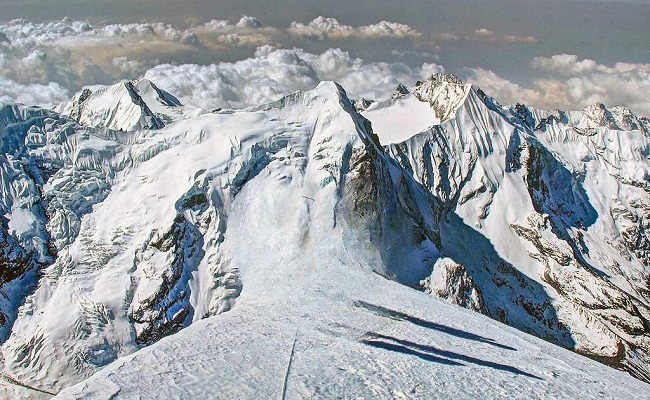
- Stand beneath Mount Manaslu (8,163 m), the eighth-highest mountain in the world
- Walk through traditional Tibetan Buddhist villages including Jagat, Namrung, Lho, Samagaon, and Samdo
- Explore the Manaslu Conservation Area, home to snow leopards, Himalayan tahr, and red pandas
- Visit Manaslu Base Camp and Pungyen Gompa monastery on the Samagaon acclimatization day
- Follow the dramatic Budhi Gandaki River gorge across countless suspension bridges
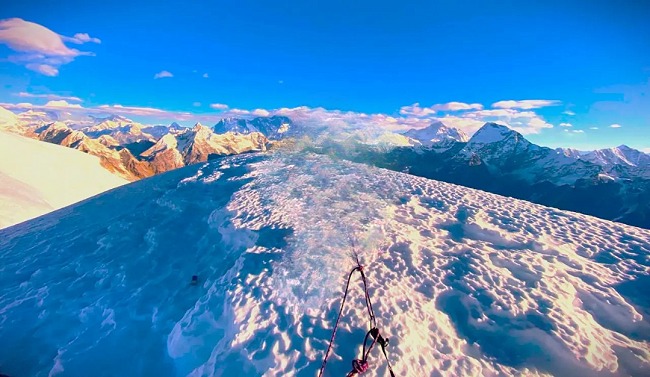
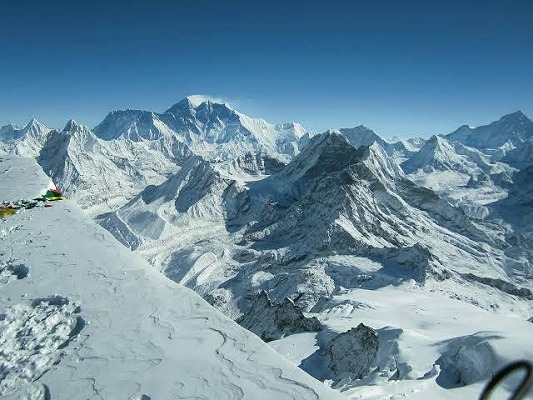
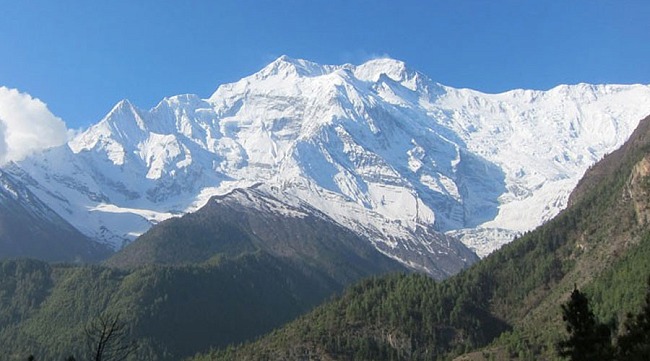
- Enjoy panoramic views of Himlung Himal, Ganesh Himal, Cheo Himal, and Annapurna II from Larkya La
- Trek peaceful, far-from-the-crowds trails through the restricted Manaslu region
Trail Conditions and Difficulty
The Manaslu Larke Pass Trek trail moves through steep river gorges, dense forest, and terraced farmland before climbing into high alpine terrain above Samagaon. The hardest single day is the Larkya La crossing itself — a long, cold, high-altitude push that starts before dawn and ends with a steep descent to Bimthang. The trek is rated moderate to challenging and calls for solid fitness, prior trekking experience is helpful, and the trail remains genuinely remote throughout.
Food and Accommodation:
- Stay in teahouses and lodges throughout the trek, with twin-sharing rooms and communal dining areas
- Enjoy three meals a day — dal bhat, noodles, soups, and Tibetan specialties — prepared with local ingredients
- Wi-Fi, charging, and hot showers are available at many villages, generally for a small extra fee
Trekking Time and Daily Overview:
- Total trekking time: 12–14 days on the trail
- Average daily hike: 5–8 hours
- Average walking distance daily: 8–23 km, depending on the stage
- Maximum elevation: Larkya La Pass, 5,106–5,160 m
Transportation:
- Drive from Kathmandu to Soti Khola: 7–8 hours (160–170 km)
- Return drive from Dharapani to Kathmandu via Besisahar: 7–9 hours (170–185 km)
Best Time for the Manaslu Larke Pass Trek:
- Spring season (March through May) — warm temperatures, blooming rhododendron forests, and colorful landscapes
- Autumn season (September through November) — stable weather, clear skies, and excellent mountain visibility
- Winter trekking is possible but extremely challenging; the monsoon (June–August) is best avoided due to landslides
Permits and Guide Requirement:
- Manaslu Restricted Area Permit (RAP)
- Manaslu Conservation Area Permit (MCAP)
- Annapurna Conservation Area Permit (ACAP), required on the Dharapani side of the route
- A licensed guide is compulsory for this restricted-area trek
- Porters are available and recommended for a lighter, more comfortable trek
How Long is the Manaslu Larke Pass Trek?
The Manaslu Larke Pass Trek from Soti Khola to Dharapani covers approximately 170–180 km and takes 12 to 14 trekking days, or 17 days total including arrival, sightseeing, drives, and departure. The trek starts at Soti Khola (800 m) and gradually gains altitude toward Larkya La (5,106–5,160 m), the highest point of the journey.
Important stops along the way include Machha Khola (850 m), Jagat (1,350 m), Deng (1,860 m), Namrung (2,660 m), Lho-Gham (3,180 m), and Samagaun (3,530 m). Two acclimatization days are spent around Samagaon — one for local exploration and short hikes, and one for a day hike up to Manaslu Base Camp — before continuing to Samdo (3,860 m) and Dharamsala/Larke Phedi (4,880 m).
From Dharamsala, trekkers cross Larkya La and descend to Bimthang (3,720 m), then continue down through Tilije to Dharapani (1,860 m), where the trekking portion ends and the road journey back to Kathmandu begins. This trek offers remote trails, dramatic mountain scenery, and deep Tibetan Buddhist culture. It's best done in spring (Mar–May) or autumn (Sep–Nov) for stable weather and a safer pass crossing.
Manaslu Larke Pass Trek Distance, Duration, and Altitude
The full itinerary offered by Unique Sherpa Trek & Expedition covers around 330 km of driving (Kathmandu–Soti Khola and Dharapani–Kathmandu combined) plus roughly 170–180 km of actual trekking distance. Below is a day-by-day distance, time, and elevation summary based on the standard 17-day itinerary.
| Day / Route | Distance (Hours) | Elevation |
|---|---|---|
| Day 1: Arrival in Kathmandu | — | 1,400 m |
| Day 2: Kathmandu sightseeing & trek preparation | 15–20 km (4–5 hrs) | 1,400 m |
| Day 3: Kathmandu – Soti Khola (drive) | 160–170 km (7–8 hrs) | 800 m |
| Day 4: Soti Khola – Machha Khola | 14–15 km (5–6 hrs) | 850 m |
| Day 5: Machha Khola – Jagat | 22–23 km (6–7 hrs) | 1,350 m |
| Day 6: Jagat – Deng | 18–20 km (6–7 hrs) | 1,860 m |
| Day 7: Deng – Namrung | 19–20 km (5–6 hrs) | 2,660 m |
| Day 8: Namrung – Lho-Gham | 8–9 km (4–5 hrs) | 3,180 m |
| Day 9: Lho-Gham – Samagaun | 10–12 km (5–6 hrs) | 3,530 m |
| Day 10: Acclimatization in Samagaun | Short local hikes | 3,530 m |
| Day 11: Acclimatization hike to Manaslu Base Camp area | 8–10 km (5–6 hrs) | up to 4,800 m |
| Day 12: Samagaun – Samdo | 8–9 km (4–5 hrs) | 3,860 m |
| Day 13: Samdo – Dharamsala/Larke Phedi | 6–7 km (5–6 hrs) | 4,880 m |
| Day 14: Cross Larkya La Pass – Bimthang | 18–20 km (8–10 hrs) | 5,160 m → 3,720 m |
| Day 15: Bimthang – Dharapani | 20–22 km (6–7 hrs) | 1,860 m |
| Day 16: Dharapani – Kathmandu via Besisahar (drive) | 170–185 km (7–9 hrs) | 1,400 m |
| Day 17: Final departure from Kathmandu | — | 1,400 m |
Manaslu Larke Pass Trek Itinerary with Distance and Elevation: Daily Route Plan
How Many Acclimatization Days Do I Need on the Manaslu Larke Pass Trek?
Two acclimatization days are built into the Manaslu Larke Pass Trek itinerary, both centered around Samagaon (3,530 m). These days let your body adjust to the altitude before pushing on to Samdo, Dharamsala, and finally Larkya La (5,106–5,160 m).
The first Samagaon day is largely for local exploration — short walks around the village, a visit to a nearby monastery, and time to interact with the Tibetan Buddhist community that calls Samagaon home. The second day is a more demanding excursion up toward the Manaslu Base Camp area, an 8–10 km round trip that offers close-up views of the Manaslu Massif and its glacier while boosting acclimatization ahead of the pass.
- These two acclimatization days are essential preparation for crossing Larkya La (5,106–5,160 m). Don't skip them.
- Proper acclimatization around Samagaon significantly increases both safety and enjoyment on the trek.
Are You Planning Some Side Trips During the Manaslu Larke Pass Trek?
Make the most of your acclimatization days with these side excursions
If your schedule allows a little flexibility around Samagaon, consider adding one of these options:
- Option 1: Manaslu Base Camp (around 4,800 m) – A full-day excursion from Samagaon offering close-up views of the Manaslu Massif and its glacier. It's already built into the standard itinerary as an acclimatization day, but trekkers with extra time can linger longer at the viewpoint.
- Option 2: Pungyen Gompa – A monastery set beneath Manaslu's flank, reached via a moderate day hike from Samagaon. It's an excellent, less strenuous alternative for trekkers who want a spiritual and scenic side trip while still gaining acclimatization value.
- Option 3: Birendra Lake – A short, easy walk from Samagaon to this glacial lake, ideal as a gentle warm-up activity on the first acclimatization day before the more demanding Base Camp hike.
Each of these options adds cultural depth or scenic reward while reinforcing the acclimatization your body needs before crossing Larkya La. Start early, carry water and snacks, and confirm conditions with your guide before setting out.
Allocate Extra Days for Unforeseen Circumstances
It's worth planning for 1–2 buffer days on any Manaslu Larke Pass Trek itinerary. The trek covers close to 180 km and crosses a genuinely high, remote pass at over 5,100 m, so a few things can affect the schedule:
- Weather delays are common around Dharamsala and Larkya La. Snow can close the pass for a day or more, especially in the shoulder seasons.
- Altitude symptoms may slow the pace above 3,500 m, particularly around Namrung, Samdo, or the approach to the pass, sometimes requiring an extra rest day.
- Road conditions on the Kathmandu–Soti Khola or Dharapani–Kathmandu drives can occasionally be affected by landslides, especially just after the monsoon.
- Minor fatigue or altitude-related symptoms may call for an extra rest day, most often taken at Samagaon.
- A couple of spare days reduce stress and add flexibility without threatening your onward travel plans.
One More Day for Kathmandu Sightseeing
Day 2 of the standard Manaslu Larke Pass Trek itinerary is already set aside for Kathmandu sightseeing and trek preparation — a great chance to visit Kathmandu Durbar Square, Swayambhunath (the Monkey Temple), Boudhanath Stupa, and Pashupatinath Temple before setting out for Soti Khola. Trekkers who want more time can easily add an extra day either before departure or after returning from the trek, allowing a relaxed pace through the valley's UNESCO World Heritage Sites without rushing the pre-trek briefing and permit arrangements.
How Long is the Drive from Kathmandu to Soti Khola?
The drive from Kathmandu to Soti Khola covers roughly 160–170 km and typically takes 7 to 8 hours, depending on road conditions and traffic. The route follows the Prithvi Highway before turning north toward Arughat and Soti Khola, passing through terraced fields, traditional villages, and increasingly rugged terrain as the road nears the Budhi Gandaki valley. Soti Khola, at around 800 m, is the starting point of the Manaslu Larke Pass Trek.
How Long is the Drive from Dharapani to Kathmandu?
After completing the trek at Dharapani (1,860 m), the return drive to Kathmandu via Besisahar covers approximately 170–185 km and takes 7 to 9 hours. The road follows the Marsyangdi River valley south from Besisahar before joining the Prithvi Highway back to Kathmandu, offering scenic views of terraced hillsides and rural villages along the way.
Final Words
The Manaslu Larke Pass Trek covers roughly 170–180 km of trekking distance and takes about 12 to 14 trekking days, or 17 days total including Kathmandu arrival, sightseeing, drives, and departure, with two important acclimatization days around Samagaon. The trek's defining challenge is crossing Larkya La (5,106–5,160 m), which requires a gradual, well-paced ascent for safety.
Add two travel days by road — Kathmandu to Soti Khola at the start, and Dharapani to Kathmandu via Besisahar at the end — plus 1–2 buffer days in case of weather delays or extra rest. A day of Kathmandu sightseeing is already built into the standard itinerary, and it can easily be extended for trekkers who want more time in the valley.
Overall, budget for around 17 days for the full, comfortable experience of the Manaslu Larke Pass Trek. This window provides sufficient acclimatization, safer trekking over Larkya La, and enough room for cultural exploration, Manaslu Base Camp, and a bit of flexibility for unforeseen circumstances along the way.
Unique Sherpa Trek & Expedition Pvt. Ltd. runs the Manaslu Larke Pass Trek as a fully guided 17-day itinerary with experienced local Sherpa guides, all required restricted-area permits (Manaslu RAP, MCAP, and ACAP), teahouse accommodation, and complete logistical support — so you can plan your own Himalayan adventure with confidence.
FAQs: "How Long is the Manaslu Larke Pass Trek?"
1. What is the standard duration of the Manaslu Larke Pass Trek?
The Manaslu Larke Pass Trek usually takes 14 to 17 days from arrival in Kathmandu to final departure. This includes drives to and from the trailhead, two acclimatization days around Samagaon, and the crossing of Larkya La. Most trekkers with Unique Sherpa Trek & Expedition follow the 17-day itinerary.
2. How long is the Manaslu Larke Pass Trek distance from Soti Khola to Dharapani?
The trekking distance from Soti Khola to Dharapani is approximately 170–180 km, covered over 10–12 trekking days. You'll cross a range of terrain, including the Larkya La Pass at 5,106–5,160 m. Daily distances vary from around 6 km to 23 km depending on the itinerary stage.
3. What is the total distance from Kathmandu to Kathmandu?
Including the Kathmandu–Soti Khola drive, the trekking days, and the Dharapani–Kathmandu return drive, the full round trip covers roughly 500–530 km. This includes road transfers on both ends of the trek.
4. How many acclimatization days do I need for the Manaslu Larke Pass Trek?
Two rest days are recommended, both around Samagaon (3,530 m). These are essential to avoid altitude sickness before crossing Larkya La, which sits above 5,100 m.
5. Can solo trekkers join the Manaslu Larke Pass Trek?
No. Because this is a restricted area, solo trekking is not permitted. You must book through a registered trekking agency and trek with a licensed guide — you cannot trek alone in the Manaslu region.
6. Is a guide mandatory for the Manaslu Larke Pass Trek?
Yes. A licensed guide is legally required for this restricted-area trek. Booking through a registered agency like Unique Sherpa Trek & Expedition ensures you meet this requirement and trek safely.
7. When is the best time to do the Manaslu Larke Pass Trek?
The best seasons are spring (March to May) for warm temperatures and blooming rhododendron forests, and autumn (September to November) for stable weather and the clearest mountain views. Winter and monsoon trekking carry much higher difficulty and risk.
8. How difficult is the Manaslu Larke Pass Trek?
The trek is rated moderate to challenging. It involves long trekking days, steep ascents, and a demanding high-altitude crossing at Larkya La (5,106–5,160 m). Good physical fitness and prior trekking experience are recommended.
9. What permits are required for the Manaslu Larke Pass Trek?
You need the Manaslu Restricted Area Permit, the Manaslu Conservation Area Permit (MCAP), and the Annapurna Conservation Area Permit (ACAP) for the Dharapani side of the route. Your registered trekking agency arranges these, and a licensed guide is compulsory.
10. How long is the drive from Kathmandu to Soti Khola?
The drive from Kathmandu to Soti Khola takes about 7 to 8 hours over 160–170 km. The road follows the Prithvi Highway before turning toward Arughat, becoming rougher near the start of the trek.
11. How long is the drive from Dharapani to Kathmandu?
The return drive from Dharapani to Kathmandu, via Besisahar, is approximately 170–185 km and typically takes 7 to 9 hours, following the scenic Marsyangdi River valley for much of the route.
12. What should I pack for the Manaslu Larke Pass Trek?
Pack layered clothing, waterproof trekking boots, a down jacket, a sleeping bag rated to at least -10°C to -15°C, trekking poles, a headlamp, sunglasses, sunscreen, water purification, and a first-aid kit that includes altitude sickness medication. It gets extremely cold around Larkya La.
13. Are side trips possible during the Manaslu Larke Pass Trek?
Yes. Popular options around Samagaon include a hike to Manaslu Base Camp, a visit to Pungyen Gompa monastery, or a short walk to Birendra Lake. These add cultural and scenic value while helping with acclimatization before crossing Larkya La.
14. What is the highest point on the Manaslu Larke Pass Trek?
The highest point is Larkya La Pass, at approximately 5,106–5,160 m. From the top, trekkers get sweeping views of Himlung Himal, Ganesh Himal, Cheo Himal, and other Himalayan giants before descending to Bimthang.
15. How much does the Manaslu Larke Pass Trek cost?
The Manaslu Larke Pass Trek with Unique Sherpa Trek & Expedition starts from around $1,650 USD per person, with group discounts available for larger parties. This covers permits, guide and porter services, accommodation, and meals on the trek.
16. Is altitude sickness a concern on the Manaslu Larke Pass Trek?
Yes, particularly above 3,500 m and approaching Larkya La. Walk slowly, stay hydrated, take the built-in acclimatization days seriously, and watch for symptoms. Guides carry first-aid kits and are trained to assist if altitude sickness occurs.
17. What kind of accommodation is available on the Manaslu Larke Pass Trek?
Teahouses and lodges are available along the entire route, offering twin-sharing rooms and communal dining areas. Facilities are more basic in the higher villages, with shared bathrooms common above Samagaon.
18. Do I need travel insurance for the Manaslu Larke Pass Trek?
Yes. Insurance covering high-altitude trekking and emergency helicopter evacuation is essential, given the remote nature of the Manaslu region and the altitude at Larkya La.
19. How should I prepare physically for the Manaslu Larke Pass Trek?
Start training at least 4 to 6 weeks in advance with cardio exercises, strength training, and loaded hikes. Good baseline fitness makes both the daily trekking days and the Larkya La crossing far more manageable.
20. Can I add extra days in Kathmandu before or after the trek?
Yes. The standard itinerary already includes a Kathmandu sightseeing day before departure, and trekkers can extend their stay either before or after the trek to explore more of the valley's UNESCO World Heritage Sites at a relaxed pace.