


Is Pisang Peak Climbing Suitable for Beginners? An Honest Guide for First-Time Climbers
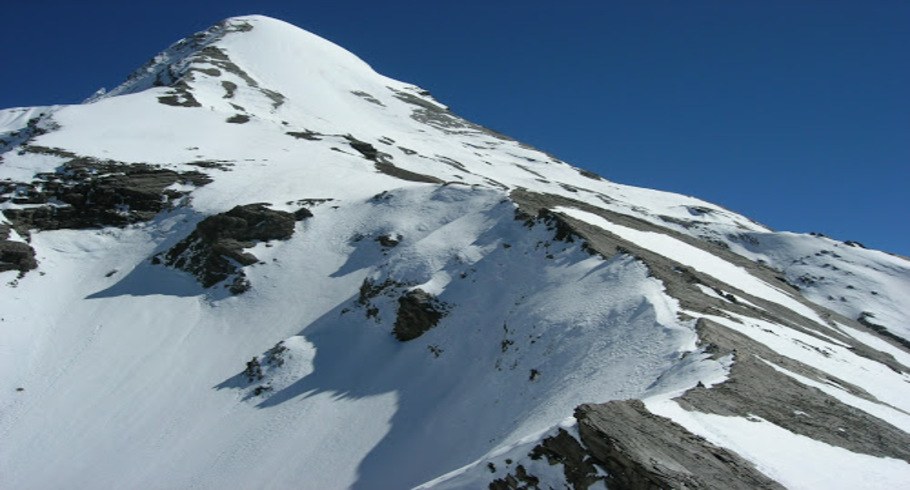
Table of Contents
The Short Answer: Yes, With the Right Preparation
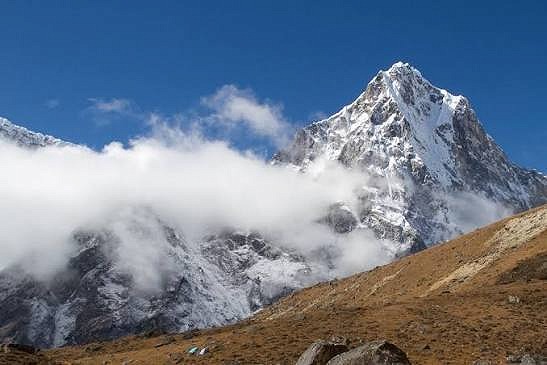
Pisang Peak (6,091 m) is one of the more accessible trekking peaks in Nepal, and many first-time climbers reach its summit every season. But it is a real mountain, not a long hike. The climb involves crampons, an ice axe, fixed ropes, a steep final snow slope and a long summit day starting in the middle of the night.
So the honest answer is this: Pisang Peak can be a good first climb for a fit trekker with some high-altitude walking experience, a willingness to learn basic mountaineering skills and a guided Sherpa team. It is not a good first adventure for someone who has never hiked more than a day or two, or who is nervous about heights and steep snow.
This guide explains what the climb involves, how hard it really is, and how to prepare, using Unique Sherpa Trek & Expedition's 18-day Pisang Peak itinerary.
Pisang Peak at a Glance
| Detail | Information |
|---|---|
| Summit elevation | 6,091 m (19,984 ft) |
| Location | Manang, Annapurna region |
| Classification | NMA trekking peak, Group B |
| Alpine grade | PD (a moderately difficult climb by international grading) |
| Base Camp | About 4,380 m |
| High Camp | Around 5,400 m |
| Summit day | Roughly 8–10 hours round trip |
| Best seasons | March–May and September–November |
| Group size | 2–14 climbers |
| Price | From US$2,450 per person, with group discounts |
Pisang Peak was first climbed in 1955 by a German expedition, and today it is one of the most popular climbing peaks on the Annapurna Circuit.
Why Pisang Peak Appeals to Beginners
- Low technical grade. It is rated PD, the same grade as Mera Peak, and it is often described as one of the easier climbing peaks in the Annapurna region.
- Built-in acclimatization. You approach through the Marsyangdi Valley and the Manang area, gaining height gradually before the technical climbing begins.
- Guided support. The Nepal Mountaineering Association classifies it as a Group B peak that is suitable for beginners with guide assistance.
- Skills training included. At camp, your guides teach crampon, ice axe and fixed-rope techniques before the summit attempt.
- Fewer crowds. It is quieter than the Everest-region peaks.
- Stunning views. On a clear summit day, you see Annapurna II, III and IV, Gangapurna, Tilicho Peak and Manaslu.
- Great stepping stone. Pisang is a good way to learn skills before trying higher peaks.
What Makes It More Than a Trek
Be clear about the difference between trekking and climbing. On Pisang Peak, you will encounter:
- Steep, rocky ground above Base Camp. The route to High Camp climbs a rough ridge with loose scree and rocky steps.
- Fixed ropes. Guides fix lines on the steeper sections, and you clip in using an ascender.
- A steep final snow slope. Typical descriptions put this at about 45–55°, and some sources report short steeper sections. Unique Sherpa Trek's itinerary notes a steep slope near the summit that needs about 200 m of rope in total.
- A hanging glacier and exposed ridges. These are manageable with guides but require focus.
- An alpine start. Summit day usually begins between 1 and 3 am, in the dark and the cold.
- A long summit day. Plan on 8–10 hours at over 5,400 m, in thin air and low temperatures.
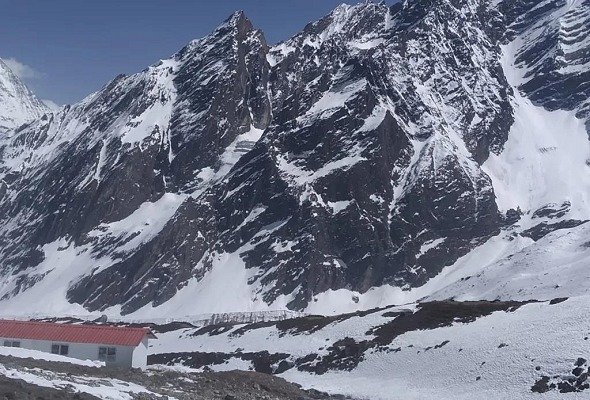
- A cold High Camp. Ice, snow and wind make nights at around 5,400 m uncomfortable.
None of this requires advanced skills, but it does require fitness, calm nerves and the ability to follow instructions precisely.
Beginner Difficulty Scorecard
| Factor | Rating (out of 5) | Notes |
|---|---|---|
| Altitude | 4 | Over 6,000 m, but the approach acclimatizes you |
| Physical effort | 4 | Long summit day and steep approach |
| Technical difficulty | 3 | Fixed ropes, crampons and a steep final slope |
| Exposure and heights | 2.5 | Some exposed ridge, but not knife-edge |
| Cold and weather | 4 | High Camp and summit morning are very cold |
| Skills needed | 2.5 | Basic skills, taught on the trip |
| Overall for first-timers | Challenging but achievable |
Is It Right for You? A Self-Check
You are probably ready if you can say yes to most of these:
- I can hike 5–7 hours a day over several days and still enjoy it.
- I have completed a multi-day trek, ideally one that reached at least 4,000 m.
- I am comfortable on steep ground and not afraid of moderate heights.
- I can train for 12–16 weeks before the trip.
- I am medically fit for high-altitude activity (check with your doctor first).
- I will accept my guide's decision to wait, turn back or change plans.
If you have never trekked at altitude, consider doing a shorter trek first, or join a one-day snow-skills course before you come. If your goal is simply to see the Annapurna Circuit, the Annapurna Circuit Trek is a good option without the climb.
How the 18-Day Itinerary Helps Beginners
Unique Sherpa Trek's schedule builds in acclimatization, training and a spare day:
| Day | Route | Elevation | Why it matters |
|---|---|---|---|
| 3 | Drive to Dharapani | 1,860 m | Gentle start in the valley |
| 4 | Dharapani to Chame | 2,670 m | First big walking day |
| 5 | Chame to Upper Pisang | 3,300 m | Steady gain with mountain views |
| 6 | Acclimatization day at Upper Pisang | Short hike | Rest and adjust |
| 7 | Upper Pisang to Base Camp | 4,380 m | Tent camping begins |
| 8 | Base Camp to High Camp | About 5,400 m | Climbing training with ropes and crampons |
| 9 | Summit day and return to Base Camp | 6,091 m | 8–10 hour push |
| 10 | Contingency / rest day | 4,380 m | Spare day for weather or fatigue |
| 11 | Base Camp to Manang | 3,540 m | Recovery at lower altitude |
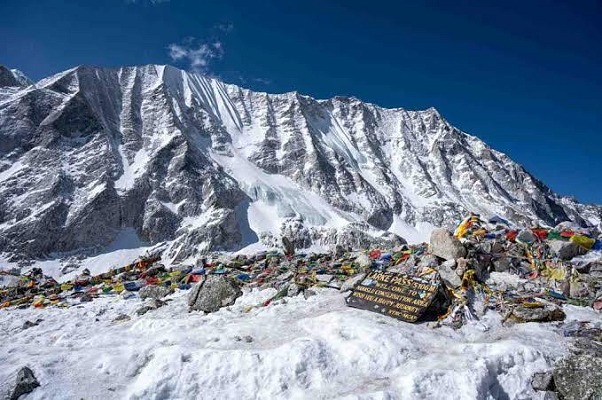
| 12–14 | Yak Kharka, Thorong Phedi, then Thorong La to Muktinath | Up to 5,416 m | Optional Annapurna Circuit finish |
The spare day on Day 10 is especially valuable. Weather can delay a summit attempt, and having a buffer improves your safety and your chances of success.
How to Prepare as a Beginner
Fitness (12–16 weeks)
- Endurance: Hike, run or cycle 3–4 times a week, building to long weekend hikes of 5–7 hours.
- Hill training: Carry 8–10 kg on steep trails or stairs to prepare your legs for the climb to High Camp.
- Strength: Squats, lunges, step-ups and core work for balance and stamina.
- Back-to-back days: Practise two or three long days in a row.
Skills
- Take a one-day snow or glacier skills course if you can, to try crampons and an ice axe.
- Practise walking in stiff mountaineering boots so they are broken in.
- Learn how to use a harness and ascender on a climbing wall or indoor rope course.
Altitude
- Walk at elevation before the trip if possible.
- Follow your guide's pace, drink 3–4 litres of water daily and avoid alcohol.
- Report headache, nausea or dizziness immediately.
- Ask your doctor about altitude medication before you travel.
Essential Gear
You will need warm, waterproof, crampon-compatible mountaineering boots, a four-season sleeping bag, thermal base layers, a down jacket, waterproof shell layers, insulated gloves, a warm hat and balaclava, glacier sunglasses, goggles, gaiters, a headlamp and trekking poles. Technical items include a harness, helmet, ice axe, crampons, ascender and descender. Unique Sherpa Trek's package includes ropes and essential group climbing equipment, while some personal technical gear can be rented in Kathmandu. Confirm exactly what is supplied before you book.
Pisang Peak Compared With Other Beginner Peaks
| Peak | Elevation | Region | Beginner suitability |
|---|---|---|---|
| Yala Peak | About 5,700 m | Langtang | Easiest, a good first step |
| Pisang Peak | 6,091 m | Annapurna | Accessible with guides; some fixed-rope climbing |
| Island Peak | About 6,189 m | Everest | Popular, with a steeper summit headwall |
| Mera Peak | 6,476 m | Everest | Higher, longer but less steep |
If you want a similar climb in the same region, see the Chulu West Peak Climbing trip, or explore Mera Peak Climbing and Island Peak Climbing for Everest-region options.
Best Season
The best windows are spring (March to May) and autumn (September to November), when weather is more stable and visibility is good. Fixed departures run through winter too, but conditions at High Camp are much colder and snow can make the climb harder, so beginners should aim for autumn or spring.
What Does It Cost?
Pisang Peak Climbing with Unique Sherpa Trek & Expedition starts from US$2,450 per person, with group pricing of US$2,740 for 1–2 climbers, US$2,600 for 3–10 climbers and US$2,400 for 11–20 climbers.
The package includes airport transfers, two nights in a 3-star Kathmandu hotel, private transport, three meals a day on the trek and climb, a licensed climbing guide, assistant guides and porters, the Pisang Peak climbing permit, ACAP and TIMS where applicable, Base Camp and High Camp tents, technical climbing support, a first-aid kit, a farewell dinner and certificates. Visa, international flights, insurance (including high-altitude and helicopter evacuation), Kathmandu meals, personal gear, drinks, showers, Wi-Fi and tips are extra.
Ready to Climb Pisang Peak?
If you are fit, curious and ready to learn, Pisang Peak is a rewarding first Himalayan summit. It gives you the full mountaineering experience without the extreme difficulty of the higher peaks. You walk through the Marsyangdi Valley and the Manang villages, spend time at Base Camp and High Camp, learn to use crampons, an ice axe and fixed ropes, and stand on a 6,091 m summit with views of Annapurna II, III and IV, Gangapurna, Tilicho Peak and Manaslu. For many climbers, it is the moment they discover that a 6,000-metre peak is within their reach.
Unique Sherpa Trek & Expedition runs this climb as a fully supported 18-day journey. Experienced Sherpa climbing guides lead the way, and the itinerary includes an acclimatization day at Upper Pisang, skills training at camp and a spare day at Base Camp in case of bad weather. Your package covers permits, tents, meals, technical climbing support and transport, so you can focus on the climb rather than the logistics. You can see the full day-by-day plan, current prices, group discounts and fixed departure dates on the Pisang Peak Climbing page.
Not sure whether you are ready, or which season suits you best? Send the team a message and share your trekking background, fitness level and travel dates. They can advise on training, gear, the best time to go, and whether Pisang Peak or another beginner-friendly peak is the right first step. When you are ready, view the full Pisang Peak Climbing itinerary, dates and prices and start planning your first Himalayan summit.
FAQs: Pisang Peak Climbing for Beginners
1. Is Pisang Peak climbing suitable for beginners?
Yes, for fit beginners with some trekking experience and a guided team. The peak is rated PD and classified as a Group B trekking peak, and guides teach the basic skills you need. It is still a real climb, with fixed ropes, crampons, an ice axe, a steep final slope and a long summit day, so training and respect for altitude are essential.
2. How difficult is Pisang Peak?
It is moderately difficult. The challenge comes from altitude, a steep approach to High Camp, cold conditions and an 8–10 hour summit day rather than from extreme technical climbing. The final slope is typically around 45–55°, with some steeper pitches reported, and fixed ropes are used. Fit, well-prepared climbers generally manage it with guide support.
3. Do I need previous climbing experience?
No, it is not mandatory. Unique Sherpa Trek's guides provide basic training in crampon, ice axe and rope techniques at camp. Prior hiking, high-altitude trekking and some snow or glacier practice will boost your confidence, but you do not need to be an experienced mountaineer.
4. How high is Pisang Peak, and where are the camps?
The summit is 6,091 m. Base Camp is at about 4,380 m on a yak pasture, and High Camp is around 5,400 m on the southwest ridge. You spend a night at each before the summit push, and a spare day at Base Camp is built into the itinerary.
5. How long is summit day?
Plan on 8–10 hours round trip from High Camp. You start in the early hours, between about 1 and 3 am, to climb in better snow conditions and finish before the afternoon wind and weather. The route follows a ridge and snow slopes to the summit, then descends the same way to Base Camp.
6. Is Pisang Peak easier than Mera Peak or Island Peak?
They are all moderate climbs. Pisang is shorter and lower than Mera (6,476 m) but steeper in places, with fixed ropes on the upper section. Island Peak has a steeper summit headwall and a crevasse crossing. Many beginners choose Pisang or Mera as their first 6,000 m peak, depending on region and schedule.
7. What fitness level do I need?
You should be able to hike 5–7 hours a day over several days, and to recover well. Train for 12–16 weeks with hiking, running or cycling, strength work and weighted hill walks. Good cardiovascular fitness and leg strength make a big difference on the long summit day.
8. What is the best time to climb Pisang Peak?
March to May and September to November. These seasons offer stable weather, clearer views and safer snow conditions. Winter climbs are possible but much colder, with more snow and harsher conditions at High Camp, so they are better suited to experienced climbers.
9. What permits and costs should I expect?
You need an NMA climbing permit for Pisang Peak, plus an Annapurna Conservation Area Permit and TIMS where applicable. Unique Sherpa Trek's package, from US$2,450 per person, includes them along with guides, porters, camps, meals and transport. Budget separately for visa, international flights, insurance, personal gear, drinks, showers, Wi-Fi and tips.
10. Do I need travel insurance?
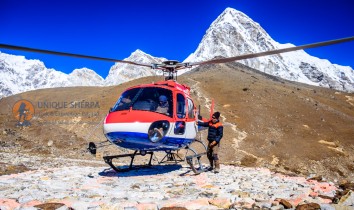
Yes. Choose a policy that covers mountaineering above 6,000 m and emergency helicopter evacuation, and check that it includes trip delays. The package does not include client insurance, so buy it before you fly. See full details on the Pisang Peak Climbing page.
.jpg)