

Lower Mustang Trek: 9-Day Complete Guide, Permits, Cost & Difficulty
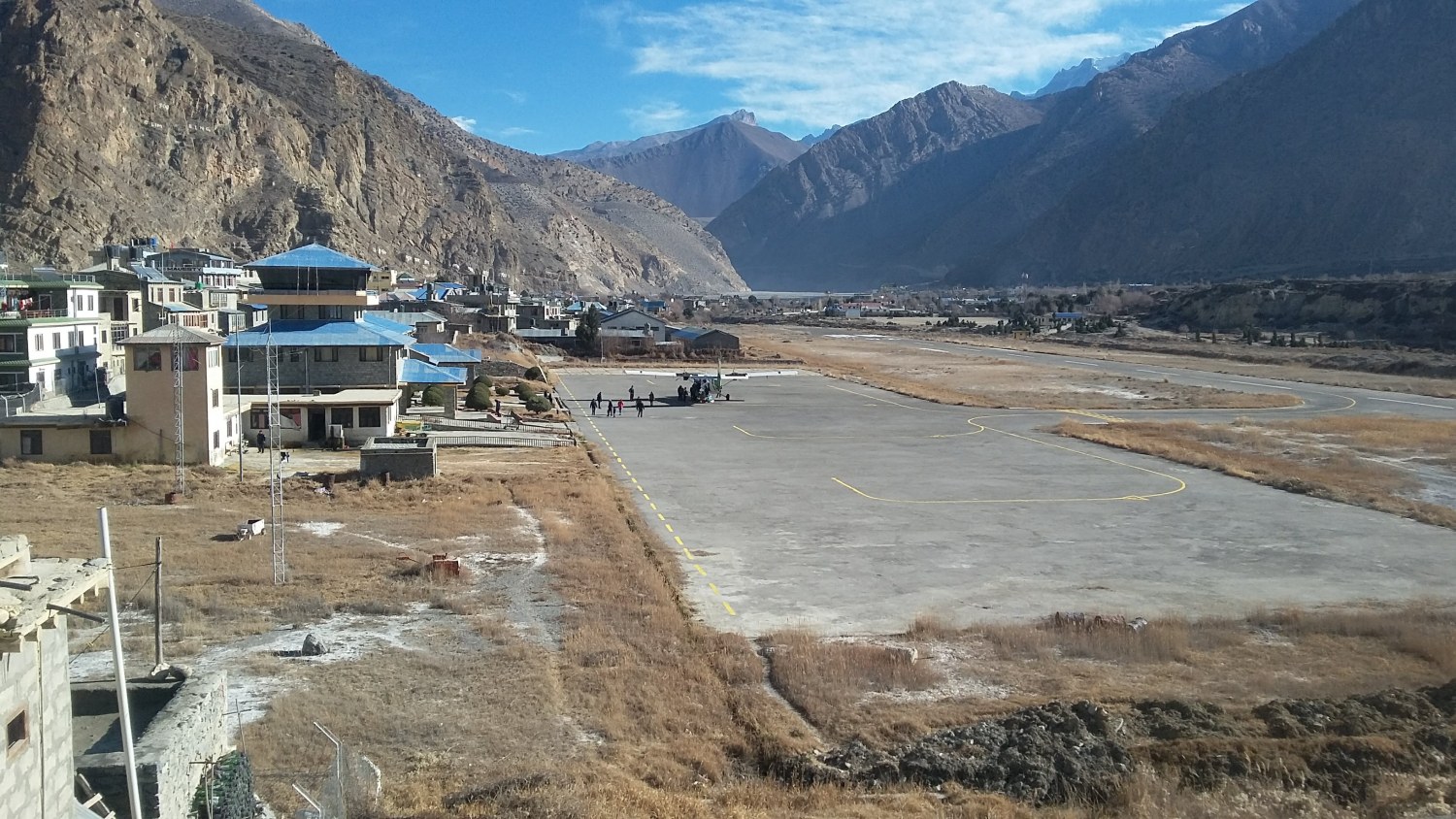
Table of Contents
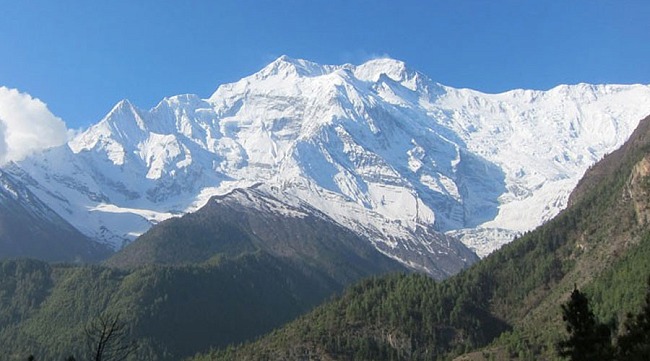
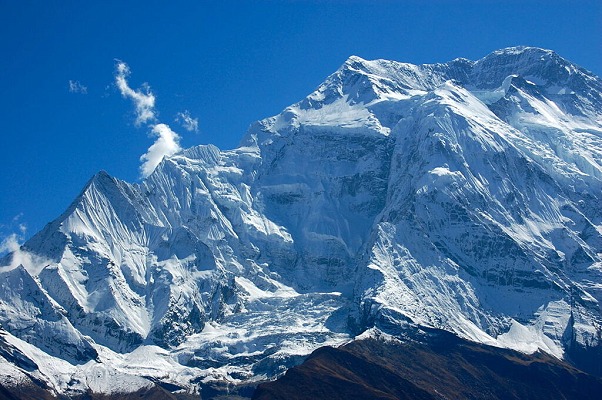
Tucked in the rain shadow of the Annapurna and Dhaulagiri massifs, Lower Mustang is one of the most striking corners of Nepal — a windswept, high-desert world of red cliffs, cave-riddled canyons, and whitewashed Tibetan Buddhist villages, all threaded together by the roaring Kali Gandaki River. Unlike the restricted, high-altitude Upper Mustang region, Lower Mustang is open to trekkers without a special permit, making it one of the most accessible ways to experience "Nepal's Tibet" in about nine days on the trail.
This guide walks through the route, the permits you'll need, realistic costs, and how difficult the trek actually is — everything you need to plan a Lower Mustang trip with confidence.
Why Trek Lower Mustang
Lower Mustang feels like nowhere else in Nepal. A few things set it apart:
- A landscape unlike the rest of the Himalaya. Because the trail sits in the rain shadow of two 8,000m-class ranges, the scenery shifts from green forest to arid, Tibetan-plateau-style desert — eroded cliffs, wind-carved rock formations, and ancient cave dwellings carved into canyon walls.
- The Kali Gandaki Gorge. The route follows one of the deepest river gorges on Earth, with Dhaulagiri and Annapurna rising on either side.
- Living Tibetan Buddhist culture. Villages like Kagbeni, Marpha, and Jomsom are strung with prayer flags, mani walls, and centuries-old monasteries, and are home to the Thakali people, historically the traders of the old Nepal–Tibet salt route.
- Muktinath. A pilgrimage site sacred to both Hindus and Buddhists, sitting at roughly 3,800m with sweeping mountain views.
- Comfortable teahouses. Unlike more remote treks, Lower Mustang has well-established lodges the whole way, so you're not roughing it in a tent.
- A relatively gentle learning curve. Moderate difficulty and lower maximum altitude than treks like Everest Base Camp or the full Annapurna Circuit make it a good option for first-time Himalayan trekkers with reasonable fitness.
Lower Mustang Trek Route & Itinerary
The trek is typically sold as a "9-day" package, referring to the days actually spent walking and flying between Pokhara and the Mustang valley — most itineraries then bookend that with a day or two in Kathmandu before and after.
Most Lower Mustang itineraries start the same way: a short, scenic flight from Pokhara to Jomsom, threading between the Annapurna and Dhaulagiri massifs along the floor of the Kali Gandaki Gorge — reputedly the deepest gorge on Earth. From Jomsom, the trail runs north along the riverbed toward Kagbeni, the old fortress town that marks the gateway to Upper Mustang, then climbs into the villages around Muktinath before looping back south through lesser-visited settlements like Lupra, Thini, and Chimang.
Day 1 – Fly Kathmandu to Pokhara, drive to Nayapul, trek to Tikhedhunga
A short flight to Pokhara is followed by a drive to Nayapul, the trailhead, then a first afternoon of walking (roughly 4–5 hours) through villages and forest to Tikhedhunga.
Day 2 – Tikhedhunga to Ghorepani
A steady climb through rhododendron forest, around 6–7 hours, ending in the mountain village of Ghorepani with its wide Himalayan panorama.
Day 3 – Sunrise at Poon Hill, then trek to Tatopani
An early pre-dawn climb to Poon Hill (around 3,210m) for one of the best sunrise viewpoints over the Annapurna range, then a long descent (7–8 hours) to Tatopani, known for its natural hot springs.
Day 4 – Tatopani to Ghasa
The trail drops into the Kali Gandaki Gorge itself, passing terraced fields and traditional villages on a 6–7 hour walk to Ghasa, where the landscape starts turning drier.
Day 5 – Ghasa to Marpha
Continuing up the valley through pine and rhododendron, the trek reaches Marpha — famous for its apple orchards, apple brandy, and traditional whitewashed stone houses.
Day 6 – Marpha to Kagbeni
A walk to the atmospheric, fortress-like village of Kagbeni at the confluence of the Kali Gandaki and Jhong rivers — the historic gateway to Upper Mustang.
Day 7 – Kagbeni to Muktinath
A climb to the sacred temple complex at Muktinath (about 3,800m, the trek's high point), revered by both Hindu and Buddhist pilgrims.
Day 8 – Muktinath back to Jomsom
The trail descends via Eklebhatti and Kagbeni again, following the Kali Gandaki River to Jomsom, the administrative hub of the Mustang district.
Day 9 – Fly Jomsom to Pokhara
An early, scenic 20–25 minute mountain flight back to Pokhara (or, if flights are grounded by wind, an overland drive via Beni, passing the Rupse waterfall).
Most operators then add a final day or two to fly or drive back to Kathmandu and allow for a departure day, so the full trip — including arrival and departure in Kathmandu — often runs closer to 11–12 days door to door. It's worth confirming exactly what's bookended into any "9-day" quote you're given, since this affects both the price and how many nights of accommodation are included.
Permits Required for the Lower Mustang Trek
Because Lower Mustang falls inside the Annapurna Conservation Area and isn't part of the restricted Upper Mustang zone, the permit requirements are straightforward:
- ACAP (Annapurna Conservation Area Permit) – required for entry into the conservation area that the entire route passes through.
- TIMS Card (Trekkers' Information Management System) – used for trekker registration and safety tracking.
Both are checked at entry points along the trail, so carry physical copies (and your passport) at all times. Unlike Upper Mustang, there's no special restricted-area permit or minimum-group requirement here, which is one reason Lower Mustang is quicker and cheaper to arrange than its northern neighbor.
Lower Mustang Trek Cost
Trip cost depends heavily on group size, season, and what's bundled into the package (flights, porters, hotel category in Kathmandu/Pokhara). As a general benchmark, organized 9-day packages from operators such as Unique Sherpa Trek & Expedition run in the neighborhood of US$1,000–1,200 per person, with per-person rates dropping for larger groups.
Typically included in a package price:
- Kathmandu airport transfers and hotel accommodation
- Domestic flights (Kathmandu–Pokhara and Pokhara–Jomsom, round trip)
- Private transport between Pokhara and the trailhead
- All meals during the trek (breakfast, lunch, dinner) plus tea/coffee
- A licensed guide, porter support, and their insurance and wages
- ACAP and TIMS permit fees
- Teahouse/lodge accommodation throughout the trek
Typically excluded, and worth budgeting separately for:
- Nepal entry visa fee
- Travel and emergency evacuation insurance
- Alcoholic drinks, bottled water, Wi-Fi, charging, and hot showers at lodges (often a small per-use fee in remote villages)
- Tips for your guide and porter
- Personal gear and any extra nights caused by flight delays — which are common on the Jomsom route due to wind
Budget travelers organizing the trek independently (without a guide or porter) can do it more cheaply by paying for teahouses, meals, permits, and transport separately, but a guide is strongly recommended for navigation, safety, and cultural context, and is required practice on many trekking routes in Nepal for independent (non-group) trekkers.
How Difficult Is the Lower Mustang Trek?
Lower Mustang is generally rated moderate — accessible to trekkers with average fitness, but not to be underestimated. A few factors to weigh:
- Altitude. The high point, Muktinath, sits around 3,800m. That's well below the altitudes reached on Everest Base Camp (5,364m) or Annapurna Circuit's Thorong La pass (5,416m), meaning the risk of altitude sickness is lower, though still worth taking seriously — go at a steady pace and stay hydrated.
- Daily walking time. Most days run 4–8 hours on maintained trails, with some sustained climbs (notably the Ghorepani–Poon Hill section) and one long descent day into the gorge.
- Wind. The Kali Gandaki Valley is famous for strong afternoon winds that pick up like clockwork — most trekking days are scheduled to start early and finish before the wind hits hardest.
- Terrain. Trails are well established and teahouse-supported the entire way, without the technical scrambling or glacier travel of higher mountaineering routes.
- Flight reliability. The Jomsom–Pokhara flight is short but weather-dependent; build a spare day or two into your schedule in case of delays.
With a few weeks of pre-trip walking or hiking to build stamina, most reasonably fit trekkers — including first-timers to the Himalaya — complete Lower Mustang comfortably.
Best Time to Trek Lower Mustang
- Spring (March–May) and autumn (September–November) offer the clearest skies and most stable weather, and are the most popular windows.
- Monsoon (June–August) is a genuine alternative here, since the rain-shadow effect keeps Lower Mustang far drier than most of Nepal during monsoon season.
- Winter is trekkable but cold, particularly around Muktinath, and best suited to well-prepared trekkers.
Lower Mustang Trek: FAQs
Planning the Lower Mustang Trek? Here are the ten questions trekkers ask most often — covering permits, cost, difficulty, best season, and what to expect on the 9-day route to Muktinath, Kagbeni, and Jomsom.
1. How difficult is the Lower Mustang Trek?
The Lower Mustang Trek is rated easy to moderate, making it one of the most accessible treks in Nepal's Annapurna region. Trails follow a jeep road and traditional paths through the Kali Gandaki valley, with daily walking times of 4–6 hours and gradual elevation gain. The highest point, Muktinath, sits at roughly 3,800 m, so mild altitude effects are possible but altitude sickness is rare at this elevation. No technical climbing or prior trekking experience is required, though a reasonable level of fitness helps you enjoy the longer walking days.
2. Do I need a permit for the Lower Mustang Trek?
Yes, but unlike Upper Mustang, Lower Mustang does not require a Restricted Area Permit (RAP). You only need two documents:
- ACAP (Annapurna Conservation Area Project) permit — a conservation entry fee for the region
- TIMS card (Trekkers' Information Management System) — required mainly if you're trekking independently or overland
Because no RAP is needed, Lower Mustang can be trekked without a licensed guide requirement in the same way Upper Mustang demands, and permits are simpler and cheaper to arrange.
3. How much does the Lower Mustang Trek cost in permits?
Total permit costs for foreign trekkers typically run in the $45–55 (USD) range, made up of the ACAP fee (around NPR 3,000, roughly $23–30) plus a TIMS card (around $16–20 for foreign nationals, less for SAARC nationals). This is dramatically cheaper than Upper Mustang, where the Restricted Area Permit alone costs $50 per day. Guide and porter fees, accommodation, meals, and transport to/from Jomsom or Pokhara are separate costs on top of permits.
4. Can I get the Lower Mustang permit without an agency?
Since no Restricted Area Permit is needed, independent trekkers have more flexibility than in Upper Mustang. However, ACAP and TIMS are issued in Kathmandu or Pokhara, not on the trail itself, so you'll need to arrange them before starting — either yourself at the permit office or through a trekking agency, which is the simpler option for most visitors.
5. What is the best season to trek Lower Mustang?
Lower Mustang sits in a rain-shadow area, making it trekkable for more of the year than many other Nepal routes:
- March–May (spring): Mild weather, blooming rhododendrons, clear mountain views
- September–November (autumn): The most popular season — stable weather, excellent visibility, comfortable temperatures
- Winter (December–February): Cold, especially at Muktinath, but still doable with proper gear
- Monsoon (June–August): Because Mustang lies in a rain shadow, it stays relatively dry even during monsoon, making it one of the few good monsoon-season treks in Nepal
6. What does a 9-day Lower Mustang itinerary typically include?
A standard 9-day itinerary usually covers Kathmandu/Pokhara transfers, a flight or drive to Jomsom, and trekking through Kagbeni, Muktinath, Marpha, and back to Jomsom, with acclimatization and sightseeing days built in. Highlights typically include the sacred Muktinath Temple, the walled village of Kagbeni at the edge of Upper Mustang, apple orchards in Marpha, and dramatic desert-like landscapes along the Kali Gandaki, one of the world's deepest gorges.
7. Is the Lower Mustang Trek suitable for beginners and families?
Yes. Its moderate trails, lower elevation compared to Everest or Annapurna Base Camp, availability of teahouses and lodges, and option to shorten the trek with jeep rides make it one of the more family- and beginner-friendly treks in Nepal. Many operators also offer shorter 4–7 day versions for trekkers with limited time.
8. Do I need travel insurance or a guide for Lower Mustang?
Travel insurance covering trekking and emergency evacuation is strongly recommended for any Nepal trek, including Lower Mustang, even though the altitude and risk level are lower than restricted areas. A guide isn't legally mandatory for Lower Mustang the way it is for Upper Mustang, but many trekkers still hire one for navigation, cultural context, and logistics, especially first-time visitors to Nepal.
9. How do I get to the start of the Lower Mustang Trek?
Most itineraries begin with a flight from Pokhara to Jomsom (roughly 20–25 minutes), which is the standard gateway to the Mustang region. An overland jeep route via Beni and Tatopani is also possible and is sometimes used when flights are disrupted by wind, which can affect the short Jomsom airstrip, particularly in late morning.
10. What should I pack for the Lower Mustang Trek?
Because Mustang is a high-altitude desert with strong afternoon winds, pack layered clothing (including a windproof jacket), sun protection, a good pair of broken-in trekking boots, a warm sleeping bag for teahouse nights, and basic altitude-sickness medication. Days can be warm and sunny while mornings and evenings turn cold quickly, so layering matters more than heavy single garments.
Permit fees and regulations in Nepal change periodically — always confirm current rates with the Nepal Tourism Board or a licensed trekking agency before booking
Final Thoughts
Lower Mustang packs desert canyons, Tibetan Buddhist culture, and big Himalayan views into a trip that's shorter, cheaper, and technically easier than many of Nepal's marquee treks — without feeling like a watered-down experience. If you want the atmosphere of Upper Mustang's forbidden kingdom without the restricted-area permit and price tag, this is the trek to book.
Operators like Unique Sherpa Trek & Expedition run scheduled group departures and custom itineraries for the Lower Mustang Trek if you'd rather have permits, guides, and logistics arranged for you.