


Mera Peak Climbing Guide & Porter: Complete Plan
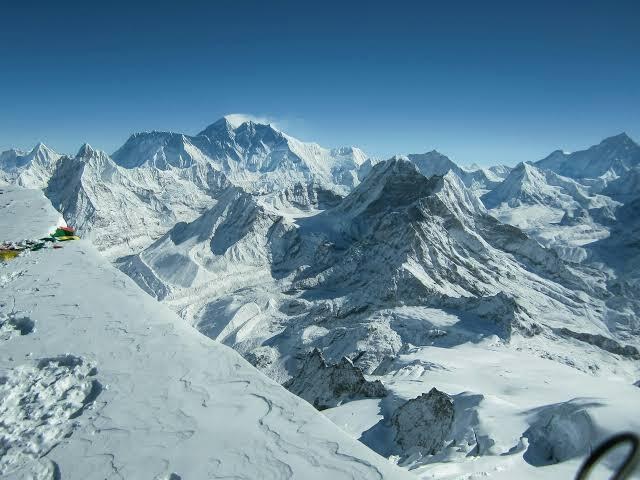
Table of Contents
Introduction: Why the Right Guide and Porter Team Matters
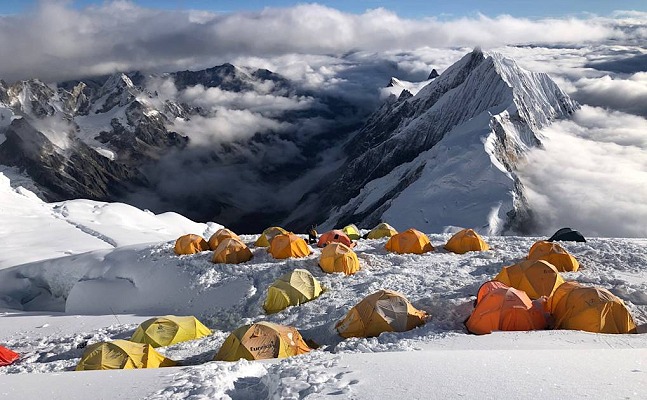
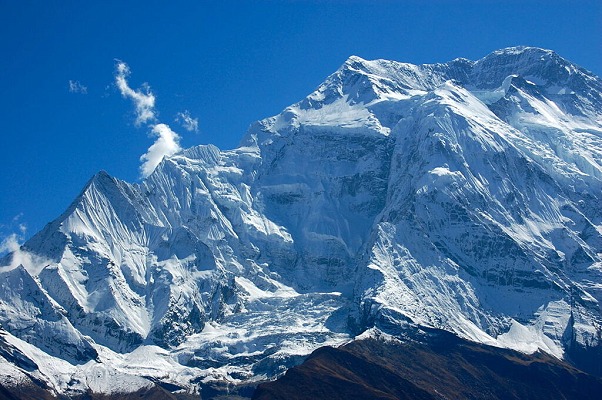
Mera Peak is one of the most popular trekking peaks in Nepal. It rises to about 6,476 m in the quiet Hinku Valley and rewards climbers with views of Everest, Lhotse, Makalu, Cho Oyu and Kanchenjunga. It is often chosen as a first Himalayan summit, but it is still a serious high-altitude climb: long approach days, a crossing of the Zatrwa La, glacier travel, a high camp at about 5,780 m, and a summit push that starts around 2 AM.
Two things shape your experience more than almost anything else: the climbing guide who sets the pace and makes safety calls, and the porters who carry gear and camp equipment so you can save energy for the mountain. This guide explains how both work on the Unique Sherpa Trek & Expedition package, along with the itinerary, cost, permits, season and gear.
Mera Peak Climbing at a Glance
| Detail | Information |
|---|---|
| Summit height | About 6,476 m (the trip page also refers to the Central summit, around 6,461 m) |
| Duration | Page headline says 11 days; the itinerary and departure table show 14 days |
| Start / end | Fly to Lukla; return by flight |
| Grade | Challenging / adventure, non-technical but at high altitude |
| Group size | 2 to 14 |
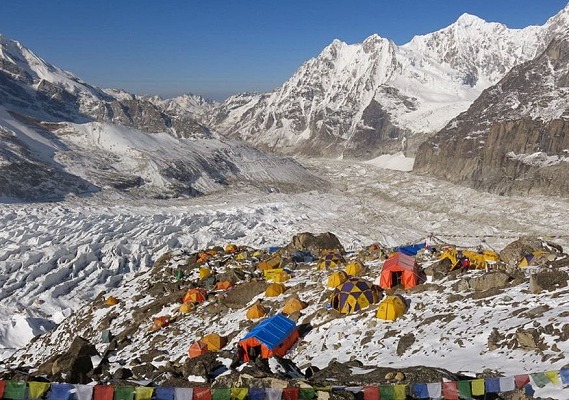
| Accommodation | 3-star Kathmandu hotel, teahouses on the approach, tents at high camp |
| Best seasons | March to May and September to November |
| Price | Listed from US$2,000 per person, with group-size pricing (see below) |
Guide Services on Mera Peak
What the Package Includes
The package lists a professional, licensed climbing guide, plus an assistant climbing guide, a personal guide and porters "according to the size of the climbing group." Wages and insurance for guides, assistant guides and porters are covered. The company also lists professional climbing instruction covering crampons, ice axe, rope techniques, glacier travel and moving safely on snow and ice.
What a Good Climbing Guide Does
- Acclimatization planning: Sets the pace and decides when to rest or descend.
- Technical coaching: Day 7 at Khare is a pre-climb training day, where guides teach harness use, knots, belaying and rappelling.
- Summit-day decisions: Judges wind, snow, cold and timing, and may turn the team around.
- Route and rope work: Leads on the glacier and the fixed-rope section near the top.
- Weather monitoring and emergency response: The page says guides monitor forecasts, carry first aid and have evacuation protocols.
- Cultural support: Explains Sherpa villages and monasteries, including the puja ceremony performed before the climb.
Questions to Ask Before Booking
- How many Mera Peak summits has the lead guide completed, and in which seasons?
- What is the guide-to-climber ratio on summit day?
- What altitude and first aid training do guides have?
- How often are oxygen saturation checks done?
- What is the plan if weather blocks the summit window?
Porter Services on Mera Peak
How It Works
Porters carry your main duffel and group gear on the approach. The package includes a 100% waterproof duffel bag that is carried by the porter, and porter wages and insurance are covered. You carry a daypack with water, layers, snacks, camera and valuables.
The page does not state the exact porter-to-climber ratio, so ask for it in writing. It says only that guides, assistants and porters are provided "according to the size of the climbing group."
Load Limits and Packing
The Kathmandu to Lukla flight has a 15 kg baggage allowance (extra weight is charged directly by the airline, per the page). As a general industry guide, responsible operators limit a porter's load to roughly 20 to 25 kg, which is about 10 to 12 kg per climber if a porter is shared. Confirm the exact limit and pack light.
Questions to Ask About Porters
- Do porters go all the way to Khare and high camp, or only part of the way?
- Who carries group climbing gear, tents and food to high camp?
- Do porters have proper boots, warm clothing and sleeping gear at altitude?
- Can you add a personal porter or personal guide?
Tips are not included. The company suggests a general guideline of around 15% for guides and staff, and a summit bonus for climbing staff is also excluded. Ask how the company recommends handling both at the end of the trip.
If you only want to hire a guide or porter without a full climbing package, the company also offers guide and porter hire.
Itinerary Overview (14 Days)
| Day | Route | Altitude | Time |
|---|---|---|---|
| 1 | Arrive Kathmandu | 1,350 m | Transfer |
| 2 | Fly to Lukla, trek to Chhutanga | 3,110 m | 3 to 4 hrs |
| 3 | Chhutanga to Thuli Kharka via Zatrwa La | 4,300 m (pass 4,605 m) | 6 to 7 hrs |
| 4 | Thuli Kharka to Kothe | 3,691 m | 5 to 6 hrs |
| 5 | Kothe to Thangnak | 4,357 m | 4 to 5 hrs |
| 6 | Thangnak to Khare (base camp) | 5,057 m | 3 to 4 hrs |
| 7 | Acclimatization and climbing training at Khare | About 5,057 m | Training day |
| 8 | Khare to Mera High Camp | 5,780 m | 4 to 6 hrs |
| 9 | Summit Mera Peak and descend | 6,476 m | 8 to 10 hrs |
| 10 | Back to Kothe via Khare | 3,690 m | 6 to 7 hrs |
| 11 | Kothe to Thuli Kharka | 4,300 m | 5 to 6 hrs |
| 12 | Thuli Kharka to Lukla via Zatrwa La | 2,840 m | 6 to 7 hrs |
| 13 | Fly Lukla to Kathmandu | 1,350 m | 30 to 35 min |
| 14 | Final departure |
Flight note: The page says that if the first Lukla flight is unavailable, the group drives to Ramechhap and flies from there. Build spare days into your schedule for flight delays.
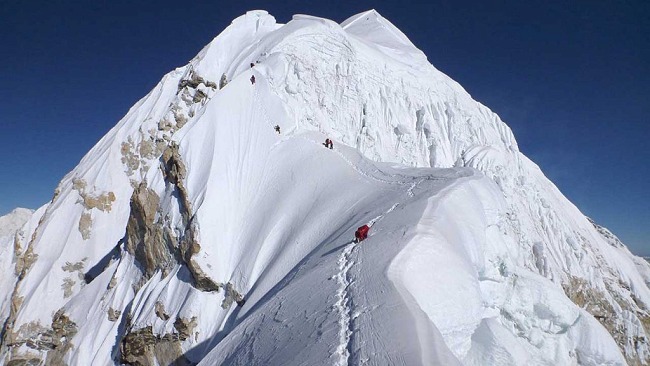
Summit day: The team leaves around 2 AM, ropes up on the Mera Glacier, and uses fixed rope and jumars on the final steeper section. The page says climbers spend only 5 to 10 minutes on top before descending.
Cost: What Is and Is Not Included
Pricing on the trip page:
| Group size | Price per person |
|---|---|
| 1 to 2 | US$2,200 |
| 3 to 10 | US$2,120 |
| 11 to 20 | US$1,950 |
| Headline / fixed departures | US$2,000 |
The headline price and the group table do not fully match, so confirm your exact price before booking.
Included: airport transfers, 2 nights in a 3-star Kathmandu hotel, Kathmandu to Lukla flights, waterproof duffel, three meals daily on trek and climb, licensed climbing guide plus assistants and porters, climbing and park permits, wages and insurance for staff, a basic medical kit, camping facilities and kitchen at base camp and high camp, climbing instruction and a farewell dinner.
Not included: international flights, Nepal visa, Kathmandu meals except the farewell dinner, travel and evacuation insurance, personal climbing gear (boots, crampons, ice axe, harness, helmet and similar), bottled water, hot showers, Wi-Fi, laundry, extra baggage fees, summit bonus and tips.
Best Time to Climb Mera Peak
- Autumn (September to November): Stable weather and clear skies. Fixed departures start in October 2026.
- Spring (March to May): Warmer, with good conditions and longer days.
- Winter and monsoon: Cold, snowy or wet, and generally not recommended.
The company lists fixed departures from October 2026 through January 2027, so check current availability.
Why Choose Unique Sherpa Trek & Expedition?
Unique Sherpa Trek & Expedition is a Kathmandu-based company with a TripAdvisor presence and affiliations listed with the Nepal Tourism Board, NMA and TAAN. The Mera Peak page shows 5-star reviews, including from climbers who summited in April 2026. Review counts are small, so ask for references. The company also publishes a Nepal travel update on 2026 floods, trekking and climbing, which is worth reading before you travel. If you want a trek without the summit, see the Mera Peak Trek.
Mera Peak Climbing FAQs
1. How much does Mera Peak climbing cost?
The trip page lists US$2,000 per person as the headline price, with group pricing of US$2,200 (1 to 2 people), US$2,120 (3 to 10) and US$1,950 (11 to 20). Because these numbers do not line up perfectly, confirm your exact quote.
The price covers permits, guides, porters, domestic flights, meals during the trek and climb, camping at base and high camps, and a Kathmandu hotel for two nights. Budget separately for international flights, visa, travel insurance with evacuation cover, personal technical gear (or rental), tips, summit bonus, drinks, showers, charging and Kathmandu meals. The company suggests a general tipping guideline of around 15%.
2. Is Mera Peak difficult, and is it suitable for beginners?
Mera Peak is considered non-technical but physically demanding. The FAQ describes it as moderately challenging, while the trip facts rate it challenge/adventure. The difficulty comes from altitude, cold, long days and the 2 AM summit push, not from steep rock climbing.
It suits fit trekkers with some previous high-altitude trekking experience, and the company describes it as accessible to adventurous beginners with good fitness. You should be comfortable walking 5 to 8 hours a day on consecutive days. Glacier travel with crevasses, a final fixed-rope section and cold at over 6,000 m mean you should take the training day seriously and follow your guide's instructions.
3. Do I need a guide, and is a porter included?
Yes, a guide is essential. The page states that it is highly recommended to climb with experienced guides, and the package includes a licensed climbing guide, an assistant guide and a personal guide according to group size. Glacier travel, route-finding and weather decisions are not things to attempt alone.
Porters are also included according to group size, with wages and insurance covered, and a waterproof duffel is carried for you. The exact ratio is not stated, so ask. Also ask whether porters carry gear to high camp, and what the weight limit is. As a general rule, aim for about 10 to 12 kg per climber in the duffel and keep within the 15 kg Lukla flight allowance.
4. How many days does Mera Peak climbing take?
The trip page is inconsistent. The headline says 11 days, the itinerary and fixed departures list 14 days, and the FAQ says 15 to 18 days. The detailed 14-day itinerary includes arrival and departure days in Kathmandu, six trekking days to Khare, a training and acclimatization day, a high camp day, a summit day and a four-day return including the flight to Kathmandu.
Ask the company to confirm exactly which version you are booking. Whatever the plan, build extra buffer days into your schedule for weather and flight delays, especially around Lukla.
5. What is the best time to climb Mera Peak?
The best seasons are spring (March to May) and autumn (September to November). Autumn offers stable weather and clear skies. Spring is warmer with longer days, though afternoon clouds are more common. Winter brings extreme cold and wind, and the monsoon brings rain and poor visibility.
Himalayan weather changes quickly, so even in the best seasons the summit decision depends on conditions on the day. The company lists fixed departures from October 2026 onward, so you can choose a date that suits your fitness and schedule.
6. What permits do I need for Mera Peak?
You need a Mera Peak climbing permit from the Nepal Mountaineering Association and entry permits for the national park and local area. The package says it covers the climbing permit, the Sagarmatha National Park entry permit, TIMS where required and all applicable government fees. Permit rules in the Everest region have changed over the years, so ask the team to confirm exactly which permits are arranged.
For current fee information, see the company's peak climbing permit fees page. You only need to provide your passport and details, and keep your documents in waterproof storage.
7. How high is Mera Peak, and what is summit day like?
Mera Peak has three summits: Mera South (about 6,065 m), Mera Central (about 6,461 m) and Mera North (about 6,476 m). The trip page quotes 6,476 m as the elevation but also says the climb targets Mera Central, so quoted heights vary. Either way, you are well above 6,000 m.
Summit day starts around 2 AM from high camp at about 5,780 m. You rope up and cross the Mera Glacier by headlamp, with a gradual climb and a steeper final section where fixed rope and jumars are used. Climbers typically reach the top around 9 to 10 AM, spend only a few minutes there, and descend. The whole day takes 8 to 10 hours. Views include Everest, Lhotse, Makalu, Cho Oyu and Kanchenjunga, depending on weather.
8. How do I avoid altitude sickness on Mera Peak?
The itinerary has a gradual approach and one acclimatization and training day at Khare, but the schedule is not slow. For example, Day 6 gains about 700 m from Thangnak (4,357 m) to Khare (5,057 m), and Day 8 gains about 700 m again to high camp. Take these steps:
- Walk slowly, drink plenty of fluids and eat well.
- Avoid alcohol and tell your guide about headaches, nausea, dizziness or unusual fatigue early.
- Ask whether oximeter checks are done daily.
- Ask your doctor about altitude medication before you travel.
- Consider asking for an extra buffer or acclimatization day.
- If symptoms worsen, descend. That is the cure.
The page notes that guides carry first aid and have evacuation procedures, but your insurance must cover helicopter evacuation.
9. What gear do I need, and can I rent it?
The package does not include personal technical gear. You need mountaineering boots, crampons, an ice axe, harness, helmet, carabiners, ascender and descender, and personal clothing such as a down jacket, shell layers, insulated gloves, a four-season sleeping bag, glacier glasses and goggles, gaiters and a headlamp. The company's gear list recommends a sleeping bag rated around -20°C or lower.
The page says rental outlets exist in Kathmandu and at Khare, so you do not have to buy everything. Make sure boots and crampons are compatible and fitted before you start, and practice putting crampons on. Ask the company what group equipment it supplies, such as ropes, tents and cooking gear. The package lists camping facilities at base camp and high camp.
10. How fit do I need to be, and what insurance should I carry?
You should be able to walk 5 to 8 hours a day for several days in a row, with good cardiovascular fitness. Train for 8 to 12 weeks beforehand with hiking, stair climbing with a loaded pack, running or cycling, and strength work for legs and core. Previous trekking at altitude is a big advantage.
Insurance is mandatory in practice. The package excludes rescue, evacuation and medical costs, so you need a policy that specifically covers high-altitude mountaineering up to at least 6,500 m and emergency helicopter evacuation. Read the fine print, as some policies exclude peak climbing or set altitude limits. Also check that it covers trip cancellation and medical expenses. Carry your policy details in waterproof storage.
Final Thoughts
Mera Peak is a rewarding first Himalayan summit if you respect the altitude. A skilled climbing guide, a well-supported porter team, a sensible acclimatization plan and the right gear matter far more than bravado. Ask detailed questions about guide ratios, porter arrangements and buffer days, and choose a departure that gives you flexibility.
Ready to plan? See dates, prices and the full itinerary on the Mera Peak Climbing page, message Unique Sherpa Trek & Expedition on WhatsApp at +977 9862854770, or email info@uniquesherpatrek.com.
.jpg)