


Mt. Himlung Expedition: Cost, Route, Difficulty & Complete Climbing Guide (2027/2028)
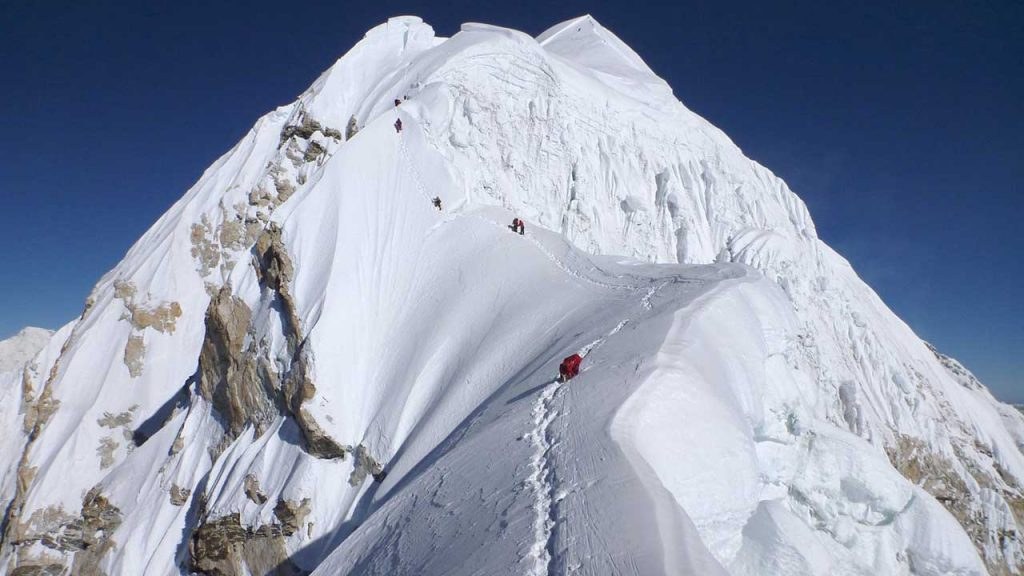
Table of Contents
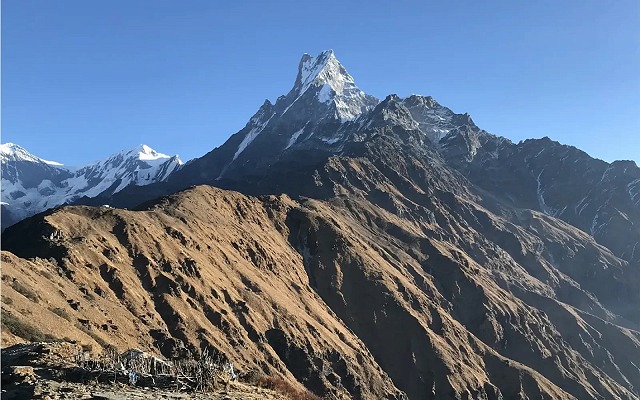
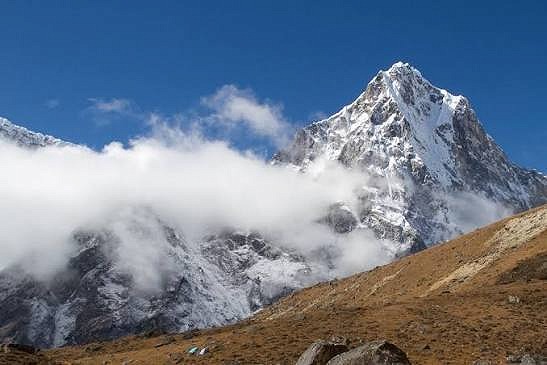
Rising to 7,126 meters (23,379 ft) on the remote border between the Manaslu and Annapurna regions, Himlung Himal has earned a reputation as one of the most strategic peaks in the Nepal Himalaya. It's widely considered the most accessible of the world's 7,000-meter mountains — a genuine high-altitude expedition with fewer technical demands than most peaks its size, making it the go-to training ground for climbers preparing for Everest, Manaslu, or other 8,000-meter objectives.
This guide covers everything a climber needs before committing: cost, route, difficulty, permits, best season, and the ten questions climbers ask most. Full trip details and departure dates are available through Unique Sherpa Trek & Expedition's Himlung Expedition page.
Why Climb Himlung Himal?
Himlung lies in the remote Nar Phu Valley, one of Nepal's most secluded and culturally rich restricted regions, sharing a border with Tibet via its subsidiary peak, Himlung East. Since Swiss mountaineer Kari Kobler opened a safer standard route in 2013, Himlung has become one of the most climbed 7,000-meter peaks in the world, with a strong summit success rate.
Highlights of the expedition:
- A relatively low-technical route for a 7,000m peak — safer from avalanche and rockfall exposure than many comparable mountains
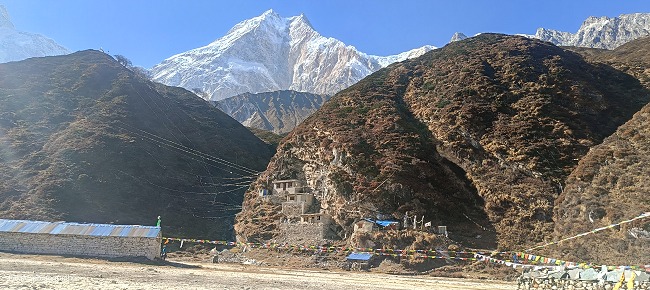
- A trek through the ancient, Tibetan-influenced villages of Nar and Phu, rarely visited outside this expedition route
- Sweeping views of Annapurna II, Gangapurna, Tilicho, and the Manaslu range along the approach
- Recognized as an ideal preparation climb for Everest — Nepal's government now requires climbers to have summited at least one 7,000m peak before applying for an Everest permit, and Himlung has become a top choice for meeting that requirement
- A far quieter, more authentic mountain experience than the crowded trails of Everest or Manaslu
Route Overview
The journey to Himlung Base Camp follows the classic Annapurna approach road to Koto, then turns into the restricted Nar-Phu Valley.
Approach: Kathmandu → drive to Koto (via Besisahar/Chame) → trek through the Nar-Phu Valley → Phu Gaon → Base Camp (4,900m)
Climbing section: From Base Camp, climbers progress through three higher camps before the summit push:
- Camp I – approx. 5,425–5,450m
- Camp II – approx. 5,900–6,000m
- Camp III – approx. 6,300–6,350m
- Summit – 7,126m
The final push to the summit involves a steep, icy section requiring technical climbing skills — fixed ropes, crampons, and careful glacier navigation — though the route overall is considered one of the least technically demanding among 7,000-meter peaks.
Descent: Climbers retrace the route back to Base Camp, then trek out through the Nar-Phu Valley to Koto before driving back to Kathmandu.
Mt. Himlung Expedition Itinerary
Mt. Himlung Expedition – Detailed 27-Day Itinerary
| Day | Route | Distance | Duration | Altitude |
|---|---|---|---|---|
| Day 1 | Arrival in Kathmandu, transfer to hotel | — | — | 1,396 m |
| Day 2 | Sightseeing in Kathmandu & climbing preparation | 10–15 km | 5–6 hrs | 1,396 m |
| Day 3 | Drive from Kathmandu to Chamje | 230 km | 8–9 hrs | 1,410 m |
| Day 4 | Trek from Chamje to Dharapani | 15 km | 6–7 hrs | 1,960 m |
| Day 5 | Trek from Dharapani to Koto | 18 km | 6–7 hrs | 2,600 m |
| Day 6 | Trek from Koto to Singenge | 13 km | 6–7 hrs | 3,230 m |
| Day 7 | Trek from Singenge to Kyang | 14 km | 6–7 hrs | 4,100 m |
| Day 8 | Trek from Kyang to Phu | 12 km | 5–6 hrs | 4,580 m |
| Day 9 | Exploration day – Phu Valley, Samdu, Choling & Tashi Monastery | 5–8 km | 3–4 hrs | 4,580 m |
| Day 10 | Trek from Phu to Himlung Himal Base Camp | 8 km | 4–5 hrs | 4,842 m |
| Day 11 | Rest & acclimatization at Base Camp | — | — | 4,842 m |
| Day 12 | Climb from Base Camp to Camp I | 5 km | 5–6 hrs | 5,450 m |
| Day 13 | Climb Camp I to Camp II and return to Base Camp | 10 km | 8–10 hrs | 6,000 m |
| Day 14 | Rest day at Base Camp | — | — | 4,842 m |
| Day 15 | Climb from Base Camp to Camp I | 5 km | 5–6 hrs | 5,450 m |
| Day 16 | Climb from Camp I to Camp II | 4 km | 4–5 hrs | 6,000 m |
| Day 17 | Climb from Camp II to Camp III | 3 km | 3–4 hrs | 6,250 m |
| Day 18 | Summit Himlung Himal (7,126m), descend to Camp III | 8 km | 10–12 hrs | 7,126 m |
| Day 19 | Descend from Camp III to Base Camp | 12 km | 6–7 hrs | 4,842 m |
| Day 20 | Trek from Base Camp to Phu Village | 8 km | 3–4 hrs | 4,580 m |
| Day 21 | Trek from Phu to Meta | 18 km | 6–7 hrs | 3,560 m |
| Day 22 | Trek from Meta to Koto | 17 km | 6–7 hrs | 2,600 m |
| Day 23 | Trek from Koto to Dharapani | 18 km | 6–7 hrs | 1,960 m |
| Day 24 | Trek from Dharapani to Chamje | 15 km | 5–6 hrs | 1,410 m |
| Day 25 | Drive from Chamje to Kathmandu | 230 km | 8–9 hrs | 1,396 m |
| Day 26 | Leisure day in Kathmandu – optional sightseeing & shopping | — | — | 1,396 m |
| Day 27 | International departure from Kathmandu | — | — | 1,396 m |
Total Duration: 27 Days
Maximum Altitude: 7,126 m (Himlung Himal Summit)
Route Type: Nar-Phu Valley approach + high-altitude expedition climb
Exact durations vary by operator and season. Unique Sherpa Trek & Expedition can tailor the rotation schedule, group size, and support level — check the official Himlung Expedition page for confirmed 2026/2027 departures.
Mt. Himlung Expedition Cost (2026/2027)
Himlung pricing depends heavily on group size, season, and service level.
| Group Size | Approximate Cost (USD, per person) |
|---|---|
| Solo climber | $9,000 – $9,500+ |
| Group of 2–4 | $7,000 – $8,500 |
| Group of 5+ | $6,500 – $7,500 |
What's typically included:
- Kathmandu hotel stays and airport transfers
- Ground transport to/from Koto
- All trekking permits (Nar-Phu restricted area, ACAP, TIMS)
- Himlung climbing permit (royalty fee)
- Experienced climbing Sherpa guide, base camp crew, and porters
- Full base camp setup — sleeping, dining, kitchen, and toilet tents, solar charging
- Meals during trekking and at base camp
Not usually included: international flights, Nepal visa, personal climbing gear, travel/rescue insurance, and personal expenses.
Permit Costs Breakdown
The Himlung climbing permit (royalty fee) varies by season — around USD 500 per person in spring, USD 250 in autumn, and USD 125 in winter and monsoon. Because the route passes through the restricted Nar-Phu Valley, an additional special area permit applies, running roughly USD 100 per person per week in spring and autumn, and USD 75 per week in winter and monsoon, on top of a standard service processing fee.
Difficulty Level
Himlung Himal is graded Himalayan Grade IV (PD – snow and ice) on the international alpine scale, and is widely regarded as one of the least technical 7,000-meter peaks in Nepal.
What makes it moderate rather than extreme:
- A well-established, comparatively safer standard route since 2013
- Lower avalanche and rockfall exposure than most peaks of similar altitude
- A summit success rate higher than most other 7,000m mountains in Nepal
What still makes it a serious undertaking:
- Summit altitude of 7,126m, with real risk of altitude sickness and extreme cold
- A steep, icy final summit section requiring fixed-rope climbing skills
- Glacier travel with crevasse risk across multiple camps
- A long expedition timeline (26+ days) demanding sustained physical and mental endurance
Who it suits: Climbers with prior high-altitude trekking or peak-climbing experience (such as Island Peak, Mera Peak, or a trekking peak like Tharpu Chuli), solid crampon and fixed-rope technique, and strong cardiovascular fitness. It's frequently used by climbers as a stepping stone toward Everest or Manaslu.
Best Season to Climb Himlung
| Season | Conditions |
|---|---|
| Spring (Mar–May) | Most popular — stable weather, good snow conditions |
| Autumn (Sept–Nov) | Excellent visibility, lower permit fees than spring |
| Winter (Dec–Feb) | Extreme cold, rarely attempted |
| Monsoon (Jun–Aug) | Not recommended — poor visibility, unstable snow |
Spring and autumn remain the two viable climbing windows, with most commercial expeditions scheduled around these seasons for both safety and summit success rate.
Permits Required
- Nar-Phu Restricted Area Permit
- Annapurna Conservation Area Permit (ACAP)
- TIMS Card
- Himlung Himal Climbing Permit (royalty fee), issued by Nepal's Department of Tourism
All permits are arranged by your expedition operator as part of the full package, and international climbers must be accompanied by a licensed guide throughout the restricted area.
Essential Preparation & Packing Tips
- Technical gear: mountaineering boots (double boots recommended above Base Camp), crampons, ice axe, climbing harness, ascender/jumar, helmet
- Clothing: high-altitude down suit or jacket, insulated gloves, thermal layering system
- Sleeping: four-season sleeping bag rated to at least -30°C for the higher camps
- Health: Diamox (consult your doctor), comprehensive high-altitude rescue and evacuation insurance, personal first-aid kit
- Training: at least 3–4 months of cardiovascular and strength training, ideally including prior rotations on a trekking peak or lower 6,000m mountain
- Extras: headlamp with spare batteries, satellite communication device where permitted, high-SPF sunscreen and glacier glasses
FAQs About the Mt. Himlung Expedition
1. How high is Himlung Himal?
Himlung Himal stands at 7,126 meters (23,379 ft), making it one of Nepal's accessible 7,000-meter peaks and a recognized training objective for future 8,000m expeditions.
2. How difficult is the Himlung Himal expedition?
It's graded Himalayan Grade IV (PD) and is considered one of the least technical 7,000-meter climbs in Nepal, though it still involves glacier travel, fixed-rope sections, and a steep icy summit push demanding real mountaineering skill.
3. How much does the Himlung Himal expedition cost?
Expect to pay roughly $6,500–$8,500 per person for a group departure, or upwards of $9,000 for a solo climb, depending on operator, group size, and service level. See current package pricing on the Unique Sherpa Trek & Expedition trip page.
4. How long does the Himlung expedition take?
Most itineraries run 26 to 28 days from Kathmandu to Kathmandu, including the Nar-Phu Valley approach trek, acclimatization rotations, the summit push, and return.
5. Do I need prior climbing experience?
Yes. While Himlung is one of the more attainable 7,000m peaks, it's not a beginner mountain. Prior experience on a trekking peak (such as Island Peak, Mera Peak, or Tharpu Chuli) and solid fixed-rope and crampon technique are strongly recommended.
6. What permits are required for Himlung Himal?
Climbers need a Nar-Phu Restricted Area Permit, an ACAP permit, a TIMS card, and a Himlung climbing permit (royalty fee), which varies by season and is arranged through a registered expedition operator.
7. What is the best season to climb Himlung Himal?
Spring (March–May) and autumn (September–October) are the two established climbing windows, offering the most stable weather and safest summit conditions.
8. Why is Himlung Himal used as an Everest preparation climb?
Nepal's government now requires climbers to have summited at least one 7,000m peak before applying for an Everest permit, and Himlung's safer route, high success rate, and manageable logistics have made it one of the most popular peaks for meeting that requirement.
9. Where is Himlung Himal located?
Himlung sits in the remote Nar-Phu Valley, between the Manaslu and Annapurna ranges in northwestern Nepal, near the Tibet border.
10. Is a guide mandatory for the Himlung expedition?
Yes. Because the route passes through the restricted Nar-Phu Valley, international climbers must be accompanied by a licensed guide, and permits can only be issued through a registered trekking/expedition agency.
Ready for Your Himlung Himal Summit?
Himlung Himal offers a rare combination in the Himalaya: genuine 7,000-meter mountaineering, a comparatively safer and less technical route, and passage through one of Nepal's most untouched valleys. Whether you're targeting it as a standalone summit or as a stepping stone toward Everest or Manaslu, it delivers a serious, authentic expedition experience. For full itinerary details, current departure dates, and booking, visit Unique Sherpa Trek & Expedition: https://www.uniquesherpatrek.com/trip/himlung-expedition
.jpg)