


Mera Peak Expedition Food, Accommodation & Facilities: What to Expect
Table of Contents
Introduction: Comfort on a Remote Himalayan Climb
Mera Peak (6,476 m) is a wilderness expedition. The route runs through the quiet Hinku Valley, where villages are few, teahouses are basic and the last part of the climb is spent in tents on a glacier. Knowing what you will eat, where you will sleep and which facilities exist (and which do not) helps you pack properly, budget sensibly and arrive mentally prepared.
This guide explains food, accommodation and facilities on the Unique Sherpa Trek & Expedition Mera Peak package, stop by stop, followed by the top 10 questions climbers ask.
Quick Overview: Food, Lodging and Facilities
| Topic | What the package offers |
|---|---|
| Kathmandu hotel | 2 nights in a 3-star hotel, bed and breakfast |
| Trek accommodation | Local teahouses and lodges on the approach |
| Base camp and high camp | Camping, with sleeping, kitchen, dining and toilet tents |
| Meals on trek and climb | Breakfast, lunch and dinner daily, with tea or coffee |
| Dessert | Seasonal fresh fruit after dinner, subject to availability |
| Kathmandu meals | Breakfast only, plus a farewell dinner (other lunches and dinners not included) |
| Luggage | Waterproof duffel carried by a porter |
| First aid | Basic medical kit carried by the climbing team |
| Not included | Hot showers, Wi-Fi, charging, bottled water, drinks, laundry (where charged) |
Accommodation: Where You Will Sleep
Kathmandu (Days 1, 13 and 14)
Your package includes 2 nights in a 3-star Kathmandu hotel with breakfast, with airport pickup and drop-off. Hotels are typically in or near Thamel. Extra nights caused by early arrival, flight delays or an early return are not included, so budget for a spare night around the Lukla flights.
The Trek: Teahouses and Lodges (Days 2 to 6, and 10 to 12)
On the approach and return, you stay in local teahouses in a remote part of the Everest region. The itinerary labels these nights "Hotel," but the day-by-day text refers to teahouses, so expect simple mountain lodges rather than hotels.
What to expect in a typical Himalayan teahouse:
- Small twin rooms with basic beds and mattresses
- Shared toilets (often outside the room)
- A communal dining room, usually heated by a stove in the evening
- Cold rooms at night, so bring a warm sleeping bag
- Walls that are thin, so bring earplugs
The route passes several stops with very different levels of facilities:
| Stop | Altitude | What to expect |
|---|---|---|
| Chhutanga | 3,110 m | A couple of stone houses surrounded by cliffs; simple teahouse |
| Thuli Kharka | 4,300 m | Yak herders' camp area with only a couple of teahouses |
| Kothe | 3,691 m | Peaceful riverside settlement and an important overnight stop |
| Thangnak | 4,357 m | Teahouse with close views of Charpati Himal |
| Khare (Mera Peak Base Camp) | 5,057 m | A couple of teahouses plus climbing gear and equipment outlets |
| Lukla | 2,840 m | Last night of the trek, with a hot shower and a small celebration party |
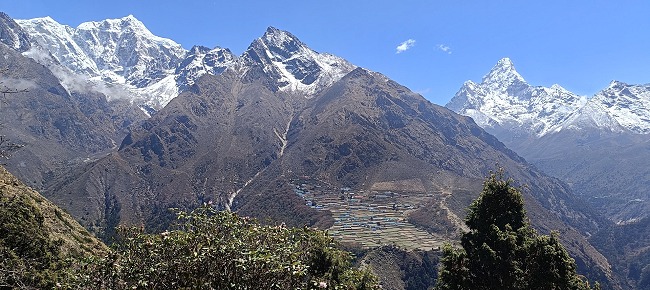
Above the treeline there are no major villages, only seasonal grazing meadows and a few lodges. Facilities become simpler the higher you go.
Khare: Base Camp Lodge (Days 6 and 7)
At Khare (about 5,057 m), you sleep in a teahouse lodge. The itinerary includes a rest and acclimatization day with climbing training. Khare has gear and equipment rental outlets, so you can rent items you forgot or do not own.
Mera High Camp: Tents (Day 8)
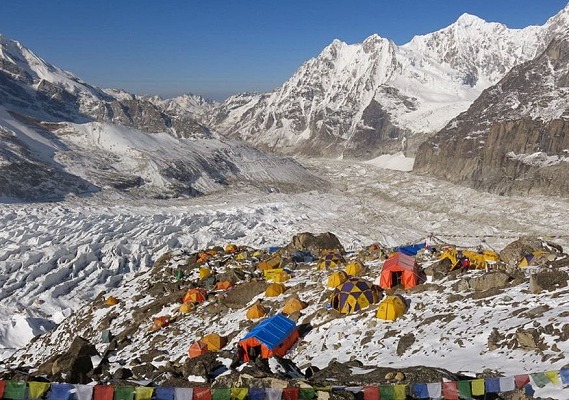
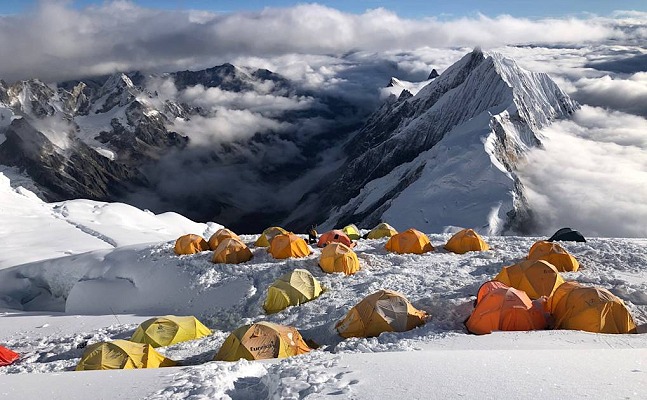
On Day 8 you hike to Mera High Camp (about 5,780 m) and sleep in tents. The package includes complete camping facilities at base camp and high camp:
- Sleeping tents
- Kitchen tent
- Dining tent
- Toilet tents
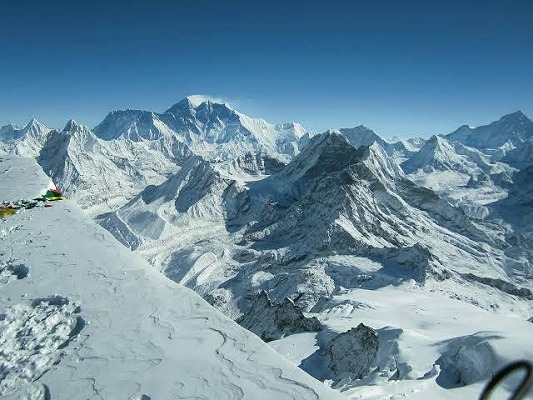
This is the most basic and coldest night of the trip. The page notes the camp offers views of five of the 14 eight-thousanders, including Everest, Lhotse, Makalu and Cho Oyu, depending on weather. Prepare for freezing temperatures and cold, sleepless nights at high altitude.
Sleeping Gear
The page recommends a four-season sleeping bag rated around -20°C or lower, plus an insulated sleeping mat and a liner. The package does not list a sleeping bag or mat as included, so ask the company whether you can borrow or rent them.
Food: What You Will Eat
Meals Included
According to the package, you receive:
- Breakfast, lunch and dinner every day during the trekking and climbing period
- Tea and coffee with meals
- Seasonal fresh fruit as dessert after dinner, subject to availability
- Food prepared by a kitchen crew at base camp and high camp
- A farewell dinner in Kathmandu with tea and coffee
What the Food Is Like
The page does not publish a menu, but teahouse and camp menus in the Everest region typically include:
- Breakfast: eggs, porridge, toast, pancakes, tea or coffee
- Lunch and dinner: dal bhat (rice, lentils and vegetables), noodles, fried rice, soup, pasta, momos (dumplings) and potato dishes
- Hot drinks: tea, coffee, hot lemon and soup, which the crew serves at high camp
Dal bhat is a reliable choice for energy, and most lodges offer refills. Camp meals at high camp are prepared by your cook and kitchen team, so expect hot, simple food such as soup, rice and noodles.
Food in Kathmandu
Only breakfast is included in the hotel and the farewell dinner is provided. Lunches and dinners in Kathmandu are not included, so plan for those costs.
Appetite at Altitude
Many climbers lose their appetite above 4,500 m. Eat even when you are not hungry, because energy matters for summit day. Bring snacks you actually enjoy, such as energy bars, nuts, dried fruit, chocolate and electrolyte drinks.
Dietary Needs
The page does not list special diets. If you are vegetarian, vegan or have allergies, tell the company well before departure and again to your guide on day one. Many teahouse dishes are vegetarian, but options become limited at high altitude.
Facilities: What Is and Is Not Available
Toilets
- Kathmandu: private bathrooms in your hotel.
- Teahouses: usually shared, basic toilets, often squat style, and sometimes outside the building.
- Base camp and high camp: toilet tents are provided in the package.
- Carry toilet paper, hand sanitizer and wet wipes, and expect little privacy.
Hot Showers
The package lists hot showers as an extra cost where available. There is a hot shower at Lukla at the end of the trek, but showers are limited or unavailable at higher lodges, and you will go without them at high camp. Bring wet wipes and a quick-dry towel.
Electricity and Charging
Charging is charged separately in teahouses, usually by the hour or by the device. Power is often solar and can be unreliable at altitude. Bring a 10,000 to 20,000 mAh power bank, and keep batteries warm inside your jacket because cold drains them fast.
Wi-Fi and Phone Signal
Wi-Fi is not included and costs extra where it exists. Connectivity is limited in the Hinku Valley and is very unlikely at high camp. Download offline maps, music and books before you leave, and tell family to expect gaps in contact.
Gear Rental and Shops
Khare has climbing gear and equipment outlets, and rentals are also available in Kathmandu. You can rent items such as boots, crampons, ice axe, harness and helmet, but check sizes and condition before you go up. The package does not include personal technical gear.
Medical and Safety
- A basic first-aid kit is carried by the climbing team.
- Guides are trained in first aid, and the page mentions communication devices such as satellite phones or radios for emergencies.
- Rescue, evacuation and medical costs are not included, so you need travel insurance that explicitly covers high-altitude mountaineering and helicopter evacuation.
Luggage and Porters
You receive a 100% waterproof duffel bag, carried by a porter, and you carry a daypack with water, layers, snacks, camera and valuables. The Kathmandu to Lukla flight has a 15 kg baggage limit, so pack light and leave extras at your hotel.
Flights and Logistics
The itinerary notes you will fly from Kathmandu to Lukla, or drive to Ramechhap and fly from there if you cannot get the first flight. Add a buffer day at the end of your trip for flight delays.
Cost Notes: What You Will Pay Extra For
| Item | Typical situation |
|---|---|
| Lunch and dinner in Kathmandu | Not included |
| Bottled or boiled drinking water | Not included (bring purification tablets) |
| Hot showers | Extra where available |
| Wi-Fi and device charging | Extra |
| Alcohol, soft drinks, energy drinks | Extra |
| Laundry | Extra |
| Personal climbing gear | Not included; rentals available |
| Summit bonus and tips | Not included; the company mentions around 15% as a guideline |
| Travel insurance and evacuation | Not included |
The headline price is US$2,000 per person, with group pricing of US$2,200 (1 to 2 people), US$2,120 (3 to 10) and US$1,950 (11 to 20). Confirm your exact price before booking.
Practical Tips for Eating and Sleeping Well
- Eat little and often. Aim for carbohydrates and warm food at every meal.
- Drink 3 to 4 liters of fluids a day. Use purification tablets for refilled bottles and drink hot tea.
- Carry an insulated bottle so water does not freeze at high camp.
- Use a hot water bottle inside your sleeping bag at night (ask the kitchen crew to fill one).
- Bring a sleeping bag liner and warm socks to improve warmth.
- Pack earplugs and an eye mask for noisy lodges and bright mornings.
- Keep electronics warm inside your clothing.
- Wash hands often to avoid stomach problems, which are common in the mountains.
- Tell your guide about any stomach issue or loss of appetite immediately, since they can be early signs of altitude problems.
A Note on the Itinerary Details
A few details on the source page are inconsistent: the trip headline says 11 days, while the itinerary and fixed departures say 14 days, and the FAQ says 15 to 18. Some accommodation labels show "Hotel" for stops that the text describes as teahouses or tents, and the summit day mentions descending to both Khare and High Camp. Ask the company to confirm the exact route, number of nights and where you sleep after the summit. You can also read the company's Nepal travel update on 2026 flood, trekking and climbing before you travel.
Mera Peak Expedition Food, Accommodation & Facilities FAQs
1. What food is served on the Mera Peak expedition?
You receive breakfast, lunch and dinner every day during the trek and climb, plus tea or coffee with meals and seasonal fresh fruit after dinner. Meals are cooked in teahouses on the approach and by your own kitchen crew at base camp and high camp.
The page does not publish a menu, but typical offerings include eggs, porridge and toast for breakfast, and dal bhat, noodles, fried rice, soup, pasta, momos and potatoes for lunch and dinner. Food is simple, hot and carbohydrate-rich, which suits high-altitude climbing. Bring your own snacks for energy and comfort.
2. What is the accommodation like on Mera Peak?
You spend two nights in a 3-star Kathmandu hotel with breakfast, then stay in local teahouses along the Hinku Valley, then in tents at high camp. Teahouses are basic, with twin rooms, simple beds, shared toilets and a heated dining room in the evening. Rooms are cold at night.
The page describes accommodation as "best available," and facilities get simpler the higher you go. Chhutanga and Thuli Kharka have only a couple of lodges, while Khare has teahouses and gear outlets. Expect comfort levels to be far below a hotel, and prepare accordingly.
3. Where do you sleep at base camp and high camp?
At Khare (about 5,057 m), which the page calls Mera Peak Base Camp, you sleep in a teahouse lodge. At Mera High Camp (about 5,780 m) you sleep in tents. The package includes sleeping tents, a kitchen tent, a dining tent and toilet tents at base camp and high camp, along with kitchen and food service.
The high camp night is the coldest and most basic of the trip. You will need a four-season sleeping bag (rated around -20°C or lower), an insulated mat, warm clothing and a hot water bottle. Sleep is often poor at 5,800 m, so rest as much as you can.
4. Are all meals included in the Mera Peak package?
Not all. Included: breakfast, lunch and dinner during the trekking and climbing period (tea and coffee with meals, and fruit after dinner), breakfast at the Kathmandu hotel and a farewell dinner.
Not included: lunch and dinner in Kathmandu (except the farewell dinner), meals in case of an early return or delay, bottled water, soft drinks, alcohol, energy drinks and any extra snacks. Budget for these separately, and bring your own trail snacks.
5. Is drinking water provided, and is it safe?
The package does not list bottled or boiled water as included, and drinking water is an extra cost. Teahouses sell boiled or filtered water by the liter, and prices rise with altitude. Many climbers carry purification tablets or a filter to treat water from taps and streams, which is cheaper and reduces plastic waste.
Drink 3 to 4 liters a day, including hot tea and soup. Carry an insulated bottle, as water freezes at high camp. Never drink untreated stream water, even if it looks clean.
6. Are there hot showers and toilets on the trek?
In Kathmandu, your hotel has private bathrooms. On the trek, teahouse toilets are shared and basic, often squat style and sometimes outside. At base camp and high camp, the package provides toilet tents.
Hot showers are an extra cost where available and are limited in the Hinku Valley. The itinerary mentions a hot shower at Lukla on the last night. Above Khare, there are none. Carry wet wipes, hand sanitizer, a quick-dry towel and toilet paper.
7. Can I charge devices, and is there Wi-Fi or phone signal?
Charging is available in some teahouses for an extra fee, usually by the hour or per device, and power can be unreliable because it is often solar. Wi-Fi is not included, and where it exists it costs extra and is slow. There is little to no connectivity at high camp.
Bring a 10,000 to 20,000 mAh power bank, keep it warm inside your jacket, download offline maps and music, and tell family to expect gaps in communication. In emergencies, the guide team has communication devices such as radios or satellite phones.
8. What if I am vegetarian, vegan or have food allergies?
The page does not list dietary options, so tell Unique Sherpa Trek & Expedition well before departure and remind your guide at the start of the trip. Many teahouse dishes, such as dal bhat, vegetable noodles, fried rice and potato dishes, are naturally vegetarian, but choices narrow at high altitude and in remote lodges.
If you have a serious allergy, bring your own medication, explain it clearly to the cook and lodge staff, and carry safe snacks. Wash hands before eating and avoid risky foods such as raw salads and unpeeled fruit to reduce stomach problems.
9. Will I be warm enough, and what sleeping gear do I need?
Nights are cold, especially at Thuli Kharka (4,300 m), Thangnak, Khare and high camp. The page recommends a four-season sleeping bag rated -20°C or lower, an insulated sleeping mat and a liner. Teahouse rooms are unheated, so a good sleeping bag matters from the first night above 3,500 m.
Other tips: wear thermal base layers to bed, use a hot water bottle, keep tomorrow's clothes inside your sleeping bag so they are warm, and bring a warm hat. The package does not list a sleeping bag or mat as included, so ask the company whether you can borrow or rent one.
10. What extra costs should I budget for food, lodging and facilities?
Budget for lunches and dinners in Kathmandu, bottled or boiled water, hot showers, device charging, Wi-Fi, laundry, soft drinks, alcohol, snacks and tips. The company mentions a general tipping guideline of around 15% and a separate summit bonus for climbing staff, neither of which is included. Also plan for personal climbing gear or rentals, travel insurance with high-altitude evacuation cover, and an extra night in Kathmandu if flights are delayed.
The headline price is US$2,000 per person, with group discounts. Carry enough Nepali rupees, as there are no ATMs in the mountains.
Final Thoughts
Mera Peak rewards climbers who accept simple living. Expect basic teahouses, hot but plain meals, cold nights and few luxuries, in return for quiet valleys, Sherpa hospitality and a summit view over five of the world's 8,000 m peaks. Pack warm, eat well, drink plenty and keep a sense of humor, and the conditions become part of the adventure.
Ready to plan? See dates, price and the full itinerary on the Mera Peak Climbing page, message Unique Sherpa Trek & Expedition on WhatsApp at +977 9862854770, or email info@uniquesherpatrek.com. If you want to experience the region without the summit climb, see the company's Mera Peak Trek, or compare the Island Peak Climbing option.
.jpg)