

Mera Peak Expedition Gear List: Essential Clothing, Equipment & Packing Tips
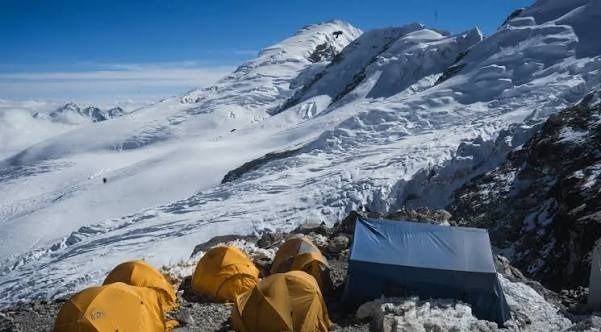
Table of Contents
At 6,476 m, Mera Peak is one of the highest trekking peaks in Nepal, and the right gear decides how your summit day goes.
The climb isn’t technically extreme. But the cold is, and so is the altitude. You’ll start at about 2 AM in the dark, rope up on the glacier and climb into thin air. Cold hands, a leaking boot or a flat headlamp can end an expedition that months of training prepared you for.
This guide gives you the complete gear list, plus what to rent, what to buy and how to pack it all, so you land in Kathmandu ready for the mountain.
Planning your climb? See the full itinerary, dates and prices for Mera Peak Climbing with Unique Sherpa Trek & Expedition.
First, Know What Your Package Provides
Before you buy anything, confirm what’s included. With the Unique Sherpa Mera Peak package:
Provided by the team:
- Waterproof duffel bag (carried by porters)
- Sleeping tents, kitchen tent, dining tent and toilet tent at Base Camp and High Camp
- Climbing guide, assistant guides and porters
- Technical instruction, including crampon use, ice-axe technique and rope work
- Group climbing equipment as part of the package
- Basic first-aid kit
- T-shirt and cap
Personal gear you bring or rent:
- Mountaineering boots, crampons, ice axe, harness and helmet
- Carabiners, ascender, descender, Prusik loops and slings
- All clothing, sleeping bag, mat and personal items
- Backpack, headlamp, sunglasses and goggles
Personal technical gear can often be rented in Kathmandu. Khare, the last village before the climb, also has gear and equipment outlets. Always ask your operator for their current gear list.
The Golden Rule: The Layering System
Himalayan weather swings from warm sun to freezing wind within hours. Instead of one heavy jacket, you wear layers you can add or remove:
Base layer → Mid layer → Insulation → Shell
- Base: thermal, moisture-wicking top and bottom (merino or synthetic)
- Mid: fleece or light insulated jacket
- Insulation: down or synthetic expedition jacket
- Shell: waterproof, windproof jacket and trousers
Avoid cotton. It holds sweat, gets cold and dries slowly.
The Complete Mera Peak Gear List
1. Technical Climbing Equipment
| Item | Notes |
|---|---|
| Mountaineering boots | Warm, waterproof and crampon-compatible. Break them in first. |
| Crampons | Must fit your boots exactly. Test the pair together before you travel. |
| Ice axe | 50–60 cm for balance and self-arrest |
| Climbing harness | Adjustable, with room for layers underneath |
| Helmet | Lightweight and properly fitted |
| Ascender (jumar) | For fixed-rope sections near the summit |
| Belay or descender device | Figure-8 or ATC, as your guide advises |
| Locking carabiners | 2–3 |
| Non-locking carabiners | 1–2 |
| Slings and Prusik loop | Use only if you’re trained in their use |
| Trekking poles | Essential for the approach and descent |
Tip: Your harness must still fit comfortably over your biggest summit-day layers. Try it on with your insulated jacket.
2. Clothing
Base layers
- 2–3 quick-drying trekking T-shirts
- 2–3 sets of thermal tops and bottoms
Mid layers
- Fleece or mid-layer jacket
- 2–3 pairs of comfortable trekking trousers
Outer layers
- Down or synthetic expedition jacket for high camp and summit day
- Waterproof and windproof shell jacket
- Waterproof shell trousers
- Insulated mountaineering trousers for the summit push
3. Hands, Head and Face
- Liner gloves
- Insulated mountaineering gloves or mittens
- Warm beanie and balaclava
- Sun hat or cap
- Buff or neck gaiter
- Glacier sunglasses with UV protection
- Snow goggles for wind and snow
- Sunscreen (SPF 50+) and SPF lip balm
4. Footwear
- Broken-in trekking boots or shoes for the lower approach
- Mountaineering boots for the glacier and summit
- 4–5 pairs of trekking socks and 1–2 warm pairs
- Waterproof gaiters
- Camp shoes or sandals for evenings
5. Sleeping Gear
- Four-season sleeping bag, commonly recommended at about −20°C or lower
- Sleeping bag liner for extra warmth
- Insulated sleeping mat
Mera High Camp is at about 5,780 m, and you sleep in a tent, so don’t underestimate your sleeping system.
6. Bags
- Climbing daypack (30–40 L) for summit day
- Duffel bag (80–100 L), with a waterproof duffel provided by the team
- Waterproof dry bags to keep clothing, electronics and documents dry
7. Health and Hygiene
- Personal first-aid kit with blister plasters, antiseptic, tape and painkillers
- Prescription medicines
- Altitude medication, only if advised by your doctor
- Water purification tablets or filter
- 2–3 L of water capacity, including an insulated flask so water doesn’t freeze
- Biodegradable soap, tissues, wet wipes and hand sanitiser
- Quick-dry towel and toiletries
8. Electronics and Accessories
- Headlamp with spare batteries (essential for the 2 AM start)
- Power bank (10,000–20,000 mAh)
- Camera or smartphone
- Universal adapter
- Repair kit with spare laces, strong tape and a few safety pins
- Energy bars, nuts, chocolate and electrolyte tablets
9. Documents
- Passport, Nepal visa and passport photos
- Travel insurance covering high-altitude mountaineering and helicopter evacuation
- Emergency contacts
- Some Nepali rupees for tea, charging and tips
Rent vs. Buy: What Makes Sense?
| Rent in Kathmandu | Buy for yourself |
|---|---|
| Crampons, ice axe, harness, helmet | Base layers and socks |
| Down jacket, sleeping bag | Gloves and liners |
| Mountaineering boots, if you don’t own a pair | Sunglasses and goggles |
| Insulated trousers | Boots, if you already own a well-fitted pair |
Smart rules:
- Buy what touches your skin or must fit perfectly (socks, base layers, gloves, boots).
- Rent items you’ll rarely use again (crampons, expedition jacket, ice axe).
- Inspect all rental gear for damage, cleanliness and fit before you leave Kathmandu.
- Never rely on last-minute purchases at Khare. Selection and sizes are limited.
Packing Tips from the Trail
- Respect the Lukla flight limit. The package lists a 15 kg baggage allowance on the Kathmandu–Lukla flight, and extra weight is charged by the airline.
- Split your luggage. Keep your main belongings in the duffel, and carry only daily essentials in your daypack.
- Leave extras in Kathmandu. Your hotel can usually store non-trek luggage.
- Pack by layers and by day. Keep rain gear and a warm layer at the top of your daypack.
- Use dry bags. Wet down loses its warmth, and wet electronics fail.
- Keep batteries warm. Store your headlamp batteries and phone in an inner pocket at night.
- Label your gear. Rental and group gear gets mixed up easily.
- Break everything in. Wear your boots on training hikes and try crampons before you travel.
What to Wear at Each Stage
| Stage | What You’ll Wear |
|---|---|
| Lukla to Kothe (forests and passes) | Light trekking layers, rain shell, sun hat |
| Thangnak to Khare (4,357 m to about 5,000 m) | Fleece, warm hat, gloves, windproof shell |
| Khare acclimatization day | Layers for training, harness and helmet for practice |
| Mera High Camp (5,780 m) | Down jacket, warm hat, mittens and your four-season sleeping bag |
| Summit day (start at about 2 AM) | Thermals, insulated trousers, down jacket, shell, mittens, balaclava, goggles, crampons, harness and headlamp |
| Descent and return | Lighter layers as you lose altitude |
Season and Gear: What Changes?
The best seasons for Mera Peak are spring (March–May) and autumn (September–November), with the most stable weather and clear views.
- Spring: warmer days, but still very cold at high camp and summit.
- Autumn: crisp, clear conditions and strong visibility.
- Winter (December–February): colder, with stronger winds. Bring your warmest sleeping bag, expedition mittens, extra insulation and chemical hand warmers.
- Monsoon (June–August): not recommended, because of rain and cloud.
Common Gear Mistakes to Avoid
- New, unbroken boots. Blisters at 5,000 m are miserable.
- Mismatched crampons and boots. Test them together at home.
- Skimping on gloves. Cold hands are the top summit-day complaint, so carry spare liners.
- A summer sleeping bag. High camp is far colder than most people expect.
- No spare batteries. Cold drains them fast.
- Overpacking cotton. It gets wet and stays cold.
- Forgetting sun protection. Glacier glare burns skin and eyes quickly.
- Not checking rental gear. Fit and condition matter.
- Ignoring insurance details. Confirm altitude and rescue cover.
- Skipping the gear check at Khare. Use the acclimatization day to fix problems.
Printable Mera Peak Gear Checklist
Technical
- ☐ Boots and crampons (tested together)
- ☐ Ice axe, harness and helmet
- ☐ Ascender, descender and carabiners
- ☐ Trekking poles
Clothing
- ☐ Thermal base layers (2–3 sets)
- ☐ Fleece and trekking trousers
- ☐ Down jacket and insulated trousers
- ☐ Waterproof shell jacket and trousers
- ☐ Liner gloves and mittens
- ☐ Beanie, balaclava, buff and sun hat
- ☐ Glacier sunglasses and goggles
- ☐ Gaiters and spare socks
Camping
- ☐ Four-season sleeping bag, liner and mat
- ☐ Duffel bag and 30–40 L daypack
- ☐ Dry bags
Personal
- ☐ Headlamp and spare batteries
- ☐ Insulated water bottles
- ☐ Sunscreen and lip balm
- ☐ First-aid kit and medicines
- ☐ Power bank and charging cables
- ☐ Passport, permits and insurance papers
- ☐ Energy snacks and electrolytes
Frequently Asked Questions
Do I need to buy all my own climbing gear?
No. Technical items such as crampons, ice axe, harness and helmet can often be rented in Kathmandu. Confirm exactly what’s supplied with your operator.
What sleeping bag rating do I need for Mera Peak?
A four-season bag rated around −20°C or lower is commonly recommended, especially for High Camp.
Do I need mountaineering boots or can I use trekking boots?
You need crampon-compatible, insulated mountaineering boots for the glacier and summit. Regular trekking boots are fine for the lower approach.
How much weight can I carry?
Your porters carry your duffel, and your flight to Lukla has a baggage allowance (15 kg in this package). Check your limits before you pack.
Can I rent gear at Khare?
Gear outlets exist at Khare, but selection can be limited. It’s safer to sort your kit in Kathmandu.
Is Mera Peak a technical climb?
It’s non-technical but demanding. It involves snow and glacier travel, so you need basic skills with crampons, ice axe and fixed ropes. Your guides teach these during the pre-climb training.
Related Guides and Trips
- Mera Peak Trek, a trek-focused option in the same region
- Island Peak Climbing, another popular peak
- Lobuche Peak Climbing
- All Peak Climbing in Nepal
- Peak Climbing Permit Fees in Nepal
- Nepal Trekking Permits & Visa 2026
- Who Are the Sherpa People of Nepal?
Final Thoughts
Good gear won’t climb Mera Peak for you, but it can make the difference between a summit and a turnaround. Layer smartly, protect your hands and feet, test your equipment before you go and confirm what your operator provides. Then let your guides handle the mountain while you focus on one step at a time.
Ready to climb? See dates, prices and the full itinerary: Mera Peak Climbing with Unique Sherpa Trek & Expedition. You can also reach the team through the Contact Us page, on WhatsApp at +977 9862854770 or by email at info@uniquesherpatrek.com.