


Mundum Trail Trek 12 Days: Complete Guide, Itinerary, Cost & Best Season
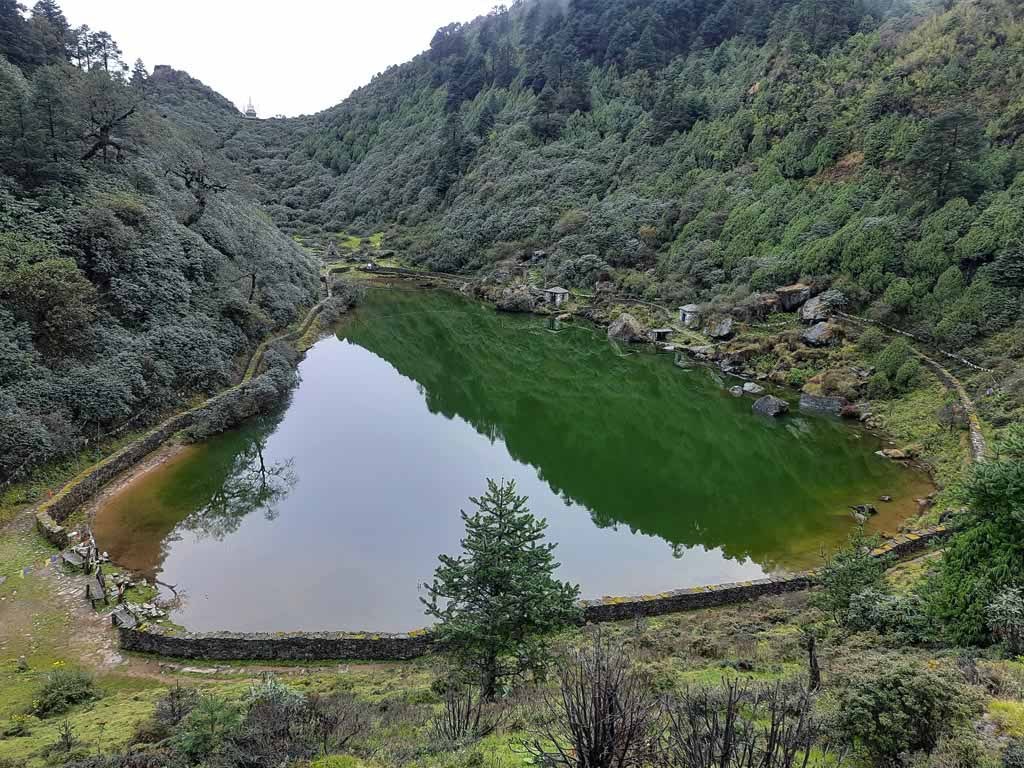
Table of Contents
If you've already done Annapurna or Everest and you're hunting for something that doesn't show up on every trekking forum, the Mundum Trail Trek is worth knowing about. It's one of Nepal's newest official trekking routes, tucked away in the hills of Bhojpur District in the far east of the country — a region most trekkers fly straight over on their way to somewhere more famous.
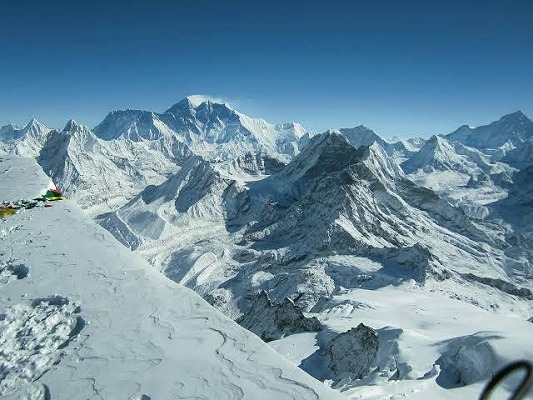
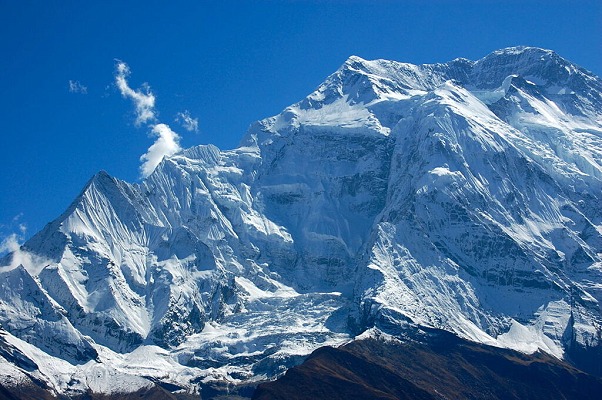
This isn't a peak-bagging trek. It's a cultural one. The trail is named after the Mundum, the sacred oral scripture of the Kirati Rai people, and walking it means passing through Rai villages that still practice shamanism and nature worship largely unchanged by outside influence, while also climbing high enough — to Silichung Hill at 4,165 m — to see more than thirty Himalayan peaks, including Everest, Makalu, and Kanchenjunga, from a ridge almost nobody else is standing on.
A quick note on the name before we go further: you'll see this trek referred to as "12 days" in places, which typically refers to the core trekking days on the trail itself. The current published itinerary, including the Kathmandu arrival, the long drive to the trailhead, and the drive back, runs to 16 days door-to-door. Both figures are accurate — they're just counting slightly different things — and we've laid out the full 16-day version below so there are no surprises when you plan around it.
👉 Full itinerary, pricing, and booking: Mundum Trail Trek – Unique Sherpa Trek & Expedition
What Is the Mundum Trail Trek?
The Mundum Trail Trek was formally introduced by Nepal's government in 2018 as one of the country's newer promoted tourism routes, and it still feels genuinely undiscovered compared to the trekking highways of Annapurna and the Khumbu. It runs through the hills of Bhojpur and Khotang districts in the lower Everest region of eastern Nepal — geographically close to the mountains that make Nepal famous, but culturally and experientially a world apart from them.
Where Everest Base Camp is about altitude and endurance, the Mundum Trail is about people, place, and belief. The route passes through villages belonging to the Rai, Limbu, Sunuwar, Yakkha, and Kulung communities, all of whom trace elements of their spiritual life back to the Mundum — an oral tradition that shapes rituals, social structure, and the community's relationship with the land itself. Trekkers pass sacred lakes, ridge-top shrines, and villages where shamanic practice and nature worship are still very much a living tradition rather than a museum piece.
The physical trail matches the cultural depth: rhododendron and bamboo forests, open alpine grasslands, shepherd camps, and long ridgelines with views that rival anything in the more famous trekking regions — without the crowds.
Quick Trip Facts
| Detail | Information |
|---|---|
| Region | Eastern Nepal (Bhojpur / Khotang districts) |
| Trip Grade | Moderate / Adventure |
| Duration | 16 Days (Kathmandu to Kathmandu) |
| Max Altitude | Silichung Hill – 4,165 m (13,665 ft) |
| Group Size | 2–30 |
| Meals | Breakfast, Lunch & Dinner |
| Accommodation | Hotel in Kathmandu, teahouse/community lodges and camping on trail |
| Transportation | Private vehicle (Kathmandu–Diktel/Halesi–Kathmandu) |
| Best Season | Spring (March–May) & Autumn (September–early December) |
| Starting Price | From US$1,230 per person (group rate) |
The Route: What the Trail Actually Looks Like
The trek begins with a scenic overland journey from Kathmandu toward Halesi Maratika Temple, a significant pilgrimage site for both Hindus and Buddhists, before continuing on to Chakhewa Bhanjyang, the true starting point of the walking portion.
From there, the trail climbs onto what's locally known as the "Ridge Trail" — a stretch that runs through grasslands, grazing pastures, and shepherd settlements toward Dhotre, with long, uninterrupted views over the rolling hills of eastern Nepal.
The trail then reaches Maiyung, where the camping section of the trek begins in earnest. This is where two of the trip's most memorable stops sit: Maiyung Danda and Hans Pokhari, a quiet alpine pond known locally as the "Duck Pond" for its shape and the migratory birds that visit it. From here, the route continues through Rawa Dhap, home to the scenic Laure Hill, before reaching the sacred Salpa Bhanjyang (Kulupankha) area.
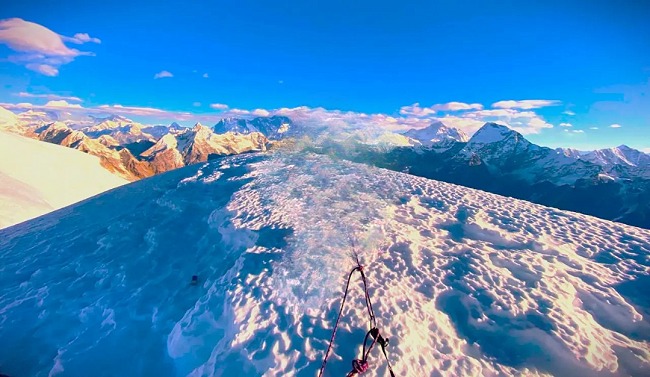
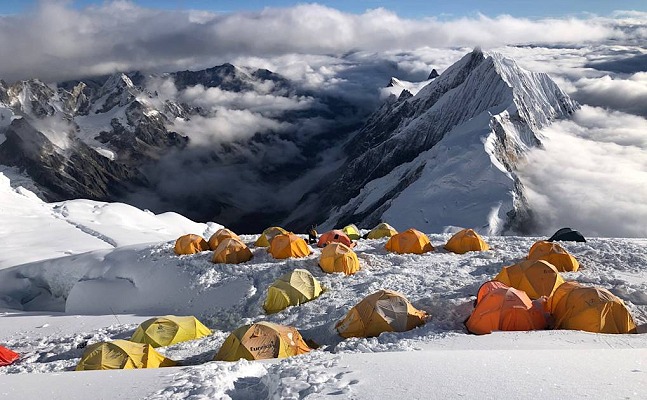
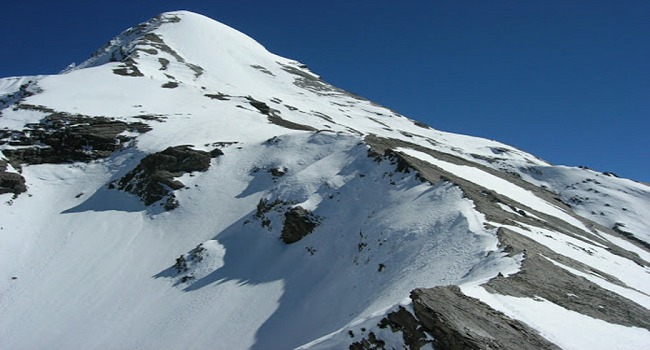
The undisputed high point — literally and figuratively — comes with the side trip up Silichung Hill (4,165 m), the highest point of the entire trek. On a clear day, the summit delivers views of more than thirty Himalayan peaks, including Everest, Kanchenjunga, Makalu, Lhotse, Nuptse, Mera Peak, and Shishapangma. Close by sits Salpa Pokhari, one of the most sacred pilgrimage sites in Kirati religion, believed to be the dwelling place of the goddess Sumnima.
From there, the trail descends via Hyakule and back past Hans Pokhari, eventually concluding in Bhojpur before the return drive to Kathmandu.
Total active trekking days: roughly nine, spread across a longer trip that also accounts for the significant driving distance to reach this remote corner of eastern Nepal — a trade-off worth knowing about upfront, since it's part of what keeps this route so quiet.
Major Attractions Along the Way
- Salpa Pokhari – A sacred alpine lake central to Kirati mythology, believed to be the home of the goddess Sumnima; bathing in its waters is considered spiritually purifying.
- Silichung Hill (4,165 m) – The trek's highest point and best viewpoint, believed in local tradition to be the residence of the sky god Paruhang.
- Hans Pokhari – A peaceful highland pond nicknamed the "Duck Pond," a magnet for migratory birds.
- Rai, Limbu, Sunuwar, Yakkha, and Kulung villages – Living cultural sites where traditional houses, farming practices, and community rituals remain genuinely intact, not staged for visitors.
- Halesi Maratika Temple – A revered pilgrimage cave-temple sacred to both Hindus and Buddhists, visited early in the trip.
- Wild rock bee honey hunting (Bhir Mauri) – A traditional practice still carried out by local honey hunters using techniques passed down for generations.
- Rich biodiversity – The forests here shelter red pandas, Himalayan black bears, barking deer, ghoral, and a wide range of pheasants and Himalayan bird species, alongside more than a dozen rhododendron species in bloom during spring.
- Local festivals – Depending on timing, trekkers may witness celebrations like Sakela, Shivaratri, or Teej along the route.
Best Season to Trek
| Season | Months | Conditions |
|---|---|---|
| Spring | March – May | Rhododendrons, magnolias, and alpine flowers in bloom; mild temperatures and clear mountain views |
| Autumn | September – early December | Stable weather, excellent visibility, lush post-monsoon greenery; light snow possible at altitude in late autumn |
| Winter | December – February | Possible but cold, with a real risk of snow-covered, slippery sections at higher elevations |
| Monsoon | June – August | Not recommended — heavy rainfall makes trails difficult and unsafe in places |
Spring and autumn are, without much debate, the two seasons worth building a trip around here — they offer the clearest views of Everest, Makalu, and Kanchenjunga from Silichung Hill and the safest overall trail conditions.
Trek Difficulty
The Mundum Trail Trek is rated moderate, and that rating holds up well against what's actually on the ground:
- Daily trekking typically runs 4–6 hours, with distances of roughly 8–14 km per day
- There's a mix of gradual ridge walking and steeper sections, particularly around the Silichung Hill side trip
- The trek includes a genuine acclimatization/rest day built around the Silichung Hill hike at Day 9
- No technical climbing skills are required — this is entirely a walking (and, in the upper camping section, tent-based) trek
- No prior high-altitude experience is mandatory, but reasonable physical fitness matters, especially for the 4,165 m summit day
- The route is genuinely less crowded than Annapurna or Everest, which means less infrastructure, so a bit more self-sufficiency and flexibility is expected of trekkers here than on the busier routes
This trek suits people who want a moderate physical challenge wrapped around a much bigger cultural one — not those chasing extreme altitude or technical terrain.
Permits & Travel Insurance
Because the Mundum Trail is a community-based, relatively new route, permit requirements are more localized than on Nepal's major circuits:
1. Local Trekking Permit for the Mundum Trail region
2. Conservation/entrance fees applicable to the specific areas the route passes through
3. TIMS card and registration, where applicable
All of the above are typically arranged and included by your trekking operator. In addition, comprehensive travel insurance is essentially mandatory for this trek — it should cover trekking up to at least 4,200 m, emergency helicopter evacuation, medical treatment, and trip interruption, given how remote parts of this route are compared to Nepal's more heavily trafficked treks.
Cost & What's Included
Pricing on this trek is group-size dependent, which is worth knowing before you book:
| Group Size | Price Per Person |
|---|---|
| 1–2 people | US$1,550 |
| 3–10 people | US$1,400 |
| 11–20 people | US$1,230 |
✅ What's Typically Included
- Airport pickup and drop-off in Kathmandu
- 2 nights' 5-star hotel in Kathmandu (breakfast included)
- Private transportation for the full route (Kathmandu to the trailhead and back)
- A waterproof duffel bag, plus a complimentary trekking T-shirt and cap
- Full board (breakfast, lunch, dinner) with tea/coffee during the trek, plus daily seasonal fruit
- A licensed, experienced trekking guide, with assistant guides and porters scaled to group size
- All applicable local trekking permits, conservation fees, and TIMS registration
- Guide and porter wages and insurance
- Basic first-aid support
- A farewell dinner in Kathmandu and a trip completion certificate
❌ What's Typically Excluded
- Nepal entry visa fee
- Personal travel insurance (including emergency evacuation)
- Lunch and dinner in Kathmandu
- Alcoholic drinks, bottled beverages, and personal snacks
- Personal trekking gear and clothing
- Tips for guides, porters, and drivers
- Extra costs from delays, itinerary changes, or conditions beyond the operator's control
For live group pricing, fixed departure dates, and to lock in your spot, the Mundum Trail Trek booking page lists current availability month by month.
Packing List for Mundum Trail Trek
Core Gear
- 30–40L trekking backpack plus a 20–30L daypack with rain cover
- 50–70L duffel bag for porter-carried luggage
- Sturdy, broken-in trekking boots with good ankle support
- Trekking poles for the ridge and forest sections
Clothing
- Thermal base layers (1–2 sets)
- Quick-drying T-shirts and comfortable trekking pants
- Fleece jacket plus a down or insulated jacket for colder nights
- Waterproof, windproof jacket and over-trousers
- Warm hat, sun hat, gloves, and a buff/neck gaiter
- 4–5 pairs of moisture-wicking trekking socks
Health & Safety
- Comprehensive travel insurance documents
- Personal first-aid kit and personal medication
- Water purification tablets or a filter
- Sunscreen (SPF 50+) and SPF lip balm
- UV-protection sunglasses
Extras
- Headlamp with spare batteries
- Power bank (10,000–20,000 mAh)
- Waterproof dry bags for electronics and documents
- Insect repellent and leech protection for warmer/wetter months
- Nepalese rupees in small denominations (card access is limited on the trail)
- Energy snacks: nuts, dried fruit, energy bars
FAQs
1. What is the highest point of the trek?
Silichung Hill (also called Silichung Peak or Salpa Peak) is the high point, at roughly 4,150–4,165 m (13,600–13,665 ft) depending on the operator's measurement. It sits along the Mundum ridge, past Salpa Bhanjyang, before the trail descends toward Tumlingtar. From the top, the view takes in five of the world's 8,000 m peaks — Everest, Kanchenjunga, Cho Oyu, Lhotse, and Makalu — along with closer peaks like Thamserku, Kangtega, Ama Dablam, Dorje Lakpa, Kusum Kanguru, and Numbur. It's widely regarded as the best mountain viewpoint on the entire route.
2. How long is the trek, exactly?
Total length varies quite a bit by operator: one company lists 15 days total, Kathmandu to Kathmandu, while others frame the core trekking portion as 10 to 12 days from Diktel, and some say most trekkers finish in 11–14 days. A "16-day" or "12-day" figure you see quoted usually reflects how much of the Kathmandu transport/arrival buffer is counted — the core ridge-walking section itself is fairly consistent across itineraries.
3. Is this a high-altitude trek?
Not in the extreme sense — max altitude is about 4,150 m, lower than Everest Base Camp but higher than Poon Hill. Acclimatization still matters, and some itineraries build in a dedicated acclimatization day before the Silichung push.
4. What kind of communities will I meet?
The route passes through territory of the Rai, Limbu, Sunuwar, and Kulung ethnic groups, whose way of life blends shamanism, animism, and Shiva worship — together forming the Mundum belief system of the Kirat people. You'll pass Kirati villages like Sanam and Guranse, and the trail itself is named after the Mundum, the ancient Kirat scripture.
5. Do I need previous trekking experience?
No prior high-altitude experience is required, but it's rated as a moderate trek that demands a good level of physical and mental fitness for daily long trekking hours, particularly on the Silichung summit day, which is often an early-morning push.
6. Is the trail crowded?
No — the trail sees fewer than 300 trekkers a year, which is part of why Kirat Rai culture along the route remains intact. It's markedly quieter than Annapurna or Everest.
7. What's the accommodation like?
A mix of community lodges/teahouses lower down and camping higher up, particularly around Salpa Bhanjyang and near Silichung itself. Expect comfortable accommodation with basic facilities on trek and standard hotels in the city, with full meals on trek and breakfast-only in Kathmandu.
8. Is winter trekking possible?
Technically yes, but not recommended by most operators — the best seasons are October–November for clear skies and April for rhododendron bloom, while December to February should be avoided due to snow on the ridge. Expect cold temperatures and slippery, snow-covered sections at altitude if you go in winter regardless.
9. Do I need travel insurance?
Yes — considered mandatory, and it should cover trekking up to at least 4,200 m plus emergency evacuation, given the remoteness of the route.
10. Can the itinerary be customized?
Yes. Operators commonly build in flexibility around rest/acclimatization days, side trips (e.g., to Halesi Maratika temple, a Hindu-Buddhist pilgrimage site situated between the Dudh Koshi and Sun Koshi rivers), and overall pacing.
11. Is the monsoon season suitable for this trek?
No — heavy rain from June to August makes trail conditions difficult, and this window is generally avoided in favor of autumn or spring.
12. Is Silichung a technical climb?
No — it's a non-technical trekking peak that doesn't require ropes in normal conditions, though crampons can help with late-autumn snow.
13. Do I need a guide?
Strongly recommended — trail signage is limited, few locals speak English, and a Kirat-speaking guide adds real cultural depth to the experience.
14. Is there a notable local festival to time a visit around?
Yes — the Salpa Pokhari festival, held on the August full moon, draws 5,000–8,000 Kirat Rai and Limbu pilgrims to the sacred lake near the route. It's a striking cultural experience, but lodging in the area fills up months in advance.
Final Thoughts
The Mundum Trail Trek isn't trying to compete with Everest Base Camp or the Annapurna Circuit on altitude or fame — it's doing something different entirely. This is a trek for people who want to walk into a living culture, not just past it: sacred lakes, shamanic tradition, honey hunters, and villages where the Mundum still genuinely shapes daily life, wrapped around a legitimately spectacular Himalayan panorama from Silichung Hill.
If quiet trails, cultural depth, and a real sense of discovery matter more to you than ticking off a famous name, this is one of the more rewarding ways to spend two-plus weeks in Nepal right now — largely because almost nobody else is doing it yet.
Ready to plan your trip? Check current group pricing, fixed departure dates, and full trip details here:
👉 Mundum Trail Trek – Unique Sherpa Trek & Expedition
This guide is intended for general trip-planning purposes. Prices, permits, and trail conditions can change — always confirm current details directly with your trekking operator before booking.