


Mera Peak Climbing Tips for First-Time Climbers: A Practical Guide from Nepal
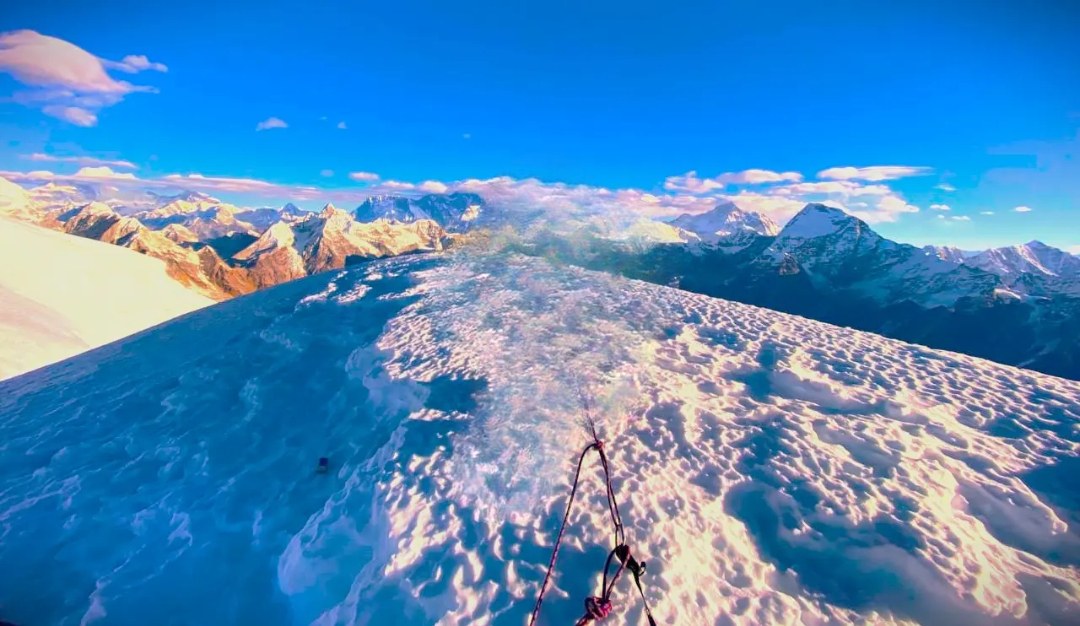
Table of Contents
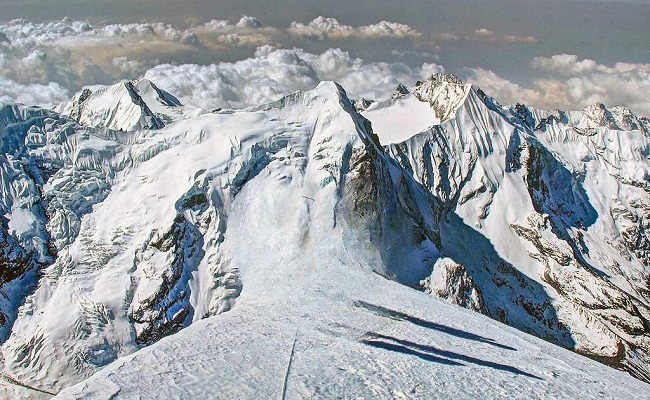
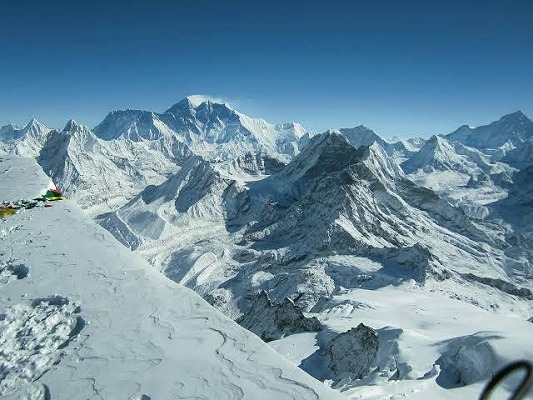
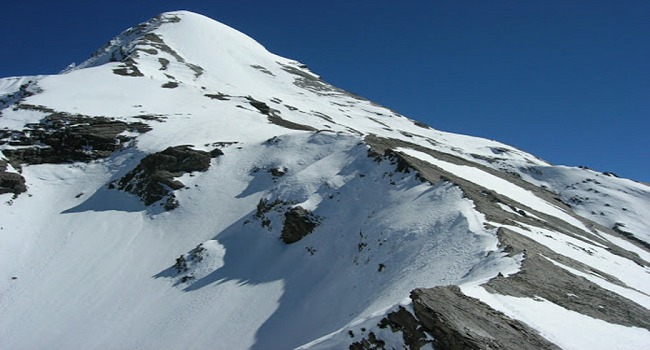
Standing on Mera Peak at 6,476 meters (21,246 ft), with Everest, Lhotse, Makalu, Cho Oyu, and Kanchenjunga spread across the horizon, is one of the most rewarding first-summit experiences in Nepal. It is also a serious high-altitude climb. The good news is that Mera Peak is a non-technical trekking peak, and with the right preparation, determined first-timers reach the top every season.
These Mera Peak climbing tips come from our Sherpa guides at Unique Sherpa Trek & Expedition, who lead climbers up this mountain every season. Below the tips, you will also find the best season, permits, difficulty level, and the full itinerary.
Is Mera Peak Good for a First Himalayan Climb?
Yes, if you are fit and have some trekking experience at altitude. The route follows the quiet Hinku Valley and builds height gradually. Technical skills like crampon use, ice-axe handling, and fixed-rope movement are taught on the acclimatization day at Khare, before you climb. The main challenges are altitude, cold, and a long summit day, not difficult climbing.
Want the full route, costs, and departure dates? See our Mera Peak Climbing trip page.
12 Mera Peak Climbing Tips for First-Time Climbers
1. Start Training 3 to 4 Months Early
Build a base of cardio (hiking, running, cycling, stair climbing) and leg strength. Once a week, hike for several hours with a loaded backpack. You will walk 5 to 7 hours on most trekking days, so endurance matters more than speed.
2. Choose the Right Season
Spring and autumn give you the most stable weather and the clearest views. See the full season guide below.
3. Take Acclimatization Seriously
Altitude is the number one reason climbers fail to summit. Our itinerary climbs gradually through Chhutanga, Thuli Kharka, Kothe, Thangnak, and Khare, and includes a dedicated rest and training day at Khare (5,057 m). Walk slowly, drink plenty of water, eat well even when your appetite drops, and report headaches or nausea to your guide early. If you want to carry altitude medication, talk to your doctor before you travel.
4. Use the Khare Training Day Fully
This is where first-timers learn to use a harness, crampons, and ascender, plus knots, belaying, and rappelling. Practice until each step feels natural. Summit day is much easier when your gear feels familiar.
5. Break In Your Boots
Blisters and cold feet end more climbs than most people expect. Wear your mountaineering boots on long hikes for weeks beforehand, and test them with your crampons so the fit is secure.
6. Master the Layering System
Temperatures swing from warm valley days to freezing summit nights. Use this system: thermal base layer, fleece mid layer, down jacket, and a waterproof, windproof shell. Add insulated climbing pants, warm gloves or mittens, a balaclava, and glacier sunglasses or goggles.
7. Know What to Rent and What to Bring
Personal technical gear is not included in the package: boots, crampons, ice axe, harness, helmet, carabiners, and ascender. Much of it can be rented in Kathmandu, and some is available at Khare. Your sleeping bag should be four-season, around -20°C or lower. Ask us for the full list before you pack.
8. Pack Light for the Flight to Lukla
The Kathmandu to Lukla flight has a 15 kg baggage allowance, and extra weight is charged by the airline. Pack only what you need and leave extras at your Kathmandu hotel.
9. Pace Yourself on Summit Day
The summit push starts around 2 AM and takes roughly 8 to 10 hours including the descent to Khare. Go slow and steady, and take regular breaks. The final 40 to 50 meters is steep, and you will use fixed rope and ascender, which your guide will set up and check.
10. Protect Yourself from Sun and Cold
Glare and UV are intense above the snowline. Use SPF 50+ sunscreen and lip balm, wear goggles on the summit push, and keep a spare pair of gloves in your pack. Keep water from freezing with an insulated flask.
11. Trust Your Guide's Decisions
Weather on Mera Peak can change fast. A good guide will turn the team around if conditions or health demand it. The summit is optional, but getting home safely is not.
12. Get the Right Insurance
Choose travel insurance that covers high-altitude climbing up to 6,500 m and emergency helicopter evacuation. This is not included in the package, so confirm the policy wording before you buy.
Best Season for Mera Peak Climbing
The best seasons are spring (March to May) and autumn (September to November).
- Autumn (September to November): The most popular window, with clear skies, dry trails, and strong mountain views. October and November are especially reliable.
- Spring (March to May): Milder temperatures, longer days, and blooming rhododendron forests on the lower trail.
- Winter (December to February): Possible, but very cold at high camp and the summit, so it suits experienced, well-equipped climbers.
- Monsoon (June to August): Rain, cloud, and poor visibility make it a poor choice.
We run fixed departures from October through January, and you can check current dates on the trip page.
Mera Peak Climbing Permits
Climbing Mera Peak requires several permits, and Unique Sherpa Trek arranges all of them for you:
- Mera Peak climbing permit from the Nepal Mountaineering Association (NMA), required to climb the peak.
- Sagarmatha National Park entry permit, as your route starts from Lukla.
- TIMS card, where required, for trekking registration.
- Local conservation and government fees that apply along the route.
Permit fees depend on the season and the current official schedule, so confirm the latest figures before booking. Our guide to Peak Climbing Permit Fees in Nepal covers this in detail. You only need to bring your passport, passport photos, and insurance details.
How Difficult Is Mera Peak?
Mera Peak is moderately challenging, and it is one of the more approachable 6,000 m peaks in Nepal. Here is what makes it hard and what makes it manageable:
- Hard: Altitude above 5,000 m, cold nights at high camp, long trekking days, and an 8 to 10 hour summit day starting around 2 AM.
- Manageable: The glacier slopes are gradual, the climb is non-technical, and only the last 40 to 50 meters is steep, where fixed rope is used.
- Your edge: Good fitness, proper acclimatization, and well-fitted gear matter more than climbing experience.
For a deeper look, read Is Mera Peak Difficult for Beginners?
Mera Peak Climbing Itinerary: 14 Days at a Glance
| Day | Route | Altitude | Walking Time |
|---|---|---|---|
| 1 | Arrive in Kathmandu, transfer to hotel | 1,350 m | n/a |
| 2 | Fly to Lukla, trek to Chhutanga | 3,110 m | 3-4 hrs |
| 3 | Chhutanga to Thuli Kharka via Zatrwa La Pass | 4,300 m | 6-7 hrs |
| 4 | Thuli Kharka to Kothe | 3,691 m | 5-6 hrs |
| 5 | Kothe to Thangnak | 4,357 m | 4-5 hrs |
| 6 | Thangnak to Khare (Mera Base Camp) | 5,057 m | 3-4 hrs |
| 7 | Acclimatization and pre-climb training at Khare | 5,057 m | 4-5 hrs |
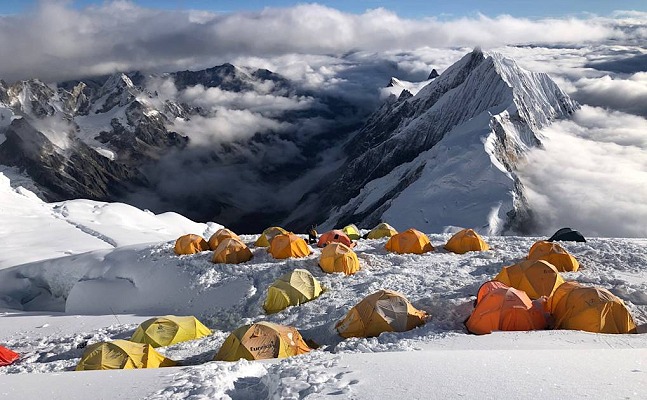
| 8 | Khare to Mera High Camp | 5,780 m | 4-6 hrs |
| 9 | Summit Mera Peak (6,476 m), descend to Khare | 6,476 m | 8-10 hrs |
| 10 | Khare to Kothe | 3,690 m | 6-7 hrs |
| 11 | Kothe to Thuli Kharka | 4,300 m | 5-6 hrs |
| 12 | Thuli Kharka to Lukla via Zatrwa La Pass | 2,840 m | 6-7 hrs |
| 13 | Fly Lukla to Kathmandu | 1,350 m | 30-35 min flight |
| 14 | Final departure | n/a | n/a |
Permits, guides, porters, camping at high camp, and meals on the mountain are covered in the package. The full day-by-day details are on our Mera Peak Climbing page.
Frequently Asked Questions
Do I need climbing experience for Mera Peak?
No technical background is required, but you should be fit and have trekked at altitude before. Basic skills are taught before the climb.
How hard is Mera Peak compared to Island Peak?
Mera Peak is generally less technical but longer and higher at the summit. Island Peak has a steeper final headwall. Read more on our Island Peak Climbing page.
What is the success rate?
It depends on weather, acclimatization, and fitness. A gradual itinerary and a dedicated training day improve your chances.
How much does it cost?
Our Mera Peak Climbing package starts from US$2,000 per person, with group discounts. See Mera Peak Climbing Cost 2027 for a full breakdown.
What permits do I need?
The Mera Peak climbing permit, Sagarmatha National Park entry, and TIMS card where required. We arrange all of them for you.
What is the food and accommodation like?
Expect teahouses on the trek and tents at high camp. See Mera Peak Expedition Food, Accommodation & Facilities.
Ready to Climb Mera Peak?
Your first 6,000 m summit starts with good preparation and a team you trust. Unique Sherpa Trek & Expedition offers experienced local guides, a gradual acclimatization plan, and fixed departures through autumn and winter.
Book or enquire about Mera Peak Climbing | WhatsApp: +977 9862854770 | Email: info@uniquesherpatrek.com